MindMap Gallery The Road to Financial Freedom
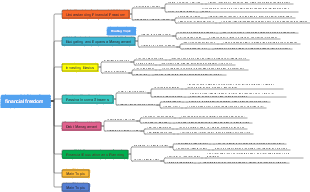
This is a mind map about "The Road to Financial Freedom", which mainly includes: financial planning, savings and investment, entrepreneurship and side business exploration, income improvement, debt cleaning, and concept reshaping.
Edited at 2025-01-21 23:34:58Rumi: 10 dimensions of spiritual awakening. When you stop looking for yourself, you will find the entire universe because what you are looking for is also looking for you. Anything you do persevere every day can open a door to the depths of your spirit. In silence, I slipped into the secret realm, and I enjoyed everything to observe the magic around me, and didn't make any noise. Why do you like to crawl when you are born with wings? The soul has its own ears and can hear things that the mind cannot understand. Seek inward for the answer to everything, everything in the universe is in you. Lovers do not end up meeting somewhere, and there is no parting in this world. A wound is where light enters your heart.
Chronic heart failure is not just a problem of the speed of heart rate! It is caused by the decrease in myocardial contraction and diastolic function, which leads to insufficient cardiac output, which in turn causes congestion in the pulmonary circulation and congestion in the systemic circulation. From causes, inducement to compensation mechanisms, the pathophysiological processes of heart failure are complex and diverse. By controlling edema, reducing the heart's front and afterload, improving cardiac comfort function, and preventing and treating basic causes, we can effectively respond to this challenge. Only by understanding the mechanisms and clinical manifestations of heart failure and mastering prevention and treatment strategies can we better protect heart health.
Ischemia-reperfusion injury is a phenomenon that cellular function and metabolic disorders and structural damage will worsen after organs or tissues restore blood supply. Its main mechanisms include increased free radical generation, calcium overload, and the role of microvascular and leukocytes. The heart and brain are common damaged organs, manifested as changes in myocardial metabolism and ultrastructural changes, decreased cardiac function, etc. Prevention and control measures include removing free radicals, reducing calcium overload, improving metabolism and controlling reperfusion conditions, such as low sodium, low temperature, low pressure, etc. Understanding these mechanisms can help develop effective treatment options and alleviate ischemic injury.
Rumi: 10 dimensions of spiritual awakening. When you stop looking for yourself, you will find the entire universe because what you are looking for is also looking for you. Anything you do persevere every day can open a door to the depths of your spirit. In silence, I slipped into the secret realm, and I enjoyed everything to observe the magic around me, and didn't make any noise. Why do you like to crawl when you are born with wings? The soul has its own ears and can hear things that the mind cannot understand. Seek inward for the answer to everything, everything in the universe is in you. Lovers do not end up meeting somewhere, and there is no parting in this world. A wound is where light enters your heart.
Chronic heart failure is not just a problem of the speed of heart rate! It is caused by the decrease in myocardial contraction and diastolic function, which leads to insufficient cardiac output, which in turn causes congestion in the pulmonary circulation and congestion in the systemic circulation. From causes, inducement to compensation mechanisms, the pathophysiological processes of heart failure are complex and diverse. By controlling edema, reducing the heart's front and afterload, improving cardiac comfort function, and preventing and treating basic causes, we can effectively respond to this challenge. Only by understanding the mechanisms and clinical manifestations of heart failure and mastering prevention and treatment strategies can we better protect heart health.
Ischemia-reperfusion injury is a phenomenon that cellular function and metabolic disorders and structural damage will worsen after organs or tissues restore blood supply. Its main mechanisms include increased free radical generation, calcium overload, and the role of microvascular and leukocytes. The heart and brain are common damaged organs, manifested as changes in myocardial metabolism and ultrastructural changes, decreased cardiac function, etc. Prevention and control measures include removing free radicals, reducing calcium overload, improving metabolism and controlling reperfusion conditions, such as low sodium, low temperature, low pressure, etc. Understanding these mechanisms can help develop effective treatment options and alleviate ischemic injury.
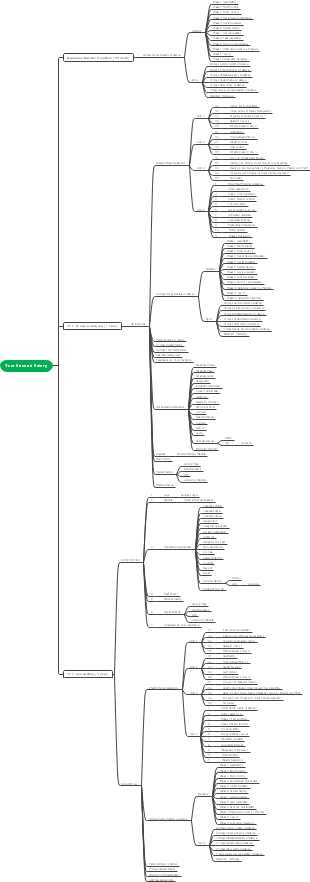
"The Road to Financial Freedom"
Reshaping the concept
Clarify wealth goals
Deeply explore inner desire
Guide readers to calm down through meditation, diary and other methods to think about life scenes that can truly bring satisfaction and happiness, such as the dream family gathering atmosphere and the moment of focus and dedication when pursuing hobbies.
List examples of wealth goals for different groups of people, such as artists expect to have independent creative studios and no financial pressure to explore new styles, and entrepreneurs are eager to build industry-leading companies to realize their business ambitions.
Target visualization skills
Detailed introduction to the methods of making dream boards, including collecting pictures related to the goal (such as photos of the favorite property, landscape photos of the travel destination), text (target amount, realization time), and posting them in a prominent position.
Tell us about the importance of regularly reviewing the dream board, set aside time every day or week to focus on the dream board, and strengthen the subconscious awareness and motivation to pursue goals.
Establish a correct view of money
1. Break up misunderstandings
Analyze the root causes of common wrong money concepts, such as the influence of family consumption concepts and social public opinion, which form views such as "money makes people degenerate" and "talking about money hurts feelings".
Use examples to illustrate the neutral nature of money. For example, money can help charity change the fate of others, and may also cause problems due to improper use. The key lies in the user's values and behaviors.
2. Recognize the positive meaning of money
Explain that money provides a material foundation for life, ensures the satisfaction of basic living needs (food, clothing, housing and transportation), and improves the quality of life.
Give examples of how money can help achieve personal growth, such as paying for training courses to improve skills, funding learning new languages to open up opportunities for international exchanges; and contributions to society, such as entrepreneurs donating to support education and improving the allocation of educational resources.
Assuming wealth responsibility
1. Awakening of responsibility
Emphasize the dominant role of individuals in wealth accumulation, and regardless of the starting point, they have the ability to change their financial situation through actions.
Comparing the different results of actively taking responsibility and treating finance negatively, such as active planners gradually achieving financial goals, while passive dependants have constant financial problems.
2. A guide to initiative
Provide steps to develop personal financial planning, including evaluating the status quo, setting goals, developing strategies, and regularly evaluating adjustments.
Readers are encouraged to actively learn financial management knowledge, participate in online courses, read professional books, and join the financial management community to exchange experience.
Debt liquidation
Debt awareness
1. Debt type distinction
A detailed analysis of benign debts, taking investment in real estate as an example, to illustrate that if the rental income of a loan can cover the loan cost and the property has value-added potential, it can be regarded as a means of asset value-added.
Analyze the causes of vicious debts, such as excessive consumption and purchase of non-essential luxury goods, and falling into the credit card recycled interest trap due to lack of financial planning.
2. Vicious debt hazards
Quantify the impact of high interest on debts, such as credit card arrears of up to 18% or even higher, and long-term accumulation makes debt snowballs bigger and bigger.
Tells about the damage to personal credit records by vicious debts, affecting future loans and credit card applications, and may even lead to the consequences of being unable to rent a house and being restricted in the purchase of insurance.
Debt repayment strategy
1. Detailed explanation of the debt snowball method
Explain the operation steps of the debt snowball method, list all debts, sort them from small to large amount, first concentrate funds to repay the minimum debt, and after paying off the debt, add the repayment amount to the next debt repayment amount, forming a snowball effect.
Share the case of successfully paying off debts using the Debt Snowball method, explaining the psychological incentive effect it brings and enhancing the motivation and confidence of repayment.
2. Debt avalanche law application
The principle of the debt avalanche method is introduced, first repay the debt with the highest interest, give priority to reducing interest expenses, and reduce the total debt cost.
Comparing the two applicable scenarios, the Debt Snowball method is suitable for people with high psychological incentive needs, and the Debt Avalanche method focuses more on saving interest and encourages readers to choose according to their own situation.
Increase in income
Improve your own value
1. Continuous learning path
Recommend various learning resources, such as online learning platforms (Coursera, NetEase Cloud Classroom), rich professional courses, covering popular fields such as programming, design, and marketing.
Emphasize the importance of reading professional books and industry reports, provide access channels (library borrowing, e-book purchases), and recommend taking regular reading notes and summary.
Talk about the value of participating in industry seminars and academic conferences, be able to get in touch with cutting-edge knowledge, expand personal resources, and share participation skills (prepare questions in advance and communicate actively).
2. Interest monetization guidance
Guide readers to sort out their interests and hobbies. If you like photography, you can consider being a photography blogger and accept commercial shooting orders; if you love cooking, you can open food self-media and provide private customized catering services.
Share successful cases of interest monetization, analyze the transformation process and key decision-making points from interest to business, such as how to locate target customers and formulate price strategies.
Workplace promotion strategy
1. Workplace communication skills
Effectively express opinions: tell methods to clearly organize language and highlight key points, such as using the "conclusion - reason - suggestion" structure report work; avoid lengthy and complex expressions, and support opinions through specific data and cases.
Active listening: Emphasize that when listening, give the other party full attention (eye communication, appropriate nodding), understand the other party's intentions and needs, and avoid interruptions in the middle; after listening, summarize the other party's content and confirm that it is correct.
Team collaboration communication: Share skills to coordinate opinions from all parties and resolve conflicts in team projects, such as holding effective meetings, establishing communication mechanisms, and respecting other people's opinions.
2. Project undertaking and display
Actively find project opportunities: Encourage readers to pay attention to the company's internal project needs and volunteer to participate in important projects; share how to recommend yourself, such as preparing detailed project participation plans and demonstrating relevant skills and enthusiasm.
Project execution and results display: Tells the method of doing everything in the project and completing tasks on time and with high quality; learn to show results to leaders and colleagues through written reports, PPT demonstrations and other methods after the project is over, and highlight personal contributions.
Entrepreneurship and side business exploration
1. Key points for entrepreneurship preparation
Market demand survey: Introduce how to understand the pain points of target market demand through questionnaires, interview potential customers, analyze industry reports, etc., and verify the feasibility of business creativity.
Business creativity polishing: tells the process from discovering market opportunities to forming unique business ideas, such as combining new technologies and new trends to innovate traditional business models; emphasizing the differentiation and sustainability of creativity.
Funding preparation methods: Details the source of entrepreneurship funds, such as personal savings, borrowing from relatives and friends, applying for bank entrepreneurial loans, and finding angel investors; analyzing the advantages and disadvantages of different channels and application conditions.
Team building strategy: share channels to find entrepreneurial partners (alumni networks, industry communities, entrepreneurial incubation bases), as well as the key points of forming complementary teams, focusing on members’ professional skills, values and entrepreneurial enthusiasm.
2. Recommended side job types
Writing and submission: introduce platforms suitable for submission (public accounts, magazines, online literature platforms), and share submission skills and royalty standards for different types of writing (essays, novels, and commercial copy).
Part-time job in e-commerce: Tells about how to use e-commerce platforms (Taobao, Xianyu) to carry out side businesses, such as product selection strategies, store operation skills, and customer service points.
Online ride-hailing driver: Analyze the income status, working hours flexibility, as well as the required vehicle conditions and platform registration process of the side business of online ride-hailing drivers.
Savings and Investing
Develop saving habits
1. Savings target setting
Recommended initial savings ratio: give specific suggestions of 10% - 30% of monthly savings income based on different income levels and cost of living. If the income is lower, start from 10% and gradually increase the proportion.
The principle of goal adjustment: describes the method of adjusting savings goals in a timely manner according to changes in personal financial situation (such as promotion and salary increase, family changes), to ensure that savings goals are both challenging and feasible.
2. Spend saving tips
Budget formulation method: Detailed introduction to the steps for formulating a monthly budget, including listing all income and expenditure items, estimated amounts, and classified management (fixed expenditures, variable expenditures); it is recommended to use budget management software (Suixiu, Shark Accounting) to assist.
Rational consumption strategies: Share ways to avoid impulsive consumption, such as shopping pre-lists, setting up consumption cooling-off periods; analyze common consumption traps (discount promotions, installments), and remind readers to stay rational.
Living cost optimization: Provide practical skills to reduce living costs, such as group buying of daily necessities, selecting cost-effective consumption places, and rational use of public resources (library borrowing books instead of purchasing).
Understand investment tools
1. Stock Investment
Characteristics and risks: Explain the nature of the company's ownership represented by the stock and the price fluctuation risks behind the high yield potential; use cases to illustrate that the stock price is affected by various factors such as company performance, macroeconomics, and industry competition.
Introductory investment knowledge: introduce the stock account opening process (selecting securities companies, online and offline account opening steps), trading rules (trading time, price-to-loss limit), and basic analysis methods (interpretation of price-to-earnings ratio and price-to-book ratio indicators).
2. Fund investment
Introduction to fund types: Detailed analysis of stock funds (mainly investing in stocks, with high risk and high return potential), bond funds (mainly investing in bonds, with relatively stable returns and low risk), mixed funds (investment in multiple assets, with relatively high risk and return The characteristics and differences between balanced funds (strong liquidity, low returns, low risk).
Advantages of fund fixed investment: Explain the principle of fund fixed investment to equalize costs and reduce market volatility risks through regular fixed investment; share the operation methods of fund fixed investment (select a fixed investment platform, set up a fixed investment plan) and profit cases.
3. Bond Investment
Fixed income characteristics: Explain the characteristics of the bonds as debt certificates and issuers pay interest and principal as agreed; explain the bond interest payment method (yearly interest payment, half-year interest payment, etc.) and the principal repayment period.
Risk analysis: Analyze the interest rate risks faced by bond investment (market interest rates rise and bond prices fall), credit risks (issuer default possibility), and how to reduce risks by diversifying investments and studying issuer credit ratings.
4. Real estate investment
Pros and cons analysis: Tells about the rental income of real estate investment and the profit advantages brought by the real estate value-added potential; at the same time, analyzes the disadvantages such as maintenance costs (house maintenance, property management fees), liquidity risks (long real estate transaction cycle, difficulty in real estate real estate).
Investment points: Introduce the key points of real estate investment site selection (considering location, supporting facilities, development potential), real estate type selection (differences between residential and commercial real estate), and investment methods (direct purchase, real estate trust funds).
Investment strategy formulation
1. The principle of diversified investment
The significance of diversified investment: Through the portfolio theory, explain the principle of diversified investment reducing the overall impact of a single asset fluctuation, such as investing in stocks in different industries at the same time, combining stocks and bonds in different industries, etc.
Asset categories are diversified: It is recommended that the investment portfolio cover multiple asset classes and determine the proportion of various assets based on personal circumstances. For example, young investors can appropriately increase the ratio of stocks and stock funds, and elderly investors allocate more bonds and money funds.
Regional dispersion: Tells about cross-regional investment to reduce risks, such as investing in stocks and real estate in different countries or regions, to avoid a significant shrinkage of assets due to economic fluctuations in a certain region.
2. Risk and return balance
Risk tolerance assessment: Provide a risk tolerance assessment questionnaire, which is evaluated from the dimensions of financial status, investment experience, risk preference, investment goals, etc.; determine appropriate investment strategies based on the evaluation results.
Return expectations setting: Emphasize the reasonable setting of return expectations to avoid pursuing excessive returns and taking too much risk; refer to historical data and market conditions to explain the approximate returns range of different investment portfolios.
3. Long-term investment philosophy
Explanation of the principle of compound interest: Detailed explanation of compound interest calculation methods through formulas and examples, explaining the amazing growth effect of initial investment under the action of long-term compound interest, such as the monthly fixed investment fund doubles its assets after many years.
Advantages of long-term investment: Analyze how long-term investment can smooth the impact of market volatility and reduce short-term speculative risks; tell the story of long-term investment exploring the growth value of corporate, and share cases of persisting in long-term investment to obtain high returns.
Financial Planning
Financial stage division
1. Financial security stage
Emergency fund reserves: It is clearly recommended to reserve 3-6 months of living expenses as emergency funds, and calculate the required amount in detail based on personal living expenses.
Fund deposit method: It is recommended to deposit emergency funds in savings accounts or money funds with strong liquidity to explain the convenience of deposits and withdrawals and returns of the two; compare the savings interest rates of different banks and the yield rates of money funds.
2. Financial security phase
Passive income calculation: introduces the method of calculating passive income required to cover basic living expenses, considering factors such as living costs and inflation; reversely derives the required investment principal based on passive income.
Portfolio Construction: Tells about the methods of building a stable investment portfolio, mainly bonds, high-quality blue-chip stocks, and stable funds, ensuring the steady appreciation of assets to generate continuous passive income.
3. Financial freedom stage
Financial freedom standards: clarify that financial freedom means passive income far exceeds your life needs, and you can freely choose your lifestyle; provide reference for asset scale to achieve financial freedom under different living standards.
Wealth management focus: emphasizes the focus on asset preservation and inheritance in the financial freedom stage, rationally plan taxation and insurance, and ensure wealth stability and family inheritance through trust and other tools.
Financial planning implementation
1. Detailed explanation of planning steps
Set phased goals: According to the financial stage division, set short-term (1-3 years), medium-term (3-5 years), and long-term (5 years or more) goals, such as accumulating emergency funds in the short term, achieving financial security in the medium term, and long-term progress. Financial freedom.
Regular assessment and adjustment: It is recommended to evaluate the implementation of financial planning every quarter or six months to compare the actual income and expenditure, asset growth and target gaps; adjust the investment portfolio and savings plan according to market changes and personal situations.
2. Importance of financial records
Selection of accounting tools: Detailed introduction to the functional characteristics and operation methods of common accounting software (Sui Shuji, Timi Accounting, Shark Accounting); you can also introduce manual accounting formats and key points.
Financial status monitoring: Tell us about monitoring revenue and expenditure through accounting data, analyzing consumption structure, timely discovering financial problems (expenditures exceed budget, single source of income) and adjusting strategies.
Continuous learning and monitoring
1. Financial information attention
News media channels: Recommend authoritative financial news media (Caixin.com, Bloomberg, Financial Times) to introduce ways to obtain financial news, policies and regulations interpretations; pay attention to the impact of macroeconomic data (GDP, CPI, interest rates) release on investment.
Policy interpretation method: Share key points of interpreting financial policies, such as the impact of tax policy adjustments on corporate and individual investments, the role of monetary policy changes in stock markets and bond markets; analyze policy orientation to grasp investment opportunities.
2. Knowledge improvement approach
Participation in investment seminars: introduce the channels for participating in offline investment seminars and lectures (organized by financial institutions and organized by industry associations); share the results and exchange skills of participating in the conference, and meet investment experts and peers to expand their connections.
Professional book reading: Recommend classic financial management books ("Puppy Money", "Poor Dad Rich Dad", "Smart Investor"), telling reading methods (take notes, summarize experiences, and practical applications); forming regular reading habits and constantly updating knowledge system .