MindMap Gallery 7 dialogues in love Building a lifelong intimacy
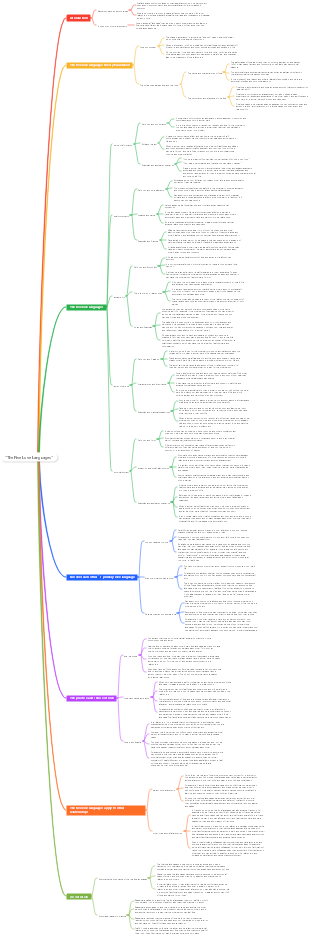
This is a mind map about "7 dialogues in love: Building intimate relationships that last for a lifetime". The main contents include: Comprehensive application and relationship sublimation, the seventh dialogue: intimacy and passion, the sixth dialogue: growth and Support, the fifth dialogue: commitment and responsibility, the fourth dialogue: respect and appreciation, the third dialogue: conflict and reconciliation, the second dialogue: candidness and trust, the first dialogue: attraction and connection, the nature of love and communication core.
Edited at 2025-01-15 16:06:34Rumi: 10 dimensions of spiritual awakening. When you stop looking for yourself, you will find the entire universe because what you are looking for is also looking for you. Anything you do persevere every day can open a door to the depths of your spirit. In silence, I slipped into the secret realm, and I enjoyed everything to observe the magic around me, and didn't make any noise. Why do you like to crawl when you are born with wings? The soul has its own ears and can hear things that the mind cannot understand. Seek inward for the answer to everything, everything in the universe is in you. Lovers do not end up meeting somewhere, and there is no parting in this world. A wound is where light enters your heart.
Chronic heart failure is not just a problem of the speed of heart rate! It is caused by the decrease in myocardial contraction and diastolic function, which leads to insufficient cardiac output, which in turn causes congestion in the pulmonary circulation and congestion in the systemic circulation. From causes, inducement to compensation mechanisms, the pathophysiological processes of heart failure are complex and diverse. By controlling edema, reducing the heart's front and afterload, improving cardiac comfort function, and preventing and treating basic causes, we can effectively respond to this challenge. Only by understanding the mechanisms and clinical manifestations of heart failure and mastering prevention and treatment strategies can we better protect heart health.
Ischemia-reperfusion injury is a phenomenon that cellular function and metabolic disorders and structural damage will worsen after organs or tissues restore blood supply. Its main mechanisms include increased free radical generation, calcium overload, and the role of microvascular and leukocytes. The heart and brain are common damaged organs, manifested as changes in myocardial metabolism and ultrastructural changes, decreased cardiac function, etc. Prevention and control measures include removing free radicals, reducing calcium overload, improving metabolism and controlling reperfusion conditions, such as low sodium, low temperature, low pressure, etc. Understanding these mechanisms can help develop effective treatment options and alleviate ischemic injury.
Rumi: 10 dimensions of spiritual awakening. When you stop looking for yourself, you will find the entire universe because what you are looking for is also looking for you. Anything you do persevere every day can open a door to the depths of your spirit. In silence, I slipped into the secret realm, and I enjoyed everything to observe the magic around me, and didn't make any noise. Why do you like to crawl when you are born with wings? The soul has its own ears and can hear things that the mind cannot understand. Seek inward for the answer to everything, everything in the universe is in you. Lovers do not end up meeting somewhere, and there is no parting in this world. A wound is where light enters your heart.
Chronic heart failure is not just a problem of the speed of heart rate! It is caused by the decrease in myocardial contraction and diastolic function, which leads to insufficient cardiac output, which in turn causes congestion in the pulmonary circulation and congestion in the systemic circulation. From causes, inducement to compensation mechanisms, the pathophysiological processes of heart failure are complex and diverse. By controlling edema, reducing the heart's front and afterload, improving cardiac comfort function, and preventing and treating basic causes, we can effectively respond to this challenge. Only by understanding the mechanisms and clinical manifestations of heart failure and mastering prevention and treatment strategies can we better protect heart health.
Ischemia-reperfusion injury is a phenomenon that cellular function and metabolic disorders and structural damage will worsen after organs or tissues restore blood supply. Its main mechanisms include increased free radical generation, calcium overload, and the role of microvascular and leukocytes. The heart and brain are common damaged organs, manifested as changes in myocardial metabolism and ultrastructural changes, decreased cardiac function, etc. Prevention and control measures include removing free radicals, reducing calcium overload, improving metabolism and controlling reperfusion conditions, such as low sodium, low temperature, low pressure, etc. Understanding these mechanisms can help develop effective treatment options and alleviate ischemic injury.
7 dialogues of love: Building a lifelong intimacy
The essence of love and the core of communication
Analysis of the connotation of love
In-depth analysis of emotional connections: Explain that love is not only an expression of emotions, but also a deep emotional connection. It is like building a solid bridge between each other's hearts, allowing both parties to rely on each other and understand each other emotionally.
Multi-dimensional composition of love: interpreting the composition of love from multiple dimensions such as trust, respect, acceptance, and care, emphasizing the key role of these elements in intimate relationships, just like the cornerstone of a house, it is indispensable.
The key position of communication in intimate relationships
Communication is the bond of relationship: It means that good communication is like a bond, closely connecting both partners, is the lifeline for maintaining intimate relationships, and can allow love to be conveyed smoothly.
The impact of communication on relationship quality: analyze how effective communication improves relationship quality and enhances each other's intimacy; and how ineffective communication leads to misunderstandings, conflicts, and even erodes the foundation of the relationship.
The first dialogue: Attraction and connection
Identify emotional signals
Interpretation of nonverbal signals of partner: Teach how to observe nonverbal signals such as partner's expressions, eyes, body movements, etc. For example, a slightly frown may imply inner troubles, while a affectionate look conveys love.
Emotional mining behind language: Learn to explore the emotional needs hidden behind the partner through the words of a partner. For example, a simple sentence "I'm fine", it may hide the desire to be cared for.
Establish emotional response mode
The importance of positive response: Emphasizing that positive responses can make your partner feel valued and understood, like warm sunshine nourishes the soil of the relationship.
Specific ways and techniques for responding: share response methods such as listening attentively, giving affirmation, and expressing empathy. For example, using "I understand your feelings, it will definitely be bad."
The second type of dialogue: honesty and trust
Create a safe expression environment
Avoid criticism and judgment: Remind to abandon the attitude of criticism and judgment, because this will make your partner close your heart and hinder candid communication.
Create an atmosphere of acceptance: Learn to create an atmosphere of acceptance so that your partner dares to express his true thoughts and feelings, and can be tolerated no matter what the content is.
Cultivate the habit of honest communication
Share your thoughts deep in your heart: Encourage your partner to bravely share your dreams, fears, worries, etc. in your heart to deepen your understanding.
Stay honest and transparent: Emphasize keeping honest in daily communication, not concealing important information, and let trust gradually build in transparent communication.
The third type of dialogue: conflict and reconciliation
Exploring the root causes of conflict
Conflict caused by different demands: analyze how conflicts arise due to differences in demands between the two parties in terms of living habits, values, interests and hobbies.
Contradictions caused by improper communication mode: Explore the wrong communication methods, such as interrupting the other party, speaking a stiff tone, etc., how to aggravate the escalation of the conflict.
Effective strategies for reconciliation
The art of apology: teach the methods of sincere apology, including admitting mistakes, expressing regrets, and proposing remedies, making apology a good medicine to repair relationships.
Compromise and negotiation skills: Learn to find solutions that are acceptable to both parties in conflicts, and reach consensus through compromise and negotiation to achieve a settlement of the relationship.
The fourth dialogue: respect and appreciation
Respect your partner's uniqueness
Accept individual differences: Recognize that a partner is an independent individual with different ways of thinking, behavioral habits and personal choices, and learn to accept these differences.
Avoid control and interference: Remind not to try to control or interfere with your partner’s life and respect the other person’s autonomy and personal space.
Express appreciation and praise
Discover the highlights of your partner: Cultivate the vision of discovering your partner's strengths and achievements, whether it is small actions in life or great achievements in work.
The ways and effects of sincere praise: Through specific and sincere praise, let your partner feel their value, such as "The dinner you made today is so delicious, you can feel your love for me."
The fifth dialogue: commitment and responsibility
Clarify commitments in relationships
Expression of emotional commitment: Learn to express your firm emotional commitment to this relationship to your partner, so that the other party can feel your sincerity and determination.
The commitment of practical actions is reflected: it emphasizes that not only verbal commitments should be made, but also practical actions should be proved, such as always accompanying and supporting your partner when he encounters difficulties.
Shared responsibility
Sharing of responsibilities between family and life: Discuss how to reasonably share responsibilities such as housework, financial responsibilities, and taking care of the elderly and children in family life.
Responsibility awareness of relationship maintenance: Establish a sense of responsibility for jointly maintaining relationships, and both parties must work hard for the healthy development of the relationship.
The Sixth Dialogue: Growth and Support
Encourage your partner to grow personally
Support the other party’s dream pursuit: Actively support your partner in pursuing personal dreams and provide them with encouragement, resources and help.
Respect changes in the growth process: During the growth process, respect changes in their thoughts, behaviors, etc., and adapt to new ways of getting along.
Ways to grow together
Learn and progress together: participate in training courses, read books, discuss problems, etc. to achieve the joint improvement of knowledge and skills.
Grow together in the face of challenges: When facing difficulties and challenges in life, work together to learn from setbacks and make the relationship more stable.
The Seventh Dialogue: Intimacy and Passion
Stay emotionally intimate
Maintaining daily emotional communication: Maintain close emotional communication through daily care and greetings, sharing life details, etc.
Strengthening deep emotional connections: regularly conduct in-depth spiritual communication, share inner feelings and emotional needs, and strengthen emotional connections.
How to rekindle passion
Create romantic surprises: occasionally prepare romantic dates, small gifts or surprise activities for your partner to add freshness to your relationship.
Explore new experiences of getting along: try new interests, hobbies, travel destinations, etc. together, explore common life experiences, and inspire passion.
Comprehensive application and relationship sublimation
Seven dialogue integrated applications
Flexible choice of dialogue methods according to the situation: Under different life scenarios and relationship states, learn to flexibly use seven dialogue methods, such as using reconciliation dialogue in conflict, and paying attention to attracting and connecting dialogue in daily interactions.
Form a coherent communication system: organically integrate seven types of dialogues to form a coherent communication system, and continuously promote the good development of relationships.
Continuous improvement of intimacy
Regular reflection and adjustment: Regularly reflect on the communication situation in the relationship and adjust communication strategies and methods according to actual results.
Pursuing continuous sublimation of relationships: With the goal of establishing deep, lasting and happy intimate relationships, we will continue to work hard to improve communication quality and relationship level.