 Wondershare EdrawMind
MindMap Gallery William Bergers - 《Detail Marketing》
- 32
William Bergers - 《Detail Marketing》
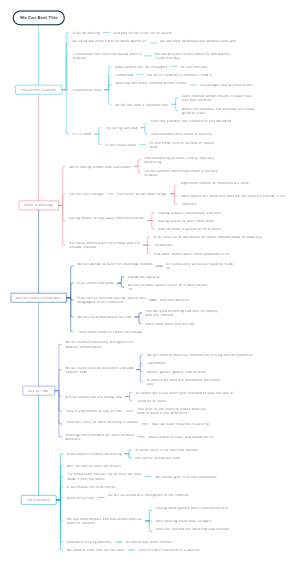
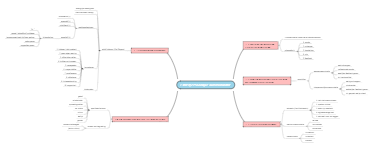
This is a mind map about William Bergers's "Detail Marketing", which mainly includes: advertising strategy points, market segmentation strategies, marketer responsibilities, marketing knowledge, looking at problems from the customer's perspective, Marketing can be developed and the basic marketing concept.
Edited at 2025-01-12 18:26:41
- Rumi 10 spiritual high-dimensional awakenings
Rumi: 10 dimensions of spiritual awakening. When you stop looking for yourself, you will find the entire universe because what you are looking for is also looking for you. Anything you do persevere every day can open a door to the depths of your spirit. In silence, I slipped into the secret realm, and I enjoyed everything to observe the magic around me, and didn't make any noise. Why do you like to crawl when you are born with wings? The soul has its own ears and can hear things that the mind cannot understand. Seek inward for the answer to everything, everything in the universe is in you. Lovers do not end up meeting somewhere, and there is no parting in this world. A wound is where light enters your heart.
- Pathophysiology - Heart failure
Chronic heart failure is not just a problem of the speed of heart rate! It is caused by the decrease in myocardial contraction and diastolic function, which leads to insufficient cardiac output, which in turn causes congestion in the pulmonary circulation and congestion in the systemic circulation. From causes, inducement to compensation mechanisms, the pathophysiological processes of heart failure are complex and diverse. By controlling edema, reducing the heart's front and afterload, improving cardiac comfort function, and preventing and treating basic causes, we can effectively respond to this challenge. Only by understanding the mechanisms and clinical manifestations of heart failure and mastering prevention and treatment strategies can we better protect heart health.
- Pathophysiology - ischemia - reperfusion injury
Ischemia-reperfusion injury is a phenomenon that cellular function and metabolic disorders and structural damage will worsen after organs or tissues restore blood supply. Its main mechanisms include increased free radical generation, calcium overload, and the role of microvascular and leukocytes. The heart and brain are common damaged organs, manifested as changes in myocardial metabolism and ultrastructural changes, decreased cardiac function, etc. Prevention and control measures include removing free radicals, reducing calcium overload, improving metabolism and controlling reperfusion conditions, such as low sodium, low temperature, low pressure, etc. Understanding these mechanisms can help develop effective treatment options and alleviate ischemic injury.
William Bergers - 《Detail Marketing》
- Rumi 10 spiritual high-dimensional awakenings
Rumi: 10 dimensions of spiritual awakening. When you stop looking for yourself, you will find the entire universe because what you are looking for is also looking for you. Anything you do persevere every day can open a door to the depths of your spirit. In silence, I slipped into the secret realm, and I enjoyed everything to observe the magic around me, and didn't make any noise. Why do you like to crawl when you are born with wings? The soul has its own ears and can hear things that the mind cannot understand. Seek inward for the answer to everything, everything in the universe is in you. Lovers do not end up meeting somewhere, and there is no parting in this world. A wound is where light enters your heart.
- Pathophysiology - Heart failure
Chronic heart failure is not just a problem of the speed of heart rate! It is caused by the decrease in myocardial contraction and diastolic function, which leads to insufficient cardiac output, which in turn causes congestion in the pulmonary circulation and congestion in the systemic circulation. From causes, inducement to compensation mechanisms, the pathophysiological processes of heart failure are complex and diverse. By controlling edema, reducing the heart's front and afterload, improving cardiac comfort function, and preventing and treating basic causes, we can effectively respond to this challenge. Only by understanding the mechanisms and clinical manifestations of heart failure and mastering prevention and treatment strategies can we better protect heart health.
- Pathophysiology - ischemia - reperfusion injury
Ischemia-reperfusion injury is a phenomenon that cellular function and metabolic disorders and structural damage will worsen after organs or tissues restore blood supply. Its main mechanisms include increased free radical generation, calcium overload, and the role of microvascular and leukocytes. The heart and brain are common damaged organs, manifested as changes in myocardial metabolism and ultrastructural changes, decreased cardiac function, etc. Prevention and control measures include removing free radicals, reducing calcium overload, improving metabolism and controlling reperfusion conditions, such as low sodium, low temperature, low pressure, etc. Understanding these mechanisms can help develop effective treatment options and alleviate ischemic injury.
- Recommended to you
- Outline




William Bergers
Basic marketing concept
4P and 4C
4P Theory Detailed Explanation
Product: Products are the core of marketing, covering product design, function, quality, packaging, brand and other aspects. Taking Apple iPhone as an example, its design is simple and fashionable, focusing on user experience, powerful and constantly innovative, such as facial recognition technology, high-pixel cameras, etc. Strictly control the quality and establish a good brand image. At the same time, the product is beautifully packaged and reflects a sense of high quality from the inside to the outside.
Channel: Channels determine how products reach consumers, including online e-commerce platforms, such as JD.com, Taobao, etc., as well as offline physical stores, such as Apple stores, operator business halls, etc. In addition, it also involves logistics distribution, warehousing and other links to ensure that the products can be delivered to consumers in a timely and accurate manner.
Price: Price setting requires comprehensive consideration of factors such as cost, market demand, competitive conditions and brand positioning. For example, the luxury brand Chanel has set higher prices with its high-end brand image and unique design technology to meet the needs of consumers who pursue quality and identity symbols; while some fast-moving consumer brands use the strategy of small profits but quick turnover to lower prices Prices attract mass consumers.
Promotion: Promotion includes advertising, sales promotion, public relations activities, personnel promotion and other means. For example, in the "Double 11" shopping festival of e-commerce, merchants attract consumers to purchase through sales promotion methods such as discounts, discounts, and gifts; companies will also enhance brand awareness and product sales by holding new product launches and participating in industry exhibitions; At the same time, sales staff communicate directly with customers, introduce product advantages, and promote sales transactions.
4C Theory Detailed Explanation
Customer: Being oriented towards customer needs, and have an in-depth understanding of customer's desires, needs, preferences, purchasing behaviors, etc. For example, cosmetic companies can understand the needs of customers of different age groups, skin types, and consumption levels through market research, and develop targeted products, such as oil control products for oily skin, gentle skin care products for sensitive skin, etc.
Cost: Cost not only includes product prices, but also covers the total cost during the customer's purchase and use process, such as time cost, energy cost, usage cost, maintenance cost, etc. Taking electric vehicles as an example, although the purchase price may be relatively high, during use, the charging cost is lower than the refueling cost, and maintenance is relatively simple. Enterprises need to clearly explain these cost advantages to customers during marketing.
Communication: Emphasizes two-way communication with customers and establishes good interactive relationships. Enterprises interact with customers through social media platforms, such as Weibo, WeChat official accounts, etc., and promptly respond to customers' inquiries, complaints and suggestions; conduct user surveys, collect customer feedback, and improve products and services according to customer needs.
Convenience: Focus on providing customers with convenient purchasing and user experience. For example, the takeaway platform integrates catering merchant resources to provide consumers with convenient food ordering services. Consumers only need to operate on their mobile phones to enjoy home delivery services; the online education platform allows students to learn courses through online anytime, anywhere, saving time and transportation costs.
An explanation of the relationship between the two
Interdependence: 4P theory starts from the company itself, focusing on products, channels, prices and promotional strategies; 4C theory starts from the customer's perspective, emphasizing customer needs, costs, communication and convenience. The formulation of 4P must be based on 4C. Only by deeply understanding customer needs (customers in 4C) can enterprises develop products that meet market needs (products in 4P); consider customer costs (costs in 4C) to formulate reasonable Price (price in 4P); focus on communicating with customers (communication in 4C), promotion (promotion in 4P) is more effective; provide convenience to customers (convenience in 4C), product sales channels (channels in 4P ) to be smoother.
Dynamic balance: In actual marketing, companies need to continuously adjust the relationship between 4P and 4C according to market changes and customer needs to seek dynamic balance. For example, with the development of mobile Internet, customers' purchasing habits have changed. Enterprises need to adjust their channel strategies (4P) in a timely manner, and pay more attention to communication with customers on mobile platforms (4C) to meet customers' convenient purchasing needs.
Marketing can be developed
The necessity of dedicated research and development
Innovation-driven: Marketing is like product research and development, and requires continuous innovation. With the intensification of market competition and the continuous changes in consumer demand, traditional marketing methods are gradually losing their effectiveness. Enterprises need professional marketing R&D personnel to explore new marketing concepts, strategies and methods. For example, the emerging marketing model of live streaming is the result of continuous attempts and innovations by marketers, and attracting consumers to purchase products through live display and interaction of anchors.
Resource integration: Marketing R&D personnel can integrate various resources, including market research data, industry trend analysis, competitor intelligence, etc., to provide support for enterprises to formulate effective marketing strategies. They are able to combine knowledge and experience in different fields to create unique marketing solutions.
Methods to integrate 4P and 4C
Product R&D stage: In the early stage of product R&D, fully investigate customer needs (customers in 4C) and integrate customer expectations and requirements into product design. For example, when developing new products, smart home appliance companies develop products (products in 4P) by collecting customers' needs for smart home functions, such as remote control, intelligent scene linkage, etc.
Pricing strategy formulation: When formulating prices, comprehensively consider cost factors (costs in 4C), including production costs, marketing costs, customer usage costs, etc., and at the same time, combining market demand and competitive conditions (prices in 4P), we will develop a good Prices that ensure that corporate profits can be accepted by customers. For example, when pricing, shared travel companies consider their customers' travel cost tolerance and the price level of similar products on the market, and formulate reasonable charging standards.
Channel selection and optimization: Guided by customer convenience (convenience in 4C), select the appropriate sales channel (channel in 4P). For example, in addition to selling products through traditional offline counters, cosmetics companies also open online official flagship stores and cooperate with e-commerce platforms to facilitate customers to purchase. At the same time, based on customer feedback, channel services are continuously optimized, such as improving the logistics speed of online shopping and improving the service quality of offline counters.
Promotion Planning: When planning promotions, focus on communication with customers (communication in 4C) to understand customers’ interests and purchasing motivation. For example, publish promotional information through social media platforms, interact with customers, answer customer questions, and increase participation and effectiveness of promotional activities (Promotions in 4P).
Key points of cross-departmental collaboration
Breaking departmental barriers: Marketing and R&D require the collaboration between various departments within the enterprise to break the barriers between departments. The product research and development department, sales department, marketing department, financial department, etc. should work closely together to form a joint force. For example, when developing a new electronic product, the product R&D department is responsible for the product technology R&D and design, the sales department provides market demand and customer feedback information, the marketing promotion department formulates promotion strategies, and the financial department provides financial support and cost accounting.
Clarify the division of responsibilities: During the cooperation process, each department should clarify its respective responsibilities and tasks to avoid shirk responsibility or repeated labor. At the same time, an effective communication mechanism is established, cross-departmental meetings are held regularly, information is shared, and work progress is coordinated. For example, in a new product launch project, it is clearly stipulated that the task of the product R&D department is to complete product R&D on time, the sales department is responsible for the expansion of product sales channels and customer connection, the marketing promotion department is responsible for formulating advertising and promotion plans, and each department is responsible for the plan Promote work in an orderly manner.
Attitude to failure
Tolerant failure: New marketing ideas and strategies may not necessarily succeed. Enterprises should create an atmosphere of tolerance for failure and allow marketing R&D personnel to try new methods and ideas. Learning lessons from failure will help companies continuously optimize their marketing strategies and improve their marketing effectiveness. For example, a company tried a new social media marketing campaign, but due to unreasonable event planning and low participation, the company adjusted its event planning and execution plan by analyzing the reasons for failure and achieved success in subsequent marketing campaigns.
Continuous improvement: regard failure as an opportunity for learning and growth, conduct in-depth analysis of failed marketing cases, find out the problems, and propose improvement measures. At the same time, marketing R&D personnel are encouraged to continue to innovate, try new marketing methods, and promote the continuous improvement of corporate marketing levels. For example, after analyzing the reasons for the failure of an ad placement, the company found that the ad placement channel was inappropriate, so it reevaluated the market and customer groups, chose more accurate advertising channels, and improved advertising effectiveness.
Looking at the problem from the customer perspective
How to practice
See the reality clearly
Simulate customer environment: Decorate offices like supermarkets, allowing employees to work in an environment similar to customers' shopping and experience the customer's shopping experience. For example, office furniture companies arrange offices into office scenes of different styles, such as open office areas, independent offices, etc., where employees work, and can intuitively discover problems in actual use of office furniture, such as whether the space layout is reasonable, tables How comfortable the chair is, etc., so as to better understand customer needs.
Observe customer behavior: By observing employee behavior in a simulated environment, it compares the behavior patterns of customers in actual shopping. For example, observe employees' attention, selection methods, residence time, etc. in simulated supermarkets, analyze customers' purchasing preferences and decision-making process, and provide a basis for companies to improve product display, promotion strategies, etc.
Contact ex-customer communication
Active communication: The company actively contacts former customers and learn about the reasons for their departure through phone calls, emails, questionnaires or face-to-face interviews. For example, a restaurant regularly visits former customers and asks why they no longer visit, whether the dishes taste bad, the service quality is poor, the price is too high, the environment is unsatisfactory, etc.
Collect opinions: Not only to understand why customers leave, but also to collect their suggestions and suggestions for improvements to products and services. For example, former customers may propose that they hope that the restaurant will add certain dishes, improve service processes, adjust prices, etc. The company will make improvements based on these opinions, which may re-attract customers.
Some of the employees come from customers
Unique Perspective: Recruiting people who were once corporate clients into the company, who, as their clients’ identities and experience, can discover problems and make suggestions from different angles. For example, software companies recruit customers who have used similar software as product testers. They can find problems that ordinary employees cannot detect from the perspective of user experience, such as whether the software operation interface is friendly and whether the functions are practical.
Customer demand delivery: These employees can convey customer needs and expectations more accurately to the company, promoting the improvement of products and services. For example, employees who were once customers of an e-commerce platform could provide feedback to the company on the problems encountered by customers during shopping, such as inconvenient product search function and untimely update of logistics information, to help companies optimize platform functions.
Involve customers in management
Product design participation: Invite customers to participate in the product design process and let customers put forward their own needs and ideas. For example, sports shoe brands invite professional athletes and sports enthusiasts to participate in the design of new sports shoes. They can make suggestions on the material, style, functions of the shoes based on their sports needs and wearing experience, so that the products are more in line with market demand.
Service Improvement Participation: In terms of service, let customers participate in improvement decisions. For example, if the hotel invites customers to participate in the optimization of the service process, customers can put forward suggestions for improvements in check-in registration, room service, catering services, etc., and the hotel will make adjustments based on these opinions to improve customer satisfaction.
Be your own client
Personal experience: Corporate employees personally experience their company's products and services, and feel the product usage process and service quality from the customer's perspective. For example, hotel employees stay in their hotel as ordinary guests to experience the accommodation environment, catering services, reception desk and other aspects, and find problems such as whether the room facilities are intact, whether the breakfast taste meets the needs, and whether the service attitude is enthusiastic.
Discover problems and improvements: Through personal experience, employees can discover problems in a timely manner and feedback them to relevant departments for improvements. For example, employees found that the network speed of hotel rooms was slower and fed back the problem to the technical department, which upgraded the network to improve the customer's stay experience.
Be a competitor's customer
Understand the advantages of competitors: Corporate employees purchase and use competitors’ products and services, and gain an in-depth understanding of competitors’ advantages and characteristics. For example, employees of a milk tea shop often go to competitors’ stores to buy milk tea, analyze the advantages of its product taste, price, packaging, store decoration, etc., and find out the gap between themselves and competitors.
Learn and learn from: Based on your understanding of your competitors, learn and learn from their successes and improve your own products and services. For example, milk tea shops found that the competitor's milk tea packaging design was exquisite and attracted consumers, so they learned from their packaging design concepts to improve their own product packaging and enhance their product attractiveness.
Customer Satisfaction
The relationship between profit and satisfaction
Profit Maximization Goal: The company's primary goal is to maximize profits. Customer satisfaction is an important means to achieve this goal, but it is not the only goal. Enterprises need to find a balance between customer satisfaction and cost and profit. For example, in order to improve customer satisfaction, enterprises may increase their after-sales service investment. If the investment is too large, the cost will be too high and the profit will decline, which is not in line with the company's business goals.
The role of satisfaction: High customer satisfaction helps improve customer loyalty and increase the probability of repeated purchases by customers. At the same time, it can attract new customers through word-of-mouth communication, thereby promoting corporate profit growth. For example, Haidilao has won high satisfaction from customers with its high-quality service. Customers not only visit themselves frequently, but also recommend it to people around them, which continuously expands Haidilao's market share and continues to grow profits.
Strategies for moderate satisfaction
Balance input and output: Enterprises do not need to pursue absolute maximization of customer satisfaction, but to find a moderate level of satisfaction, at this level, it can ensure that customers will not choose competitors' products or services, but also To optimize the input-output ratio of the enterprise. For example, airlines improve customer satisfaction by optimizing flight services, such as providing more comfortable seats, delicious meals, high-quality air service, etc., but will not over-pursuing extreme services and significantly increase costs, such as over-luxury Seats lead to excessive air ticket prices, affecting market competitiveness.
Focus on key factors: Enterprises should analyze key factors that affect customer satisfaction and improve and improve these factors. For example, for online shopping platforms, logistics speed and product quality are key factors affecting customer satisfaction. The platform improves customer satisfaction by optimizing the logistics distribution system and strengthening product quality control, while avoiding excessive investment in some non-critical factors. .
Marketing knowledge
Characteristics of human nature
Everyone hates losing their psychological application
The principle of loss aversion: In marketing, the use of the mentality of everyone's hatred of losing is to emphasize what customers will lose without purchasing products, which can stimulate customers' desire to buy more than emphasizing what they can get by purchasing products. For example, when promoting insurance products, it is emphasized that not purchasing insurance may face huge economic losses when an accident occurs. For example, the cost of treating major diseases is high. Without insurance, it will put a heavy burden on the family, thereby prompting customers to purchase insurance.
Comparison strategy: By comparing the results of buying and not buying, customers can more clearly recognize the losses of not buying. For example, when promoting a financial product, compare the income difference between purchasing the financial product and storing money in a bank current account, highlighting that not purchasing financial products will lose higher returns and attract customers to purchase.
Distraction and sadness effects
Distracted deal: When a customer's attention is distracted, his rational computing power will decrease and it is easier to make purchasing decisions. For example, malls distract customers by playing cheerful music, arranging attractive displays, and holding promotional activities, making it easier for customers to make impulsive purchases when shopping. In addition, when communicating with customers, sales personnel cleverly divert customers' attention and guide customers to pay attention to the advantages of the product, which also helps to facilitate transactions.
Sorrowful Emotion Impact: Some marketing activities motivate customers to donate to charity causes or purchase related products by arousing their grief. For example, public service advertisements show the hard life of children in poor areas, arouse people's compassion and sadness, and prompt them to donate to poor children or purchase public welfare products. If you purchase a certain brand of public welfare joint products, part of the sales will be used to help poor children. .
Sales Tips
Sales strategy for opposite sex
Psychological advantages: Sending sales personnel of the opposite sex to contact customers and taking advantage of the mentality of attracting each other, it may be easier to get closer to customers and establish a good communication relationship. For example, in car sales, for male customers, female sales staff are arranged to introduce the vehicle. The female affinity and delicate communication methods may make it easier for male customers to accept product introductions and improve sales success rate.
Personalized service: Sales personnel of the opposite sex can understand customer needs from different perspectives and provide more personalized services. For example, after understanding the performance, appearance and other needs of male customers, female sales personnel can make some unique suggestions from the perspective of women's aesthetics and use, such as the matching of interior decoration, the convenience of vehicle handling, etc., to increase the product's Attractive.
Beautiful effect application
Attract attention: Use the image of a beautiful woman to attract male customers and reduce their rational calculation ability. For example, car models at the auto show can attract the attention of many male consumers, making them more willing to stay in front of the booth, understand vehicle information, and increase the exposure and product appeal of car brands.
Emotional Resonance: The image of a beauty can not only attract attention, but also trigger emotional resonance among male customers. For example, the use of beauty and car combinations in car advertisements creates a fashionable and high-end atmosphere, allowing male customers to emotionally connect with the product, believing that buying the car can improve their image and quality of life.
The principle of small first and big first
Reciprocal Psychological Utilization: First ask the customer to do a small favor, such as filling out a simple questionnaire, following a social media account, etc., and then make a larger request, such as purchasing a product. This takes advantage of the customer's reciprocity mentality. When the customer helps a little, he will feel obliged to respond to subsequent requests, thereby increasing the transaction probability. For example, a salesman first asks the customer to give advice to the product, and then recommends the product to it, so the customer is more likely to buy it.
Gradually guide: gradually guide customers into the purchase state through requests that are smaller first and then larger. For example, an e-commerce platform first invites users to participate in a free trial event, and after the trial, the user recommends to them to purchase products. At this time, the user has already had a certain product experience and will have a higher purchasing intention.
Marketer's Responsibilities
Create customers
The meaning of creating quality customers
Improve competitive advantage: One of the core responsibilities of marketers is to create excellent customers, and customer quality directly affects the company's competitive advantage. High-quality customers not only buy frequently, but also have high loyalty to products or services. They are willing to pay higher prices for brands and will actively spread word-of-mouth for brands to attract more potential customers. For example, Apple has a large number of loyal customers who not only buy Apple's various products themselves, but also recommend them to people around them, making Apple always the leader in the smartphone market and other fields.
Promote corporate development: The needs and feedback from high-quality customers can encourage companies to continuously improve their products and services and promote corporate innovation and development. For example, Tesla’s customers have high requirements and expectations for the performance of electric vehicles, intelligent driving, etc. According to customer feedback, Tesla continues to develop new technologies to improve product performance, thereby occupying a leading position in the new energy vehicle industry.
The timing to improve the quality of customer portfolio
Strategies when supply is in short supply: When the supply of products is in short supply, the company is in a market advantage, and this is a golden opportunity to improve the quality and value of customer portfolios. Enterprises can selectively screen customers and give priority to meeting the needs of high-quality customers who make great contributions to corporate profits, are highly loyal and have long-term cooperation potential. For example, during a period of tight supply of high-end chips, chip manufacturing companies will give priority to ensuring long-term and stable and large-scale customer orders with large technology companies and well-known mobile phone manufacturers, ensuring stable supply of these high-quality customers and further consolidating the cooperative relationship.
Resource allocation optimization: When the product supply is in short supply, enterprises reasonably allocate limited resources and provide more products or services to high-quality customers, which can not only improve customer satisfaction, but also optimize customer structure. For example, when a limited edition sports shoe brand is in short supply, it reserves a certain proportion of products for senior members in its membership system, and gives priority to shipments, improving the experience and loyalty of senior members, and also attracting more ordinary customers to Premium membership conversion.
Customer relationship upgrade: Taking advantage of the opportunity of product supply in short supply, enterprises can further deepen cooperation with high-quality customers, expand their business areas, and enhance their lifetime value. For example, when product demand is strong, software service providers provide high-quality customers with customized functional module development, exclusive technical support team and other value-added services, strengthen binding with customers, and enhance customers' dependence and contribution to the enterprise.
Manage the market
Understand the importance of customers
Basics of Precision Marketing: Marketers have a deep understanding of their customers and competitors’ customers, which is the basis for formulating accurate marketing strategies. By collecting and analyzing customer data, including customer basic information, purchasing behavior, preferences, consumption habits, etc., companies can clearly outline customer portraits, thereby developing products, setting prices, selecting channels and carrying out promotional activities in a targeted manner. For example, e-commerce platforms analyze users' browsing history, purchase records and other data to accurately push products that meet their interests to users, improving marketing effectiveness and customer purchase conversion rates.
Competitive response strategy: Understanding competitors’ customers helps companies discover market opportunities and competitive advantages. By analyzing the dissatisfactions and unmet needs of competitor customers, companies can optimize their products and services in a targeted manner to attract competitor customers. For example, a traditional fast food brand found that the competitor's young customer group's demand for healthy diet was not fully met, so it launched a series of healthy light food packages, which successfully attracted some competitor's young customers.
Key points for managing eight forces
Barriers of entry: Enterprises should strive to build and maintain barriers of entry and protect their own market share and profit margins. This can be achieved through patent technology, brand building, economies of scale, government policies, etc. For example, pharmaceutical companies have prevented other companies from producing the same drugs during the patent protection period by developing new drugs and applying for patents, forming a high barrier to entry; some well-known brands have accumulated deep brand loyalty through years of brand building and marketing promotion. New entrants find it difficult to break through their brand barriers in the short term.
Existing competition: Analyzing the product characteristics, price strategies, market share, marketing strategies, etc. of existing competitors will help companies formulate effective competitive strategies. Enterprises can highlight the unique advantages of their own products or services through differentiated competition; they can also reduce costs while ensuring quality through cost leadership strategies and gain market share with price advantages. For example, in the smartphone market, Apple has formed differentiated competition with other Android mobile phone brands with its unique operating system and high-end brand image; while Xiaomi has optimized supply chain management and cost control, and has occupied the market with cost-effective products through optimized supply chain management and cost control. A place.
Alternatives: Pay close attention to the development trends of other products or services that may replace the company's products or services. For example, with the rise of online video platforms, traditional cable TV services are facing the threat of being replaced. Cable TV operators need to pay attention to the development trends of online video and cope with the competition for alternatives by launching integrated video services, improving content quality and user experience.
Buyer Power: Understanding the buyer’s bargaining power is crucial to corporate pricing and cooperation strategies. If the buyer has a high concentration, large purchase volume, and serious product homogeneity, the buyer has a strong bargaining power. Enterprises can reduce the buyer's bargaining power by providing differentiated products and establishing long-term cooperative relationships. For example, when facing a few large auto manufacturers, due to the high concentration of buyers and strong bargaining power, suppliers can develop unique parts technology to improve product differentiation and enhance their own cooperation. Right to speak.
Seller's strength: Analyze the supplier's bargaining power, and enterprises must ensure the stability and cost rationality of raw materials and other supply. If the number of suppliers is limited and the product is unique, its bargaining power is strong. Enterprises can reduce their dependence on a single supplier and improve their bargaining power by establishing cooperative relationships with multiple suppliers and participating in supplier research and development. For example, in order to reduce dependence on chip suppliers, electronic manufacturing companies will cooperate with multiple chip manufacturers and increase their investment in chip research and development.
Industry growth rate: The industry growth rate affects the company's market opportunities and competitive strategies. In a rapidly growing industry, enterprises can quickly seize market share by expanding production scale and expanding market channels; while in a slow-growing industry, enterprises need to find new growth points through innovation and differentiation. For example, in the rapid growth stage of the new energy vehicle industry, major auto companies have increased their production capacity construction and market promotion; while in the case of slowing growth in the traditional fuel vehicle industry, some companies may launch intelligent development by developing new energy vehicle business to seek breakthroughs in automotive products.
Complementary products: Pay attention to the development of complementary products. Enterprises can achieve coordinated development by cooperating with complementary products manufacturers. For example, smartphones and mobile applications are complementary products. Mobile phone manufacturers and application developers work together to create a rich application ecosystem to enhance the attractiveness and user experience of the products.
Uncertainty: There are various uncertain factors in the market, such as policy changes, technological changes, economic fluctuations, etc. Enterprises should establish a flexible market response mechanism, strengthen market monitoring and analysis, adjust strategies in a timely manner, and reduce risks brought about by uncertainty. For example, in the context of increasingly strict environmental protection policies, highly polluting enterprises need to adjust their production processes and product structures in a timely manner to adapt to policy changes.
Market segmentation strategy
Customer Classification
Loyalty to customers
Characteristics: Highly recognized the company's products or services, has a high repeat purchase rate, is willing to pay a higher price for the brand, and will actively recommend the company's products or services to others. For example, some of Starbucks’ loyal customers not only visit to buy coffee every day, but also actively participate in Starbucks membership activities, and recommend Starbucks’ new products and unique coffee culture to their friends.
Maintenance strategy: Enterprises should provide special treatment and exclusive services to loyal customers, such as double member points, priority participation in new product experience activities, exclusive customer service, etc., to further enhance their loyalty. For example, airlines provide frequent flyers with privileges such as first-class lounge access, additional luggage checkouts, etc. to consolidate their relationship with loyal customers.
Brand converter who is favorable
Reason for conversion: This type of customer originally purchased competitor's products or services, but because the company's products have certain advantages, such as more favorable prices, more powerful functions, better quality, and better service, they are attracted to buy the company. products. For example, a brand launched a smartphone with a higher cost-effectiveness, which has higher configuration and better photo-taking functions than competitors' products at the same price, attracting some customers who originally purchased competitor products.
Attraction strategy: Companies should highlight the advantages of their own products or services, and convey product information to such customers through advertising, promotional activities, etc. to attract them to purchase. For example, through the unique selling points of online and offline advertising products, we will carry out limited-time discounts, gifts and other promotional activities to attract brand converters to try to purchase the company's products.
Brand converters who are unfavorable
Reason for loss: It may be that competitors have launched products or services that are more in line with their needs, or that the company has problems in product quality, service level, price, etc., causing customers to turn to competitors. For example, some customers of a cosmetics brand choose to buy competitors' products because their competitors have launched products that are more suitable for their skin types and are more competitive in prices.
Recovery strategy: Enterprises should promptly understand the causes of customer churn and try to recover such customers by improving products and services, providing personalized offers or solutions. For example, companies conduct return visits to lost customers, understand the reasons for their loss, improve on the problems raised by customers, and provide customers with exclusive coupons or customized product recommendations, striving to get customers back.
Loyal customers of competitors
Feature analysis: Highly loyal to competitors’ products or services, strong sense of identity and belonging to the brand, and a low willingness to replace the brand. For example, loyal customers of Huawei mobile phones highly recognize the technical strength, product quality and after-sales service of Huawei brands, and generally do not easily replace mobile phones from other brands.
Strategy for striving: Companies should gradually break the psychological defense of competitors' loyal customers by providing unique value propositions and innovative products or services. For example, launch innovative product features to meet customers' unmet needs, or provide better after-sales service, improve customer experience, attract competitor loyal customers to pay attention and try to purchase the company's products.
People who don't use this kind of product
Potential exploration: This is a potential customer group who has not used this type of product yet, which may be due to lack of understanding of the product, unaware of the value of the product, or the presence of use disorders. For example, some middle-aged and elderly people are not familiar with the functions and usage methods of smartphones, so they rarely use smartphones.
Conversion strategy: Enterprises need to convert these potential customers into actual customers through market education, simplifying product usage processes, and providing personalized solutions. For example, smartphone manufacturers have launched simple operation and large-font display mobile phones for middle-aged and elderly people, and carry out offline training activities to help middle-aged and elderly people understand and use smartphones, thereby converting them into smartphone users.
Subdivision method
R&D exclusive market segment
Market Insight: Companies should study market demand in depth and discover market segment opportunities that have not been fully met or are not paid attention to. This requires companies to conduct a lot of market research to analyze consumer demand differences, behavioral patterns, consumption trends, etc. For example, as people's health awareness increases, some companies have discovered low-sugar, low-calorie, and no additives in healthy food segments, and have developed a series of foods that meet health needs in this market.
Differentiated positioning: After determining the market segment, enterprises should establish differentiated competitive advantages in the market segment through unique product design, brand positioning, marketing strategies, etc., and become leaders in the market segment. For example, a sports brand focuses on the female sports equipment segment, designs fashionable, comfortable and functional sports clothing and equipment based on women's physical characteristics and aesthetic needs, and occupies a leading position in the female sports equipment market.
Competing customer strategy
Bad customer evaluation: In a fiercely competitive market environment, companies must evaluate customers and identify so-called "bad customers" such as low contributions to corporate profits, excessive requirements, frequent complaints, and poor credit. For example, some customers may be bad customers if they frequently return products, complain maliciously, or purchase small amounts but require special customized services, resulting in increased operating costs of the company.
Customer replacement decision: Enterprises can consider giving up bad customers, focusing their resources on high-quality customers, or finding better customers to replace them through market expansion. For example, after evaluation, a bank has cleared out some credit card customers with long-term arrears, poor credit records and low contributions, and at the same time, it has increased its efforts to expand high-quality corporate customers and high-net-worth individual customers, optimized the customer structure, and improved the overall profits level.
Pay attention to lost customers
The importance of losing customers
Market potential exploration: Former customers are an important market segment. They once had a certain understanding and experience of the company's products or services. The cost of regaining them may be lower than developing new customers. Moreover, if the lost customers are successfully recovered, their loyalty may be higher, because the company solves the problems they have encountered before, which will make them feel more trustworthy in the company. For example, an e-commerce platform analyzed the data of lost customers and found that some customers left due to slow logistics distribution. After the platform optimized the logistics distribution service, it attracted these customers again, and the purchase frequency and consumption amount of these customers have increased.
Corporate value enhancement: Customer churn rate is reduced by half, and company value may increase significantly. Reducing the churn rate can not only increase the company's revenue, but also reduce the costs caused by customer churn, such as marketing costs, customer acquisition costs, etc. For example, a software service company has reduced the customer churn rate by improving the quality of customer service, which has led to a steady growth in the company's operating income, and the market valuation has also been improved.
Stay in touch with customers
Continuous communication mechanism: Enterprises should maintain regular communication with lost customers, and send them personalized information through email, text messages, social media and other channels, such as product update information, exclusive promotional activities, corporate dynamics, etc., so that lost customers can feel the company. attention. For example, a clothing brand regularly sends new product recommendation emails and exclusive coupons to lost customers to attract their attention and purchases again.
Analyze the causes of churn: In-depth analysis of the causes of customer churn and develop personalized solutions for different reasons. If it is a product quality issue, the company should improve product quality; if it is a service attitude issue, it should strengthen employee training and improve service level. For example, a hotel learned that some customers were no longer visiting room hygiene problems by visiting lost customers by returning to the hotel. The hotel strengthened room hygiene management and won the trust of customers again.
High viscosity customer relationship design: Design high viscosity customer relationships, such as establishing a membership system, providing personalized services, carrying out customer community activities, etc., to increase the interaction and stickiness between customers and enterprises, retain existing customers, and prevent them from losing. For example, the online education platform provides members with exclusive learning plans and one-on-one tutoring services, and holds online learning and exchange activities to enhance members' sense of belonging and loyalty and reduce customer churn.
Key points of advertising strategy
Advertising evaluation
Misconceptions about evaluating candidates
Limitations of manager perspective: When evaluating advertising effectiveness, many companies often start from the manager's own experience, preferences and positions. Managers may be unable to accurately judge the attractiveness of advertising to potential customers due to limited actual contact with the market and customers. . For example, a cosmetics ad targeting young fashion groups, corporate managers believe that the color and design in the ad are creative, but the target customer group (young fashion people) may feel that the advertising style is too conservative and lacks fashion and appeal.
The key to the lead perspective: Leaders are the direct audience of advertisements, and their feedback and evaluations are the key to evaluating the effectiveness of advertising. Only by understanding their perception, feelings and reactions to advertisements from the perspective of potential customers can we accurately judge whether the advertisement can effectively convey product information and stimulate the desire to buy. For example, by inviting potential customers to participate in ad testing activities and collecting their opinions and suggestions on ads, you can better evaluate the effectiveness of ads.
The importance of experiments
Cost saving: Conduct small-scale experiments before advertising, such as conducting advertising trial broadcasts in local areas, inviting target customer groups to participate in focus group discussions, etc., to discover problems in the advertisement in advance, such as unclear advertising information and unattractive advertising format. etc., make timely adjustments and optimizations to avoid problems only after large-scale delivery, thereby saving a lot of advertising costs. For example, before launching a new flavored beverage, a certain beverage brand conducts trial advertising in some cities, adjusting advertising strategies and product tastes based on consumer feedback, avoiding the cost and waste of ineffective advertising nationwide.
Improve the effect: Through experiments, companies can test the impact of different advertising creativity, delivery channels, delivery time and other factors on advertising effectiveness, find the best advertising combination, and improve the advertising delivery effect. For example, before advertising, an e-commerce company conducts small-scale tests on different social media platforms and different time periods, analyzes the advertising click-through rate, conversion rate and other indicators under different combinations, and finally determines the best advertising delivery plan. , improves the ROI of advertising.
Advertising elements
The influence of brand awareness and attitude
Strategies when there is low popularity: When the brand is low, the focus of advertising should be on improving brand exposure and allowing more potential customers to understand the brand and products. Advertising content can focus on introducing the basic information of the brand, the functional characteristics and advantages of the product, etc. For example, newly established brands can expand their brand awareness by placing advertisements on popular media platforms, participating in industry exhibitions, and holding new product launches.
Strategies when attitude is poor: If the brand attitude is poor, that is, the customer has a negative impression of the brand, and advertising should focus on improving the brand image. Advertising can emphasize the brand's values, corporate social responsibility, product quality improvement measures, etc., and reshape the brand's image in the hearts of customers. For example, after a company is questioned by consumers due to product quality issues, it gradually improves its brand attitude through advertising its strict quality control system, commitment to consumers, etc.
Different quadrant advertising features
Quadrant 1 (low popularity and unclear attitude): Advertising should focus on dialogue with customers and clearly introduce products and brands. Using concise and clear language and intuitive expressions, customers can quickly understand the value of the product and the uniqueness of the brand. For example, through TV advertising, online video advertising, etc., the functions, usage methods and advantages of the product are introduced in detail to attract customers' attention.
Quadrant 2 (low popularity but good attitude): In this quadrant, emotional authenticity is very important in advertising. Advertising can attract customers by telling brand stories and building emotional resonance with customers. For example, a niche literary and artistic brand tells the entrepreneurial stories behind the brand and the pursuit of art in advertisements, which arouses emotional resonance among target customers and enhances brand awareness.
Quadrant 3 (high popularity but poor attitude): Advertising needs to focus on solving the problems of brand image repair and customer trust reconstruction. You can regain the trust of customers by showing company improvement measures, data on improving customer satisfaction, etc. For example, after a car brand is damaged due to safety issues, it promotes its investment and achievements in safety technology research and development through advertising, as well as customers' praise for improved products, and improves its brand attitude.
Quadrant 4 (high popularity and good attitude): Advertising can focus on brand differentiation and personalization, highlight the differences between the brand and its competitors, and strengthen the brand's unique position in the hearts of customers. For example, Apple's advertising, while its brand awareness and brand attitude are high, still consolidates its leading position in the high-end smartphone market by emphasizing the advantages of product innovation, design sense and user experience.