MindMap Gallery Detailed Guide to SWOT Analysis Methods
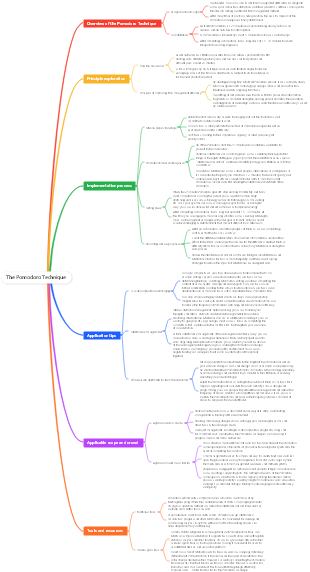
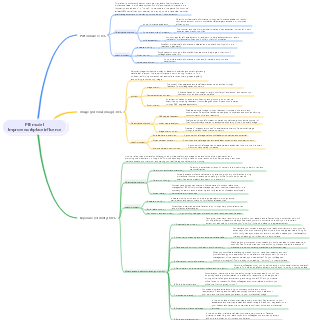
This is a mind map about the detailed guide to SWOT analysis. The main contents include: Threats analysis, strategy development, Opportunities analysis, Weaknesses analysis, Strengths analysis, collecting relevant information, and clarifying the analysis goals and scope.
Edited at 2025-02-27 21:55:16Rumi: 10 dimensions of spiritual awakening. When you stop looking for yourself, you will find the entire universe because what you are looking for is also looking for you. Anything you do persevere every day can open a door to the depths of your spirit. In silence, I slipped into the secret realm, and I enjoyed everything to observe the magic around me, and didn't make any noise. Why do you like to crawl when you are born with wings? The soul has its own ears and can hear things that the mind cannot understand. Seek inward for the answer to everything, everything in the universe is in you. Lovers do not end up meeting somewhere, and there is no parting in this world. A wound is where light enters your heart.
Chronic heart failure is not just a problem of the speed of heart rate! It is caused by the decrease in myocardial contraction and diastolic function, which leads to insufficient cardiac output, which in turn causes congestion in the pulmonary circulation and congestion in the systemic circulation. From causes, inducement to compensation mechanisms, the pathophysiological processes of heart failure are complex and diverse. By controlling edema, reducing the heart's front and afterload, improving cardiac comfort function, and preventing and treating basic causes, we can effectively respond to this challenge. Only by understanding the mechanisms and clinical manifestations of heart failure and mastering prevention and treatment strategies can we better protect heart health.
Ischemia-reperfusion injury is a phenomenon that cellular function and metabolic disorders and structural damage will worsen after organs or tissues restore blood supply. Its main mechanisms include increased free radical generation, calcium overload, and the role of microvascular and leukocytes. The heart and brain are common damaged organs, manifested as changes in myocardial metabolism and ultrastructural changes, decreased cardiac function, etc. Prevention and control measures include removing free radicals, reducing calcium overload, improving metabolism and controlling reperfusion conditions, such as low sodium, low temperature, low pressure, etc. Understanding these mechanisms can help develop effective treatment options and alleviate ischemic injury.
Rumi: 10 dimensions of spiritual awakening. When you stop looking for yourself, you will find the entire universe because what you are looking for is also looking for you. Anything you do persevere every day can open a door to the depths of your spirit. In silence, I slipped into the secret realm, and I enjoyed everything to observe the magic around me, and didn't make any noise. Why do you like to crawl when you are born with wings? The soul has its own ears and can hear things that the mind cannot understand. Seek inward for the answer to everything, everything in the universe is in you. Lovers do not end up meeting somewhere, and there is no parting in this world. A wound is where light enters your heart.
Chronic heart failure is not just a problem of the speed of heart rate! It is caused by the decrease in myocardial contraction and diastolic function, which leads to insufficient cardiac output, which in turn causes congestion in the pulmonary circulation and congestion in the systemic circulation. From causes, inducement to compensation mechanisms, the pathophysiological processes of heart failure are complex and diverse. By controlling edema, reducing the heart's front and afterload, improving cardiac comfort function, and preventing and treating basic causes, we can effectively respond to this challenge. Only by understanding the mechanisms and clinical manifestations of heart failure and mastering prevention and treatment strategies can we better protect heart health.
Ischemia-reperfusion injury is a phenomenon that cellular function and metabolic disorders and structural damage will worsen after organs or tissues restore blood supply. Its main mechanisms include increased free radical generation, calcium overload, and the role of microvascular and leukocytes. The heart and brain are common damaged organs, manifested as changes in myocardial metabolism and ultrastructural changes, decreased cardiac function, etc. Prevention and control measures include removing free radicals, reducing calcium overload, improving metabolism and controlling reperfusion conditions, such as low sodium, low temperature, low pressure, etc. Understanding these mechanisms can help develop effective treatment options and alleviate ischemic injury.
Detailed Guide to SWOT Analysis Methods
Clarify the analysis objectives and scope
Determine the analysis object: First of all, you must accurately define the subject you want to analyze, which can be personal career development plan, a business segment of a company, a specific project, or even the entire industry. For example, you want to analyze whether you are suitable for transforming from a traditional media reporter to a new media operation, or analyze the operating conditions of a catering company under the current market environment, or analyze the future development trend of the shared travel industry, etc.
Define the scope of analysis: clarify the specific areas covered by the analysis. Taking the enterprise as an example, should it analyze its overall operations or only focus on specific departments such as marketing, production and manufacturing. For individuals, should we fully evaluate professional skills or focus only on performance in a certain project.
Collect relevant information
Internal information collection
For individuals: review past work results, project experience, rewards received, feedback and evaluations from others, etc., and understand your own skill level, knowledge reserves, personality characteristics, etc. For example, you have led successful marketing activities, which shows that you have project management and marketing planning skills; you are cheerful and good at communicating with others, which is an advantage in interpersonal communication. At the same time, reflect on the difficulties and skills shortcomings you encounter in your work, such as being unable to be good at data analysis, which is the possible disadvantages.
For enterprises: collect financial statements to understand financial status, review production records to evaluate production efficiency, analyze employee performance and understand team capabilities. For example, an enterprise has advanced production equipment, which is an advantage in production; and a high employee turnover rate may be a disadvantage in human resource management.
External information collection
Pay attention to industry reports: Reports released by industry research institutions can provide information on industry scale, growth trends, competitive landscapes and other information. For example, the research report shows that the smart home industry is growing at a double-digit rate every year, which is an important opportunity signal for smart home companies; at the same time, if the report points out that new entrants in the industry are increasing and competition is intensifying, this is a threat.
Interpretation of policies and regulations: The policies issued by the government have a huge impact on enterprises and industries. For example, in the new energy vehicle industry, the state provides car purchase subsidies and tax preferential policies, which brings development opportunities for new energy vehicle companies; and environmental protection policies put forward stricter emission standards for chemical companies, which may pose a threat to the development of chemical companies.
Consumer research and market dynamic tracking: Understand changes in consumer demand through questionnaires, interviews, etc. If consumers' demand for healthy and low-sugar foods increases, if food companies can capture this information in a timely manner and develop related products, they can seize market opportunities; on the contrary, if this trend is ignored, they may face the threat of market share being seized by competitors.
Strengths analysis
Deeply explore advantages
Personal level: In addition to professional skills, you can also find advantages in soft skills such as communication skills, learning skills, and adaptability. For example, if you can quickly learn new knowledge and apply it to your work, this is a strong learning and transformation ability advantage; if you are good at establishing good cooperative relationships with people of different personalities, this is an advantage of interpersonal communication and teamwork.
Corporate level: Analyze from multiple angles such as the uniqueness of products or services, cost advantages, brand influence, and innovation capabilities. For example, companies have exclusive patented technology, making their products far exceed their competitors in performance; by optimizing supply chain management, they have achieved cost leadership; brands have a high reputation and loyalty in the hearts of consumers, which are all significant advantages of companies.
Advantage Assessment: A assessment of the importance and sustainability of identified advantages. Advantages with high importance and strong sustainability, such as the core patented technologies owned by the enterprise, are the core competitiveness of the enterprise and should be strengthened and utilized; while some relatively short-term or less critical advantages, such as occasional temporary government subsidies, can be appropriately reduced in the analysis.
Weaknesses analysis
Comprehensively sort out disadvantages
Personal level: Not only do you pay attention to the lack of skills, but you also need to consider the impact of personality weaknesses on career development. For example, you are too introverted and may perform poorly in work scenarios where frequent public speeches are required; poor time management skills lead to frequent delays in work tasks, which are disadvantages that require improvement.
Enterprise level: covers aspects such as inefficient management, shortage of funds, small market share, and unstable product quality. For example, the internal management process of the enterprise is cumbersome and the decision-making is slow, which affects the speed of business response; insufficient funds limit R&D investment and market expansion, and these disadvantages all restrict the development of the enterprise.
Analysis of the causes of disadvantages: In-depth exploration of the causes of disadvantages in order to formulate targeted improvement measures. For example, the unstable product quality of an enterprise may be due to aging production equipment and raw material supply problems, or the incomplete quality control system. Only after clarifying the reasons can the problem be solved in a targeted manner.
Opportunities Analysis
Macro-environmental opportunities
Economic environment: Economic growth brings about an increase in consumer purchasing power, creating opportunities for high-end consumer goods companies; the rise of emerging economies provides new market expansion space for multinational companies.
Social environment: Changes in population structure and changes in consumption concepts bring new market demand. For example, if the population aging intensifies, the elderly care industry ushers in development opportunities; consumers' favor for environmentally friendly products has promoted the development of green industries.
Technology environment: The emergence of new technologies often leads to new business models and market demand. For example, the development of artificial intelligence technology has brought broad development opportunities to industries such as intelligent customer service and intelligent security.
Industry and market opportunities
Industry growth: In an industry in an upward period, the market capacity continues to expand, and companies have more opportunities to gain market share. For example, with the popularity of the short video industry, related content creation, marketing and promotion businesses have ushered in explosive growth.
Market gap: Unmet market demand or market segments provide enterprises with differentiated competitive opportunities. For example, the professional sports equipment market targeting specific sports groups may currently have relatively little competition and there are development opportunities.
Threats analysis
Macro threats
Changes in policies and regulations: The introduction of new laws and regulations may have a significant impact on certain industries. For example, the stricter environmental protection policies have brought production and operation pressure to high-pollution enterprises; adjustments in tax policies may affect the profit margins of enterprises.
Economic crisis or instability: Global economic recession or regional economic fluctuations have led to a decline in consumer confidence and weakening purchasing power, posing a threat to consumer companies.
Social emergencies: such as epidemics, natural disasters, etc., will disrupt the normal production and operation rhythm of enterprises and change the behavioral patterns of consumers. For example, during the epidemic, offline physical retail, tourism and other industries suffered heavy blows.
Industry competition threat
Competitor dynamics: Competitors launch more competitive products or services that may seize the company's market share. For example, in the smartphone market, competitors release mobile phones with innovative functions may lead to a decline in sales of our company's products.
New entrant threats: New companies entering the industry may bring new competitive pressure, especially in industries with low technical thresholds and good market prospects. For example, in the sharing economy field, new entrants are constantly pouring in, intensifying market competition.
Alternative Threat: The possibility of alternatives to the product or service of this company by other products or services. For example, the development of online conference software poses a threat to the traditional offline exhibition industry.
Develop a strategy
SO strategy (Give full play to your strengths and take advantage of opportunities)
Personal Application: If you have an advantage in data analysis (S) and your industry has a growing demand for data-driven decision-making (O), you can strive to participate in company data-related projects to improve your value in the company, and may also gain promotion opportunities.
Enterprise applications: Enterprises have strong R&D capabilities (S), and the market demand for new technology products is strong (O). Enterprises should increase R&D investment, quickly launch innovative products, and seize market share.
WO strategy (overcome disadvantages and take advantage of opportunities)
Personal application: You lack project management experience (W), but there are many opportunities for project launch within the company (O). You can actively apply for participating in the project, learn project management knowledge in practice, and improve your abilities in this area.
Enterprise applications: The company's market share is small (W), but the industry is in a stage of rapid growth (O). Enterprises can increase market share by strengthening marketing investment, expanding sales channels, and taking advantage of industry growth opportunities.
ST strategy (leverage advantages to deal with threats)
Personal application: You have strong communication skills (S), but your industry is highly competitive and your talent flow is frequent (T). You can establish close relationships with team members through good communication, enhance team cohesion, stabilize the team, and enhance your position in the team.
Enterprise applications: Enterprises have a high brand awareness (S), but competitors launch low-priced products to seize the market (T). Enterprises can take advantage of their brand advantages, emphasize product quality and brand value, carry out differentiated competition, and resist the price impact of competitors.
WT strategy (reduce disadvantages and avoid threats)
Personal application: Your professional skills are not comprehensive enough (W), and the industry technology is updated quickly (T). You should formulate a learning plan to quickly supplement relevant skills and knowledge to avoid being eliminated in industry changes due to lack of skills.
Enterprise applications: The company's capital chain is tight (W), and the macroeconomic situation is unstable (T). Enterprises should optimize their financial structure, reduce unnecessary expenses, find stable financing channels, and reduce the financial risks brought by economic fluctuations.