MindMap Gallery HRM Job Responsibilities
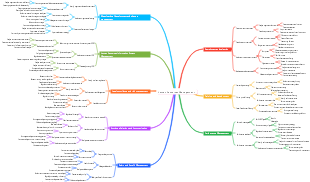
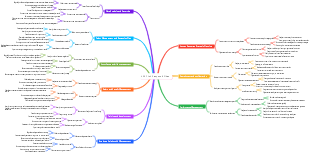
This is a mind map about HRM job responsibilities, the main contents include: recruitment and allocation, employee relationship management, performance management, training and development, compensation and benefits management, legal compliance and risk management.
Edited at 2025-03-01 13:26:18Rumi: 10 dimensions of spiritual awakening. When you stop looking for yourself, you will find the entire universe because what you are looking for is also looking for you. Anything you do persevere every day can open a door to the depths of your spirit. In silence, I slipped into the secret realm, and I enjoyed everything to observe the magic around me, and didn't make any noise. Why do you like to crawl when you are born with wings? The soul has its own ears and can hear things that the mind cannot understand. Seek inward for the answer to everything, everything in the universe is in you. Lovers do not end up meeting somewhere, and there is no parting in this world. A wound is where light enters your heart.
Chronic heart failure is not just a problem of the speed of heart rate! It is caused by the decrease in myocardial contraction and diastolic function, which leads to insufficient cardiac output, which in turn causes congestion in the pulmonary circulation and congestion in the systemic circulation. From causes, inducement to compensation mechanisms, the pathophysiological processes of heart failure are complex and diverse. By controlling edema, reducing the heart's front and afterload, improving cardiac comfort function, and preventing and treating basic causes, we can effectively respond to this challenge. Only by understanding the mechanisms and clinical manifestations of heart failure and mastering prevention and treatment strategies can we better protect heart health.
Ischemia-reperfusion injury is a phenomenon that cellular function and metabolic disorders and structural damage will worsen after organs or tissues restore blood supply. Its main mechanisms include increased free radical generation, calcium overload, and the role of microvascular and leukocytes. The heart and brain are common damaged organs, manifested as changes in myocardial metabolism and ultrastructural changes, decreased cardiac function, etc. Prevention and control measures include removing free radicals, reducing calcium overload, improving metabolism and controlling reperfusion conditions, such as low sodium, low temperature, low pressure, etc. Understanding these mechanisms can help develop effective treatment options and alleviate ischemic injury.
Rumi: 10 dimensions of spiritual awakening. When you stop looking for yourself, you will find the entire universe because what you are looking for is also looking for you. Anything you do persevere every day can open a door to the depths of your spirit. In silence, I slipped into the secret realm, and I enjoyed everything to observe the magic around me, and didn't make any noise. Why do you like to crawl when you are born with wings? The soul has its own ears and can hear things that the mind cannot understand. Seek inward for the answer to everything, everything in the universe is in you. Lovers do not end up meeting somewhere, and there is no parting in this world. A wound is where light enters your heart.
Chronic heart failure is not just a problem of the speed of heart rate! It is caused by the decrease in myocardial contraction and diastolic function, which leads to insufficient cardiac output, which in turn causes congestion in the pulmonary circulation and congestion in the systemic circulation. From causes, inducement to compensation mechanisms, the pathophysiological processes of heart failure are complex and diverse. By controlling edema, reducing the heart's front and afterload, improving cardiac comfort function, and preventing and treating basic causes, we can effectively respond to this challenge. Only by understanding the mechanisms and clinical manifestations of heart failure and mastering prevention and treatment strategies can we better protect heart health.
Ischemia-reperfusion injury is a phenomenon that cellular function and metabolic disorders and structural damage will worsen after organs or tissues restore blood supply. Its main mechanisms include increased free radical generation, calcium overload, and the role of microvascular and leukocytes. The heart and brain are common damaged organs, manifested as changes in myocardial metabolism and ultrastructural changes, decreased cardiac function, etc. Prevention and control measures include removing free radicals, reducing calcium overload, improving metabolism and controlling reperfusion conditions, such as low sodium, low temperature, low pressure, etc. Understanding these mechanisms can help develop effective treatment options and alleviate ischemic injury.
HRM Job Responsibilities
Recruitment and configuration
Develop a recruitment plan
Analyze departmental needs
Communicate with department manager to determine job openings
Assess the workload of existing employees
Set a recruitment schedule
Determine the time nodes of each stage of the recruitment process
Set aside time to deal with unforeseen delays
Budget recruitment costs
Calculate job advertising costs
Estimate overhead during interview and evaluation
Execute the recruitment process
Post job ads
Choose the right recruitment channel
Online recruitment platform
Industry conferences and job fairs
Write attractive job descriptions
Highlight company culture and position advantages
Clarify job requirements and responsibilities
Filter resumes
Set resume screening criteria
Educational background
Related work experience
Use recruitment software to assist with filtering
Improve screening efficiency
Reduce human error
Organize an interview
Schedule interview time
Coordinate the interviewer's schedule
Notify candidates of interview time and location
Prepare for interview questions
Design behavior interview questions
Prepare for technical or professional competency tests
Employees joining
Arrange induction training
Prepare training materials for new employees
Company Introduction
Staff Manuals and Policies
Arrange a tutor or instructor
Provide job guidance for new employees
Promote new employees to join the team
Complete the induction procedures
Collect employee personal information
Fill in the employment form
Signing a labor contract
Configure office resources
Provide necessary office equipment
Assign work email and account number
Employee Relationship Management
Employee communication
Organize regular meetings
Arrange department meetings
Discuss department goals and progress
Collect employee feedback and suggestions
Hold a team building event
Enhance team cohesion
Improve employee satisfaction
Handle employee complaints
Establish a complaint handling mechanism
Set up anonymous complaint box
Ensure the confidentiality of complaints
Investigate and resolve complaints
Respond to employee concerns in a timely manner
Propose a solution and execute it
Employee care
Pay attention to employee benefits
Design and update welfare plans
Medical Insurance
Employee leave policy
Supervise the implementation of welfare plans
Make sure employees understand benefits
Handle employee consultations related to benefits
Maintain the working environment
Ensure workplace safety
Regular safety inspections
Provide necessary safety training
Improve working conditions
Adjust the workspace layout
Provide comfortable working facilities
Performance Management
Set performance goals
Determine goals with employees
Ensure that goals are specific and measurable
Set goals using SMART principles
Regularly check target progress
Consider employee career development
Set goals in combination with employee career planning
Provide development and promotion opportunities
Update performance evaluation criteria
Adjustment standards according to company strategy
Ensure the evaluation criteria are consistent with the company's goals
Reflect changes in the market and industry
Get employee feedback
Gather employee opinions on evaluation criteria
Adjust standards to improve fairness and transparency
Performance evaluation and feedback
Organize performance evaluation meetings
Prepare evaluation materials
Collect employee results and performance data
Prepare assessment forms and reports
One-to-one communication with employees
Provide specific performance feedback
Discuss improvement measures and development plans
Develop performance improvement plans
Identify areas that need improvement
Analyze performance evaluation results
Identify employees' strengths and weaknesses
Design personal development plans
Provide training and learning resources
Set short-term and long-term development goals
Training and development
Training Requirements Analysis
Assessing employee skills gaps
Identify insufficient skills through performance evaluation
Analyze employees' ability to complete tasks
Comparison with industry standards
Consider the company's future needs
Predicting the need for skills in future business development
Plan employee skills improvement paths
Develop a training plan
Determine training objectives and content
Design courses that meet company culture and business needs
Ensure the practicality and targetedness of the training content
Choose training methods and resources
Decide on internal or external training
Identify training materials and lecturer resources
Implement training programs
Organize training activities
Arrange training time and location
Ensure training time does not affect normal work
Choose a suitable training venue
Supervise the training process
Ensure training is on schedule
Collect feedback during training
Evaluate training effectiveness
Conduct post-training assessment
Use questionnaire or tests to evaluate training effectiveness
Gather employee feedback on training
Adjust follow-up training plan
Optimize training content based on evaluation results
Consider increasing or decreasing investment in training resources
Salary and Benefit Management
Design a salary structure
Investigate market compensation levels
Collect salary data in the same industry
Ensure that the company's salary is competitive
Analyze the salary range for different positions
Consider the financial situation of the company
Balance employee compensation with company costs
Ensure the sustainability of the compensation structure
Formulate a salary policy
Determine the basic salary and bonus system
Set basic salary standards
Design performance bonus and year-end bonus policies
Develop a welfare plan
Planning for employee health insurance and pension plans
Provide other benefits such as employee stock options, etc.
Manage salary payment
Implement the compensation process
Ensure wages are paid on time
Handle wage accounting and payment
Solve problems in wage payment
Manage tax and social security
Calculate and pay personal income tax
Handle social insurance and provident fund payments
Adjustment of salary and benefits
Adjust compensation based on performance
Salary adjustment after implementation of performance appraisal
Keep compensation matched to employee contributions
Update the welfare plan
Adjust benefits according to employee needs and company policies
Regularly review the effectiveness of welfare programs
Legal compliance and risk management
Comply with labor regulations
Understand relevant laws and regulations
Learn about labor law, tax law and other related legal knowledge
Ensure company policies and procedures comply with legal provisions
Avoid legal risks and potential legal disputes
Update company policies to adapt to legal changes
Regularly review and update the staff manual
Adjust recruitment, compensation and welfare policies
Implement compliance training
Legal compliance training for employees
Improve employees' awareness of labor regulations
Strengthen employees' legal awareness and compliance behavior
Special training for management
Ensure management understands and implements compliance policies
Develop management leadership and decision-making skills
Risk Management
Identify potential risks
Analyze the risk points in human resource management
Assess risks in recruitment, training, performance management, etc.
Formulate risk prevention measures
Establish a risk response mechanism
Prepare a plan for responding to emergencies
Regular risk assessment and drills
Monitor and report risks
Track risk indicators and trends
Monitor key indicators using human resources information systems
Regularly report risk status to management
Implement risk control measures
Take action to reduce or eliminate risks
Adjust HR strategies to reduce risk impact