MindMap Gallery Jane Eyre
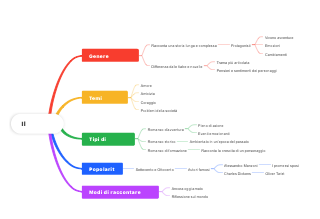
This is a mind map about "Jane Eyre", which mainly includes: theme, plot development, and main characters. The novel is set in the mid-19th century Britain and tells the bumpy life experience of an orphan girl, Jane Eyre.
Edited at 2025-03-09 10:04:45Rumi: 10 dimensions of spiritual awakening. When you stop looking for yourself, you will find the entire universe because what you are looking for is also looking for you. Anything you do persevere every day can open a door to the depths of your spirit. In silence, I slipped into the secret realm, and I enjoyed everything to observe the magic around me, and didn't make any noise. Why do you like to crawl when you are born with wings? The soul has its own ears and can hear things that the mind cannot understand. Seek inward for the answer to everything, everything in the universe is in you. Lovers do not end up meeting somewhere, and there is no parting in this world. A wound is where light enters your heart.
Chronic heart failure is not just a problem of the speed of heart rate! It is caused by the decrease in myocardial contraction and diastolic function, which leads to insufficient cardiac output, which in turn causes congestion in the pulmonary circulation and congestion in the systemic circulation. From causes, inducement to compensation mechanisms, the pathophysiological processes of heart failure are complex and diverse. By controlling edema, reducing the heart's front and afterload, improving cardiac comfort function, and preventing and treating basic causes, we can effectively respond to this challenge. Only by understanding the mechanisms and clinical manifestations of heart failure and mastering prevention and treatment strategies can we better protect heart health.
Ischemia-reperfusion injury is a phenomenon that cellular function and metabolic disorders and structural damage will worsen after organs or tissues restore blood supply. Its main mechanisms include increased free radical generation, calcium overload, and the role of microvascular and leukocytes. The heart and brain are common damaged organs, manifested as changes in myocardial metabolism and ultrastructural changes, decreased cardiac function, etc. Prevention and control measures include removing free radicals, reducing calcium overload, improving metabolism and controlling reperfusion conditions, such as low sodium, low temperature, low pressure, etc. Understanding these mechanisms can help develop effective treatment options and alleviate ischemic injury.
Rumi: 10 dimensions of spiritual awakening. When you stop looking for yourself, you will find the entire universe because what you are looking for is also looking for you. Anything you do persevere every day can open a door to the depths of your spirit. In silence, I slipped into the secret realm, and I enjoyed everything to observe the magic around me, and didn't make any noise. Why do you like to crawl when you are born with wings? The soul has its own ears and can hear things that the mind cannot understand. Seek inward for the answer to everything, everything in the universe is in you. Lovers do not end up meeting somewhere, and there is no parting in this world. A wound is where light enters your heart.
Chronic heart failure is not just a problem of the speed of heart rate! It is caused by the decrease in myocardial contraction and diastolic function, which leads to insufficient cardiac output, which in turn causes congestion in the pulmonary circulation and congestion in the systemic circulation. From causes, inducement to compensation mechanisms, the pathophysiological processes of heart failure are complex and diverse. By controlling edema, reducing the heart's front and afterload, improving cardiac comfort function, and preventing and treating basic causes, we can effectively respond to this challenge. Only by understanding the mechanisms and clinical manifestations of heart failure and mastering prevention and treatment strategies can we better protect heart health.
Ischemia-reperfusion injury is a phenomenon that cellular function and metabolic disorders and structural damage will worsen after organs or tissues restore blood supply. Its main mechanisms include increased free radical generation, calcium overload, and the role of microvascular and leukocytes. The heart and brain are common damaged organs, manifested as changes in myocardial metabolism and ultrastructural changes, decreased cardiac function, etc. Prevention and control measures include removing free radicals, reducing calcium overload, improving metabolism and controlling reperfusion conditions, such as low sodium, low temperature, low pressure, etc. Understanding these mechanisms can help develop effective treatment options and alleviate ischemic injury.
"Jane Eyre"
Main characters
Jane Love
Character image
Independence and self-reliance: Both parents died since childhood, suffered a lot of injustice at my aunt's house, but I never felt humble as a living under someone else's roof, and always insisted on self-judgment and choice. For example, in the face of her aunt Mrs. Reed's unreasonable accusations, she bravely refuted and did not retreat, showing her determination far beyond her age.
Pursuing equality and freedom: In a strict social environment, Jane Eyre faced the noble Rochester and dared to express her desire for equal love. She believes that the soul is equal, regardless of wealth and status, and this concept runs through his views on love and outlook on life.
Self-esteem and self-love: adhere to the moral and spiritual bottom line, and never give up the principle due to material temptation or external pressure. When I learned that Rochester already had a wife, despite his deep love for him, I still chose to leave and maintain the integrity and dignity of his personality.
Growth experience
A miserable childhood under someone's roof: After being adopted by his aunt Mrs. Reed, he was bullied and beaten by his cousin John. He often insulted her with "you rat-like things" and injured Jane Eyre in the head with a book in a conflict. My aunt is also indifferent to her and regards her as a burden. Her daily diet and clothing are far inferior to her cousins. She is often prohibited from participating in family activities and cannot feel the warmth of her family.
The tempering of the Lowwood School: the school environment is harsh, the food is poor and insufficient, and the accommodation conditions are simple and crowded. Principal Brockhurst is a hypocritical person. He strictly regulates and oppresses students in the name of religion, such as letting students shave their hair short and dress simply, and punish them if they are not obedient. But here, Jane Eyre met Helen Pence. Helen's kindness, tolerance and religious piety influenced Jane Eyre, allowing her to endure and persevere in difficulties. At the same time, Jane Eyre studied diligently, constantly enriched herself in the ocean of knowledge, and gradually grew into a thoughtful and connotative woman.
Thornfield Manor’s love twists and turns: After applying for a job as a tutor, he met Rochester. When he first arrived at the manor, he met the injured Rochester on the trail at night. Jane Eyre did not know his identity and showed an attitude of neither humility nor arrogant during the conversation, which left a deep impression on Rochester. As they get along, their relationship gradually heats up and they have experienced many events, such as the inexplicable laughter in the middle of the night at Thornfield Manor and the mysterious fire. In these mysterious events, the two support each other and their relationship becomes deeper and deeper. However, the truth about Rochester's marriage at the wedding was revealed. His wife Bertha was a crazy woman. Jane Eyre was in great pain, sticking to the moral bottom line, and leaving resolutely.
Rochester
Character image
Complex personality: melancholy and moody, which stems from his unfortunate marriage experience. He was deceived by his father and brother in his early years and married Bertha who was mentally ill. His life was in a very painful way after marriage, which led to his personality becoming withdrawn and elusive. But deep down, he is kind and longing for true love, and gradually shows a gentle and considerate side in his interactions with Jane Eyre.
The bondage of wealth and status: owning the Thornfield estate, wealth and status make him highly respected in society, but this external glory did not bring him real happiness. Being trapped by past marriages, unable to pursue love freely, and my heart is filled with helplessness and struggle.
Relationship with Jane Eyre
The birth of love: hiring Jane Eyre as a tutor, initially only regarded her as an ordinary employee, but Jane Eyre's unique temperament and independent spirit gradually attracted him. In daily life, Rochester intentionally or unintentionally creates opportunities to communicate with Jane Eyre, from caring for her teaching work to sharing her life experiences and inner confusion, feelings quietly breed between the two.
Concealment and harm: Out of selfish desire for love, he tried to conceal the fact of his marriage and proposed to Jane Eyre. The truth at the wedding was revealed, which caused great harm to Jane Eyre and also led to Jane Eyre's departure. This incident caused Rochester to be deeply self-blame and pain, and his life fell into darkness again.
Helen Pence
Character image
Kindness and tolerance: No matter what kind of injustice and suffering are faced, you can treat it with a tolerant heart. At Lowood School, even if he was punished by the principal unreasonably, he had no complaints. Instead, he believed that this was God's test on himself and should be silently endorsed.
Devote religious belief: integrate religious teachings into life, and firmly believe that God’s redemption can be obtained through patience and kindness. Her faith keeps her inner peace and purity in a difficult environment, and is fearless in the face of death, thinking it is the path to heaven.
The impact on Jane Eyre
The shaping of values: Forming a deep friendship with Jane Eyre. Her submissiveness, tolerance and kindness and religious piety have affected Jane Eyre's values to a certain extent. Jane Eyre learned from Helen to maintain a peaceful mindset in difficulties and to stick to faith.
Spiritual motivation: Helen's death made Jane love extremely sad, but it also prompted her to be more determined in her self-pursuing. Jane Eyre realized that she could not just bear it. She must bravely pursue her own life and happiness while adhering to her morality, thus clarifying her own life direction.
Plot development
Gateshead's miserable childhood
Being bullied by my aunt and cousin
The double torture of physical and mental: Cousin John Reed is tyrannical and often beats Jane Eyre for no reason. For example, in a conflict, he grabbed Jane Eyre's hair and dragged her to the center of the room to beat her. Not only did her aunt, Mrs. Reed, turned a blind eye to this, but she often favored John, accusing Jane Eyre of being "bad temper" and "love to lie". She imposed various restrictions on Jane Eyre in life, such as forbidding her to play with her cousins and leaving her alone in a dark room, leaving Jane Eyre in a lonely and depressing environment for a long time.
The horrible experience of Red House: Jane Eyre was locked into Red House by her aunt because of resisting John's beating. This is the room where her uncle died, full of gloomy and terrifying atmosphere. Jane Eyre was alone in the room, and she had hallucinations due to fear, as if she saw her uncle's ghost, and her spirit was greatly stimulated and she fell into extreme panic.
Awakening of Resistance
Inner Struggle and Growth: The horrible experience in the Red House made Jane Eyre’s inner sense of resistance begin to awaken. She no longer wants to endure injustice silently, she began to think about her situation and destiny, and realized that she had to fight for dignity and rights for herself.
Brave Resistance Declaration: In a fierce conflict with my aunt Mrs. Reed, Jane Eyre bravely expressed her dissatisfaction, accusing her aunt of her abuse, saying, "You think I have no feelings, I don't need a little love or kindness to live... But I have feelings, although I can't let them show it", showing an independent and strong personality.
The growth of the Lowood School
Hard learning and living environment
Poor material conditions: The school has poor food and extremely poor quality, often with crude bread and thin porridge, and students are often hungry. Accommodation conditions are crowded, with many people crowded in small rooms, the beds are simple, and there are not enough warm facilities in winter, making it unbearable to have cold.
Spiritual repression and bondage: Principal Brockhurst is hypocritical and harsh, and he imposes spiritual oppression on students in the name of religion. He asked students to dress simply, prohibit any form of decoration, and often humiliate students who make mistakes in front of teachers and students throughout the school to achieve the so-called "education" purpose. He is extremely authoritarian in his management of the school and does not allow students to think independently or resist.
Accumulation of knowledge and gain of friendship
Helen's influence and help: The appearance of Helen Pence brought warmth and hope to Jane Eyre. Helen is gentle and caring for Jane Eyre, and has given her a lot of help in her studies and life. She guided Jane Eyre to read religious books and share her understanding of religion, so that Jane Eyre can learn to maintain inner peace and tolerance in suffering.
Growth of knowledge and maturity of thought: At Lowood School, Jane Eyre was diligent and studious, actively participated in various courses, such as history, literature, painting, etc. Through learning, she not only grew her knowledge, but also broadened her horizons and her thoughts gradually matured. At the same time, she also met other like-minded classmates and further enriched her spiritual world through communication with them.
The love story of Thornfield Manor
First encounter with Rochester
An unexpected encounter: Jane Eyre applied for a tutor at Thornfield Manor. On the way to the manor, she met Rochester who fell down and was injured while riding a horse. Jane Eyre did not know his identity and took the initiative to help him out of kindness. During the conversation, Jane Eyre was neither humble nor arrogant, and calmly responded to Rochester's inquiry. His unique temperament and personality attracted Rochester's attention.
Mysterious impression: After Rochester returned to the manor, Jane Eyre learned that he was the owner of the manor. The scene of the first meeting made Rochester become very interested in Jane Eyre, and Jane Eyre was also curious about the mysterious and moody manor owner, laying the groundwork for the subsequent emotional development of the two.
The budding and development of love
Frequent contact and understanding: At Thornfield Manor, Jane Eyre has frequent contact with Rochester. Rochester often makes excuses to communicate with Jane Eyre, ask about her life and study experience, and share her life story. Jane Eyre also gradually discovered the kindness and loneliness deep in Rochester's heart, and his feelings for him gradually changed from initial curiosity to sympathy and appreciation.
Promotion of mysterious events: Some mysterious events often occur in the manor, such as strange laughter in the middle of the night, sudden fires, etc. In these events, Jane Eyre and Rochester depend on each other and face each other together. For example, when the fire broke out, Jane Eyre bravely rushed into Rochester's room to wake him up and help him escape danger, and the relationship between the two quickly heated up during these experiences.
The wedding was blocked and the departure
The cruel truth is revealed: Jane Eyre's relationship with Rochester is developing smoothly, and the two decide to get married. However, on the day of the wedding, the lawyer brought amazing news that Rochester was married and his wife, Bertha Mason, was locked in the attic of the estate. This truth was like a bolt from the blue, causing Jane Eyre to be in extreme pain and despair.
Painful choice and departure: In the face of Rochester's explanation and retention, Jane Eyre struggled in pain, but she adhered to the moral bottom line and believed that she could not become a third party to destroy other people's marriage. After careful consideration, she decided to leave Thornfield Manor, although it meant giving up the person she loved deeply and the happy life she was about to come.
Wandering and returning
The hardships of wandering life
The dilemma of hunger and cold: After leaving Thornfield Manor, Jane Eyre was penniless and encountered hunger, coldness and discrimination on her way. She slept in the open and made a living by begging, but she was often driven away and rolled her eyes from passers-by. On a cold night, she almost freezes to death on the roadside, and her life is in danger.
The indifference and warmth of human nature: Despite many hardships, some kind people also helped her. Like a kind peasant woman, seeing her pitiful, she gave her some food and shelter. However, such warmth is only short-lived. More often, Jane Eyre feels the indifference of human nature and the cruelty of society.
Unexpected legacy and choice
Surprise of the legacy: During the wandering process, Jane Eyre accidentally learned that she had inherited her uncle's legacy and became a rich man overnight. This legacy not only changed her financial situation, but also gave her a sense of material security.
The test of proposal: St. John Rivers proposed to her, hoping that she would go to India to preach. St. John was a devout missionary. His proposal was not out of love, but rather that Jane Eyre was suitable to be his missionary partner. Although Jane Eyre was grateful for St. John's help in her troubled times, she knew that she had no love for St. John and was unwilling to be an accessory to his mission, so she refused his proposal.
Return and reunion
Call of the soul: After leaving St. John, Jane Eyre can never forget Rochester in her heart. One night, she seemed to hear Rochester's call, and this telepathy prompted her to decide to return to Thornfield Manor.
Reunion and Happy Ending: After returning to the manor, Jane Eyre found that the manor had been burned. Rochester lost one arm and one eye to save his crazy wife Bertha and became disabled. But Jane Eyre's love for Rochester did not change, she stayed by his side without hesitation, and the two finally got married and lived a happy life.
Theme
Pursuing equality and freedom
The pursuit of equality in social status
Equality in love: Jane Eyre is a humble family, while Rochester is a nobleman with wealth and status. But Jane Eyre believes that love should not be bound by social status. She bravely expressed her love to Rochester. In her relationship with Rochester, she always emphasized that the two are spiritually equal. For example, in a conversation, Jane Eyre said to Rochester: "Is it because I am poor, unknown, mediocre, and thin, I have no soul or heart?... My heart is as rich as you, and my heart is as fulfilled as you!" This pursuit of equal love broke the barriers between social classes at that time.
Equal struggle in life: At Gateshead and Lowood Schools, Jane Eyre suffered unfair treatment from differences in social status. But she never surrendered and tried to break this inequality through her own resistance and efforts. At the Lowood School, she expressed dissatisfaction with the authoritarian administration of principal Brockhurst, and despite her meager strength, her spirit of resistance embodies the pursuit of equal rights.
Freedom of personality and spirit
Refusal to be an accessory: St. John's proposal was a temptation for Jane Eyre, because it meant a stable life and an improvement in social status. But Jane Eyre rejected him because she did not want to be an appendix to St. John's missionary cause and lost her personality and spiritual freedom. She understands that true freedom is the ability to live according to her own wishes and pursue her inner happiness.
Persist in self-pursuing: When facing various difficulties and temptations, Jane Eyre always sticks to herself and is not changed by external pressure and temptations. Whether it is her miserable life at her aunt's house or facing the twists and turns of love at Thornfield Manor, she adheres to her principles and beliefs and pursues a free life and love. Her spirit reflects her persistent pursuit of personality and spiritual freedom.
The choice between love and morality
Facing Rochester's concealment
Inner pain: After learning the truth about Rochester's marriage, Jane Eyre was in great pain. She loved Rochester deeply, but her moral sense told her that she could not accept such a reality. She fell into a difficult struggle between love and morality, on the one hand, with her deep feelings for Rochester, and on the other hand, with her moral bottom line.
Victory of morality: After painful thinking, Jane Eyre finally chose to stick to the moral bottom line and leave Rochester. She understands that love cannot be based on moral violations, even if it means giving up the person she loves deeply and enduring great pain. Her choice reflects her noble moral qualities and firm beliefs.
St. John's Proposal Test
The trade-off between gratitude and reason: St. John gave her help when she was wandering, and Jane Eyre was grateful to him. When St. John proposed, Jane Eyre was grateful for his help, but she knew that she had no love for St. John. She weighed the trade-off between gratitude and reason, and understood that marriage cannot be based solely on gratitude, but also on love.
Follow the true love in the heart: In the end, Jane Eyre rejected St. John's proposal and followed his inner pursuit of true love. She is unwilling to sacrifice her love and happiness for the sake of so-called responsibilities and obligations. Her choice once again reflects her rational thinking and firm choice between love, morality and responsibility.
Awakening of Female Consciousness
Resist unfair treatment
Childhood Resistance: At my aunt's house, Jane Eyre bravely resisted in the face of cousin John's bullying and her aunt's discrimination. She does not think that she should endure all injustice because she lives under others. She expresses her dissatisfaction through words and actions, such as quarrel with John and protesting to her aunt. This resistance reflects her breakthrough in the image of traditional women's docile and patient.
The struggle during school: At Lowood School, facing the authoritarian management and spiritual oppression of principal Brockhurst, Jane Eyre was unable to completely change the status quo, but she always maintained a sense of criticism and resistance to injustice. In her exchanges with Helen Pence, she also expressed dissatisfaction with the unreasonable system of the school, and this sense of resistance gradually developed into women's pursuit of their own rights.
Independent pursuit of personal value
Realization of economic independence: Jane Eyre became a tutor through her own efforts and achieved economic independence. She no longer relies on others to live and can get paid through her own labor. This was an important manifestation of women's pursuit of independence in the social context at that time. Financial independence gives her more choices in life and can arrange her life according to her own wishes.
Rich in the spiritual world: While pursuing economic independence, Jane Eyre also pays attention to the rich in the spiritual world. She studies diligently and constantly improves her knowledge level and ideological level. In her interactions with Rochester, she communicated and collided with Rochester in thought, not relying on Rochester's thoughts, and maintaining her own independent insights. Through her own struggle, she realized her personal value, showed the image of women in the new era, and set an example for women to fight for equal rights.