MindMap Gallery SWOT analysis mind map
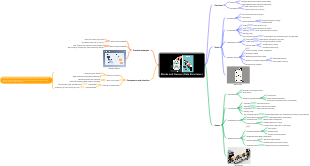
This is a mind map about SWOT analysis mind map, the main contents include: improved methods of SWOT analysis, limitations of SWOT analysis, application scenarios of SWOT analysis, steps of SWOT analysis, definition and purpose.
Edited at 2025-02-20 15:19:11This template shows the structure and function of the reproductive system in the form of a mind map. It introduces the various components of the internal and external genitals, and sorts out the knowledge clearly to help you become familiar with the key points of knowledge.
This is a mind map about the interpretation and summary of the relationship field e-book, Main content: Overview of the essence interpretation and overview of the relationship field e-book. "Relationship field" refers to the complex interpersonal network in which an individual influences others through specific behaviors and attitudes.
This is a mind map about accounting books and accounting records. The main contents include: the focus of this chapter, reflecting the business results process of the enterprise, the loan and credit accounting method, and the original book of the person.
This template shows the structure and function of the reproductive system in the form of a mind map. It introduces the various components of the internal and external genitals, and sorts out the knowledge clearly to help you become familiar with the key points of knowledge.
This is a mind map about the interpretation and summary of the relationship field e-book, Main content: Overview of the essence interpretation and overview of the relationship field e-book. "Relationship field" refers to the complex interpersonal network in which an individual influences others through specific behaviors and attitudes.
This is a mind map about accounting books and accounting records. The main contents include: the focus of this chapter, reflecting the business results process of the enterprise, the loan and credit accounting method, and the original book of the person.
SWOT analysis mind map
Definition and Purpose
What is SWOT analysis
A strategic planning tool
Used to evaluate the strengths, weaknesses, opportunities and threats of a project or enterprise
Help decision makers identify internal and external factors
It consists of four parts
Strengths (advantages)
Weaknesses
Opportunities
Threats
Purpose of SWOT analysis
Identify the core competitiveness of a project or enterprise
Determine the advantages that can be exploited
Identify disadvantages that need improvement
Identify opportunities and threats in the external environment
Seize market trends and opportunities
Prevent potential risks and challenges
Steps of SWOT analysis
Collect information
Internal assessment
Analyze the strengths and weaknesses within the organization
Resource and Capacity Assessment
Competitiveness of products and services
Use questionnaires, interviews, meetings and other methods
External assessment
Analyze opportunities and threats from the external environment
Market Trend Analysis
Competitors and Industry Standards Research
Using market research, data analysis and other means
Organize discussion
Teamwork
Encourage team members to participate in discussions
Promote information sharing and opinion exchange
Enhance the team's sense of recognition of the analysis results
Tips like using brainstorming
Develop SWOT matrix
Organize the collected information into a table
List key points in each section
Keep it simple and easy to understand
Ensure the accuracy and relevance of information
Develop a strategy
Analysis results using SWOT
Develop growth strategies in combination with strengths and opportunities
Strengthen core competitiveness
Seize market opportunities
Develop a defense strategy in combination with disadvantages and threats
Improve internal weaknesses
Avoid external threats
Implement the action plan
Develop specific execution steps
Allocation of responsibilities and resources
Set schedules and goals
Monitor progress and effects
Regular inspection and adjustment of plans
Ensure effective execution of policies
Application scenarios of SWOT analysis
Corporate strategic planning
Formulate long-term development plans
Determine the vision and mission of the company
Clarify the long-term goals of the company
Ensure strategy is aligned with corporate culture and values
Evaluate business portfolio and market positioning
Analyze the advantages and disadvantages of existing business
Identify market opportunities and potential threats
Product Development and Innovation
Identify opportunities for product improvement
Enhance product features or functions
Develop new products to meet market demand
Prevent potential risks in product development
Assess market acceptance and competitive pressure
Ensure product innovation complies with regulatory requirements
Personal career planning
Assess personal skills and experience
Identify individual strengths and weaknesses
Analyze educational background and work experience
Assess personal abilities and interests
Looking for career opportunities
Explore new career paths
Establish career networks and resources
Respond to workplace challenges and changes
Foresee threats in career development
Identify industry trends and changes
Prepare for potential job changes or layoffs
Develop personal development plans
Set short-term and long-term career goals
Planning paths for continuing education and skills improvement
Limitations of SWOT analysis
Subjectivity issues
May be affected by personal bias
The analysis results may be too optimistic or pessimistic
Requires objective data support
Overconfidence or negative attitudes should be avoided
Rely on the evaluator's knowledge and experience
Unidentified factors may be ignored
Needs multi-angle and multi-source information
Dynamic changes may be ignored
The environment and market are changing
SWOT analysis needs to be updated regularly
Stay sensitive and adaptable to changes
Competitors' strategies and actions may be unpredictable
Continuous monitoring of competitors and market trends is required
Flexible strategic adjustment mechanisms should be established
Information incompleteness
There may be a lack of critical information
Information collection may not be comprehensive
Requires extensive and in-depth market research
Diversity and reliability of information sources should be ensured
Analytics may be based on outdated data
Data and information need to be updated in a timely manner
The latest market and industry reports should be used
May oversimplify complex issues
SWOT analysis may not cover all details
Other analytical tools and methods are needed
In-depth analysis and discussion on complex issues
Interactions between factors may be ignored
The correlation between different factors needs to be considered
Systematic thinking should be used to understand the overall picture of the problem
Improved methods of SWOT analysis
Combined with other analytical tools
Analysis using PEST
Political, economic, social and technical factors that consider the macro environment
Expand the scope of external environment analysis
Identify the impact of macro trends on SWOT
Combined with SWOT analysis results
Enrich the content of SWOT matrix
Improve the comprehensiveness of strategic planning
Using the Porter Five Forces Model
Analyze the competitive structure of the industry
Evaluate the bargaining power of suppliers and buyers
Understand the threat of new entrants and alternatives
Provide industry background for SWOT analysis
Clarify the competitive position in the industry
Identify industry-specific opportunities and threats
Introduce quantitative analysis
Utilize statistics and data analysis
Collect and analyze quantitative data
Provide quantifiable supporting evidence
Enhance the objectivity and accuracy of SWOT analysis
Using data models and prediction techniques
Forecasting market trends and business performance
Assess the potential impact of different strategies
Combined with financial analysis
Assessing financial status and performance indicators
Analyze profitability, liquidity and debt repayment capabilities
Identify financial strengths and weaknesses
Combining financial data with SWOT analysis
Ensure the financial viability of strategic decisions
Optimize resource allocation and risk management
Continuous update and iteration
Regularly review and update SWOT analysis
Track changes in external environment and internal conditions
Ensure the timeliness of analysis results
Adjust strategies and plans in a timely manner
Encourage team members to participate continuously
Gather the latest insights and information from the team
Maintain team consensus on strategic direction
Adopt an agile and flexible planning approach
Adapt to a rapidly changing market and competitive environment
Iterative and incremental planning
Quickly respond to market changes and customer needs
Encourage innovation and continuous improvement
Cultivate an open and flexible corporate culture
Inspire employees to come up with new ideas and solutions