MindMap Gallery Sensitive period for infants and young children aged 0-3 years old
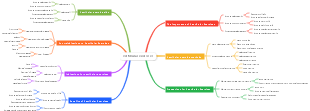
The mind map of sensitive periods of infants and young children aged 0-3 years old covers various sensitive periods of infants and young children during different growth stages and their corresponding suggestions and activities. Including sensory sensitive period, language sensitive period, .motor sensitive period, spatial sensitive period (December-36), order sensitive period, etc.
Edited at 2025-02-21 16:43:09This template shows the structure and function of the reproductive system in the form of a mind map. It introduces the various components of the internal and external genitals, and sorts out the knowledge clearly to help you become familiar with the key points of knowledge.
This is a mind map about the interpretation and summary of the relationship field e-book, Main content: Overview of the essence interpretation and overview of the relationship field e-book. "Relationship field" refers to the complex interpersonal network in which an individual influences others through specific behaviors and attitudes.
This is a mind map about accounting books and accounting records. The main contents include: the focus of this chapter, reflecting the business results process of the enterprise, the loan and credit accounting method, and the original book of the person.
This template shows the structure and function of the reproductive system in the form of a mind map. It introduces the various components of the internal and external genitals, and sorts out the knowledge clearly to help you become familiar with the key points of knowledge.
This is a mind map about the interpretation and summary of the relationship field e-book, Main content: Overview of the essence interpretation and overview of the relationship field e-book. "Relationship field" refers to the complex interpersonal network in which an individual influences others through specific behaviors and attitudes.
This is a mind map about accounting books and accounting records. The main contents include: the focus of this chapter, reflecting the business results process of the enterprise, the loan and credit accounting method, and the original book of the person.
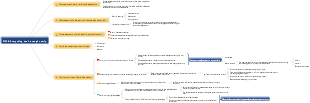
Sensitive period for infants and young children aged 0-3 years old 2025.02.21 Ma Cuicui
Sensory sensitivity period
The sensitive period of light sensitivity (October-March): sensitive to light sensitivity and likes to find light. ① Open the curtains during the day and turn off the lights to sleep at night to allow the baby to adapt to the natural light changes and the difference in day and night light. ② Scattered lighting or regular adjustment of lighting positions should be used at night. ③ It is advisable to see more black and white pictures for the baby. At first, it is controlled within 6 seconds and gradually extend the time.
Theme of the word "taste development sensitive period" (April-July): You can feel sweet, salty, sour tastes in the mouth. ① When adding complementary foods, pay attention to a light diet and protect the sensitivity of infants and young children's taste.
Sensitive period of oral cavity (April-December): Like to eat hands, try, feel, and feel with your mouth. ① It is advisable to let infants and young children taste the natural taste of the food. ② Effectively clean infants and young children's toys and supplies to avoid problems such as bacterial growth caused by long-term contact with the mouth. ③ Do not forcefully remove the infant's hands from their mouths.
2. Language sensitivity period
1) Language learning sensitive period (October-December): Like to babble, be able to follow the rhythm of adult language and generate voice responses. ① Avoid long-term acceptance of electronic sound effects. ② Create a language environment for babies to participate in communication, actively talk to babies more, and slow down the speed of talking to babies. ③ By telling stories, participating in social activities, etc., guide babies to observe the speaker's lip shape, and it is advisable to speak complete sentences.
(2) Sensitive period for oral expression (December-30): Likes a large amount of language output and has strong communication initiative. ④ Open up a reading area to guide children to read a large number of picture books, recite poems, etc.
3. Movement sensitive period
(1) Sensitive period of major muscle development (July-24): Like to climb, stand, run, walk, jump, climb, throw, etc. ① Strengthen the protection of the activity environment, place fragile and destructive items in places that are difficult for infants and young children to catch, and give infants and young children sufficient space for activity ② Expand the range of activities of infants and young children, consciously conduct large-scale exercise training, let them experience large-scale movements and body movements, and help them better realize their sports potential ③ Pay attention to the development training of coordination and balance, and do more games with infants and young children to train muscles and develop balancedly on the left and right brains. ④ It is not advisable to forcefully control the throwing behavior of infants and young children. It is advisable to choose cloth toys to let them throw enough. ⑤ Create small games such as grasping small toys to exercise the sensitivity of children's arms.
(2) Sensitive period for small muscle development (18-36 months): Like small movements of the hands, such as pinching, holding, inserting, pulling, patting, knocking, etc. ① Based on the actual situation of the children, create fine hand exercise training games such as picking up marbles, digging rice with a spoon, inserting straws into the bottle; the sight cannot be left to the children to prevent them from swallowing.
4. Spatial sensitivity period (December-36):
1) I like to overturn the drawer, I like to play three-dimensional toys and high-rise push-down games; I like to walk on special places such as roadsides and blind paths; I like to drill holes and climb up and down.
① Create games such as hide and seek, tunnel drilling and other games for children, and encourage children to explore freely while ensuring safety.
6. Order sensitive period (24-36)
1) There is a strong need for a neat and orderly environment. Once you accept the forms and rules of something, you will remember that you like to participate in orderly games and activities.
① Keep the home clean and orderly, try to fix the daily schedule and place items to provide children with a good orderly environment ② Guide children to pack up toys and daily necessities by themselves, and do not destroy their sense of order; ③ When children show good orderly behavior, give timely affirmation and encouragement.
7. Self-awareness sensitive period (18-36)
1) Like to distinguish between mine and yours and the boundaries between me and you; be self-centered and like to say no; when you are not satisfied, you will have a strong emotional reaction, and may release your emotions through beating, biting, throwing, etc.
① When a child hits and bites, it is not advisable to over-condemn or preach. ② Guide children to exchange items, and it is not advisable to force them to share. ③ Through daily life activities such as distinguishing and organizing clothes, placing tableware, etc., guide children to understand "your" and "my"
8. Sensitive period of social norms (30-36)
1) Start to like making friends, like participating in group activities, and like to play games that imitate adults
① Contact children more often and explain social rules based on specific activities. ② Cultivate life rules and teach daily etiquette. ③ If necessary, suggest to parents of 2 and a half years old children to enter kindergarten for education.