MindMap Gallery Thyroid disorders
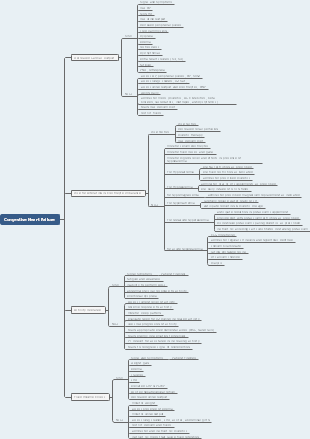
Thyroid diseases are controlled by the hypothalamus pituitary system. Hypothyroidism is common, with over 90% of cases being primary. The symptoms are diverse and affect the quality of life of patients. The incidence of thyroid nodules is relatively high, and some nodules are at risk of malignant tumors. Understanding the pathogenesis, symptoms, and risks of thyroid diseases can help with early diagnosis and treatment, improve patient health, and reduce the adverse effects of the disease.
Edited at 2025-04-30 15:52:56Thyroid diseases are controlled by the hypothalamus pituitary system. Hypothyroidism is common, with over 90% of cases being primary. The symptoms are diverse and affect the quality of life of patients. The incidence of thyroid nodules is relatively high, and some nodules are at risk of malignant tumors. Understanding the pathogenesis, symptoms, and risks of thyroid diseases can help with early diagnosis and treatment, improve patient health, and reduce the adverse effects of the disease.
Atherosclerosis is a general term for a type of disease that includes multiple types. Arteriolar sclerosis, Monckeberg sclerosis, medial calcification and sclerosis of Mockeberg, atherosclerosis, etc. belong to this category. 55% of these diseases occur in the Western world, and any blood vessel may be affected. Understanding this information can help identify and prevent arteriosclerosis related diseases early, reduce the risk of cardiovascular disease, and ensure physical health.
A mind map is like a lighthouse of medical knowledge, illuminating the path of identifying appendicitis for different populations. From the special manifestations of pediatric mesenteric glandular inflammation, to the different symptom characteristics of adult females, adults, and elderly people, and to the complex situations such as possible accompanying intestinal obstruction, they have all been carefully sorted out. Doctors can use this to accurately diagnose the condition, and patients can also have a clearer understanding of their own health status. It has important guiding significance in the medical field, like a compass on a voyage, providing precise direction for the diagnosis of appendicitis.
Thyroid diseases are controlled by the hypothalamus pituitary system. Hypothyroidism is common, with over 90% of cases being primary. The symptoms are diverse and affect the quality of life of patients. The incidence of thyroid nodules is relatively high, and some nodules are at risk of malignant tumors. Understanding the pathogenesis, symptoms, and risks of thyroid diseases can help with early diagnosis and treatment, improve patient health, and reduce the adverse effects of the disease.
Atherosclerosis is a general term for a type of disease that includes multiple types. Arteriolar sclerosis, Monckeberg sclerosis, medial calcification and sclerosis of Mockeberg, atherosclerosis, etc. belong to this category. 55% of these diseases occur in the Western world, and any blood vessel may be affected. Understanding this information can help identify and prevent arteriosclerosis related diseases early, reduce the risk of cardiovascular disease, and ensure physical health.
A mind map is like a lighthouse of medical knowledge, illuminating the path of identifying appendicitis for different populations. From the special manifestations of pediatric mesenteric glandular inflammation, to the different symptom characteristics of adult females, adults, and elderly people, and to the complex situations such as possible accompanying intestinal obstruction, they have all been carefully sorted out. Doctors can use this to accurately diagnose the condition, and patients can also have a clearer understanding of their own health status. It has important guiding significance in the medical field, like a compass on a voyage, providing precise direction for the diagnosis of appendicitis.
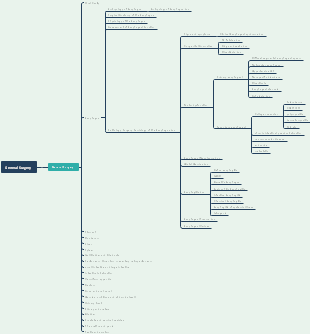
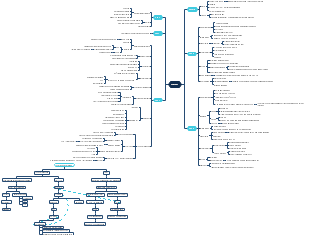
Thyroid disorders
Hypothalamic Pituitary control
Thyroid hormone elevated
Negatuve feedback inhibition of TSH from anterior pituitary
By down regulating TRH receptors
Hyothyroidism
Production affected
Types
Hashimotos thyroiditis
Most common cause oh hypothyroidism
Also called chronic lymphocytc thyroiditis
Femal predominance
10 ratio 1
Family history
Associated with
DLR3
DLR5
AI
Anti-TPO Abs
Anti-Thyroglobulin Abs
Associations
B cell NHL
AI adrenalitis
Type 1 DM
Myasthenia Gravis
Symptoms
Heart
Diastolic HTN
Bradycardia
Neurological
Carpal tunnel syndrome
Delayed relaxation of reflexes
Reproductuve
Mennorhhagia
Infertility
Impotence
GI
Constipation
Ileus
Skin
Alopecia
Fatigue
Diagnosis
TSH
Less than .5(.5 to 5 mU/ml)
T4
Less than 4.5(4.5 to 12 microgram/dl)
T3
less than 115(115 to 190 nanogram/dl)
Creatinin kinase increased due to
Muscle weakness and myopathy
Also leads to increased LDH
Increased AST
Because liver function affected
Increased cholestrol
Thyroid hormones are important for lipid metabolism
Decreased sodium
Kidney function affected
ECG
Sinus bradycardia
With small complexes
ST and T wave abnirmalities
More than 90 percent cases are of primary hypothyroidism
Treatment
Replacement therapy
Lifelong treatment with
Levothyroxinine
Synthetic form of T4
Dosage
1.5 to1,7 microgram/kg/day
50microgram/day
For 3 weeks
Effect of medication is evident within 2 to 3weeks
100 micogram per day
For another 3 weeks
Thereafter
100 to 150 microgram per day
After 6 week therapy
TFTs done
To assess for adequacy of treatment.
If TSH remain high
Dose dhould be increased
Given as single daily dose
If elderly or IHD
Levothyroxine increse myocardial O2 demand
Can precipitate Angina or MI
Starting dose should be
25 microgram per day Or .3 to .5 microgram/kg/day
Dose should be increased very slowly
Under specialist supervision
Pregnent woman
Thyroid binding Globulin(TBG) increased
25 to 50 microgram more levothyroxine needed
To maintain normal TSH
If not increased
Cognitive impairment in developing children
Increased dosages
In estrogen therapy
Medications that increase t4 catabolism
Phenytoin
Phenobarbital
Carbamazapine
Rifampicin
Poor GI absorption
Iron and Calcium treatment
Bind levothyroxine and decrease aborption
PPI
Decreased PH
Decreased absorption
sucralfates
IBD
CD
cholestyramine
Half life is 7 days
Absorbtion of drug is increased
If given before bed
If taken along Vitamin C
Complications
Myxedema coma
May be precipitated by infection
Usually in elderly
Rare manifestation of
Severe hypothyroidism
MEdical emergency
50 % mortality rate
Symptoms
Hypothermia
Energy consumption decrreases
Hypotension
Hyponatremia
Hypoglycemia
Brerakdown decrease becuase overall metabolism decreases
Altered level of conciousness
Hypoventillation
Respiratory muscle affected
Signs
CSF
Pressure increased
CSF drainage affected
GAG accumulated
Protein increased
At choroid plexus
PErmeability increased
Treatment
Before biochemical confirmation of diagnosis
Triidothyronine
IV bolus
20 microgram
then followed by
20 microgram 8 hourly
Emperic adrenal replacement therapy
Hydrocortisone
100 mg IV
8 hourly
Gradual rewarming
Broad spectrum antibiotics
High flow O2 with or without assisted ventilation
Thyroid Nodules
Prevalance
5 to 10 percent
Risk of Maligancy
MAle gender
Age
Less than 20
More than 70
Family history
History of neck irradiation
Decreased RAIU
Cold nodule
Hard, firm and fixed mass
USG findings
Hypoechoic Sold Irregular borders
Microcalcification
Central blood flow
Asymptmatic Abnormal TFTs
Subclinical Thyrotoxicosis
Most common in elderly
With MNG
Associated with
Increased risk of
Atrial Fib
CVD
Osteoporosis
TFTs
TSH
Decreased
Or undetectable
T3 and T4
Upper limit of normal
Treatment
Controvertial
Should be considered
When TSH is less than.1 mU/L
When there is increased risk of CVD or osteopenia
Subclinical hypothyroidism
TFTs
TSH increased
T3 and T4
Lowr limit of normal
Highest risk of progression to overt thyroid faliure
TSH higher than 10 IU
Also a indication for treatment
Positive antithyroid peroxidase Abs
Treatment
Controvertial
Indicated in
Symtomatic patients
Ovulatory or menstrual disturbance
Patients with goiter
Dyslipidimia
Sick Euthyroid Syndrome
Also known as
Non-thyroidal illness
Named so because
It is non thyroidal illness with
TFTs abnormalities
Low T3 Syndrome
Named so
Because during disease
There is decreased conversion of T4 into T3
Therefore during acute illness TFTs should not be done in the absence of clear sign of thyroid disease
So t4 overall is incresed
TSH will decrease
Alteration in affinity to bindng proteins
So T4 is tightly bound to proteins
Decreased conversion and increaseT4
TFTs
TSH
Undectable
T4 Raises
T3
Low
Normal
or Raised
Hyperthyroidism
Causes
Graves Disease
Most common cause
Of endogenous hyperthyroidism
Hyperthyroidism
Smoking weakly associated with Graves thyrotoxicosis
All forms of hyperthyroidism are associated with
Decreased TSH
Except secondary hyperthyroidism
Brain MRI done
Followerd by surgerical removal
Age group
30 to 50 years
Gender
Female predominance
7 ratio 1
Family history
Hla B8
HLA DR3
AI
TYPE 2 HSR
Thyroid stimulating Igs
These are IgGs
These TSH receptor Abs- TRAB are detected in
80 to 0 percent cases
Presence of other thyroid antibodies is not helpful in making diagnosis
Symptoms
Goiter
Diffuse
Non temder
With bruit
Occular symotoms
Graves ophthamopathy strongly associated with smoking
Exophthamos or proptosis
Only occur in Graves disease
Cause
T cell infiltration
In retro-orbital space
Fatty infiltration
Increased adipocytes
Accumulation of GAGs
Edema of extraocular mucles
Also called graves ophthalmopathy
Typically episodic
Present in 50 percent of thyrotoxic patiemts at presentation
Treatment
Methylcelluose eye drops
Sunglasses to prevent lacrimation
Steroids
Irradiation
Surgical decompression of Orbit
Infiltrative dermopathy
Called pretibial myxedma
On shiins
Pink or purple raised plaques
In less than 10% of patients with graves disease
Due to excessGAG
In dermis
Diagnosis
RAIU
Diffuse and bilateral
if increased in a solitary nodule
Toxic adenoma
Low patchy uptake within the nodules
MNG
Decreased uotake thyrotoxicosis
TSH secreting pituitary tumor
Toxic adenoma
Miscellaneous
Amiodarone
Type 3 anti-arrythemmic drug
Contain large amount of iodine
Cause hyperthyroidism in 15 % cases
Called as Amiodarone induced hyperthyroidism or AIT
Type 1
Preexisting Graves disease or MNG
So autonomous tissue already present
Gets increased iodine
So more T3 and T4 synthesized
Called as
Jod-basedow Effect
Doppler USG
Increased thyroid blood flow
Treatment
Antithyroid drugs
Methimazole
Type 2
Not associated with previous thyroid disease
Drug cause destructive thyroiditis
Preformed T3 and T4 released
Doppler USG decreased flow
Treatment
Antithyroid drugs not useful
Steroids used
PRactically it is not possible to diffferentiate between 2 types of thyoiditis
Antithyoid drugs and steroids are used`
IF response is rapid
Means no thyroid hormones are released
Peripheral conversion is inhibited
Type 2 AIH
Antithyoid drugs stopped and steroids continuedd
in 1 to 2 weeks
If response is delayed
Means there is production of thyroid hormones
Type 1 AIH
Steroids sopped and antithyroid drugs continued
Cause hypothyroidism in 85% of cases
Mechanism
Peripheral conversion of T4 to T3 is stopped
Immune mediated gland destruction
Wolf-Chaikoff Effect
Iodine load of drug cause decreased uptake of iodine
And there is decreased
Organification
Release of T4 and T3
Normal Individual
So T4 is decreased
Then patient escapes from this effect
TSH increased
Increased T4
DecreasedT3
TSH then normalize after 3 to 4 months.
Patients with subclinical Hashimotos disease
Donot escape this
Develops features of hypothyroidism
So thyroxine iis given while amiodarone is continued
Struma Ovarii
Teratoma
Ovarain dermoid tumor
Symtoms
Skin
Pruritis
Palmer erythema
Pretibial myxedema
Heart
Systolic HTN
Tachycardia
Neurological
Anxiety
Irritability
Hyperreflexia
Tremors
Ill sustained clonus
Reproductive
Oligomennorhoea
Infertility
Impotence
Fatigue
GI
Hyperdefecation
Occular
Grittiness
Diplopia
Lid retraction
Seen in all cases of hyperthyroidism
Lid lag
Relation with Pregnancy
Trimester specific ranges of TSH used for interpretation
Because
TBG increased
So total T3 and T4 also increased
So TSH is decresed than normal
Effect of uncontrolled thyrotoxicosis on fetus
Fetal tachycardia
IUGR
Prematurity
Still birth
Congenital malformation
Hormonal imbalance
Treatment
Beta blockers
Decrease peripheral conversion of T4 to T3
Highly effective for symtomatic relief
Tavhycardia
Tremors
Agents
Non selective
Propanolol
160mg
Daily
Nadolol
40 to 80 mg
Daily
Antithyroid drugs
Drug of choice
Because they cross placenta
And treat thyrotoxicosis in children which is caused by
Transplacemtal passage of
TRABs
Half life of T4 is 7 days
So effect of these drugs occur in 10 to 14 days
It takes 3 to4 weeks
For a person to be
Clinically and biochemically euthyroid
Agents
Carbimazole
40 to 60 mg daily
Methimazole
Cause arthralgia and fever
DOC in 2nd and 3rd trimester
Becuase prolonged use of PTU will cause liver faliure
PTU
400 to 600 mg daily
Starting dose should be high
Cause hepatocellular necrosis
DOC in 1st trimester
Because methamazole is teratogenic
Complications
Hypersenstivity rash
Most common
Agranulocytosis
Most dangerous
Should be started at lowest possible dose
To prevent fetal hypothyroidism
Radioactive iodine
Absolutely contraindicated in
Preganacy
PRegnancy should be avoided 6 months after RAI therapy
Men should be avoided fathering 6 months after RAI therapy
Graves Ophthalmopathy
RAI can worsen it
This worsening can be prevented by
Prophylactic steroids
Pre-requisites
Must be eiuthyroid before treatment
Antithyroid drugs
Should be stopped 4 days before RAI
PTU should be stopped even earlier
Because it has radioprotective properties
Should not be started for 3 days after RAI
Complications
Hypothyroidism
Most common
Worsen ophthalmopathy
Surgery
Sub total thyroidectomy
Pre-requisites
Must be euthyroid before treatment
Stop antithyroid drugs 14 days before surgery
So postop hypothyroidism should be avoided
Start Potassium iodide
60mg
3 times daily
For remaining 14 days
It reduces vascularity of the gland
Complications
Hypothyroidism
Most common
Transient hypocalcemia
Hypoparathyroidism
Recurrent laryngeal nerve paralysis
Indications
Patient's choice
Persistent drug side effects
Poor compliance with drugs
After drugs recurrent hyperthyroidism
Large goiter
Indication only for surgery
Thyrotoxicosis
Thyroiditis
De-Quervain thyroiditis
Subacute granulomatous thyroiditsr
Causes
Viral infection
Coxsachie
Adenovirus
Measels
Mumps
Diagnosis
Thyroid gland
Is enlarges
Palpable
And painful
Pain radiates to
Angle of jaws
Ears
Aggrevated by
Swallowing Coughing Movement of neck
Age
20 to 40 years
Hyperthyroidism for 4 to 6 weeks
Variable hypothyroidism
Recovery in 4 to 6 weeks
Treatment
Mild to moderate cases
NSAIDS
Or aspirin
Severe cases
Prednisolone
40 mg daily
For 4 weeks
Painless thryoiditis
Also called Silent thyroiditis
Subacute lymocytic throiditis
Characterized by transient hyperthyroidism
Followed by hypothyroidism or recovery
Considered a variant of Hashimotos thyroiditis
Transient hyperthyroid state of Hashimotos
Hashitoxicosis
No treatment
Diagnosis
RAUI
Decreased
AI
Positive thyroid peroxidase
Thyroglubulin antibodies
Postpartum thyroiditis
Within 1 year after delivery
Thyroiditis induced by AI mechanism
Spectrum
Transient hypothyroidism
Transient hyperthyroidism
Followed by hypothyroidism
Then recovery
Recur after subsequent pregnancies
Progresses over period of year
To permanant hypothyroidism
Diagnosis
Low RAIU
High thyroglobulin
Treatment
Hyperthyroid
Beta blockers
In Symptomatic
Short course
Tapered off
Antithyroid drugs
No benefit
Not done in asymptomatic
Hypothyroid
Symptomatic
Levothyroxine
For 6 to 12 months
Factitious thyroiditis
Exogenous thyroid intake
Overall most common cause
Mostly levothyroxine
RAIU is decreased
Thyroid gland is atrophies
T4:T3
Usually it is 30:1
In in factitious thyrotoxicosis
It is 70:1
T3 is decreased
Because it is not derived from the gland
All form of thyrotoxicosis is associated wuth
Increased thyroglobulin
But in factitious thyroditis there is decreased thyroglibulin
It is also incresed in Graves disease
But in Graves the RAIU is increased
Decreases RAIU
Manifestation
Thyroid Storm
Medical emergency
Mortality
10 %
Clinical features
Fever
Cardiac
Atrial fibb
In 10% of patients
Treatment
Anticoagulation
With warfarin
Rate control
Digoxin
Beta blocker
DOC
CHF
Systolic HTN
Wide pulse pressure
Tachycardia
Nervous
Confusion
Agitation
Treatment
Beta blockers
Propanolol
Or oral
IV
sodium ipodate
Restore serum T3 to normal in
48 to 72 hours
MOA
Inhibit release of hormones
Inhibit conversion of T4 to T3
Also inhibited by Steroids
Optional
Antithyroid drugs used
Neoplasia
Papillary Carcinoma
Most common
75 to 85 %
Risk factor
Ionizing radiation
Age
20 to 40 years
Gender
Female
Prognosis
Excellent
Metastasis
Lymphatic spread occur first
Hematogenous spread occur first to
Lungs
Diagnosis
Psammoma bodies
Orphan Annie Eye nuclei
Treatment
Thyroidectomy
Followed by large dose of RAI
To kill off residual cancer cells
Then
Long term treatment with thyroxine
Followed by serum thyroglobulin
Which must be undetectable
If detectable
Recurrence
Or metastasis
Follicular Cancer
2nd most common cancer
10 to 20 percent
Risk factor iodine deficiency
Age
Older than papillary
Gender
Female
Capsular and vascular invasion differentiates it from follicular adenoma
Hematogenous spread occur first
Medullary carcinoma
Neuroendocrine tumor
Types
Sporadic
80%
Familial
Associated with MEN2
Symptoms
Mass in neck
Dysphagia
Hoarsness
Diarrhea
Due to VIP
Serum calcitonin is raised
But hypocalcemia is not prominant
Diagnosis and followup
By calcitonin
Treament
Total thyroidectomy
And cervical node removal
Anaplastic carcinoma
Undifferentiated tumor
Of thyroid follicular epithelium
Accounts for less than 5 percent of tumor
Mortality rate is 100%
Symptoms
Rapidly enlarging bulky mass
Stridor
Hoarsness
Metastasis
To lungs
Cause of death
Compression of vital structures in neck
Unique features in Graves