 Wondershare EdrawMind
MindMap Gallery Steps of Problem Solving
- 126
- 6
- 1
Steps of Problem Solving
Problem-solving is a fundamental skill used in everyday life, academics, and the workplace. It involves identifying an issue, analyzing it from different angles, and implementing effective solutions. Understanding the key steps of problem-solving—such as defining the problem, generating potential solutions, evaluating options, and taking action—can improve decision-making, enhance critical thinking, and lead to more successful outcomes in both personal and professional contexts.
Edited at 2025-05-07 08:00:07
- Pedro Pascal
This is a mind map about Pedro Pascal life, covering his personal experiences and events. Why does everyone love him? You will love him too.
- Cleopatra
This is a mind map about his Cleopatra life, covering his personal experiences and important events.Did she win Rome with beauty—or was she a strategist history misunderstood
- Donald J. Trump’s Life in a Nutshell
This is a mind map about Donald J. Trump’s Life in a Nutshell, Main content: Real Estate Empire 🏙️, entertainment industry 🎬, political life 🏛️, Judicial challenges ⚖️.
Steps of Problem Solving
- Pedro Pascal
This is a mind map about Pedro Pascal life, covering his personal experiences and events. Why does everyone love him? You will love him too.
- Cleopatra
This is a mind map about his Cleopatra life, covering his personal experiences and important events.Did she win Rome with beauty—or was she a strategist history misunderstood
- Donald J. Trump’s Life in a Nutshell
This is a mind map about Donald J. Trump’s Life in a Nutshell, Main content: Real Estate Empire 🏙️, entertainment industry 🎬, political life 🏛️, Judicial challenges ⚖️.
- Recommended to you
- Outline
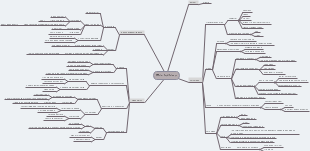
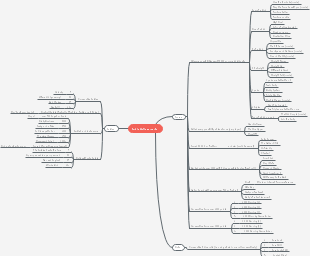
Effective teaching map
Professional Practice
Ethical Practices in Teaching
Navigating Ethical Dilemmas
Strategies for resolving conflicts in professional and personal ethics
Addressing Ethical Dilemmas in Schools
Balancing Personal Beliefs and Professional Duties
Examples
Addressing bias
confidentiality breaches
unprofessional conduct
Triple Prongs of Ethical Practice
Professional conduct: Adhering to legal requirements and professional standards
Personal conduct: Maintaining integrity in personal actions
Professional competence: Ensuring ongoing professional development (VIT, 2015)
Relationship Codes
Learners: Inclusive, bias-free environments.
Families: Foster mutual trust and open communication
Colleagues: Build collaboration through respect and shared expertise
Community: Promote values like democracy, equity, and active citizenship
Pedagogical Strategies
Innovative Teaching Tools
Interactive video quizzes (e.g. online quizzes).
Gamified learning platforms
Case-Driven Learning
Address real-world challenges through case studies
Engage students with relevant, relatable scenarios
Building Reflective Practices
Strategies for Reflection
Use frameworks like “Head, Heart, Bin, Bag” to assess personal growth
Maintain a professional journal for continuous self-evaluation
Concept Mapping
Develop dynamic visualizations linking theories, strategies, and outcomes
Highlight progress in understanding teaching complexities
Use supportive and relyable websites to help us be a better teacher and understanding curriculum better.
Australian institution for teaching and school leadership
https://www.aitsl.edu.au/standards
victoriancurriculum
https://victoriancurriculum.vcaa.vic.edu.au/
Arc
https://arc.educationapps.vic.gov.au/home
Aitsl Standards
Professional Engagement
Foundations of Professional Engagement
Evolving profession, adaptation.
Collaboration with peers, mentors.
Dual roles, reflection, values.
Resilience, stress management.
Communities of Professional Practice (CoP)
Networks, shared interests.
Collective intelligence, action learning.
Evidence-based practices, partnerships.
Reflective Practices
Structured reflection, growth.
Journals, feedback, mapping.
Maintaining a reflective journal to document experiences, thoughts, and insights related to teaching practice
Collecting and reflecting on feedback from students to understand the impact of teaching approaches
Action research, cyclic processes.
Ethical, participatory interpretation.
Peer Observation
Engaging in mutual classroom observations with colleagues to gain different perspectives and constructive feedback
Enhancing Professional Learning
Pre-service skills, curriculum.
Collaboration, dialogues.
Peer teaching, continuous improvement.
Benefits of Peer Teaching
Ethical and Inclusive Practices
Equity, diversity.
Community collaboration.
Safe, trustful environments.
Addressing biases.
Professional Development
Lifelong Learning:
Teachers engage in professional development programs to stay updated with educational trends.
Continuous learning helps educators adapt to changing classroom dynamics and student needs.
Feedback Integration:
Constructive feedback from peers, mentors, and students enhances teaching practices.
Reflecting on feedback fosters improvement and innovation.
Evolving Expectations
Professional standards, such as the Australian Professional Standards for Teachers (APSTs), emphasize lifelong learning
eachers are expected to stay informed about the latest pedagogical strategies, curriculum changes, and advancements in technology
Aitsl Standards
Professional Knowledge
Learning Theories
Behaviorism
Operant conditioning (Skinner)
Behavior shaped by consequences (rewards/punishments)
Classical conditioning (Watson, Pavlov)
Neutral stimulus + Response association
The learned reaction to the conditioned stimulus.
Cognitivism
Cognitive development stages
Sensorimotor, Preoperational, Concrete Operational, Formal Operational.
Jean Piaget
Active Mental Processing
Learning involves the active organization and structuring of information in the mind.
Example: Learners connect new knowledge to existing schemas or frameworks in their memory
Memory as a Central Process
Memory plays a crucial role in learning, involving encoding, storage, and retrieval of information.
Teachers should design lessons to reinforce long-term retention
Sociocultural Theory
Zone of Proximal Development (ZPD): Learning happens with the right level of challenge + support.
Teachers play a crucial role in bridging this gap by providing appropriate support
Scaffolding
Temporary support provided by educators or peers to help learners complete tasks they cannot achieve alone.
As learners gain competence, support is gradually removed.
Lev Vygotsky
Motivation Theories
Self-Determination Theory
Competence, autonomy, relatedness enhance motivation
Maslow’s Hierarchy of Needs:
Extrinsic Motivation: External rewards/punishments.
Intrinsic Motivation: Driven by internal satisfaction (e.g., curiosity, self-esteem).
Planning, Preparation and reflection
Self-Assessment for Teachers
Use student input to adjust teaching strategies
Reflect on classroom successes and areas for improvement
Preparation is Key
Importance of lesson planning to avoid classroom disruptions
Teaching Strategies
Active Learning
Promote critical thinking and problem-solving
Encourage participation through discussions, group projects, and hands-on activities
Multiple Intelligences
Engage various intelligences: linguistic, logical, spatial, musical, kinesthetic, interpersonal, intrapersonal, naturalist.
Offer differentiated instruction to meet diverse learning styles
Group Projects
Assign collaborative tasks that require students to work together, pooling their skills and knowledge.
Example: A project where students solve a community problem using interdisciplinary approaches.
Classroom Management
Practical Techniques
Examples
responding to teachable moments
fostering fairness
Handling transitions
Case studies illustrating diverse management scenarios
Key Concepts
align with educational philosophy.
Avoid “management tricks”
Management of classroom learning vs. discipline
Learning Environment
Physical and Social-Emotional Environment
Create a sense of belonging for all students
Design spaces for collaboration and interaction
Emotional and Relational Work
Manage classroom dynamics effectively
Build meaningful teacher-student relationships
Democratic Relationships
Foster a spirit of social cooperation and community
Promote safe, low-threat environments
Diversity and Inclusion
Inclusive Practices
Ensure representation and accessibility in teaching materials
Use participatory decision-making to involve all students
Understanding Diversity
Respect to different habit and approaches to learn
Recognize socio-cultural influences on learning styles and behavior
Aitsl Standards
Assess, provide feedback and report on student learning
Assess student learning
Demonstrate understanding of assessment strategies, including informal and formal, diagnostic, formative and summative approaches to assess student learning.
Provide feedback to students on their learning
Demonstrate an understanding of the purpose of providing timely and appropriate feedback to students about their learning.
Make consistent and comparable judgements
Demonstrate understanding of assessment moderation and its application to support consistent and comparable judgements of student learning.
Interpret student data
Demonstrate the capacity to interpret student assessment data to evaluate student learning and modify teaching practice.
Report on student achievement
Demonstrate understanding of a range of strategies for reporting to students and parents/carers and the purpose of keeping accurate and reliable records of student achievement.
Create and maintain supportive and safe learning environments
Support student participation
Identify strategies to support inclusive student participation and engagement in classroom activities.
Manage classroom activities
Demonstrate the capacity to organise classroom activities and provide clear directions.
Manage challenging behaviour
Demonstrate knowledge of practical approaches to manage challenging behaviour.
Maintain student safety
Describe strategies that support students’ wellbeing and safety working within school and/or system, curriculum and legislative requirements.
Use ICT safely, responsibly and ethically
Demonstrate an understanding of the relevant issues and the strategies available to support the safe, responsible and ethical use of ICT in learning and teaching.
plan for and implement effective teaching and learning
Establish challenging learning goals
Set learning goals that provide achievable challenges for students of varying abilities and characteristics.
Plan, structure and sequence learning programs
Plan lesson sequences using knowledge of student learning, content and effective teaching strategies.
Use teaching strategies
Include a range of teaching strategies.
Select and use resources
Demonstrate knowledge of a range of resources, including ICT, that engage students in their learning.
Use effective classroom communication
Demonstrate a range of verbal and non-verbal communication strategies to support student engagement.
Evaluate and improve teaching programs
Demonstrate broad knowledge of strategies that can be used to evaluate teaching programs to improve student learning.
Engage parents / carers in the educative process
Describe a broad range of strategies for involving parents/carers in the educative process.
engage professionally with colleagues, parents/carers and the community
Meet professional ethics and responsibilities
Understand and apply the key principles described in codes of ethics and conduct for the teaching profession.
Comply with legislative, administrative and organisational requirements
Understand the relevant legislative, administrative and organisational policies and processes required for teachers according to school stage.
Engage with the parents/carers
Understand strategies for working effectively, sensitively and confidentially with parents/carers.
Engage with professional teaching networks and broader communities
Understand the role of external professionals and community representatives in broadening teachers’ professional knowledge and practice.
Engaging in professional learning
Identify and plan professional learning needs
Demonstrate an understanding of the role of the Australian Professional Standards for Teachers in identifying professional learning needs.
Engage in professional learning and improve practice
Understand the relevant and appropriate sources of professional learning for teachers.
Engage with colleagues and improve practice
Seek and apply constructive feedback from supervisors and teachers to improve teaching practices.
Apply professional learning and improve student learning
Demonstrate an understanding of the rationale for continued professional learning and the implications for improved student learning.
know the content and how to teach it
Content and teaching strategies of the teaching area
Demonstrate knowledge and understanding of the concepts, substance and structure of the content and teaching strategies of the teaching area.
Content selection and organisation
Organise content into an effective learning and teaching sequence.
Curriculum, assessment and reporting
Use curriculum, assessment and reporting knowledge to design learning sequences and lesson plans.
Understand and respect Aboriginal and Torres Strait Islander people to promote reconciliation between Indigenous and non-Indigenous Australians
Demonstrate broad knowledge of, understanding of and respect for Aboriginal and Torres Strait Islander histories, cultures and languages.
Literacy and numeracy strategies
Know and understand literacy and numeracy teaching strategies and their application in teaching areas.
Information and Communication Technology (ICT)
Implement teaching strategies for using ICT to expand curriculum learning opportunities for students.
know student and how they learn
Physical, social and intellectual development and characteristics of students
Demonstrate knowledge and understanding of physical, social and intellectual development and characteristics of students and how these may affect learning.
Understand how students learn
Demonstrate knowledge and understanding of research into how students learn and the implications for teaching.
Students with diverse linguistic, cultural, religious and socioeconomic backgrounds
Demonstrate knowledge of teaching strategies that are responsive to the learning strengths and needs of students from diverse linguistic, cultural, religious and socioeconomic backgrounds.
Strategies for teaching Aboriginal and Torres Strait Islander students
Demonstrate broad knowledge and understanding of the impact of culture, cultural identity and linguistic background on the education of students from Aboriginal and Torres Strait Islander backgrounds.
Differentiate teaching to meet the specific learning needs of students across the full range of abilities
Demonstrate knowledge and understanding of strategies for differentiating teaching to meet the specific learning needs of students across the full range of abilities.
Strategies to support full participation of students with disability
Demonstrate broad knowledge and understanding of legislative requirements and teaching strategies that support participation and learning of students with disability.
Empowered Learners:
Builds confidence and a sense of ownership in learning.
Inclusive Learning:
Allows students who struggle in traditional settings to participate actively and confidently.
Improved Understanding:
Teaching a concept to others enhances comprehension and retention.
Identify Relevant Theories
Behaviorism: Useful for understanding reinforcement and motivation in managing behavior.
Cognitivism: Addresses problem-solving and memory-related challenges.
Sociocultural Theory: Focuses on collaboration and cultural dynamics.
Maslow's Hierarchy of Needs: Ensures basic and psychological needs are met before learning can occur.
Select Case Studies Related to Real-World Scenarios
Addressing disruptive classroom behavior using reinforcement strategies (Behaviorism).
Supporting a diverse group of learners with differentiated instruction (Cognitivism).
Using scaffolding to teach a complex topic (Sociocultural Theory)
Apply Strategies from Theories
Behaviorism
mplement positive reinforcement or token systems to encourage desired behaviors.
Case Study: Using a reward system to improve classroom participation
Cognitivism
Use scaffolding, visual aids, and chunking to simplify complex tasks.
Case Study: Breaking down a complex science topic into smaller steps with supporting visuals
Sociocultural Theory
Foster peer collaboration and use culturally relevant teaching methods.
Case Study: Group discussions to explore different cultural perspectives on a social issue
Maslow’s Hierarchy
Address physiological and emotional needs before focusing on higher-order learning.
Case Study: Ensuring access to meals and emotional support for struggling students
Self-Actualization (Growth Needs)
Realizing one’s full potential, creativity, and personal growth.
In education: Encourage critical thinking, problem-solving, and opportunities for students to pursue their interests
Esteem Needs
Self-esteem, confidence, and respect from others.
In education: Recognize student achievements and provide constructive feedback to build confidence
Belongingness and Love Needs
Relationships, social connections, and acceptance by others.
In education: Foster collaboration, inclusivity, and strong teacher-student relationships.
Safety Needs
Physical and emotional safety, including stability and freedom from harm.
In education: Create a safe, predictable classroom environment where students feel secure.
Physiological Needs (Basic Needs)
Fundamental for survival, including food, water, shelter, and sleep.
In education: Ensure students have access to meals and a comfortable physical environment for learning.
Student-Centered Learning
Shift the focus from teacher-directed instruction to student-driven inquiry.
Provide opportunities for students to choose tasks or projects that resonate with their interests and learning styles.
Cultural Responsiveness
Integrate students’ cultural backgrounds and experiences into the curriculum.
Example: Using multilingual resources or celebrating cultural holidays in classroom discussions.
Planning Engaging Lessons
Design interactive, relevant, and inclusive activities.
Incorporate diverse teaching methods to address varied learning styles.
Building Positive Relationships
Understand students’ individual needs and backgrounds.
Foster trust and mutual respect through meaningful interactions.
Source: Textbook, Chapter 3
Establishing Clear Expectations
Set well-defined classroom norms and routines.
Involve students in co-creating rules to promote ownership
Source: Textbook, Chapter 9
Language and Literacy
Multilingual students may bring valuable linguistic assets but may also face challenges if their home language differs from the medium of instruction. Espesially for immigration country like Australia.
Educators should integrate home languages and cultural practices where appropriate
Cultural Background
Students' cultural norms influence their communication styles, classroom participation, and attitudes toward authority.
Example: In some cultures, students may avoid direct eye contact with teachers as a sign of respect
Adaptive Teaching
Use differentiated instruction to cater to varied learning styles and paces.
Incorporate activities that allow for multiple modes of expression and participation
Emotional Safety
Build trusting and respectful relationships between teachers and students.
Avoid public shaming or punitive actions that damage self-esteem.
Physical Safety
Ensure the classroom is physically safe, clean, and well-organized
Remove hazards and create a layout that encourages movement and collaboration
Negative Reinforcement
Involves removing an unpleasant stimulus following a behavior to increase the likelihood of that behavior being repeated.
Example: Turning off a loud alarm when you wake up encourages waking up on time.
Positive Reinforcement
Involves presenting a pleasant or desirable stimulus after a behavior to increase the likelihood of that behavior occurring again.
Example: A child receives praise or candy for completing homework