Wondershare EdrawMind
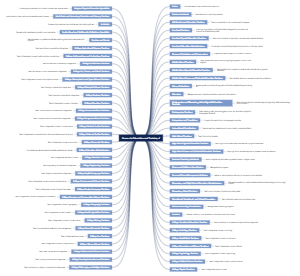
MindMap Gallery Timeline for Innovations in Education
Timeline for Innovations in Education
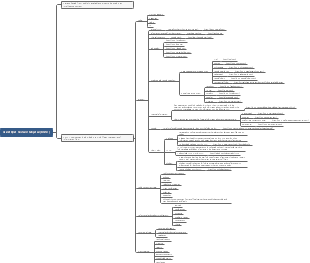
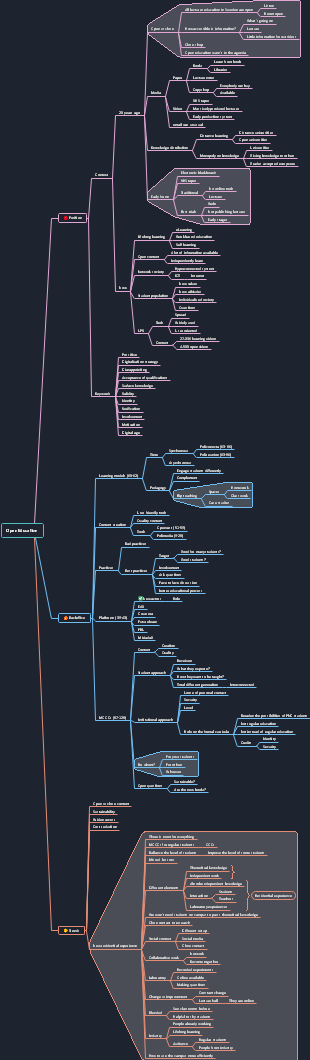
During the ancient civilization period, education began to take shape. Medieval education was greatly influenced by religion. The Renaissance brought about ideological liberation and promoted the development of education. The Enlightenment ideology emerged in the 18th century, emphasizing rationality and knowledge. These ideological trends led to the gradual establishment of a standardized education system in the 19th century, and education began to move towards popularization and standardization, laying the foundation for the formation of modern education and promoting the inheritance and innovation of human knowledge.
Edited at 2025-05-07 22:57:15
- RAG System Technical Architecture
This mind map, created with EdrawMind, provides a "Data Flow Overview" of the RAG (Retrieval-Augmented Generation) System Technical Architecture. It outlines the sequential steps involved in the system's operation, starting from user interaction where a teacher submits a request, moving through RAG system functionality that searches a vector database using the national curriculum, data enrichment by combining requests with found standards, AI model processing using a large language model for context-based response generation, and finally output generation of validated teaching materials. This structured flow ensures the production of high-quality educational content.
- Framework for Responsible and Effective Use of Artificial Intelligence
Questa mappa mentale presenta un framework dettagliato per l'uso responsabile ed efficace dell'intelligenza artificiale (IA) presso l'OOU "Blaze Koneski" Prilep. Il framework è suddiviso in diverse sezioni principali: Visione e Filosofia: Definisce i valori fondamentali come l'umanocentrismo, la trasparenza e l'accessibilità. Struttura di Governance: Include il Consiglio AI della scuola, il Tavolo di Supporto AI per gli insegnanti e altri organismi di lavoro. Strato Normativo Legale: Riguarda i documenti domestici, il codice etico per gli insegnanti e la conformità esterna. Dati, Privacy e Sicurezza: Si occupa della classificazione dei dati, delle misure tecniche e organizzative per la protezione dei dati. Quadro Pedagogico: Elenca gli usi consentiti e proibiti dell'IA in ambito educativo. Percorsi di Implementazione: Suddivisi in fasi di preparazione, cicli di implementazione e istituzionalizzazione. Ruoli e Responsabilità: Definisce i ruoli di pedagoghi, insegnanti, segretari, bibliotecari, studenti e genitori. Registro dei Rischi: Include un estratto del registro dei rischi con descrizioni e livelli di rischio. Monitoraggio e Valutazione: Si occupa dell'analisi dell'impatto sulla piattaforma, degli audit esterni annuali e degli strumenti di misurazione. Sviluppo Professionale: Comprende la formazione degli insegnanti sull'alfabetizzazione AI e l'ingegneria dei prompt. Comunicazione e Trasparenza: Prevede infografiche mensili, newsletter e discussioni di gruppo. Sostenibilità e Scalabilità: Si occupa della sostenibilità a lungo termine e della scalabilità del progetto. Standard Tecnici: Definisce i protocolli e i formati per l'IA nella scuola. Schema di Approvazione per Nuovi Strumenti AI: Include moduli di richiesta e processi di approvazione. Modelli e Moduli: Fornisce modelli per vari moduli come il modulo di consenso per l'uso dell'IA.
- Schema Architetturale (Vista Logica)
Questa mappa mentale presenta uno schema architetturale (vista logica) che si articola in due principali componenti: l'Infrastruttura di Rete (Network Infrastructure) e l'Infrastruttura Locale (Local Infrastructure), entrambe collegate all'Infrastruttura Cloud (Cloud Infrastructure). Infrastruttura di Rete: Comprende alimentazione via Ethernet per dispositivi connessi, ambienti di apprendimento interattivi per studenti (100 Smart Table), computing portatile per studenti e staff (25 Laptop) e accesso a risorse digitali e applicazioni per l'apprendimento (30 Chrome Tablets), utilizzando 3 switch PoE su rete classica. Infrastruttura Cloud: Include servizi aggiuntivi cloud dell'UE, Azure OpenAI GPT4o per capacità AI avanzate, Stability AI SDXL per modelli generativi, e VPN Tunnel IPSec per comunicazione sicura. Infrastruttura Locale: Copre School Edge Rack con Jetson AGX Orin 64GB per computing ad alte prestazioni, Nextcloud AIO per condivisione file, motore di workflow n8n, Keycloak IAM per gestione identità, PostgreSQL + Redis per soluzioni database, e UPS + impianto di energia solare per alimentazione ininterrotta e sostenibilità.
Timeline for Innovations in Education
- RAG System Technical Architecture
This mind map, created with EdrawMind, provides a "Data Flow Overview" of the RAG (Retrieval-Augmented Generation) System Technical Architecture. It outlines the sequential steps involved in the system's operation, starting from user interaction where a teacher submits a request, moving through RAG system functionality that searches a vector database using the national curriculum, data enrichment by combining requests with found standards, AI model processing using a large language model for context-based response generation, and finally output generation of validated teaching materials. This structured flow ensures the production of high-quality educational content.
- Framework for Responsible and Effective Use of Artificial Intelligence
Questa mappa mentale presenta un framework dettagliato per l'uso responsabile ed efficace dell'intelligenza artificiale (IA) presso l'OOU "Blaze Koneski" Prilep. Il framework è suddiviso in diverse sezioni principali: Visione e Filosofia: Definisce i valori fondamentali come l'umanocentrismo, la trasparenza e l'accessibilità. Struttura di Governance: Include il Consiglio AI della scuola, il Tavolo di Supporto AI per gli insegnanti e altri organismi di lavoro. Strato Normativo Legale: Riguarda i documenti domestici, il codice etico per gli insegnanti e la conformità esterna. Dati, Privacy e Sicurezza: Si occupa della classificazione dei dati, delle misure tecniche e organizzative per la protezione dei dati. Quadro Pedagogico: Elenca gli usi consentiti e proibiti dell'IA in ambito educativo. Percorsi di Implementazione: Suddivisi in fasi di preparazione, cicli di implementazione e istituzionalizzazione. Ruoli e Responsabilità: Definisce i ruoli di pedagoghi, insegnanti, segretari, bibliotecari, studenti e genitori. Registro dei Rischi: Include un estratto del registro dei rischi con descrizioni e livelli di rischio. Monitoraggio e Valutazione: Si occupa dell'analisi dell'impatto sulla piattaforma, degli audit esterni annuali e degli strumenti di misurazione. Sviluppo Professionale: Comprende la formazione degli insegnanti sull'alfabetizzazione AI e l'ingegneria dei prompt. Comunicazione e Trasparenza: Prevede infografiche mensili, newsletter e discussioni di gruppo. Sostenibilità e Scalabilità: Si occupa della sostenibilità a lungo termine e della scalabilità del progetto. Standard Tecnici: Definisce i protocolli e i formati per l'IA nella scuola. Schema di Approvazione per Nuovi Strumenti AI: Include moduli di richiesta e processi di approvazione. Modelli e Moduli: Fornisce modelli per vari moduli come il modulo di consenso per l'uso dell'IA.
- Schema Architetturale (Vista Logica)
Questa mappa mentale presenta uno schema architetturale (vista logica) che si articola in due principali componenti: l'Infrastruttura di Rete (Network Infrastructure) e l'Infrastruttura Locale (Local Infrastructure), entrambe collegate all'Infrastruttura Cloud (Cloud Infrastructure). Infrastruttura di Rete: Comprende alimentazione via Ethernet per dispositivi connessi, ambienti di apprendimento interattivi per studenti (100 Smart Table), computing portatile per studenti e staff (25 Laptop) e accesso a risorse digitali e applicazioni per l'apprendimento (30 Chrome Tablets), utilizzando 3 switch PoE su rete classica. Infrastruttura Cloud: Include servizi aggiuntivi cloud dell'UE, Azure OpenAI GPT4o per capacità AI avanzate, Stability AI SDXL per modelli generativi, e VPN Tunnel IPSec per comunicazione sicura. Infrastruttura Locale: Copre School Edge Rack con Jetson AGX Orin 64GB per computing ad alte prestazioni, Nextcloud AIO per condivisione file, motore di workflow n8n, Keycloak IAM per gestione identità, PostgreSQL + Redis per soluzioni database, e UPS + impianto di energia solare per alimentazione ininterrotta e sostenibilità.
- Recommended to you
- Outline