Differentiated competitive strategy choices for small and medium-sized enterprises
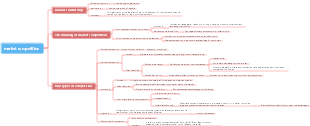
1. Strategic Cognitive Foundation
1. Analysis of core concepts
- Standard for defining small and medium-sized enterprises
▶ General Quantitative Standards
- Chinese industrial enterprises: ≤300 employees, revenue ≤200 million yuan, total assets ≤400 million yuan
- Technology-based enterprises: R&D personnel account for ≥10%, R&D investment account for ≥5%
▶ Industry segmentation standards
- Retail industry: ≤300 employees, operating income ≤200 million yuan
- Catering industry: ≤300 employees, operating income ≤100 million yuan
▶ International comparison reference
- EU: Employees ≤250, annual turnover ≤50 million euros
- United States: Manufacturing industry is divided by number of employees (less than 500 people), and service industry is divided by revenue
- Differentiation strategy connotation
▶ Essential Characteristics
- Create unique value propositions and form irreplaceable
- Build barriers to competitive zones and reduce homogeneity risks
▶ Implementation Dimension
- Product differentiation: function, design, quality
- Service differentiation: pre-sales, during-sales, after-sales
- Channel differentiation: online, offline, integration
- Brand differentiation: positioning, image, communication
- Operational differentiation: supply chain, production, cost
- Technology differentiation: R&D, application, protection
▶ Common cognitive misunderstandings
- Avoid blindly pursuing full-dimensional differences, resulting in resource dispersion
- Beware of excessive differentiation causing cost out of control
- Prevent pseudo-differentiation from market demand
- Strategic Value System
▶ Building competitive advantage
- Improve product premium capability (average premium of 15%-25%)
- Enhance customer loyalty (repurchase rate increased by 20%-30%)
- Expand market share (increase market share of 15%-20%)
▶ Survival and development security
- Reduce the risk of homogeneous competition (survival rate increases by 30%)
- Extend the life cycle of the enterprise (the average life span increases by 5-8 years)
▶ Continuous innovation momentum
- Inspire internal innovation vitality and form an innovative culture
- Promote all-round innovation in technology, models, management, etc.
2. Strategic evolution logic
- Germination stage (enterprise start-up stage, 0-3 years)
▶ Characteristics
- Spontaneous differential exploration based on founder experience and resources
- Mainly based on single-point breakthroughs, lack of systematic planning
▶ Typical Cases
- A handmade baking shop attracts customers with unique recipes
- Customized service model of home workshop clothing enterprises
- Development stage (growth and expansion period, 3-8 years)
▶ Characteristics
- Start systematically designing differentiated strategies
- Focus on product portfolio optimization and service system improvement
▶ Typical Cases
- Regional supermarket chain launches community customized products
- Small and medium-sized e-commerce companies create special product selection strategies
- Maturity stage (industry deepening period, 8-15 years)
▶ Characteristics
- Build an ecological differential competition system
- Form a technical patent pool and brand moat
▶ Typical Cases
- Specialized and innovative enterprises master core technology advantages
- Regional leading enterprises establish industrial collaborative innovation network
- Innovation stage (digital transformation period, more than 15 years)
▶ Characteristics
- Data-driven intelligent differentiation strategy
- Achieve full-link digital operations
▶ Typical Cases
- E-commerce companies realize personalized recommendations through algorithms
- Intelligent transformation and upgrading of traditional manufacturing enterprises
3. Strategic adaptation model
- Enterprise life cycle model
▶ Startup Strategy
- Focus on single-point breakthroughs and create hot products
- Control costs and quickly verify the market
▶ Growth Strategy
- Expand differentiation dimensions and build a competitive system
- Increase market investment and expand scale rapidly
▶ Maturity Strategy
- Deepen differentiated advantages and consolidate market position
- Explore new businesses and find the second growth curve
- Resource Capacity Matrix
▶ Strong resource enterprise strategy
- Technology-driven differences: Increase R&D investment (R&D proportion > 10%)
- Capital-driven difference: Integrating resources through mergers and acquisitions
▶ Weak resource enterprise strategy
- Model innovation-based differences: adopting light asset operation model
- Service innovation-oriented difference: providing high value-added services
- Market competition pattern
▶ Red Ocean Market Strategy
- Micro-innovation differences: Continuously optimize product details
- Cost Leadership Difference: Fine Cost Control
▶ Blue Ocean Market Strategy
- Disruptive Difference: Creating a New Consumer Products
- Experience innovation differences: creating the ultimate user experience
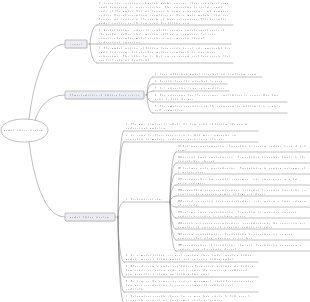
2. Differentiation strategic drivers
1. Driven by market demand
- Consumption upgrade trend
▶ Quality requirements upgrade
- The annual growth rate of mid-to-high-end market is 18%, and consumers pursue high-quality products
- Case: A domestic mobile phone brand launches high-end flagship models
▶ Personalized needs are highlighted
- The penetration rate of customized products reaches 35%, and consumers pursue uniqueness
- Case: A home furnishing company launches whole-house customization services
▶ Health and environmental protection demand grows
- The organic food market size has increased by 25% year-on-year, and consumers are concerned about health
- Case: A food company launches a series of products without additives
- Market segment blank
▶ Age stratification opportunities
- The silver economy market size exceeds 5 trillion yuan, and the demand for elderly products is strong
- Case: The rise of smart wearable devices brands in the elderly
▶ Scene Segment Opportunities
- The camping equipment market has increased by 40% year-on-year, and outdoor consumption has risen
- Case: A brand launches one-stop camping equipment set
▶ NIQUE Exploration
- The pet funeral service market has great potential
- Case: A pet service company conducts pet cremation business
- Changes in consumption behavior
▶ Online consumption preferences
- E-commerce shopping accounts for more than 65%, and live e-commerce has become a new trend
- Case: A clothing brand sells goods through Douyin live broadcast
▶ Social consumption model
- Internet celebrities account for 25% of the GMV of goods, and social fission spread
- Case: A beauty brand planted grass through Xiaohongshu
▶ Instant consumption demand
- Instant delivery service market size increased by 30% year-on-year
- Case: Fresh food e-commerce achieves 30-minute service
2. Driven by the competition environment
- Competitive pressure from giants
▶ Price war response strategy
- Develop high-value-added product lines to avoid price competition
- Case: Regional Dairy avoids Mengniu Yili's edge through low-temperature milk
▶ Market squeeze breakout
- Focus on the weak links of giants and sinking markets
- Case: A regional supermarket chain is deeply engaged in township markets
▶ Differentiated defense system
- Build multiple barriers such as technology, brand, and service
- Case: A local catering brand creates a unique taste
- Dilemma of industry homogeneity
▶ Product convergence problem
- Traditional manufacturing industry generally faces product homogeneity
- Case: Small and medium-sized furniture companies lack characteristics in their products
▶ Breakthrough innovation path
- Craft Innovation: Integrating Intangible Cultural Heritage Techniques
- Case: A ceramic enterprise adopts ancient firing process
- Design Innovation: Introducing Cross-border Designers
- Case: A stationery brand and an illustrator design
- Cross-border competition threat
▶ Cross-border impact of Internet companies
- For example, ByteDance's entry into the field of education brings new challenges
- Case: Traditional educational institutions face competition in online education
▶ Defensive transformation strategy
- Build technical barriers and enhance core competitiveness
- Case: A software company strengthens R&D investment
- Establish an ecological alliance to realize resource sharing
- Case: A retail company cooperates with suppliers in depth
3. Enterprise resource driver
- Core technology advantages
▶ Patent reserve layout
- Hold more than 3 core patents to form technical barriers
- Case: Exclusive testing technology of a precision instrument company
▶ Technical iteration mechanism
- Establish a quarterly R&D update mechanism to maintain the lead
- Case: A technology company continues to optimize product performance
▶ Industry-university-research cooperation model
- Joint research and development with universities and research institutions
- Case: A pharmaceutical company and a university jointly build a laboratory
- Unique resource endowment
▶ Regional resource advantages
- The origin advantages of Yunnan coffee companies
- Case: A coffee brand creates IP of origin
▶ Human Resources Network
- Industry connection resources for family businesses
- Case: A trading company uses its connections to expand its business
▶ Historical and Cultural Resources
- Brand inheritance of time-honored enterprises
- Case: A century-old store innovates its business model
- Organizational capability advantages
▶ Agile decision-making mechanism
- Complete project approval within 72 hours and respond quickly
- Case: An Internet company quickly adjusts its product strategy
▶ Quick response capability
- 48 hours of product iteration to adapt to market changes
- Case: A fast fashion brand’s new weekly mechanism
▶ Learning organization construction
- Regularly organize internal training and external learning
- Case: A company establishes a knowledge sharing platform
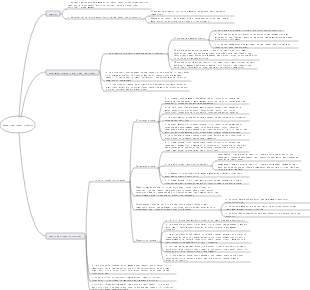
3. Differentiated strategic selection framework
1. Product differentiation (Sixth-level deep expansion)
- Functional innovation dimension
1. Basic functions enhancement
- Case: A smart lock adds facial recognition function
- Technology application: 3D structured light technology
- R&D process: demand research → technology selection → development testing → online optimization
2. Additional function development
- Case: A child's watch adds positioning alarm function
- Usage scenario: Parental safety requirements scenario
- Market feedback: Satisfaction increased by 40%
3. Technology iteration and upgrade
- Case: The range of an electric vehicle is increased to 1,000 kilometers
- Technical breakthrough: Application of solid-state battery technology
- R&D investment: accounting for 15% of revenue
- Design innovation dimension
1. Appearance design
- Case: National trend design of the Palace Museum's cultural and creative
- Design elements: Modern application of traditional patterns
- Market effect: Sales increase by 60%
2. Packaging design
- Case: Degradable packaging of a tea brand
- Material selection: Environmentally friendly and recyclable materials
- Brand value: Enhance the environmental protection image
3. Interaction design
- Case: The minimalist operation interface of a certain APP
- Design principle: User experience first
- User retention rate: 35% increase
- Quality innovation dimension
1. Raw materials upgrade
- Case: A certain milk powder uses organic milk source
- Quality Standard: EU Organic Certification
- Cost control: Establishing long-term cooperative ranches
2. Process improvement
- Case: Glaze treatment technology of a ceramic enterprise
- Craft Features: Unique Texture Effect
- Technical patent: Obtained 5 patents
3. Quality control
- Case: The HACCP system of a food company
- Management and control process: full-chain monitoring
- Quality accident rate: reduced to 0.1%
2. Service differentiation (five-level system construction)
-Pre-sales service
1. Demand Diagnosis
- Case: House type analysis service of a decoration company
- Tool usage: 3D apartment simulation software
- Service process: reservation → door-to-door measurement → solution design
2. Customization of the plan
- Case: A personalized training plan of a fitness institution
- Customization process: physical fitness testing → target setting → plan formulation
- Customer satisfaction: up to 90%
- On-sale service
1. Delivery guarantee
- Case: Free installation service for a furniture company
- Service standard: on-site installation within 24 hours
- Installation team: Professional training certification
2. Progress tracking
- Case: Real-time positioning system of a logistics company
- Technology Application: GPS Internet of Things
- Customer query: APP real-time viewing
- After-sales service
1. Quick response
- Case: 4-hour home repair by a home appliance company
- Response mechanism: regional maintenance outlet layout
- Maintenance time: 95% of the problems solved on the same day
2. Value-added services
- Case: Free maintenance package for a car brand
- Service Strategy: Extend customer life cycle
- Customer stickiness: 30% increase
3. Customer Care
- Case: Push parenting knowledge of a maternal and child brand
- Push method: Community operation AI customer service
- User activity: 45% increase
3. Channel differentiation (four-level architecture construction)
- Online Channels
1. E-commerce platform
- Case: A certain agricultural product brand entered Pinduoduo
- Operation strategy: group buying model to attract traffic
- Marketing Activities: 10 billion subsidies to participate
2. Social e-commerce
- Case: A beauty brand’s WeChat mini program mall
- Fission gameplay: Distribution rebate mechanism
- Traffic acquisition: Moments advertising
3. Live e-commerce
- Case: TikTok Live Room of a Clothing Brand
- Scenario-based tips: Scenario-based goods
- Data optimization: real-time adjustment of speech
- Offline channels
1. Experience store
- Case: Immersive exhibition hall of a smart home brand
- Space design: Scene display
- Customer conversion: 30% purchase rate after experience
2. Community Store
- Case: Community Service Center of a Convenience Store
- Functional settings: collection and delivery, convenient services
- Customer stickiness: 8 per month
3. Customized channels
- Case: Enterprise customization service of a gift company
- Cooperation model: B2B2C
- Service process: demand communication → design and proofing → mass production
- Channel Innovation
1. OMO mode
- Case: Online orders by a catering brand offline pickup
- System construction: Member data is connected
- Operational effect: Customer flow increased by 25%
2. Unmanned retail
- Case: A certain beverage brand's smart vending machine
- Technology application: AI visual recognition
- Operational data: failure rate <5%
3. Shared channels
- Case: A stationery brand entered a shared office space
- Cooperation method: resource replacement
- Brand exposure: Average monthly reach 1,000 people
4. Brand differentiation (deepening of the sixth-level system)
- Positioning differentiation
1. Market positioning
- Case: Jiang Xiaobai's positioning of youth wine
- Positioning strategy: Accurate population segmentation
- Marketing Communication: Social Media Interaction
2. Value positioning
- Case: Tesla's technological pioneer positioning
- Core Value: Innovation-driven
- Brand Slogan: Accelerate the Transformation of the World to Sustainable Energy
- Image Differentiation
1. Visual image
- Case: Mixue Bingcheng's IP image design
- Design element: Snowman Bright color matching
- Communication effect: Brand recognition increased by 60%
2. Brand Story
- Case: Lao Ganma's entrepreneurial story spread
- Communication method: emotional resonance
- Brand loyalty: repurchase rate reaches 70%
- Communication differentiation
1. Content Marketing
- Case: A short video of the ingredients of a skin care brand
- Content form: Knowledge and dry goods
- Dissemination data: playback volume exceeds 10 million
2. Event Marketing
- Case: A joint activity of a milk tea brand
- Marketing Strategy: Cross-border Cooperation
- Topic popularity: Top 10 hot search list on Weibo
3. Word of mouth marketing
- Case: UGC communication of a certain catering brand
- Incentive mechanism: Reward mechanism
- Communication effect: 50% of new users are recommended
5. Operational differentiation (five-level architecture optimization)
- supply chain management
1. Flexible supply
- Case: A clothing company's small order quick counter mode
- Production process: 7 days of rapid production
- Inventory turnover: Increased to 12 times per year
2. Green supply chain
- Case: FSC certified wood from a furniture company
- Procurement Standard: Sustainable Procurement
- Environmental benefits: 30% reduction in carbon emissions
- Production Management
1. Lean Production
- Case: 5S management of a machinery company
- Management objectives: 30% efficiency improvement
- Implementation effect: 20% reduction in production costs
2. Intelligent manufacturing
- Case: An automated production line of an electronics company
- Technology application: Industrial robot
- Production efficiency: 50% increase
- Cost control
1. Fine management
- Case: Food loss monitoring of a catering company
- Management Tools: ERP System
- Loss rate: reduced to 3%
2. Cost innovation
- Case: New materials application of a packaging company
- Cost effect: 20% reduction
- Technical patent: Obtained 3 patents
- Quality Management
1. Standardization system
- Case: ISO22000 certification of a food company
- Management requirements: Full process control
- Quality stability: 40% improvement
2. Quality traceability
- Case: Blockchain traceability of a certain agricultural product
- Technology Application: Distributed Ledger
- Consumer trust: 50% increase
6. Technology differentiation (Sixth-level system innovation)
- Core technology research and development
1. Independent research and development
- Case: A chip company's breakthrough in process technology
- R&D investment: annual R&D accounts for 20%
- R&D team: Doctoral degree accounts for 30%
2. Cooperative research and development
- Case: A joint laboratory of a pharmaceutical company and a university
- Cooperation model: industry, education and research
 Wondershare EdrawMind