Wondershare EdrawMind
MindMap Gallery Bolivia History Timeline
Bolivia History Timeline
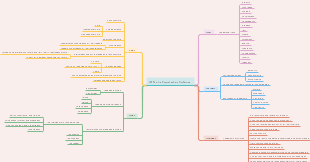
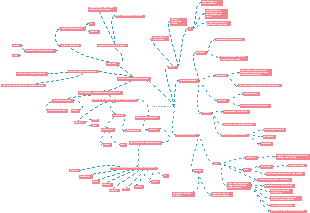
The Bolivian Timeline is a systematic overview tool designed for history researchers, students, and culture enthusiasts, comprehensively showcasing the long evolution of this Andean nation from prehistoric civilization to its modern republic. This template is divided into eight historical periods: "Pre-Columbian Civilization" traces the rise of the Tiwanaku civilization (approximately 400-1000 AD, a significant center of Andean civilization) and the expansion of the Inca Empire (incorporating the Bolivian Highlands into its territory in the late 15th century); "Spanish Conquest and Colonial Period" analyzes the arrival of Spanish conquistadors in 1538, the establishment of the Viceroyalty of Upper Peru, the exploitation of the Potosí silver mines (becoming a global center of silver production), and their profound impact on indigenous societies; "War of Independence and Establishment of the Republic" records the 1809 La Paz uprising (one of the early independence movements in Latin America), the establishment of independence under Bolívar's leadership in 1825, and the establishment of the country's name after Simón Bolívar, the "Liberator"; "Early Republic and Political Turmoil" explores the political instability, frequent coups, and territorial losses after independence (too many to list). The text discusses several key aspects of Bolivia's social structure, including the loss of access to the sea after the Pacific War, the profound impact of Caudilloism on the nation, the Chaco War (1932-1935) and the subsequent social changes and awakening of indigenous rights consciousness, the Revolutionary Period (1952) detailing the social revolution led by the nationalist revolutionary movement—mining nationalization, land reform, and the establishment of universal suffrage—which profoundly reshaped Bolivia's social structure. It also covers the period of military dictatorship, human rights suppression, and the restoration of democracy in 1982. Finally, it examines contempor
Edited at 2026-03-20 01:34:42
- New Employee First - week Onboarding Plan
Mappa mentale per il piano di inserimento dei nuovi dipendenti nella prima settimana. Strutturata per giorni: Giorno 1 – benvenuto, configurazione strumenti, presentazione team. Secondo giorno – formazione su policy aziendali e obiettivi del ruolo. Terzo giorno – affiancamento e primi task guidati. Il quarto giorno – riunioni con dipartimenti chiave e feedback intermedio. Il quinto giorno – revisione settimanale, definizione obiettivi a breve termine e integrazione culturale.
- Analisi del campo di allenamento inglese
Mappa mentale per l’analisi della formazione francese ai Mondiali 2026. Punti chiave: attacco stellare guidato da Mbappé, con triplice minaccia (profondità, taglio, sponda). Criticità: centrocampo poco creativo – la costruzione offensiva dipende dagli attaccanti che arretrano. Difesa solida (Upamecano, Saliba, Koundé). Portiere Maignan. Variabili: gestione infortuni e condizione fisica dei big. Ideale per scout, giornalisti e tifosi.
- Analisi della lineup francese
Mappa mentale per l’analisi della formazione francese ai Mondiali 2026. Punti chiave: attacco stellare guidato da Mbappé, con triplice minaccia (profondità, taglio, sponda). Criticità: centrocampo poco creativo – la costruzione offensiva dipende dagli attaccanti che arretrano. Difesa solida (Upamecano, Saliba, Koundé). Portiere Maignan. Variabili: gestione infortuni e condizione fisica dei big. Ideale per scout, giornalisti e tifosi.
Bolivia History Timeline
- New Employee First - week Onboarding Plan
Mappa mentale per il piano di inserimento dei nuovi dipendenti nella prima settimana. Strutturata per giorni: Giorno 1 – benvenuto, configurazione strumenti, presentazione team. Secondo giorno – formazione su policy aziendali e obiettivi del ruolo. Terzo giorno – affiancamento e primi task guidati. Il quarto giorno – riunioni con dipartimenti chiave e feedback intermedio. Il quinto giorno – revisione settimanale, definizione obiettivi a breve termine e integrazione culturale.
- Analisi del campo di allenamento inglese
Mappa mentale per l’analisi della formazione francese ai Mondiali 2026. Punti chiave: attacco stellare guidato da Mbappé, con triplice minaccia (profondità, taglio, sponda). Criticità: centrocampo poco creativo – la costruzione offensiva dipende dagli attaccanti che arretrano. Difesa solida (Upamecano, Saliba, Koundé). Portiere Maignan. Variabili: gestione infortuni e condizione fisica dei big. Ideale per scout, giornalisti e tifosi.
- Analisi della lineup francese
Mappa mentale per l’analisi della formazione francese ai Mondiali 2026. Punti chiave: attacco stellare guidato da Mbappé, con triplice minaccia (profondità, taglio, sponda). Criticità: centrocampo poco creativo – la costruzione offensiva dipende dagli attaccanti che arretrano. Difesa solida (Upamecano, Saliba, Koundé). Portiere Maignan. Variabili: gestione infortuni e condizione fisica dei big. Ideale per scout, giornalisti e tifosi.
- Recommended to you
- Outline