Wondershare EdrawMind
MindMap Gallery Uruguay History Timeline
Uruguay History Timeline
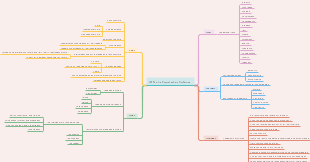
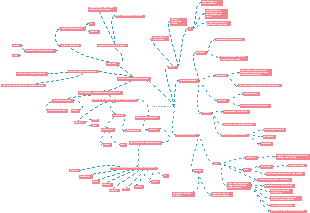
The Uruguay History Timeline is a systematic review tool for history researchers, students, and culture enthusiasts, comprehensively presenting this small South American nation’s unique trajectory as a “buffer state” between Argentina and Brazil. This timeline organizes key periods: Indigenous Roots & First European Contacts (pre-1500s–1720s) traces Charrúa and other Indigenous groups in hunting, gathering, and seasonal movement; Díaz de Solís reaches Río de la Plata (1516); 16th–17th centuries Spanish and Portuguese interest grows slowly; Portugal founds Colonia do Sacramento (1680), triggering rivalry over the Banda Oriental; early 1700s cattle herding expands, anchoring pastoral economy. Colonial Consolidation & Border Rivalry (1720s–1810) records Spain establishing Montevideo (1724–1726) as garrison and port countering Portugal; mid-1700s gaucho pastoral culture forms; hides, tallow, salted meat become major exports; Viceroyalty of Río de la Plata created (1778); late 1700s–early 1800s repeated territorial disputes between Spanish and Portuguese forces. Independence Era & Regional Struggles (1811–1828) Analysis Artigas’s independence movement; Las Piedras battle (1811); Portuguese invasion and Brazilian annexation (1816–1820); Thirty-Three Orientales uprising (1825); Treaty of Montevideo (1828) establishes Uruguay as independent buffer between Argentina and Brazil. Republic Building & Modernization records 1830 constitution; Colorado and Blanco party factions; Batlle y Ordóñez’s social reforms (welfare, labor rights) late 19th–early 20th century; “Switzerland of Latin America” image emerges. Democratic Tradition & Contemporary Uruguay examines 1973–1985 military dictatorship, post-1985 democratic recovery, and progressive policies on cannabis legalization, same-sex marriage, and clean energy in the 21st century. This timeline captures Uruguay’s unique trajectory as a South American exemplar of peace and democracy, revealing deep foundations in pastoral traditi
Edited at 2026-03-20 01:34:49
- New Employee First - week Onboarding Plan
Mappa mentale per il piano di inserimento dei nuovi dipendenti nella prima settimana. Strutturata per giorni: Giorno 1 – benvenuto, configurazione strumenti, presentazione team. Secondo giorno – formazione su policy aziendali e obiettivi del ruolo. Terzo giorno – affiancamento e primi task guidati. Il quarto giorno – riunioni con dipartimenti chiave e feedback intermedio. Il quinto giorno – revisione settimanale, definizione obiettivi a breve termine e integrazione culturale.
- Analisi del campo di allenamento inglese
Mappa mentale per l’analisi della formazione francese ai Mondiali 2026. Punti chiave: attacco stellare guidato da Mbappé, con triplice minaccia (profondità, taglio, sponda). Criticità: centrocampo poco creativo – la costruzione offensiva dipende dagli attaccanti che arretrano. Difesa solida (Upamecano, Saliba, Koundé). Portiere Maignan. Variabili: gestione infortuni e condizione fisica dei big. Ideale per scout, giornalisti e tifosi.
- Analisi della lineup francese
Mappa mentale per l’analisi della formazione francese ai Mondiali 2026. Punti chiave: attacco stellare guidato da Mbappé, con triplice minaccia (profondità, taglio, sponda). Criticità: centrocampo poco creativo – la costruzione offensiva dipende dagli attaccanti che arretrano. Difesa solida (Upamecano, Saliba, Koundé). Portiere Maignan. Variabili: gestione infortuni e condizione fisica dei big. Ideale per scout, giornalisti e tifosi.
Uruguay History Timeline
- New Employee First - week Onboarding Plan
Mappa mentale per il piano di inserimento dei nuovi dipendenti nella prima settimana. Strutturata per giorni: Giorno 1 – benvenuto, configurazione strumenti, presentazione team. Secondo giorno – formazione su policy aziendali e obiettivi del ruolo. Terzo giorno – affiancamento e primi task guidati. Il quarto giorno – riunioni con dipartimenti chiave e feedback intermedio. Il quinto giorno – revisione settimanale, definizione obiettivi a breve termine e integrazione culturale.
- Analisi del campo di allenamento inglese
Mappa mentale per l’analisi della formazione francese ai Mondiali 2026. Punti chiave: attacco stellare guidato da Mbappé, con triplice minaccia (profondità, taglio, sponda). Criticità: centrocampo poco creativo – la costruzione offensiva dipende dagli attaccanti che arretrano. Difesa solida (Upamecano, Saliba, Koundé). Portiere Maignan. Variabili: gestione infortuni e condizione fisica dei big. Ideale per scout, giornalisti e tifosi.
- Analisi della lineup francese
Mappa mentale per l’analisi della formazione francese ai Mondiali 2026. Punti chiave: attacco stellare guidato da Mbappé, con triplice minaccia (profondità, taglio, sponda). Criticità: centrocampo poco creativo – la costruzione offensiva dipende dagli attaccanti che arretrano. Difesa solida (Upamecano, Saliba, Koundé). Portiere Maignan. Variabili: gestione infortuni e condizione fisica dei big. Ideale per scout, giornalisti e tifosi.
- Recommended to you
- Outline