Wondershare EdrawMind
MindMap Gallery Chile History Timeline
Chile History Timeline
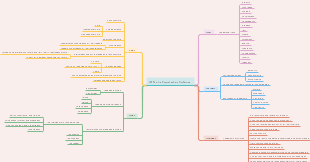
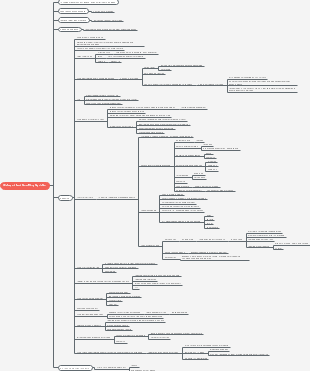
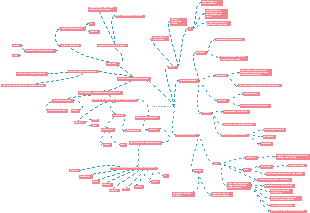
The Chile History Timeline is a systematic review tool for history researchers, students, and culture enthusiasts, comprehensively presenting this narrow Pacific coast nation’s unique trajectory from prehistoric civilizations to modern mineral-driven development. This timeline organizes key periods: Geography & Deep Prehistory (before 1536) Chile’s defining features: long Pacific coastline shaping early settlement and fishing economies; Andes forming natural eastern barrier creating coast–valley–mountain ecological zones; northern Atacama Desert and mineral-rich geology underpinning future extractive booms; c. 12,000 BCE–1500 CE Indigenous societies (Chinchorro, Diaguita, Mapuche) adapting to arid coasts, fertile central valleys, forested south; late 1400s–early 1500s Inca expansion reaching northern/central Chile, southern Mapuche lands remaining outside imperial control. Spanish Conquest, Colony, and Arauco Frontier (1536–1810) records 1536–1541 Spanish incursions, 1541 founding of Santiago; 1550s–1600s prolonged Arauco War with Mapuche develop establishing lasting frontier; colonies around central-valley agriculture and livestock; coastal ports connect Pacific trade. Independence and Early Republic (1810–1830) analysis local governing junta (1810); 1814–1817 Andes become strategically decisive with Army of the Andes crossing; 1818 formal independence declaration; 1820s institutional experimentation. Republic Building and Mining Cycles explores 19th-century nitrate and copper booms, War of the Pacific (1879–1884) securing northern nitrate fields, 1891 civil war and parliamentary period. 20th Century and Contemporary Chile examines industrialization and social reforms, 1973 military coup, Pinochet era, 1990 democratic restoration, and 21st-century social movements and constitutional processes. Copper remains Chile’s economic backbone. This timeline captures Chile’s unique trajectory as the “Andean-Pacific crossroads,” revealing deep foundations in mineral wealth,
Edited at 2026-03-20 01:34:55
- New Employee First - week Onboarding Plan
Mappa mentale per il piano di inserimento dei nuovi dipendenti nella prima settimana. Strutturata per giorni: Giorno 1 – benvenuto, configurazione strumenti, presentazione team. Secondo giorno – formazione su policy aziendali e obiettivi del ruolo. Terzo giorno – affiancamento e primi task guidati. Il quarto giorno – riunioni con dipartimenti chiave e feedback intermedio. Il quinto giorno – revisione settimanale, definizione obiettivi a breve termine e integrazione culturale.
- Analisi del campo di allenamento inglese
Mappa mentale per l’analisi della formazione francese ai Mondiali 2026. Punti chiave: attacco stellare guidato da Mbappé, con triplice minaccia (profondità, taglio, sponda). Criticità: centrocampo poco creativo – la costruzione offensiva dipende dagli attaccanti che arretrano. Difesa solida (Upamecano, Saliba, Koundé). Portiere Maignan. Variabili: gestione infortuni e condizione fisica dei big. Ideale per scout, giornalisti e tifosi.
- Analisi della lineup francese
Mappa mentale per l’analisi della formazione francese ai Mondiali 2026. Punti chiave: attacco stellare guidato da Mbappé, con triplice minaccia (profondità, taglio, sponda). Criticità: centrocampo poco creativo – la costruzione offensiva dipende dagli attaccanti che arretrano. Difesa solida (Upamecano, Saliba, Koundé). Portiere Maignan. Variabili: gestione infortuni e condizione fisica dei big. Ideale per scout, giornalisti e tifosi.
Chile History Timeline
- New Employee First - week Onboarding Plan
Mappa mentale per il piano di inserimento dei nuovi dipendenti nella prima settimana. Strutturata per giorni: Giorno 1 – benvenuto, configurazione strumenti, presentazione team. Secondo giorno – formazione su policy aziendali e obiettivi del ruolo. Terzo giorno – affiancamento e primi task guidati. Il quarto giorno – riunioni con dipartimenti chiave e feedback intermedio. Il quinto giorno – revisione settimanale, definizione obiettivi a breve termine e integrazione culturale.
- Analisi del campo di allenamento inglese
Mappa mentale per l’analisi della formazione francese ai Mondiali 2026. Punti chiave: attacco stellare guidato da Mbappé, con triplice minaccia (profondità, taglio, sponda). Criticità: centrocampo poco creativo – la costruzione offensiva dipende dagli attaccanti che arretrano. Difesa solida (Upamecano, Saliba, Koundé). Portiere Maignan. Variabili: gestione infortuni e condizione fisica dei big. Ideale per scout, giornalisti e tifosi.
- Analisi della lineup francese
Mappa mentale per l’analisi della formazione francese ai Mondiali 2026. Punti chiave: attacco stellare guidato da Mbappé, con triplice minaccia (profondità, taglio, sponda). Criticità: centrocampo poco creativo – la costruzione offensiva dipende dagli attaccanti che arretrano. Difesa solida (Upamecano, Saliba, Koundé). Portiere Maignan. Variabili: gestione infortuni e condizione fisica dei big. Ideale per scout, giornalisti e tifosi.
- Recommended to you
- Outline