Wondershare EdrawMind
MindMap Gallery Argentina History Timeline
Argentina History Timeline
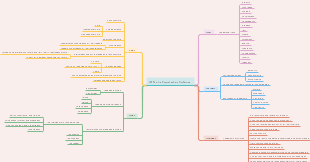
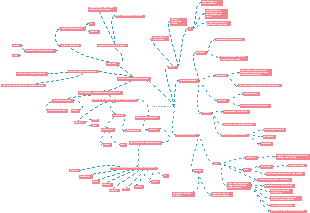
The Argentina History Timeline is a systematic review tool for history researchers, students, and culture enthusiasts, comprehensively presenting this South American nation’s evolution from Indigenous civilizations to modern statehood. This timeline organizes key periods: Pre-Colonial & Indigenous Worlds (before 1516) parsing geographic and cultural diversity: Pampas (mobile hunter-gatherer lifestyles, trade networks across grasslands); Andes & northwest (agriculture, terracing, regional polities linked to Andean exchanges); northeast (Mesopotamia) (river-based communities, interaction corridors along Paraná and Uruguay rivers). Early European Contact & Colonial Foundations (1516–1776) records 1518 first Spanish Río de la Plata expedition; 1538 first Buenos Aires settlement attempt fails; 1580 Buenos Aires refounded as strategic Atlantic gateway under tight trade rules, smuggling and local merchant power growing; 1600s–1700s colonial ranching expands, frontier war intensifies—cattle and horse culture spreads across Pampas, gaucho tradition emerges; Jesuit missions (1600s–1767) organize labor and production in northeast; 1767 Jesuit expulsion reshapes region. Imperial Reorganization & Road to Revolution (1776–1810) Analysis 1776 Viceroyalty of the Río de la Plata created with Buenos Aires as capital; 1806–1807 British invasions repelled by local militias, boosting autonomy sentiment; 1810 May Revolution establishes first homegrown government. Independence & Civil Wars (1810–1861) records 1816 independence declared at Congress of Tucumán; centralist-federalist civil wars; Rosas era; 1853 constitution establishing federal system. Nation Building & Modernization explores late 19th-century agricultural export boom, railway expansion, European immigration waves, and 20th-century political transformations—Peronism, 1976–1983 military dictatorship, Falklands War, democratic restoration, and contemporary society. This timeline captures Argentina’s full historical arc from
Edited at 2026-03-20 01:34:56
- New Employee First - week Onboarding Plan
Mappa mentale per il piano di inserimento dei nuovi dipendenti nella prima settimana. Strutturata per giorni: Giorno 1 – benvenuto, configurazione strumenti, presentazione team. Secondo giorno – formazione su policy aziendali e obiettivi del ruolo. Terzo giorno – affiancamento e primi task guidati. Il quarto giorno – riunioni con dipartimenti chiave e feedback intermedio. Il quinto giorno – revisione settimanale, definizione obiettivi a breve termine e integrazione culturale.
- Analisi del campo di allenamento inglese
Mappa mentale per l’analisi della formazione francese ai Mondiali 2026. Punti chiave: attacco stellare guidato da Mbappé, con triplice minaccia (profondità, taglio, sponda). Criticità: centrocampo poco creativo – la costruzione offensiva dipende dagli attaccanti che arretrano. Difesa solida (Upamecano, Saliba, Koundé). Portiere Maignan. Variabili: gestione infortuni e condizione fisica dei big. Ideale per scout, giornalisti e tifosi.
- Analisi della lineup francese
Mappa mentale per l’analisi della formazione francese ai Mondiali 2026. Punti chiave: attacco stellare guidato da Mbappé, con triplice minaccia (profondità, taglio, sponda). Criticità: centrocampo poco creativo – la costruzione offensiva dipende dagli attaccanti che arretrano. Difesa solida (Upamecano, Saliba, Koundé). Portiere Maignan. Variabili: gestione infortuni e condizione fisica dei big. Ideale per scout, giornalisti e tifosi.
Argentina History Timeline
- New Employee First - week Onboarding Plan
Mappa mentale per il piano di inserimento dei nuovi dipendenti nella prima settimana. Strutturata per giorni: Giorno 1 – benvenuto, configurazione strumenti, presentazione team. Secondo giorno – formazione su policy aziendali e obiettivi del ruolo. Terzo giorno – affiancamento e primi task guidati. Il quarto giorno – riunioni con dipartimenti chiave e feedback intermedio. Il quinto giorno – revisione settimanale, definizione obiettivi a breve termine e integrazione culturale.
- Analisi del campo di allenamento inglese
Mappa mentale per l’analisi della formazione francese ai Mondiali 2026. Punti chiave: attacco stellare guidato da Mbappé, con triplice minaccia (profondità, taglio, sponda). Criticità: centrocampo poco creativo – la costruzione offensiva dipende dagli attaccanti che arretrano. Difesa solida (Upamecano, Saliba, Koundé). Portiere Maignan. Variabili: gestione infortuni e condizione fisica dei big. Ideale per scout, giornalisti e tifosi.
- Analisi della lineup francese
Mappa mentale per l’analisi della formazione francese ai Mondiali 2026. Punti chiave: attacco stellare guidato da Mbappé, con triplice minaccia (profondità, taglio, sponda). Criticità: centrocampo poco creativo – la costruzione offensiva dipende dagli attaccanti che arretrano. Difesa solida (Upamecano, Saliba, Koundé). Portiere Maignan. Variabili: gestione infortuni e condizione fisica dei big. Ideale per scout, giornalisti e tifosi.
- Recommended to you
- Outline