Wondershare EdrawMind
MindMap Gallery Brazil History Timeline
Brazil History Timeline
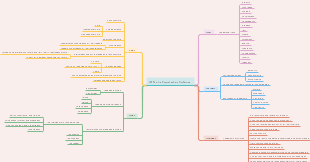
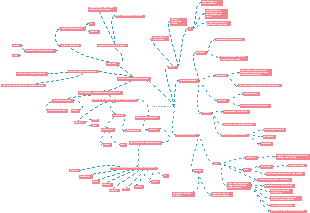
The Brazil History Timeline is a systematic review tool for history researchers, students, and culture enthusiasts, comprehensively presenting South America’s largest nation from Indigenous civilizations through colonial empire to modern global power. This timeline organizes key periods: Geographic Foundations (Prehistory–1491) analyzes Brazil’s natural endowments: Amazon Basin (world’s largest tropical rainforest), Atlantic Forest (coastal biodiversity hotspot later heavily reduced), Cerrado savanna, Pantanal wetlands, Caatinga semi-arid scrub, Brazilian Highlands shaping interior settlement. Indigenous societies adapt to diverse environments: Amazon riverine communities, coastal groups, interior plateau societies; long-distance exchange networks (stone, ceramics, crops) linking coast, forest, savanna; land-use practices (managed forests, agroforestry, controlled burning) shaping local ecologies. First Contact and Early Portuguese Colonization (1492–1579) records 1494 Treaty of Tordesillas placing Brazil in Portuguese sphere; 1500 Cabral reaches Brazilian coast; 1500s braziwood extraction and coastal trade focus. Colonial Society and Sugar Economy explores 16th–17th century sugar plantations, African slave trade, Dutch invasion of northeast (1624–1654); bandeirantes expanding inland territory. Empire and Independence (1822–1889) Analysis 1822 Pedro I declares independence, establishing Brazilian Empire; 1888 Golden Law abolishes slavery; 1889 military coup establishes republic. Republic and Modern Brazil examines 20th-century industrialization and urbanization, Vargas era, 1964–1985 military dictatorship, democratic restoration, and 21st-century socio-economic development with environmental challenges—Amazon rainforest protection becoming global focus. This timeline captures Brazil’s unique trajectory as a “continental nation,” revealing complex intersections of geographic diversity, colonial legacy, and contemporary challenges.
Edited at 2026-03-20 01:34:58
- New Employee First - week Onboarding Plan
Mappa mentale per il piano di inserimento dei nuovi dipendenti nella prima settimana. Strutturata per giorni: Giorno 1 – benvenuto, configurazione strumenti, presentazione team. Secondo giorno – formazione su policy aziendali e obiettivi del ruolo. Terzo giorno – affiancamento e primi task guidati. Il quarto giorno – riunioni con dipartimenti chiave e feedback intermedio. Il quinto giorno – revisione settimanale, definizione obiettivi a breve termine e integrazione culturale.
- Analisi del campo di allenamento inglese
Mappa mentale per l’analisi della formazione francese ai Mondiali 2026. Punti chiave: attacco stellare guidato da Mbappé, con triplice minaccia (profondità, taglio, sponda). Criticità: centrocampo poco creativo – la costruzione offensiva dipende dagli attaccanti che arretrano. Difesa solida (Upamecano, Saliba, Koundé). Portiere Maignan. Variabili: gestione infortuni e condizione fisica dei big. Ideale per scout, giornalisti e tifosi.
- Analisi della lineup francese
Mappa mentale per l’analisi della formazione francese ai Mondiali 2026. Punti chiave: attacco stellare guidato da Mbappé, con triplice minaccia (profondità, taglio, sponda). Criticità: centrocampo poco creativo – la costruzione offensiva dipende dagli attaccanti che arretrano. Difesa solida (Upamecano, Saliba, Koundé). Portiere Maignan. Variabili: gestione infortuni e condizione fisica dei big. Ideale per scout, giornalisti e tifosi.
Brazil History Timeline
- New Employee First - week Onboarding Plan
Mappa mentale per il piano di inserimento dei nuovi dipendenti nella prima settimana. Strutturata per giorni: Giorno 1 – benvenuto, configurazione strumenti, presentazione team. Secondo giorno – formazione su policy aziendali e obiettivi del ruolo. Terzo giorno – affiancamento e primi task guidati. Il quarto giorno – riunioni con dipartimenti chiave e feedback intermedio. Il quinto giorno – revisione settimanale, definizione obiettivi a breve termine e integrazione culturale.
- Analisi del campo di allenamento inglese
Mappa mentale per l’analisi della formazione francese ai Mondiali 2026. Punti chiave: attacco stellare guidato da Mbappé, con triplice minaccia (profondità, taglio, sponda). Criticità: centrocampo poco creativo – la costruzione offensiva dipende dagli attaccanti che arretrano. Difesa solida (Upamecano, Saliba, Koundé). Portiere Maignan. Variabili: gestione infortuni e condizione fisica dei big. Ideale per scout, giornalisti e tifosi.
- Analisi della lineup francese
Mappa mentale per l’analisi della formazione francese ai Mondiali 2026. Punti chiave: attacco stellare guidato da Mbappé, con triplice minaccia (profondità, taglio, sponda). Criticità: centrocampo poco creativo – la costruzione offensiva dipende dagli attaccanti che arretrano. Difesa solida (Upamecano, Saliba, Koundé). Portiere Maignan. Variabili: gestione infortuni e condizione fisica dei big. Ideale per scout, giornalisti e tifosi.
- Recommended to you
- Outline