Wondershare EdrawMind
MindMap Gallery Jamaica History Timeline
Jamaica History Timeline
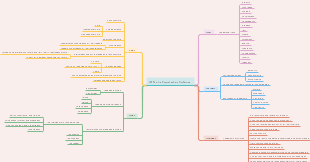
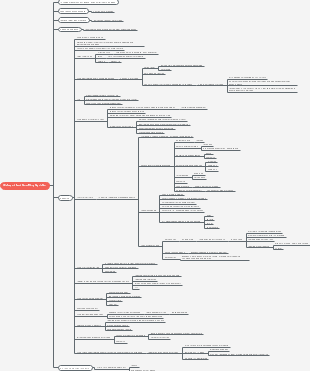
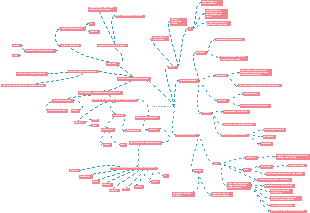
The Jamaica History Timeline is a systematic review tool for history researchers, students, and culture enthusiasts, comprehensively presenting this Caribbean island nation’s unique trajectory from Taíno society through Spanish and British colonialism to modern independence. This timeline organizes key periods: Indigenous Jamaica (c. 650–1494) traces Taíno settlement, cassava farming, fishing, village life; c. 900–1494 Taíno society expands with regional chiefdoms, ball courts, zemi ritual traditions, and inter-island trade. Spanish Colonization and Early Enslavement (1494–1655) records 1494 Columbus landing and claiming Jamaica for Spain; 1509 first Spanish settlement at Sevilla la Nueva; 1510s–1540s forced labor devastates Taíno populations through disease, violence, exploitation; 1530s–1600s enslaved Africans imported, early Maroon communities form in interior; 1534 capital shifts to Villa de la Vega (Spanish Town). British Conquest and Plantation Expansion (1655–1739) Analysis 1655 England captures Jamaica; Maroon communities grow; 1660s–1690s Port Royal becomes major Atlantic port with privateering; 1692 earthquake destroys Port Royal, Kingston rises; late 1600s–1700s sugar plantations rapidly expanding—Jamaica becomes key British slave-society colony. Maroon Treaties, Enslavement Peak, and Resistance (1739–1790s) examines 1739 treaties granting Maroons autonomy; late 1700s enslaved population majority with frequent rebellions; 1795–1796 Second Maroon War. Abolition and Free Society (1800s–1962) comb 1834 slavery abolished, 1838 full emancipation; 1865 Morant Bay rebellion; 20th-century trade union movements and nationalism; 1962 independence. Modern Jamaica explores post-independence political and economic challenges, cultural exports (reggae, athletics), and contemporary social development and global influence. This timeline captures Jamaica’s unique trajectory as a crossroads of Taíno heritage, Maroon resistance, and reggae culture—revealing complex legaci
Edited at 2026-03-20 01:35:11
- New Employee First - week Onboarding Plan
Mappa mentale per il piano di inserimento dei nuovi dipendenti nella prima settimana. Strutturata per giorni: Giorno 1 – benvenuto, configurazione strumenti, presentazione team. Secondo giorno – formazione su policy aziendali e obiettivi del ruolo. Terzo giorno – affiancamento e primi task guidati. Il quarto giorno – riunioni con dipartimenti chiave e feedback intermedio. Il quinto giorno – revisione settimanale, definizione obiettivi a breve termine e integrazione culturale.
- Analisi del campo di allenamento inglese
Mappa mentale per l’analisi della formazione francese ai Mondiali 2026. Punti chiave: attacco stellare guidato da Mbappé, con triplice minaccia (profondità, taglio, sponda). Criticità: centrocampo poco creativo – la costruzione offensiva dipende dagli attaccanti che arretrano. Difesa solida (Upamecano, Saliba, Koundé). Portiere Maignan. Variabili: gestione infortuni e condizione fisica dei big. Ideale per scout, giornalisti e tifosi.
- Analisi della lineup francese
Mappa mentale per l’analisi della formazione francese ai Mondiali 2026. Punti chiave: attacco stellare guidato da Mbappé, con triplice minaccia (profondità, taglio, sponda). Criticità: centrocampo poco creativo – la costruzione offensiva dipende dagli attaccanti che arretrano. Difesa solida (Upamecano, Saliba, Koundé). Portiere Maignan. Variabili: gestione infortuni e condizione fisica dei big. Ideale per scout, giornalisti e tifosi.
Jamaica History Timeline
- New Employee First - week Onboarding Plan
Mappa mentale per il piano di inserimento dei nuovi dipendenti nella prima settimana. Strutturata per giorni: Giorno 1 – benvenuto, configurazione strumenti, presentazione team. Secondo giorno – formazione su policy aziendali e obiettivi del ruolo. Terzo giorno – affiancamento e primi task guidati. Il quarto giorno – riunioni con dipartimenti chiave e feedback intermedio. Il quinto giorno – revisione settimanale, definizione obiettivi a breve termine e integrazione culturale.
- Analisi del campo di allenamento inglese
Mappa mentale per l’analisi della formazione francese ai Mondiali 2026. Punti chiave: attacco stellare guidato da Mbappé, con triplice minaccia (profondità, taglio, sponda). Criticità: centrocampo poco creativo – la costruzione offensiva dipende dagli attaccanti che arretrano. Difesa solida (Upamecano, Saliba, Koundé). Portiere Maignan. Variabili: gestione infortuni e condizione fisica dei big. Ideale per scout, giornalisti e tifosi.
- Analisi della lineup francese
Mappa mentale per l’analisi della formazione francese ai Mondiali 2026. Punti chiave: attacco stellare guidato da Mbappé, con triplice minaccia (profondità, taglio, sponda). Criticità: centrocampo poco creativo – la costruzione offensiva dipende dagli attaccanti che arretrano. Difesa solida (Upamecano, Saliba, Koundé). Portiere Maignan. Variabili: gestione infortuni e condizione fisica dei big. Ideale per scout, giornalisti e tifosi.
- Recommended to you
- Outline