Wondershare EdrawMind
MindMap Gallery Paraguay History Timeline
Paraguay History Timeline
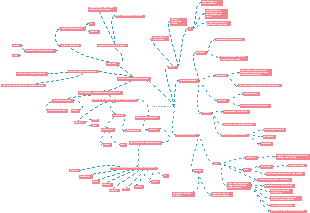
The Paraguay History Timeline is a systematic review tool for history researchers, students, and culture enthusiasts, comprehensively presenting this South American nation’s unique trajectory shaped by Guarani roots and bilingual identity. This timeline organizes key periods: Geographic & Environmental Foundations (prehistory–1500s) Paraguay’s landlocked geography: Paraguay and Paraná Rivers as trade routes, settlement corridors, strategic defenses; two broad regions (eastern humid forest, western Gran Chaco) shaping livelihoods and politics; early settlement with farming, fishing, hunting, and riverine exchange economies. Guarani Cultural Roots (before 1500s–1600s) traces Guarani peoples’ agricultural expertise (manioc/cassava), communal organization, oral literature, regional networks; Guarani language became a regional lingua franca deeply shaping colonial society and national identity; enduring through conquest, missions, and nation-building—becoming core to Paraguayan identity. Spanish Contact, Conquest, and Early Colony (1500s–1700s) records conquistador arrival, founding of Asunción (1537), and Jesuit missions—unique social experiments blending Guarani culture with Christianity. Colonial Society and Jesuit Legacy explores mission economies, formation of a bilingual Guarani-Spanish society, and post-1767 Jesuit expulsion colonial reordering. Independence and Post-Independence records 1811 independence, José Gaspar Rodríguez de Francia’s isolationist rule, and the devastating War of the Triple Alliance (1864–1870) with catastrophic population loss and territorial cession. Modern Paraguay examines post-war reconstruction, Chaco War (1932–1935), Stroessner dictatorship (1954–1989), democratic transition, and contemporary bilingual society and cultural revival. This timeline captures Paraguay’s unique trajectory as the “heart of South America,” revealing deep Guarani foundations and enduring bilingual identity.
Edited at 2026-03-20 01:35:24
- New Employee First - week Onboarding Plan
Mappa mentale per il piano di inserimento dei nuovi dipendenti nella prima settimana. Strutturata per giorni: Giorno 1 – benvenuto, configurazione strumenti, presentazione team. Secondo giorno – formazione su policy aziendali e obiettivi del ruolo. Terzo giorno – affiancamento e primi task guidati. Il quarto giorno – riunioni con dipartimenti chiave e feedback intermedio. Il quinto giorno – revisione settimanale, definizione obiettivi a breve termine e integrazione culturale.
- Analisi del campo di allenamento inglese
Mappa mentale per l’analisi della formazione francese ai Mondiali 2026. Punti chiave: attacco stellare guidato da Mbappé, con triplice minaccia (profondità, taglio, sponda). Criticità: centrocampo poco creativo – la costruzione offensiva dipende dagli attaccanti che arretrano. Difesa solida (Upamecano, Saliba, Koundé). Portiere Maignan. Variabili: gestione infortuni e condizione fisica dei big. Ideale per scout, giornalisti e tifosi.
- Analisi della lineup francese
Mappa mentale per l’analisi della formazione francese ai Mondiali 2026. Punti chiave: attacco stellare guidato da Mbappé, con triplice minaccia (profondità, taglio, sponda). Criticità: centrocampo poco creativo – la costruzione offensiva dipende dagli attaccanti che arretrano. Difesa solida (Upamecano, Saliba, Koundé). Portiere Maignan. Variabili: gestione infortuni e condizione fisica dei big. Ideale per scout, giornalisti e tifosi.
Paraguay History Timeline
- New Employee First - week Onboarding Plan
Mappa mentale per il piano di inserimento dei nuovi dipendenti nella prima settimana. Strutturata per giorni: Giorno 1 – benvenuto, configurazione strumenti, presentazione team. Secondo giorno – formazione su policy aziendali e obiettivi del ruolo. Terzo giorno – affiancamento e primi task guidati. Il quarto giorno – riunioni con dipartimenti chiave e feedback intermedio. Il quinto giorno – revisione settimanale, definizione obiettivi a breve termine e integrazione culturale.
- Analisi del campo di allenamento inglese
Mappa mentale per l’analisi della formazione francese ai Mondiali 2026. Punti chiave: attacco stellare guidato da Mbappé, con triplice minaccia (profondità, taglio, sponda). Criticità: centrocampo poco creativo – la costruzione offensiva dipende dagli attaccanti che arretrano. Difesa solida (Upamecano, Saliba, Koundé). Portiere Maignan. Variabili: gestione infortuni e condizione fisica dei big. Ideale per scout, giornalisti e tifosi.
- Analisi della lineup francese
Mappa mentale per l’analisi della formazione francese ai Mondiali 2026. Punti chiave: attacco stellare guidato da Mbappé, con triplice minaccia (profondità, taglio, sponda). Criticità: centrocampo poco creativo – la costruzione offensiva dipende dagli attaccanti che arretrano. Difesa solida (Upamecano, Saliba, Koundé). Portiere Maignan. Variabili: gestione infortuni e condizione fisica dei big. Ideale per scout, giornalisti e tifosi.
- Recommended to you
- Outline