Wondershare EdrawMind
MindMap Gallery Fiji History Timeline
Fiji History Timeline
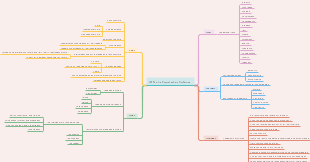
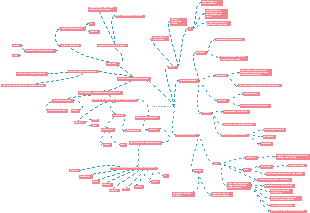
The Fiji History Timeline is a systematic grooming tool for history researchers, Pacific Islands culture enthusiasts, and students, comprehensively presenting this South Pacific crossroads nation's evolution from prehistoric settlement to modern independence. This timeline organizes five major periods: Prehistory & Lapita Settlement (c. 3000–500 BCE) traces Lapita peoples arriving at the Melanesia-Polynesia crossroads, bringing pottery, horticulture, and navigation skills. Traditional Societies & Chiefdoms (500 BCE–1600s) witnesses diverse languages deepening, land/kin-based tenure shaping settlement, whale tooth valuables and exchange networks developing, with chiefdoms alternating alliance and conflict. European Contact & Pre-colonial Era (1643–1800s) records Tasman's first sighting, followed by Cook and Bligh, with sandalwood trade and muskets shifting power dynamics. Colonial Rule & Indian Labor (1874–1970) covers Fiji cession to Britain, sugarcane plantations, massive Indian indentured labor migration, and profound demographic transformation. Independence & Modern Fiji (1970–present) details 1970 independence, multiple coups, ethnic tensions, 1997 constitution, post-2006 political evolution, and emerging role as South Pacific regional hub. This timeline captures Fiji's unique trajectory as Pacific civilizations crossroads, revealing multicultural society formation and modern transformation.
Edited at 2026-03-20 01:37:35
- New Employee First - week Onboarding Plan
Mappa mentale per il piano di inserimento dei nuovi dipendenti nella prima settimana. Strutturata per giorni: Giorno 1 – benvenuto, configurazione strumenti, presentazione team. Secondo giorno – formazione su policy aziendali e obiettivi del ruolo. Terzo giorno – affiancamento e primi task guidati. Il quarto giorno – riunioni con dipartimenti chiave e feedback intermedio. Il quinto giorno – revisione settimanale, definizione obiettivi a breve termine e integrazione culturale.
- Analisi del campo di allenamento inglese
Mappa mentale per l’analisi della formazione francese ai Mondiali 2026. Punti chiave: attacco stellare guidato da Mbappé, con triplice minaccia (profondità, taglio, sponda). Criticità: centrocampo poco creativo – la costruzione offensiva dipende dagli attaccanti che arretrano. Difesa solida (Upamecano, Saliba, Koundé). Portiere Maignan. Variabili: gestione infortuni e condizione fisica dei big. Ideale per scout, giornalisti e tifosi.
- Analisi della lineup francese
Mappa mentale per l’analisi della formazione francese ai Mondiali 2026. Punti chiave: attacco stellare guidato da Mbappé, con triplice minaccia (profondità, taglio, sponda). Criticità: centrocampo poco creativo – la costruzione offensiva dipende dagli attaccanti che arretrano. Difesa solida (Upamecano, Saliba, Koundé). Portiere Maignan. Variabili: gestione infortuni e condizione fisica dei big. Ideale per scout, giornalisti e tifosi.
Fiji History Timeline
- New Employee First - week Onboarding Plan
Mappa mentale per il piano di inserimento dei nuovi dipendenti nella prima settimana. Strutturata per giorni: Giorno 1 – benvenuto, configurazione strumenti, presentazione team. Secondo giorno – formazione su policy aziendali e obiettivi del ruolo. Terzo giorno – affiancamento e primi task guidati. Il quarto giorno – riunioni con dipartimenti chiave e feedback intermedio. Il quinto giorno – revisione settimanale, definizione obiettivi a breve termine e integrazione culturale.
- Analisi del campo di allenamento inglese
Mappa mentale per l’analisi della formazione francese ai Mondiali 2026. Punti chiave: attacco stellare guidato da Mbappé, con triplice minaccia (profondità, taglio, sponda). Criticità: centrocampo poco creativo – la costruzione offensiva dipende dagli attaccanti che arretrano. Difesa solida (Upamecano, Saliba, Koundé). Portiere Maignan. Variabili: gestione infortuni e condizione fisica dei big. Ideale per scout, giornalisti e tifosi.
- Analisi della lineup francese
Mappa mentale per l’analisi della formazione francese ai Mondiali 2026. Punti chiave: attacco stellare guidato da Mbappé, con triplice minaccia (profondità, taglio, sponda). Criticità: centrocampo poco creativo – la costruzione offensiva dipende dagli attaccanti che arretrano. Difesa solida (Upamecano, Saliba, Koundé). Portiere Maignan. Variabili: gestione infortuni e condizione fisica dei big. Ideale per scout, giornalisti e tifosi.
- Recommended to you
- Outline