Wondershare EdrawMind
MindMap Gallery What Is Refugee Status
What Is Refugee Status
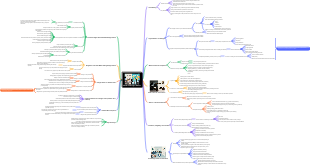
Refugee Status Explained is a comprehensive guide for students, immigration legal practitioners, and policy researchers, understanding the legal definition, determination standards, and institutional boundaries of refugee protection. This framework explores seven dimensions: Legal Definition 1951 Refugee Convention and 1967 Protocol core definition: well-founded fear of persecution based on race, religion, nationality, social group, or political opinion, unable/unwilling to avail protection of home country. Who Can Qualify details five protected grounds criteria, judicial interpretation of "well-founded fear," "persecution," "country protection." Key Evidence examines country of origin information, personal testimony, credibility assessment, risk analysis. Exclusion Clauses identifies ineligibility: war crimes, crimes against humanity, serious non-political crimes, alternative protection elsewhere. Cessation Clauses explains termination grounds: voluntary re-availment of home country protection, voluntary resettlement, loss of necessity. Complementary Protection distinguishes subsidiary, humanitarian, temporary protection mechanisms. Common Misconceptions clarifies refugee vs economic migrant, asylum application vs illegal entry distinctions. This guide enables systematic grasp of refugee protection's legal framework, understanding tensions between humanitarian commitment and national security boundaries.
Edited at 2026-03-20 01:39:43
- Recommended to you
- Outline