MindMap Gallery Symbolism Explained
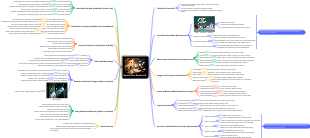
Symbolism Explained is a comprehensive guide for writers, art enthusiasts, and literature students, understanding how symbols convey layered meaning through imagery. This framework explores five dimensions: How Symbolism Conveys Meaning analysis symbolism's mechanism—concrete images carrying abstract concepts, gaining depth through context. Types of Symbols systematically categorizes three types: Universal symbols (rooted in shared human experience—light as truth, water as life); Cultural symbols (culture-specific meanings—dragon's divergent Eastern/Western significance); Personal/private symbols (author-created, requiring contextual interpretation). Common Symbol Forms covers objects, colors, nature, characters, settings, actions/gestures, sound/music. Symbolism vs. Related Devices distinguishes symbol from metaphor, allegory, motif, imagery, foreshadowing. Symbolism Across Media expression demonstrates in literature, film, visual art, music, theater. Application Workflow offers practical steps from identification to creation. This guide enables expert decoding of artistic surfaces, reaching symbolic cores and understanding how humanity speaks unsayable meanings through imagery.
Edited at 2026-03-20 01:39:16Mappa mentale per il piano di inserimento dei nuovi dipendenti nella prima settimana. Strutturata per giorni: Giorno 1 – benvenuto, configurazione strumenti, presentazione team. Secondo giorno – formazione su policy aziendali e obiettivi del ruolo. Terzo giorno – affiancamento e primi task guidati. Il quarto giorno – riunioni con dipartimenti chiave e feedback intermedio. Il quinto giorno – revisione settimanale, definizione obiettivi a breve termine e integrazione culturale.

Mappa mentale per l’analisi della formazione francese ai Mondiali 2026. Punti chiave: attacco stellare guidato da Mbappé, con triplice minaccia (profondità, taglio, sponda). Criticità: centrocampo poco creativo – la costruzione offensiva dipende dagli attaccanti che arretrano. Difesa solida (Upamecano, Saliba, Koundé). Portiere Maignan. Variabili: gestione infortuni e condizione fisica dei big. Ideale per scout, giornalisti e tifosi.
Mappa mentale per il piano di inserimento dei nuovi dipendenti nella prima settimana. Strutturata per giorni: Giorno 1 – benvenuto, configurazione strumenti, presentazione team. Secondo giorno – formazione su policy aziendali e obiettivi del ruolo. Terzo giorno – affiancamento e primi task guidati. Il quarto giorno – riunioni con dipartimenti chiave e feedback intermedio. Il quinto giorno – revisione settimanale, definizione obiettivi a breve termine e integrazione culturale.
Mappa mentale per l’analisi della formazione francese ai Mondiali 2026. Punti chiave: attacco stellare guidato da Mbappé, con triplice minaccia (profondità, taglio, sponda). Criticità: centrocampo poco creativo – la costruzione offensiva dipende dagli attaccanti che arretrano. Difesa solida (Upamecano, Saliba, Koundé). Portiere Maignan. Variabili: gestione infortuni e condizione fisica dei big. Ideale per scout, giornalisti e tifosi.
Symbolism Explained
Definition & Purpose
Definition
A literary/artistic technique where concrete images, objects, colors, or actions represent abstract ideas
Core purpose
To convey deeper meanings indirectly through imagery
To create layered interpretation beyond literal description
To connect personal, cultural, and universal associations
Key distinction
Symbol vs. sign
Sign: fixed, direct meaning (e.g., “STOP” sign)
Symbol: suggestive, multi-layered meaning shaped by context
How Symbolism Conveys Meaning Through Imagery
Step-by-step mechanism
Present a vivid image (object/place/gesture/color)
Repeat or emphasize it at key moments
Surround it with emotional tone and narrative context
Invite association with an abstract theme (love, death, freedom, corruption)
Allow meaning to deepen as the story progresses
Layers of meaning
Literal layer
The image as it physically appears in the text/art
Contextual layer
Meaning based on plot, character choices, setting, and consequences
Cultural layer
Shared social or historical associations (varies by culture/time)
Psychological layer
What the image evokes emotionally or subconsciously in the audience
Thematic layer
How the image supports the work’s central questions or message
Why imagery is effective
Sensory details make abstract ideas feel concrete
Images can carry multiple meanings simultaneously
Ambiguity enables interpretation and discussion
Common Forms of Symbolism
Object symbolism
Physical items representing ideas (keys, mirrors, masks)
Color symbolism
Colors suggesting emotional or thematic states (white, red, black)
Nature symbolism
Weather, seasons, landscapes reflecting internal states or themes
Character symbolism (archetypal)
A character embodying an idea (innocence, authority, rebellion)
Setting symbolism
Places representing social conditions or mental states (a decaying house)
Action/gesture symbolism
Repeated behaviors representing inner conflict or transformation
Sound and music symbolism
Motifs or repeated sounds signaling memory, fate, or tension
Types of Symbols
Universal symbols
Widely recognized associations (often mythic or cross-cultural)
Note: “universal” still varies by context and audience
Cultural symbols
Meaning tied to specific traditions, religions, histories
Personal/authorial symbols
Meaning created within a single work’s internal logic
Conventional vs. invented symbols
Conventional: common associations (storm = turmoil)
Invented: unique symbol system established by the work
Symbolism vs. Related Devices
Metaphor
Direct comparison (“time is a thief”)
Symbolism can be metaphor-like but often persists as a recurring image
Allegory
Whole narrative operates as a structured system of symbols
Symbolism can exist without the entire work being allegorical
Motif
Repeated element (image/phrase) that supports themes
A motif becomes symbolic when it consistently points to deeper meaning
Imagery
Descriptive language appealing to senses
Symbolism uses imagery with added representational significance
Foreshadowing
Hints about future events
A symbol may also foreshadow, but its function is broader than prediction
Neighboring devices overlap with symbolism, but differ by scope (single image vs. whole system), persistence (recurring motifs), and function (description vs. prediction vs. meaning-making).
How to Identify Symbolism (Reader’s Toolkit)
Clues in the text/artwork
Repetition
The image appears multiple times or in emphasized positions
Placement
Appears at turning points, beginnings/endings, climaxes
Unusual detail
Described with extra attention or striking specificity
Emotional charge
Characters react strongly or the tone shifts around the image
Contrast and change
The symbol evolves (e.g., clean → stained) alongside theme/character arc
Title and framing
Title, chapter names, epigraphs, or recurring phrases point to symbolic reading
Questions to ask
What does this image literally do in the scene?
What feelings does it trigger, and in whom?
What themes are active when it appears?
Does it connect to cultural or historical associations?
How does its meaning shift across the work?
What is gained by keeping the meaning indirect?
Interpreting Symbolism Responsibly
Ground interpretations in evidence
Quote/describe where and how the symbol appears
Track repetition and changes over time
Connect symbol to character decisions and consequences
Avoid common pitfalls
Overreading
Assuming every detail is symbolic without support
One-size-fits-all meanings
Treating symbols as fixed regardless of context
Ignoring audience difference
Cultural background alters associations
Multiple valid interpretations
Symbols can support more than one meaning if the text supports them
Competing readings should still align with context and themes
Typical Symbol Categories & What They Often Suggest (Context-Dependent)
Light and darkness
Insight, hope, exposure vs. ignorance, fear, concealment
Water
Change, cleansing, birth, danger, the unconscious
Fire
Destruction, passion, purification, renewal
Journeys/roads
Growth, choice, fate, self-discovery
Doors/keys
Opportunity, access, secrets, transformation
Mirrors/masks
Identity, self-knowledge, deception, social roles
Gardens/decay
Innocence/order vs. corruption/entropy
Birds/cages
Freedom, aspiration vs. confinement, control
Symbolism Across Media
Literature
Recurrent objects, settings, and descriptions build thematic depth
Film/TV
Color grading, framing, props, repeated shots, visual motifs
Visual art
Iconography, composition, color, posture, background elements
Music
Leitmotifs, recurring harmonic patterns, timbre choices suggesting themes
Theater
Props, lighting, costume colors, stage positioning as symbolic cues
Why Writers and Artists Use Symbolism
Adds depth and complexity without explicit explanation
Creates emotional resonance through sensory association
Encourages engagement and rereading/rewatching
Communicates sensitive ideas indirectly (politics, trauma, taboo)
Unifies a work via recurring images and motifs
Quick Application Workflow (Practical Steps)
Notice
Identify repeated or emphasized imagery
Collect
List appearances and note surrounding context
Compare
Look for patterns, contrasts, and evolution
Connect
Link imagery to themes, character arcs, and conflicts
Conclude
Form an interpretation supported by multiple instances and textual evidence