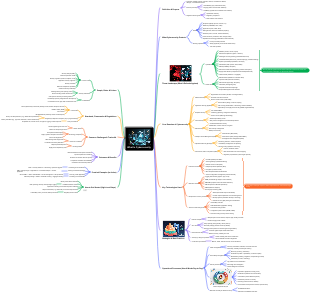
MindMap Gallery What Is Cybersecurity
What Is Cybersecurity is a comprehensive guide for students, security professionals, and business managers, understanding cybersecurity as the integrated discipline protecting information systems. This framework explores seven core dimensions: What Is Cybersecurity parses protection of computer systems, networks, programs, data from unauthorized access, damage, attack—centered on confidentiality, integrity, availability. Core Security Controls teases out technical defenses: firewalls, IDS/IPS, endpoint protection, identity/access management, encryption, WAF, SIEM. Typical Program Components showcases enterprise security structure: governance, risk management, security architecture/engineering, SOC, incident response/threat hunting, AppSec/DevSecOps. Roles & Responsibilities distinguishes executives, architects, engineers, analysts, compliance specialists. Standards, Frameworks, Regulations introduces NIST CSF, ISO 27001, PCI DSS, GDPR. Practical Examples demonstrate controls blocking real attacks. Common Challenges explores budget constraints, talent shortages, expanding attack surface, compliance complexity, security-business balance. This guide enables systematic Grasp of cybersecurity's big picture, understanding how to build enterprise defense systems across people, process, technology dimensions.
Edited at 2026-03-20 01:40:14This strategic SWOT analysis explores how Aeon can navigate the competitive online landscape, highlighting strengths, weaknesses, opportunities, and threats. Strengths include strong brand recognition (trusted Japanese heritage, quality), omnichannel capabilities (stores + online + mall integration), customer loyalty programs (Aeon Card, points, member pricing), and physical footprint (extensive store network for pickup/returns). Weaknesses encompass digital maturity gaps (e-commerce penetration, app functionality, personalization vs. Amazon, Alibaba), cost structure challenges (store-heavy, real estate, labor), and supply chain complexity (fresh food, frozen logistics for online). Opportunities include enhancing e-commerce competitiveness (faster delivery, wider assortment, lower minimum order), leveraging data-driven strategies (purchase history, personalized offers, inventory optimization), expanding omnichannel integration (buy online pick up in store, ship from store), and private label growth (Topvalu, localized brands). Threats involve online-first players (Amazon, Alibaba, Sea Limited) with lower costs, wider selection, faster delivery, market dynamics (changing consumer behavior post-COVID, discount competitors), and regulatory risks (data privacy, cross-border e-commerce rules). Aeon can strengthen market position by investing in digital capabilities, leveraging store assets for omnichannel, and using customer data for personalization, while addressing cost structure and online competition.

This analysis explores how Aeon effectively tailors offerings to meet the diverse needs of family-oriented consumers through a comprehensive Segmentation, Targeting, and Positioning (STP) framework. Demographic segmentation examines family life stages (young families with babies, school-aged children, teenagers, empty nesters), household sizes (small vs. large), income levels (mass, premium), and parent age bands (millennials, Gen X). This identifies distinct consumer groups with different spending patterns. Geographic segmentation highlights store catchment types (urban, suburban, rural), community characteristics (density, income, competition), and local preferences (fresh food, halal, Japanese products). Psychographic segmentation delves into family values (health, safety, education, convenience), lifestyle orientations (busy professionals, home-centered, eco-conscious). Behavioral segmentation focuses on shopping missions (daily grocery, weekly stock-up, seasonal shopping), price sensitivity (value seekers, premium), channel preferences (in-store, online, pickup). Needs-based segmentation reveals core family needs related to value (good-better-best pricing), budget considerations (affordability, promotions, member pricing), safety (food quality, product recall), convenience (one-stop shopping, parking, store hours). Targeting prioritizes young families with school-aged children, budget-conscious households, and convenience-seeking shoppers. Positioning emphasizes Aeon as a family-friendly, value-for-money, one-stop destination with Japanese quality and local relevance. These insights enhance family shopping experiences through tailored assortments (kids’ products, school supplies), promotions (family bundles, weekend events), and services (nursing rooms, kids’ play areas).
This Kream Sneaker Consumption Scene Analysis Template aims to visualize purchasing and consumption journeys of sneakers, identifying key demand drivers and obstacles. User behavior within Kream includes searching, bidding, buying, selling, authentication, and community engagement. External influences include brand drops (Nike, Adidas), social media (Instagram, TikTok), influencer hype, and cultural trends. Target categories: limited editions, collaborations, retro releases, performance sneakers, and general releases. Timeframes: launch day, first week, first month, long-term (seasonal, yearly). Regions: North America, Europe, Asia (Korea, China, Japan). User segments: Collectors: value rarity, condition, completeness (box, accessories). KPIs: collection size, spend, authentication rate. Resellers: value profit margin, volume, turnover. KPIs: sell-through rate, average profit, listing frequency. Sneakerheads: value hype, trends, community validation. KPIs: purchase frequency, social engagement, wishlist adds. Casual trend followers: value style, convenience, price. KPIs: conversion rate, average order value, repeat purchases. Gift purchasers: value ease, presentation, brand trust. KPIs: gift message usage, return rate. Consumption journey: Awareness: social media, email, push notifications. Search: browse, filter, search by brand, model, size. Purchase: bid, buy now, payment, shipping. Authentication: inspection, verification, certification. Resale: list, price, sell, transfer. Sharing: review, unboxing, social post, community discussion. Key performance indicators: conversion rate, sell-through rate, average order value, customer lifetime value, authentication pass rate, return rate, Net Promoter Score. This framework helps understand sneaker trading dynamics, user motivations, and touchpoints for engagement and satisfaction.
This strategic SWOT analysis explores how Aeon can navigate the competitive online landscape, highlighting strengths, weaknesses, opportunities, and threats. Strengths include strong brand recognition (trusted Japanese heritage, quality), omnichannel capabilities (stores + online + mall integration), customer loyalty programs (Aeon Card, points, member pricing), and physical footprint (extensive store network for pickup/returns). Weaknesses encompass digital maturity gaps (e-commerce penetration, app functionality, personalization vs. Amazon, Alibaba), cost structure challenges (store-heavy, real estate, labor), and supply chain complexity (fresh food, frozen logistics for online). Opportunities include enhancing e-commerce competitiveness (faster delivery, wider assortment, lower minimum order), leveraging data-driven strategies (purchase history, personalized offers, inventory optimization), expanding omnichannel integration (buy online pick up in store, ship from store), and private label growth (Topvalu, localized brands). Threats involve online-first players (Amazon, Alibaba, Sea Limited) with lower costs, wider selection, faster delivery, market dynamics (changing consumer behavior post-COVID, discount competitors), and regulatory risks (data privacy, cross-border e-commerce rules). Aeon can strengthen market position by investing in digital capabilities, leveraging store assets for omnichannel, and using customer data for personalization, while addressing cost structure and online competition.
This analysis explores how Aeon effectively tailors offerings to meet the diverse needs of family-oriented consumers through a comprehensive Segmentation, Targeting, and Positioning (STP) framework. Demographic segmentation examines family life stages (young families with babies, school-aged children, teenagers, empty nesters), household sizes (small vs. large), income levels (mass, premium), and parent age bands (millennials, Gen X). This identifies distinct consumer groups with different spending patterns. Geographic segmentation highlights store catchment types (urban, suburban, rural), community characteristics (density, income, competition), and local preferences (fresh food, halal, Japanese products). Psychographic segmentation delves into family values (health, safety, education, convenience), lifestyle orientations (busy professionals, home-centered, eco-conscious). Behavioral segmentation focuses on shopping missions (daily grocery, weekly stock-up, seasonal shopping), price sensitivity (value seekers, premium), channel preferences (in-store, online, pickup). Needs-based segmentation reveals core family needs related to value (good-better-best pricing), budget considerations (affordability, promotions, member pricing), safety (food quality, product recall), convenience (one-stop shopping, parking, store hours). Targeting prioritizes young families with school-aged children, budget-conscious households, and convenience-seeking shoppers. Positioning emphasizes Aeon as a family-friendly, value-for-money, one-stop destination with Japanese quality and local relevance. These insights enhance family shopping experiences through tailored assortments (kids’ products, school supplies), promotions (family bundles, weekend events), and services (nursing rooms, kids’ play areas).
This Kream Sneaker Consumption Scene Analysis Template aims to visualize purchasing and consumption journeys of sneakers, identifying key demand drivers and obstacles. User behavior within Kream includes searching, bidding, buying, selling, authentication, and community engagement. External influences include brand drops (Nike, Adidas), social media (Instagram, TikTok), influencer hype, and cultural trends. Target categories: limited editions, collaborations, retro releases, performance sneakers, and general releases. Timeframes: launch day, first week, first month, long-term (seasonal, yearly). Regions: North America, Europe, Asia (Korea, China, Japan). User segments: Collectors: value rarity, condition, completeness (box, accessories). KPIs: collection size, spend, authentication rate. Resellers: value profit margin, volume, turnover. KPIs: sell-through rate, average profit, listing frequency. Sneakerheads: value hype, trends, community validation. KPIs: purchase frequency, social engagement, wishlist adds. Casual trend followers: value style, convenience, price. KPIs: conversion rate, average order value, repeat purchases. Gift purchasers: value ease, presentation, brand trust. KPIs: gift message usage, return rate. Consumption journey: Awareness: social media, email, push notifications. Search: browse, filter, search by brand, model, size. Purchase: bid, buy now, payment, shipping. Authentication: inspection, verification, certification. Resale: list, price, sell, transfer. Sharing: review, unboxing, social post, community discussion. Key performance indicators: conversion rate, sell-through rate, average order value, customer lifetime value, authentication pass rate, return rate, Net Promoter Score. This framework helps understand sneaker trading dynamics, user motivations, and touchpoints for engagement and satisfaction.
What Is IoT (Internet of Things)
Definition & Core Idea
Network of physical objects (“things”) embedded with sensors, software, and connectivity
Purpose: collect data, communicate with other devices/systems, and enable monitoring, automation, and optimization
“Thing” examples
Consumer: smart speakers, wearables, smart thermostats, robot vacuums
Industrial: motors, pumps, PLCs, factory sensors, fleet vehicles
Infrastructure: smart meters, streetlights, traffic cameras, water systems
Key Characteristics
Connectivity
Devices connect via local networks or the internet
Often operate with intermittent connectivity and low bandwidth
Sensing & Data Collection
Sensors measure physical conditions (temperature, motion, vibration, location, etc.)
Actuators perform actions (switch, valve, motor, lock)
Intelligence & Automation
Rules-based automation (IF/THEN)
Analytics/AI-driven decisions (predictive maintenance, anomaly detection)
Scale & Heterogeneity
Many device types, vendors, protocols, and operating constraints
IoT combines connected sensing/actuation with automation across diverse devices at scale.
How Connected Devices Communicate and Share Data
End-to-End Data Flow (Typical Pipeline)
Device/Thing
Generates telemetry (sensor readings), events (alarms), and state (on/off)
Receives commands (actuation) and configuration updates
Local Network / Access Layer
Connects device to gateway or cloud endpoint (Wi‑Fi, cellular, etc.)
Gateway / Edge (optional but common)
Aggregates multiple devices, translates protocols, filters/normalizes data
Performs local analytics and control when cloud is unavailable
Cloud / IoT Platform (or on-prem)
Device registry and identity
Message ingestion and routing
Storage (time-series databases, data lakes)
Analytics, dashboards, alerting, integration APIs
Applications & Users
Mobile/web apps, enterprise systems (ERP/CMMS), automation workflows
Control interfaces and reporting
Communication Models
Device-to-Cloud
Device connects directly to cloud service endpoints
Common for Wi‑Fi/cellular devices
Device-to-Gateway (Edge)
Low-power or constrained devices send data to a nearby hub/gateway
Gateway forwards to cloud and manages local control loops
Device-to-Device (D2D)
Local communication for fast response (e.g., light switch to bulb)
Often coordinated by a hub or local controller
Back-End Data Sharing
Cloud-to-cloud integration (APIs, webhooks, streaming) between platforms
Enables cross-organization use (utilities, logistics partners)
Data Types Shared
Telemetry
Continuous measurements (temperature, speed, humidity)
Events
Discrete occurrences (door opened, threshold exceeded)
State/Shadow
Desired vs reported state (e.g., thermostat target vs actual)
Commands
Actuation requests (turn on, set level, lock/unlock)
Metadata
Device identity, firmware version, location, calibration, capabilities
Messaging Patterns
Publish/Subscribe (Pub/Sub)
Devices publish messages to topics; subscribers receive relevant data
Benefits: decouples producers/consumers; scales to many recipients
Request/Response
Synchronous queries (read a value, request status)
Useful for management operations, less ideal for low-power devices
Streaming & Batch
Real-time streams for monitoring/alerts
Periodic batch uploads for low-power or cost-saving modes
Common Protocols (How Messages Move)
MQTT
Lightweight pub/sub over TCP; common for IoT telemetry
Supports QoS levels for delivery reliability
HTTP/HTTPS (REST)
Ubiquitous; easy integration; higher overhead
Often used for device management and web APIs
CoAP
Lightweight REST-like protocol over UDP for constrained devices
AMQP
Enterprise messaging; robust routing; used in some industrial contexts
WebSockets
Persistent bidirectional channel for near real-time control/updates
Bluetooth Low Energy (BLE)
Short-range; often paired with phone/gateway for internet access
Zigbee / Z-Wave / Thread
Low-power mesh networks for home/building automation
LoRaWAN
Long-range, low-power; small payloads; suitable for sensors
Cellular IoT (NB-IoT, LTE-M, 4G/5G)
Wide-area connectivity; mobility support; managed by carriers
Industrial/OT Protocols (often via gateways)
Modbus, OPC UA, CAN bus, PROFINET, BACnet
Addressing, Discovery, and Interoperability
Identification
Unique device IDs, certificates, SIM/eSIM identities
Discovery
Local discovery (mDNS, BLE scanning) in home/edge contexts
Interoperability Layers
Data normalization (common schemas)
Protocol translation at gateways
Standards/frameworks (e.g., Matter for smart home interoperability)
Core Components of an IoT System
Devices (Hardware)
Sensors, actuators, microcontrollers/SoCs
Constraints: power, CPU/memory, bandwidth, ruggedization
Connectivity
Network links, routers, gateways, carrier networks
Considerations: coverage, latency, reliability, cost, power use
IoT Platform / Middleware
Device onboarding/registry
Message broker/ingestion
Rules engine and workflow automation
Digital twins/device shadows
APIs and integrations
Data Storage & Processing
Time-series storage for telemetry
Stream processing for real-time detection
Batch analytics for trends and optimization
Applications
Dashboards, alerts, remote control
Business logic (maintenance scheduling, inventory, compliance)
People & Processes
Operations, security, support, lifecycle management
Edge vs Cloud Computing in IoT
Edge Computing
Processing close to devices (gateways, on-device ML)
Benefits: lower latency, reduced bandwidth, improved resilience, privacy
Use cases: industrial control, safety systems, video analytics
Cloud Computing
Centralized scalable compute and storage
Benefits: global access, heavy analytics/ML, long-term storage, integration
Use cases: fleet management, multi-site analytics, cross-device insights
Hybrid Approach
Split workload: real-time at edge, aggregation and learning in cloud
Security, Privacy, and Trust (How Safe Communication Is Achieved)
Device Identity & Authentication
X.509 certificates, secure elements/TPM, SIM-based authentication
Mutual authentication (device verifies server; server verifies device)
Encryption in Transit
TLS for TCP-based protocols (MQTT/HTTPS/AMQP)
DTLS for UDP-based protocols (CoAP)
Authorization & Access Control
Least privilege; role-based policies; topic-level permissions (MQTT)
Segmentation between device groups/tenants
Secure Boot & Firmware Integrity
Signed firmware; measured boot; rollback protection
OTA (Over-the-Air) Updates
Secure update delivery, staged rollouts, automatic patching
Network Security
Firewalls, private APNs/VPNs, zero-trust networking
Anomaly detection and intrusion monitoring
Data Privacy
Minimize collection; anonymization/pseudonymization
Consent and compliance (GDPR/CCPA where applicable)
Common Threats
Default passwords, unpatched firmware, insecure APIs
Botnets (e.g., Mirai), spoofing, replay attacks, data exfiltration
Benefits and Value of IoT
Operational Efficiency
Automation, reduced downtime, optimized resource usage
Visibility and Monitoring
Real-time status, remote diagnostics, asset tracking
Predictive Maintenance
Detect degradation early (vibration, temperature anomalies)
Cost Reduction
Energy management, fewer truck rolls, optimized inventory
New Products and Business Models
Usage-based services, subscription monitoring, outcome-based contracts
Safety and Compliance
Environmental monitoring, worker safety alerts, audit trails
Common Challenges and Limitations
Interoperability
Many standards and proprietary ecosystems; schema mismatches
Connectivity Constraints
Coverage gaps, interference, roaming issues, bandwidth limits
Power Management
Battery life tradeoffs with sampling rate and transmission frequency
Scaling Device Management
Provisioning, monitoring, updates across thousands/millions of devices
Data Quality and Governance
Sensor drift, missing data, calibration, lineage, retention policies
Security Maintenance Over Time
Long device lifecycles; patching logistics; supply-chain risks
Latency and Reliability Requirements
Real-time control needs edge solutions; cloud dependency risks
IoT Use Cases (Where Communication and Data Sharing Matter)
Smart Home
Lighting, HVAC, security, appliances; local automation + cloud control
Smart Buildings
Occupancy, energy optimization, access control, predictive maintenance
Industrial IoT (IIoT)
Equipment monitoring, OEE optimization, digital twins, robotics
Healthcare IoT
Remote patient monitoring, medical device telemetry, compliance needs
Transportation & Logistics
Fleet tracking, cold-chain monitoring, route optimization
Smart Cities
Traffic flow, parking, waste management, air quality monitoring
Agriculture (AgriTech)
Soil sensors, irrigation control, livestock tracking
Energy & Utilities
Smart meters, grid monitoring, demand response programs
Example: Simple Communication Scenario
Smart Thermostat System
Thermostat measures temperature every minute (telemetry)
Publishes to MQTT topic via Wi‑Fi to cloud broker
Cloud rule engine triggers alert if temperature out of range (event)
Mobile app reads device shadow (state) and displays current/desired temp
User sets new target temperature (command)
Cloud forwards command; device updates and reports new state
How to Evaluate/Design an IoT Solution (Key Questions)
What is the goal and required response time (real-time vs near real-time)?
What data needs to be collected, how often, and at what precision?
What connectivity is available and what are cost/power constraints?
Which protocol fits constraints (MQTT/HTTP/CoAP/LoRaWAN/etc.)?
Where should processing happen (device, edge, cloud)?
How will devices be securely onboarded and updated over time?
How will data be stored, governed, shared, and integrated with systems?
What reliability, safety, and compliance requirements apply?