MindMap Gallery Brain-Computer Interface Explained
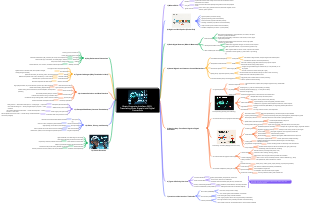
Brain-Computer Interface Explained is a comprehensive guide for students, neuroscientists, and technology professionals, understanding BCI as a transformative technology connecting brain and external devices. This framework explores six core dimensions: Data & System Requirements parsing core elements: signal acquisition (invasive/non-invasive), signal quality (SNR), real-time processing, system reliability/stability. Challenges and Limitations tease out technical bottlenecks: non-stationarity, artifact sensitivity (eye movement, muscle), long-term stability (biocompatibility), calibration burden, user autonomy, neuroprivacy. Safety, Ethics, Privacy explores neural data sensitivity, security risks (malicious manipulation), informed consent frameworks, neuroprivacy protection, user autonomy safeguards. Real-World Applications demonstrate BCI in rehabilitation (stroke recovery), human-computer interaction (intent control), monitoring/research (neurofeedback), assistive communication (locked-in patients). Evaluation Metrics analysis performance standards: classification accuracy, information transfer rate, task completion time, user learning curve, long-term stability. Future Directions outlook adaptive decoding algorithms, fine motor control, sensory feedback integration, miniaturization/wireless implants, standardization/interoperability, expanded applications. This guide enables systematic grasp of BCI's technical challenges and breakthrough paths, understanding how this field reshapes the boundaries of human-machine interaction.
Edited at 2026-03-20 01:40:21Mappa mentale per il piano di inserimento dei nuovi dipendenti nella prima settimana. Strutturata per giorni: Giorno 1 – benvenuto, configurazione strumenti, presentazione team. Secondo giorno – formazione su policy aziendali e obiettivi del ruolo. Terzo giorno – affiancamento e primi task guidati. Il quarto giorno – riunioni con dipartimenti chiave e feedback intermedio. Il quinto giorno – revisione settimanale, definizione obiettivi a breve termine e integrazione culturale.

Mappa mentale per l’analisi della formazione francese ai Mondiali 2026. Punti chiave: attacco stellare guidato da Mbappé, con triplice minaccia (profondità, taglio, sponda). Criticità: centrocampo poco creativo – la costruzione offensiva dipende dagli attaccanti che arretrano. Difesa solida (Upamecano, Saliba, Koundé). Portiere Maignan. Variabili: gestione infortuni e condizione fisica dei big. Ideale per scout, giornalisti e tifosi.
Mappa mentale per il piano di inserimento dei nuovi dipendenti nella prima settimana. Strutturata per giorni: Giorno 1 – benvenuto, configurazione strumenti, presentazione team. Secondo giorno – formazione su policy aziendali e obiettivi del ruolo. Terzo giorno – affiancamento e primi task guidati. Il quarto giorno – riunioni con dipartimenti chiave e feedback intermedio. Il quinto giorno – revisione settimanale, definizione obiettivi a breve termine e integrazione culturale.
Mappa mentale per l’analisi della formazione francese ai Mondiali 2026. Punti chiave: attacco stellare guidato da Mbappé, con triplice minaccia (profondità, taglio, sponda). Criticità: centrocampo poco creativo – la costruzione offensiva dipende dagli attaccanti che arretrano. Difesa solida (Upamecano, Saliba, Koundé). Portiere Maignan. Variabili: gestione infortuni e condizione fisica dei big. Ideale per scout, giornalisti e tifosi.
Antibiotic Resistance Explained
What antibiotic resistance is
Definition
The ability of bacteria to survive or grow despite exposure to an antibiotic that would normally kill them or stop their growth
Key distinction
Resistance is a property of bacteria (or their genes), not of the human body
Related terms
Antibiotic tolerance
Temporary survival without genetic resistance (often due to slowed metabolism)
Persistence
Small subpopulation survives treatment without being genetically resistant
Multidrug resistance (MDR)
Resistance to multiple antibiotic classes
Extensive drug resistance (XDR) / Pandrug resistance (PDR)
Resistance to most / nearly all available antibiotic options
How antibiotics normally work
Major bacterial targets
Cell wall synthesis (e.g., β-lactams)
Protein synthesis (ribosomes; e.g., macrolides, aminoglycosides, tetracyclines)
DNA replication/repair (e.g., fluoroquinolones)
RNA synthesis (e.g., rifamycins)
Metabolic pathways (e.g., folate synthesis inhibitors)
Selective pressure
Antibiotics kill susceptible bacteria, leaving survivors to reproduce and spread
How bacteria become resistant (mechanisms)
Genetic change as the foundation
Mutations
Random DNA changes that can reduce drug binding or increase survival
Horizontal gene transfer (HGT)
Conjugation
Direct transfer of plasmids via cell-to-cell contact
Transformation
Uptake of free DNA from the environment
Transduction
DNA transfer via bacteriophages (viruses that infect bacteria)
Mobile genetic elements
Plasmids carrying resistance genes
Transposons and integrons that capture and rearrange gene cassettes
Core resistance strategies
Enzymatic inactivation of the antibiotic
β-lactamases (including ESBLs) break down β-lactam antibiotics
Carbapenemases disable last-line carbapenems
Modifying enzymes (e.g., aminoglycoside-modifying enzymes)
Alteration of the drug target
Mutations in target proteins (e.g., gyrase/topoisomerase for fluoroquinolones)
Target protection proteins that shield the binding site
Ribosomal changes that reduce antibiotic binding
Reduced drug entry (decreased permeability)
Porin loss or alteration in Gram-negative outer membranes
Cell envelope thickening or remodeling that limits penetration
Increased drug efflux (pumping the drug out)
Efflux pumps that expel multiple antibiotic types
Upregulation of pump expression under stress
Bypassing the blocked pathway
Alternative enzymes/pathways that avoid the inhibited step
Metabolic rewiring that reduces dependence on the drug-targeted process
Biofilms and community protection
Biofilm matrix slows antibiotic diffusion
Altered microenvironments create slow-growing cells less affected by antibiotics
Shared resistance factors (e.g., enzymes) protect nearby bacteria
Evolution and spread of resistance
Selection within an individual
Incomplete killing allows resistant survivors to expand
Suboptimal dosing or early stopping increases survival chances
Transmission between people and environments
Person-to-person spread in communities
Hospital transmission via surfaces, devices, and healthcare contact
Spread through food, water, and animals
Reservoirs that sustain resistance
Human microbiome as a gene reservoir (“resistome”)
Animal agriculture and aquaculture environments
Wastewater and environmental contamination with antibiotic residues and resistant bacteria
High-risk settings for amplification
Intensive care units and long-term care facilities
Areas with limited infection control resources
Regions with over-the-counter or unregulated antibiotic access
Resistance expands by selection in patients and spreads through contact networks, institutions, food/water systems, and environmental reservoirs.
Why antibiotic resistance happens (drivers and contributing factors)
Antibiotic misuse and overuse
Taking antibiotics for viral infections (e.g., colds, flu)
Using broad-spectrum drugs when narrow-spectrum would suffice
Unnecessary prophylactic prescriptions
Incorrect use
Not completing prescribed courses when indicated
Wrong dose or schedule leading to inadequate drug exposure
Sharing leftover antibiotics or using expired medications
Healthcare system factors
Limited rapid diagnostics leading to empirical broad-spectrum therapy
Time pressure and patient expectations
Poor antimicrobial stewardship programs
Agricultural and veterinary use
Routine use for growth promotion or disease prevention in crowded conditions
Mass medication of herds/flocks creating large-scale selection pressure
Environmental factors
Pharmaceutical manufacturing discharge with antibiotic residues
Improper disposal of medications
Wastewater treatment limitations that allow resistant organisms to persist
Global connectivity
Travel and trade moving resistant strains across borders rapidly
Why it is a global health concern
Increasing treatment failures
Common infections become harder to cure
Delays in effective therapy increase complications and mortality
Higher healthcare burden
Longer hospital stays and more intensive care needs
Need for expensive or toxic last-line antibiotics
More diagnostic testing and isolation measures
Threat to modern medicine
Undermines safety of procedures that rely on effective antibiotics
Surgery and postoperative infection prevention
Cancer chemotherapy (immunosuppression)
Organ transplantation
Neonatal and intensive care
Management of chronic diseases with recurrent infections
Outbreak risk and “superbugs”
Rapid hospital outbreaks of resistant organisms
Limited outbreak control when few drugs remain effective
Inequity and disproportionate impact
Higher risk where sanitation, vaccination, and healthcare access are limited
Greater mortality when second-line drugs are unavailable or unaffordable
Pipeline challenges
Fewer new antibiotics developed due to scientific and economic hurdles
Resistance can emerge quickly even to new agents
Common resistant bacteria and examples (illustrative)
MRSA (Methicillin-resistant Staphylococcus aureus)
Skin/soft tissue infections, pneumonia, bloodstream infections
VRE (Vancomycin-resistant Enterococci)
Hospital-acquired infections, bloodstream/urinary infections
ESBL-producing Enterobacterales
Resistant to many penicillins/cephalosporins; common in UTIs and sepsis
CRE (Carbapenem-resistant Enterobacterales)
Often resistant to multiple classes; associated with high mortality
Drug-resistant tuberculosis (MDR-TB/XDR-TB)
Long, complex treatment; major public health challenge
Multidrug-resistant Pseudomonas aeruginosa and Acinetobacter baumannii
Common in ventilator-associated and wound infections
How resistance is detected and monitored
Laboratory susceptibility testing
Culture-based tests (MIC, disk diffusion) to determine effective drugs
Molecular tests for resistance genes (rapid but gene-limited)
Surveillance systems
Hospital antibiograms guiding local prescribing
Regional/national reporting to track trends and outbreaks
Indicators of emerging problems
Rising failure rates for standard therapies
Increasing need for last-line agents
Clusters of resistant infections in wards or communities
Prevention and mitigation (what can be done)
Individual actions
Use antibiotics only when prescribed by qualified clinicians
Follow dosing instructions precisely; do not share antibiotics
Keep vaccinations up to date to prevent infections that require antibiotics
Practice hygiene (handwashing, safe food handling) to reduce infection spread
Clinical and hospital strategies
Antimicrobial stewardship
Choose the right drug, dose, route, and duration
De-escalate from broad- to narrow-spectrum when cultures return
Avoid unnecessary prophylaxis and duplicate coverage
Infection prevention and control
Hand hygiene, isolation precautions, environmental cleaning
Screening high-risk patients for resistant organisms
Device management (catheters, ventilators) to reduce infection risk
Rapid diagnostics
Faster identification of pathogens and resistance to target therapy sooner
Public health and policy measures
Regulation of antibiotic sales and prescription practices
Stewardship in agriculture (restrict routine use; improve animal husbandry)
Improve water, sanitation, and hygiene (WASH) infrastructure
Expand vaccination programs to lower antibiotic demand
Strengthen surveillance and outbreak response capacity
Research and innovation
New antibiotics and combination therapies
Alternative approaches
Bacteriophages, anti-virulence drugs, monoclonal antibodies
Microbiome-based interventions and probiotics (context-dependent)
Better diagnostics and point-of-care testing
Economic incentives to support antibiotic development while preventing overuse
Combine behavior change, stewardship and infection control, policy and infrastructure, plus R&D to reduce emergence and spread.
Key takeaways
Resistance evolves through mutation and gene sharing, then spreads via selection and transmission
Misuse and overuse of antibiotics accelerate resistance across humans, animals, and environments
The result is harder-to-treat infections, higher costs, and increased deaths globally
Coordinated action—stewardship, infection control, surveillance, and innovation—is essential