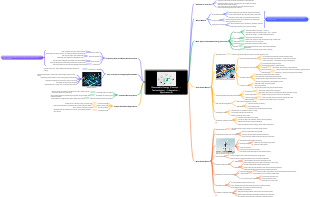
MindMap Gallery What is Renewable Energy
Renewable Energy Overview is a comprehensive guide for students, policymakers, and energy professionals, understanding the core principles and applications of wind, solar, and other renewable energy sources. This framework explores six core dimensions: What It Is parsing energy from naturally replenished sources—wind, solar, hydro, geothermal, biomass, marine. Core Concepts tease out key terms: renewability vs sustainability, intermittency/variability, capacity factor, power vs energy. Main Types examines wind (onshore, offshore), solar photovoltaic, hydro, geothermal, biomass/bioenergy, marine (tidal, wave, ocean thermal). Wind Power Basics delves into turbine principles (kinetic) energy→rotation→electricity), components (tower, nacelle, blades), onshore vs offshore characteristics. Solar Power Basics explains photovoltaic effect, module/system structure, technology types (monocrystalline, polycrystalline, thin-film). Environmental and Social Considerations explores land/habitat impacts, community factors, grid infrastructure, storage needs, integration challenges with traditional grids. This guide enables systematic grasp of renewable energy's technical logic and system integration essentials, understanding its role as energy transition's core pillar.
Edited at 2026-03-20 01:40:34Mappa mentale per il piano di inserimento dei nuovi dipendenti nella prima settimana. Strutturata per giorni: Giorno 1 – benvenuto, configurazione strumenti, presentazione team. Secondo giorno – formazione su policy aziendali e obiettivi del ruolo. Terzo giorno – affiancamento e primi task guidati. Il quarto giorno – riunioni con dipartimenti chiave e feedback intermedio. Il quinto giorno – revisione settimanale, definizione obiettivi a breve termine e integrazione culturale.

Mappa mentale per l’analisi della formazione francese ai Mondiali 2026. Punti chiave: attacco stellare guidato da Mbappé, con triplice minaccia (profondità, taglio, sponda). Criticità: centrocampo poco creativo – la costruzione offensiva dipende dagli attaccanti che arretrano. Difesa solida (Upamecano, Saliba, Koundé). Portiere Maignan. Variabili: gestione infortuni e condizione fisica dei big. Ideale per scout, giornalisti e tifosi.
Mappa mentale per il piano di inserimento dei nuovi dipendenti nella prima settimana. Strutturata per giorni: Giorno 1 – benvenuto, configurazione strumenti, presentazione team. Secondo giorno – formazione su policy aziendali e obiettivi del ruolo. Terzo giorno – affiancamento e primi task guidati. Il quarto giorno – riunioni con dipartimenti chiave e feedback intermedio. Il quinto giorno – revisione settimanale, definizione obiettivi a breve termine e integrazione culturale.
Mappa mentale per l’analisi della formazione francese ai Mondiali 2026. Punti chiave: attacco stellare guidato da Mbappé, con triplice minaccia (profondità, taglio, sponda). Criticità: centrocampo poco creativo – la costruzione offensiva dipende dagli attaccanti che arretrano. Difesa solida (Upamecano, Saliba, Koundé). Portiere Maignan. Variabili: gestione infortuni e condizione fisica dei big. Ideale per scout, giornalisti e tifosi.
Renewable Energy Overview
Definition
Energy derived from natural sources that are replenished on a human timescale
Typically low in greenhouse-gas emissions during operation
Often depends on natural cycles (sunlight, wind, water flow, biological growth, Earth’s heat)
Why It Matters
Climate and environment
Reduces reliance on fossil fuels and associated CO₂ emissions
Lowers air pollutants (e.g., SO₂, NOₓ, particulate matter) during operation
Energy security
Diversifies energy supply and reduces fuel import dependence
Uses locally available resources (sun, wind)
Economics and jobs
Declining costs for key technologies (especially solar PV and wind)
Job creation in manufacturing, installation, operations, and maintenance
Cuts emissions, strengthens energy independence, and increasingly supports affordable growth and jobs
Main Types of Renewable Energy
Solar energy
Solar photovoltaic (PV)
Concentrated solar power (CSP)
Solar thermal (water/space heating)
Wind energy
Onshore wind
Offshore wind
Hydropower
Run-of-river
Reservoir-based
Pumped storage (often used for storage/grid balancing)
Geothermal energy
Power generation (high-temperature resources)
Direct use (heating)
Enhanced geothermal systems (EGS, emerging)
Biomass and bioenergy
Solid biomass (wood, pellets)
Biogas (anaerobic digestion)
Biofuels (ethanol, biodiesel, SAF)
Marine energy (emerging)
Tidal range and tidal stream
Wave energy
Ocean thermal energy conversion (OTEC)
Core Concepts
Renewability vs sustainability
Renewable: replenishes naturally
Sustainable: considers full lifecycle impacts (land, water, biodiversity, supply chains)
Intermittency and variability
Some renewables vary with weather/time (solar, wind)
Others can be dispatchable or steadier (geothermal, some hydro, biomass)
Capacity factor
The ratio of actual energy produced to maximum possible if run at full power continuously
Influenced by resource quality (sun hours, wind speeds) and technology
Power vs energy
Power (kW, MW): instant rate of production
Energy (kWh, MWh): amount produced over time
Solar Power Basics
What it is
Converting sunlight into usable energy (electricity or heat)
Solar Photovoltaic (PV)
How it works (high level)
PV cells (usually silicon) absorb photons
Creates an electric current (DC electricity)
Inverter converts DC to AC for homes/grids
Key components
PV modules (panels)
Mounting/racking (rooftop or ground-mounted)
Inverter (string, microinverters, or power optimizers)
Balance of system (wiring, combiner box, disconnects, monitoring)
Optional battery storage (for backup and time-shifting)
Common system types
Grid-tied
Uses the grid as backup; may export excess power
Often paired with net metering or feed-in tariffs (policy-dependent)
Hybrid (grid + battery)
Adds storage for resilience and peak shaving
Off-grid
Requires batteries and often a backup generator
Performance drivers
Solar irradiance (sunlight intensity) and local climate
Orientation and tilt (azimuth and angle)
Shading (trees, buildings), soiling (dust/snow), and degradation over time
Temperature effects (PV efficiency typically decreases as temperature rises)
Advantages
Modular and scalable (from calculators to utility-scale farms)
Low operating costs; no fuel
Can be deployed close to load (rooftops, parking canopies)
Limitations
Produces only when sufficient sunlight is available
Output varies daily/seasonally and with clouds
Land use considerations for utility-scale (mitigations: dual-use/agrivoltaics, siting on disturbed land)
Typical uses
Residential and commercial electricity
Utility-scale generation
Remote power (telecom sites, rural electrification)
Concentrated Solar Power (CSP)
How it works (high level)
Mirrors concentrate sunlight to heat a working fluid
Heat produces steam to drive a turbine (electricity)
Thermal storage
Often uses molten salt to store heat and generate power after sunset
Best-fit conditions
High direct normal irradiance (clear, sunny regions)
Solar Thermal (heat)
Uses
Water heating (domestic hot water)
Space heating and pool heating
Benefit
Efficient for heat demand where electricity conversion is not needed
Wind Power Basics
What it is
Converting the kinetic energy of moving air into electricity
How wind turbines work (high level)
Wind turns blades (rotor), spinning a shaft
Generator converts mechanical energy into electrical energy
Power electronics condition output for the grid
Key components
Rotor blades and hub
Nacelle (gearbox in many designs, generator, control systems)
Tower and foundation
Yaw system (turns turbine to face wind)
Pitch control (adjusts blade angle to optimize power and limit loads)
Onshore wind
Typical characteristics
Lower installation cost than offshore
Easier access for construction and maintenance
Siting considerations
Wind resource quality (wind speeds, turbulence)
Setbacks, noise, shadow flicker, visual impacts
Land use (often compatible with farming/grazing)
Offshore wind
Why it’s attractive
Stronger and more consistent winds at sea
Large turbine sizes and high capacity factors
Technology types
Fixed-bottom (shallow to moderate depths)
Floating (deep water; emerging and expanding)
Challenges
Higher construction and maintenance complexity
Marine ecosystem impacts and grid connection (subsea cables)
Performance drivers
Wind speed (power increases roughly with the cube of wind speed)
Turbine height and rotor diameter (accesses stronger winds, captures more energy)
Wake effects (turbines reduce wind for those behind; affects wind farm layout)
Advantages
Low operating emissions; no fuel
Often complements solar (wind may be stronger at night or in different seasons)
Limitations
Variable output; depends on weather systems
Siting and permitting challenges (community acceptance, wildlife concerns)
Integrating Renewables into the Grid
Variability management
Geographic diversity (spreading sites reduces correlated downtime)
Forecasting (weather-based generation prediction)
Flexible demand (demand response, time-of-use pricing)
Grid infrastructure
Transmission expansion to connect resource-rich areas
Distribution upgrades for high rooftop solar penetration
Inverters and grid-forming capabilities (advanced controls for stability)
Energy storage
Batteries (fast response; short-to-medium duration)
Pumped hydro storage (large-scale; longer duration)
Thermal storage (common with CSP; also district heating)
Hydrogen and other long-duration options (emerging; efficiency and cost challenges)
Reliability and resilience
Microgrids and backup systems (solar + storage, diesel hybrid)
Diversified portfolio (solar + wind + hydro/geothermal/biomass where available)
Environmental and Social Considerations
Lifecycle impacts
Manufacturing emissions and materials (silicon, steel, rare earths in some turbines)
End-of-life recycling and waste management (PV modules, blades, batteries)
Land and habitat
Siting to reduce biodiversity impacts
Mitigation measures (wildlife monitoring, curtailment, habitat restoration)
Community factors
Local benefits (jobs, lease payments, tax revenue)
Addressing concerns (noise, views, equity, participation)
Common Misconceptions
“Renewables don’t work without sun or wind”
Grids balance multiple sources plus storage and flexible demand
Dispatchable renewables and interconnections support reliability
“Renewables are always zero-impact”
They reduce emissions but still have material, land, and ecological footprints
Best practices and recycling reduce impacts
“Solar and wind are too expensive”
Costs have fallen dramatically; total cost depends on location, financing, and grid needs
Simple Takeaways
Renewable energy comes from naturally replenishing sources
Solar converts sunlight to electricity (PV) or heat (thermal/CSP)
Wind converts moving air into electricity via turbines
Combining technologies, storage, and grid upgrades enables reliable, low-carbon power systems