Wondershare EdrawMind
MindMap Gallery Scholarship Application Guide
Scholarship Application Guide
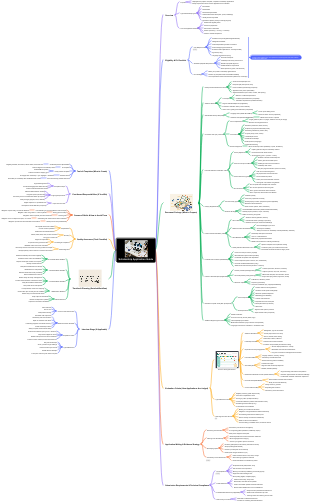
Unlock your potential with our comprehensive Scholarship Application Guide! Securing scholarship funding can transform your educational journey, reducing financial stress and opening doors to opportunities you might otherwise never access. This guide takes you through a four-stage process to effectively secure funding for your studies, from initial preparation through final submission. Stage 1: Preparation (6–12 Months Before Deadlines) The foundation of successful scholarship applications lies in early, thoughtful preparation. Begin by setting clear goals and creating a realistic timeline. Define your study level—whether undergraduate, graduate, or PhD—along with your intended field, target countries, and preferred start term. Clarify your personal constraints including budget gaps, relocation limits, language readiness, and work or vacation plans. Establish success metrics: the number of applications you aim to submit, target award sizes, and backup plans should your primary choices not materialize. Build a comprehensive scholarship longlist by searching diverse sources. Explore university funding pages, government programs, private foundations, professional associations, employer or union benefits, and local civic organizations. Capture essential information in a structured tracker: scholarship name, application URL, award amount, duration, eligibility criteria, required documents, deadlines, reference needs, exclusions, and interview requirements. Pay special attention to hidden requirements like residency obligations, service commitments, minimum GPA cutoffs, required test scores, mentorship expectations, and age limits. Check eligibility early to avoid wasted effort on opportunities you cannot pursue. Verify academic requirements including minimum GPA or class rank, prerequisite courses, and degree equivalency for international students. Confirm citizenship and residency rules to determine whether you qualify as domestic or international applicant. Review
Edited at 2026-03-20 03:25:50
- 中国抖音电商内容矩阵规划
中国抖音電商におけるコンテンツマトリクス計画は、単なる動画配信や販売促進にとどまらず、戦略的なアカウント設計と精緻なターゲット戦略を組み合わせることで、ブランドの認知拡大から顧客生涯価値(LTV)の最大化までを一貫して実現することを目的とした包括的なフレームワークである。この計画では、まず各アカウントの存在意義や役割を明確に定義し、それぞれの目的に応じた価値提案を設計することが重要となる。たとえば、認知拡大を担うアカウント、商品理解を深めるための教育型アカウント、購買転換を目的とした販売特化型アカウントなど、複数の役割を持つアカウント群を体系的に構築することで、ユーザー接点を多層的に形成する。 さらに、コンテンツピラーの設計においては、ブランドのコアメッセージを軸にしながら、エンターテインメント性、実用性、信頼性といった複数の価値要素をバランスよく配置し、ユーザーの関心を持続的に引きつける仕組みを構築する必要がある。これにより、単発的なバズに依存するのではなく、長期的なフォロワー育成と関係構築が可能となる。また、アカウント構造においては、メインアカウントとサブアカウントの役割分担を明確化し、各チャネルが相互に補完し合うことで、情報の拡散効率と転換効率を同時に高めることができる。 加えて、ターゲット層の細分化も本計画の中核を成す要素である。年齢、性別、地域といった基本属性に加え、消費意欲や興味関心、ライフスタイルなどの観点からユーザーを多次元的にセグメント化し、それぞれに最適化されたコンテンツとオファーを設計することが求められる。特に、抖音電商特有の「興味EC」の文脈においては、ユーザーの購買意欲の成熟度に応じたレベル分層が重要であり、潜在層、関心層、検討層、購買層といった段階ごとに異なるコミュニケーション戦略を展開する必要がある。 このような分層アプローチに基づき、各層に対して最適なオファー設計を行うことで、ユーザーの心理的ハードルを段階的に下げ、自然な形で購買行動へと導くことが可能となる。たとえば、潜在層には共感や興味喚起を重視したコンテンツを提供し、関心層には商品価値や使用シーンを具体的に提示し、検討層にはレビューや比較情報を通じて意思決定を支援し、最終的に購買層には限定オファーやライブコマースを活用して即時転換を促進する。 総じて、中国抖音電商コンテンツマトリクス計画は、ユーザーの興味喚起から購買、さらにはリピート購入に至るまでの一連のプロセスを体系的に設計し、各接点で最適な体験を提供することで、持続的なビジネス成長を実現するための戦略的基盤となるものである。
- 中国小红书品牌种草矩阵规划
中国小红书におけるブランド種草マトリクス計画は、単なるプロモーション施策の集合ではなく、ブランドの認知拡大から購買転換、さらにはリピート促進に至るまでのユーザー行動全体を包括的に設計する統合型マーケティング戦略である。本計画の中核は、ユーザーの情報探索行動と意思決定プロセスを前提に、各接点で最適なコンテンツとコミュニケーションを配置することで、段階的にブランドへの理解と信頼を醸成し、最終的な購買および継続利用へと導く点にある。 まず目的設計においては、検索露出の最大化、話題化の創出、商品およびブランド理解の促進、そして購買転換の実現という複数のフェーズを明確に定義する。それぞれのフェーズに対応する主要KPIを設定し、たとえば検索結果上位表示率、キーワードカバレッジ、UGC投稿数、保存率、コメント率、クリック率、コンバージョン率、リピート率など、多面的な指標を通じて施策効果を定量的に測定・最適化する。このようにKPIをファネル全体に紐づけて設計することで、どの段階にボトルネックが存在するかを可視化し、迅速な改善アクションが可能となる。 次に、KOL(キーオピニオンリーダー)タイプの設計では、頭部KOL、腰部KOL、尾部KOL、さらには一般ユーザー(UGC)の役割を明確に区分し、それぞれの特性に応じた活用方針を定める。頭部KOLは強い影響力と拡散力を活かして話題化と認知のブレイクポイントを創出し、腰部KOLは専門性や信頼性を軸に商品理解や比較検討を支援する。尾部KOLおよび一般ユーザーは、リアルな体験や生活感のあるレビューを通じて信頼の補強と検索面での厚みを形成する役割を担う。これら各層の配分は、ブランドの成長段階や市場環境、カテゴリ特性に応じて柔軟に調整され、全体としてバランスの取れた種草エコシステムを構築する。 さらに、コンテンツ設計においては、ユーザーの日常生活に密着した生活シーンや具体的な課題シーンを起点とし、「どのような状況でこの商品が価値を発揮するのか」を直感的に理解できる形で表現することが重要である。たとえば、使用前後の変化、具体的な利用方法、他製品との比較、問題解決のプロセスなどをストーリー性を持って伝えることで、単なる情報提供にとどまらず、ユーザーの共感と行動喚起を引き出す。また、検索行動を前提としたキーワード設計やタグ運用を組み合わせることで、コンテンツが長期的に発見され続ける資産として機能するよう最適化する。 加えて、ターゲットユーザーに対しては、興味関心や消費段階に応じたアプローチの最適化が求められる。潜在層には共感や気づきを与えるコンテンツを中心に配置し、関心層には具体的な価値訴求や使用シーンを提示し、検討層には信頼性の高いレビューや比較情報を提供することで意思決定を後押しする。そして購買層には、キャンペーン情報や限定オファーを組み合わせることで、スムーズな転換を実現する。このように段階ごとに適切な情報を届けることで、ユーザーの心理的障壁を低減し、自然な購買導線を構築することが可能となる。 総じて、中国小红书ブランド種草マトリクス計画は、KOLネットワーク、コンテンツ設計、検索最適化、ユーザーセグメンテーションを有機的に統合し、認知からリピートまでの一連のプロセスを精緻に設計することで、持続的なブランド成長と売上最大化を実現する戦略的基盤である。
- 中国微信公众号私域内容矩阵
私域コンテンツマトリクスの成功を実現するためには、単一チャネルの運用にとどまらず、ユーザーとの長期的な関係構築を前提とした戦略的設計が不可欠である。本戦略では、中国のWeChat公式アカウントを中核とし、外部プラットフォームで獲得したトラフィックを私域へと転換し、その後の育成・転換・リピートに至るまでを一貫してマネジメントすることを目的とする。特に私域の強みである「直接接点」と「反復コミュニケーション」を最大限に活用し、短期的な売上創出と中長期的な顧客価値の最大化を両立させる点が重要である。 まずKPI設計においては、リーチ、エンゲージメント、転換、継続という4つの主要指標を軸に、ユーザーファネル全体を可視化する。リーチでは新規ユーザーの流入規模や到達効率を評価し、エンゲージメントでは閲覧率やクリック率、滞在時間などを通じてコンテンツの関心度を測定する。さらに転換では購買率や登録率などの具体的な成果指標を追跡し、継続ではリピート率やアクティブ率、解約率といった長期的な関係維持の状態を把握する。このように段階ごとに指標を設定することで、どのプロセスに改善余地があるかを明確にし、データドリブンな運用最適化を可能にする。 次にアカウント構造の設計では、コンテンツ配信の中核となる訂読号と、CRMおよびサービス提供の中心となるサービス号を明確に分け、それぞれの役割を最大化することが求められる。訂読号は主に情報発信やブランド理解の促進を担い、高頻度かつ多様なコンテンツを通じてユーザーとの接点を維持・強化する。一方でサービス号は、ユーザー管理、パーソナライズ配信、購買導線の設計、アフターサービスなどを担い、より深い関係構築と収益化に寄与する。この2つのアカウントが連携することで、「興味喚起→関係深化→購買→リピート」という一連の流れをシームレスに設計することが可能となる。 さらに、ユーザージャーニーに基づいた栏目(コンテンツシリーズ)の設計も本戦略の重要な要素である。ユーザーの認知段階から検討段階、購買後の利用・共有段階までを細分化し、それぞれの段階に適したコンテンツを体系的に配置する。具体的には、教育コンテンツによる知識提供や価値理解の促進、比較検討コンテンツによる意思決定支援、事例紹介による信頼構築、さらにはFAQやアフターケア情報による不安解消など、多角的な情報提供を行うことで、ユーザーの心理的障壁を段階的に取り除く。また、定期的なシリーズ化やテーマ設計により、ユーザーの習慣的な閲覧を促し、接触頻度を高めることも重要である。 加えて、私域運用においては単方向の情報発信ではなく、双方向コミュニケーションの設計が不可欠である。コメント、アンケート、コミュニティ運営、1対1チャットなどを通じてユーザーの声を収集し、それをコンテンツや商品改善に反映することで、ユーザー参加型のエコシステムを構築する。このような循環が生まれることで、単なる顧客からブランドの支持者・推奨者へと関係性を進化させることができる。 総じて、WeChat公式アカウントを基盤とした私域コンテンツマトリクスは、アカウント構造、KPI設計、コンテンツ戦略、ユーザーコミュニケーションを有機的に統合することで、ユーザー獲得から育成、転換、そして継続に至るまでの全プロセスを高度に最適化する戦略であり、持続的なビジネス成長と高い顧客ロイヤルティの実現に寄与するものである。
Scholarship Application Guide
- 中国抖音电商内容矩阵规划
中国抖音電商におけるコンテンツマトリクス計画は、単なる動画配信や販売促進にとどまらず、戦略的なアカウント設計と精緻なターゲット戦略を組み合わせることで、ブランドの認知拡大から顧客生涯価値(LTV)の最大化までを一貫して実現することを目的とした包括的なフレームワークである。この計画では、まず各アカウントの存在意義や役割を明確に定義し、それぞれの目的に応じた価値提案を設計することが重要となる。たとえば、認知拡大を担うアカウント、商品理解を深めるための教育型アカウント、購買転換を目的とした販売特化型アカウントなど、複数の役割を持つアカウント群を体系的に構築することで、ユーザー接点を多層的に形成する。 さらに、コンテンツピラーの設計においては、ブランドのコアメッセージを軸にしながら、エンターテインメント性、実用性、信頼性といった複数の価値要素をバランスよく配置し、ユーザーの関心を持続的に引きつける仕組みを構築する必要がある。これにより、単発的なバズに依存するのではなく、長期的なフォロワー育成と関係構築が可能となる。また、アカウント構造においては、メインアカウントとサブアカウントの役割分担を明確化し、各チャネルが相互に補完し合うことで、情報の拡散効率と転換効率を同時に高めることができる。 加えて、ターゲット層の細分化も本計画の中核を成す要素である。年齢、性別、地域といった基本属性に加え、消費意欲や興味関心、ライフスタイルなどの観点からユーザーを多次元的にセグメント化し、それぞれに最適化されたコンテンツとオファーを設計することが求められる。特に、抖音電商特有の「興味EC」の文脈においては、ユーザーの購買意欲の成熟度に応じたレベル分層が重要であり、潜在層、関心層、検討層、購買層といった段階ごとに異なるコミュニケーション戦略を展開する必要がある。 このような分層アプローチに基づき、各層に対して最適なオファー設計を行うことで、ユーザーの心理的ハードルを段階的に下げ、自然な形で購買行動へと導くことが可能となる。たとえば、潜在層には共感や興味喚起を重視したコンテンツを提供し、関心層には商品価値や使用シーンを具体的に提示し、検討層にはレビューや比較情報を通じて意思決定を支援し、最終的に購買層には限定オファーやライブコマースを活用して即時転換を促進する。 総じて、中国抖音電商コンテンツマトリクス計画は、ユーザーの興味喚起から購買、さらにはリピート購入に至るまでの一連のプロセスを体系的に設計し、各接点で最適な体験を提供することで、持続的なビジネス成長を実現するための戦略的基盤となるものである。
- 中国小红书品牌种草矩阵规划
中国小红书におけるブランド種草マトリクス計画は、単なるプロモーション施策の集合ではなく、ブランドの認知拡大から購買転換、さらにはリピート促進に至るまでのユーザー行動全体を包括的に設計する統合型マーケティング戦略である。本計画の中核は、ユーザーの情報探索行動と意思決定プロセスを前提に、各接点で最適なコンテンツとコミュニケーションを配置することで、段階的にブランドへの理解と信頼を醸成し、最終的な購買および継続利用へと導く点にある。 まず目的設計においては、検索露出の最大化、話題化の創出、商品およびブランド理解の促進、そして購買転換の実現という複数のフェーズを明確に定義する。それぞれのフェーズに対応する主要KPIを設定し、たとえば検索結果上位表示率、キーワードカバレッジ、UGC投稿数、保存率、コメント率、クリック率、コンバージョン率、リピート率など、多面的な指標を通じて施策効果を定量的に測定・最適化する。このようにKPIをファネル全体に紐づけて設計することで、どの段階にボトルネックが存在するかを可視化し、迅速な改善アクションが可能となる。 次に、KOL(キーオピニオンリーダー)タイプの設計では、頭部KOL、腰部KOL、尾部KOL、さらには一般ユーザー(UGC)の役割を明確に区分し、それぞれの特性に応じた活用方針を定める。頭部KOLは強い影響力と拡散力を活かして話題化と認知のブレイクポイントを創出し、腰部KOLは専門性や信頼性を軸に商品理解や比較検討を支援する。尾部KOLおよび一般ユーザーは、リアルな体験や生活感のあるレビューを通じて信頼の補強と検索面での厚みを形成する役割を担う。これら各層の配分は、ブランドの成長段階や市場環境、カテゴリ特性に応じて柔軟に調整され、全体としてバランスの取れた種草エコシステムを構築する。 さらに、コンテンツ設計においては、ユーザーの日常生活に密着した生活シーンや具体的な課題シーンを起点とし、「どのような状況でこの商品が価値を発揮するのか」を直感的に理解できる形で表現することが重要である。たとえば、使用前後の変化、具体的な利用方法、他製品との比較、問題解決のプロセスなどをストーリー性を持って伝えることで、単なる情報提供にとどまらず、ユーザーの共感と行動喚起を引き出す。また、検索行動を前提としたキーワード設計やタグ運用を組み合わせることで、コンテンツが長期的に発見され続ける資産として機能するよう最適化する。 加えて、ターゲットユーザーに対しては、興味関心や消費段階に応じたアプローチの最適化が求められる。潜在層には共感や気づきを与えるコンテンツを中心に配置し、関心層には具体的な価値訴求や使用シーンを提示し、検討層には信頼性の高いレビューや比較情報を提供することで意思決定を後押しする。そして購買層には、キャンペーン情報や限定オファーを組み合わせることで、スムーズな転換を実現する。このように段階ごとに適切な情報を届けることで、ユーザーの心理的障壁を低減し、自然な購買導線を構築することが可能となる。 総じて、中国小红书ブランド種草マトリクス計画は、KOLネットワーク、コンテンツ設計、検索最適化、ユーザーセグメンテーションを有機的に統合し、認知からリピートまでの一連のプロセスを精緻に設計することで、持続的なブランド成長と売上最大化を実現する戦略的基盤である。
- 中国微信公众号私域内容矩阵
私域コンテンツマトリクスの成功を実現するためには、単一チャネルの運用にとどまらず、ユーザーとの長期的な関係構築を前提とした戦略的設計が不可欠である。本戦略では、中国のWeChat公式アカウントを中核とし、外部プラットフォームで獲得したトラフィックを私域へと転換し、その後の育成・転換・リピートに至るまでを一貫してマネジメントすることを目的とする。特に私域の強みである「直接接点」と「反復コミュニケーション」を最大限に活用し、短期的な売上創出と中長期的な顧客価値の最大化を両立させる点が重要である。 まずKPI設計においては、リーチ、エンゲージメント、転換、継続という4つの主要指標を軸に、ユーザーファネル全体を可視化する。リーチでは新規ユーザーの流入規模や到達効率を評価し、エンゲージメントでは閲覧率やクリック率、滞在時間などを通じてコンテンツの関心度を測定する。さらに転換では購買率や登録率などの具体的な成果指標を追跡し、継続ではリピート率やアクティブ率、解約率といった長期的な関係維持の状態を把握する。このように段階ごとに指標を設定することで、どのプロセスに改善余地があるかを明確にし、データドリブンな運用最適化を可能にする。 次にアカウント構造の設計では、コンテンツ配信の中核となる訂読号と、CRMおよびサービス提供の中心となるサービス号を明確に分け、それぞれの役割を最大化することが求められる。訂読号は主に情報発信やブランド理解の促進を担い、高頻度かつ多様なコンテンツを通じてユーザーとの接点を維持・強化する。一方でサービス号は、ユーザー管理、パーソナライズ配信、購買導線の設計、アフターサービスなどを担い、より深い関係構築と収益化に寄与する。この2つのアカウントが連携することで、「興味喚起→関係深化→購買→リピート」という一連の流れをシームレスに設計することが可能となる。 さらに、ユーザージャーニーに基づいた栏目(コンテンツシリーズ)の設計も本戦略の重要な要素である。ユーザーの認知段階から検討段階、購買後の利用・共有段階までを細分化し、それぞれの段階に適したコンテンツを体系的に配置する。具体的には、教育コンテンツによる知識提供や価値理解の促進、比較検討コンテンツによる意思決定支援、事例紹介による信頼構築、さらにはFAQやアフターケア情報による不安解消など、多角的な情報提供を行うことで、ユーザーの心理的障壁を段階的に取り除く。また、定期的なシリーズ化やテーマ設計により、ユーザーの習慣的な閲覧を促し、接触頻度を高めることも重要である。 加えて、私域運用においては単方向の情報発信ではなく、双方向コミュニケーションの設計が不可欠である。コメント、アンケート、コミュニティ運営、1対1チャットなどを通じてユーザーの声を収集し、それをコンテンツや商品改善に反映することで、ユーザー参加型のエコシステムを構築する。このような循環が生まれることで、単なる顧客からブランドの支持者・推奨者へと関係性を進化させることができる。 総じて、WeChat公式アカウントを基盤とした私域コンテンツマトリクスは、アカウント構造、KPI設計、コンテンツ戦略、ユーザーコミュニケーションを有機的に統合することで、ユーザー獲得から育成、転換、そして継続に至るまでの全プロセスを高度に最適化する戦略であり、持続的なビジネス成長と高い顧客ロイヤルティの実現に寄与するものである。
- Recommended to you
- Outline