Wondershare EdrawMind
MindMap Gallery Alphabet Mission and Vision Statement Analysis
Alphabet Mission and Vision Statement Analysis
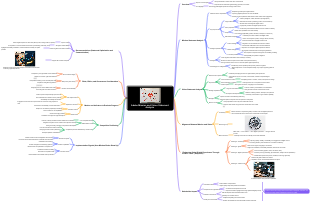
This analysis explores the profound insights into Alphabet’s mission and vision statements, offering a comprehensive framework for understanding the guiding principles that shape the company’s strategic priorities, culture, and long-term direction. It provides valuable insights into how one of the world’s most influential technology companies articulates its purpose and aspirations while managing a diverse portfolio of businesses. The analysis begins with an overview of Alphabet as a holding company, a structure designed to provide transparency, focus, and accountability across a diverse set of businesses. Google serves as the revenue powerhouse, encompassing the company’s core internet services—Search, Ads, YouTube, Android, Chrome, Google Maps, and Google Cloud—that generate the vast majority of Alphabet’s revenue and cash flow. Alongside Google, the innovative “Other Bets”—including Waymo, Verily, Wing, and investment arms—pursue long-term opportunities in emerging technologies, with the potential to create new sources of value over time. The mission statement is examined as a foundational principle that has guided the company since its earliest days: organizing the world’s information for universal accessibility and utility. This mission reflects a commitment to making information—whether text, images, video, or data—available to anyone, anywhere, in forms that are useful and actionable. The analysis explores how this mission has evolved from its origins in search to encompass a broad range of products and services that help users navigate the digital world. Strategic implications of the mission are examined across multiple dimensions. Product ecosystem coherence emerges as a key theme, as Alphabet’s products—from Search and Maps to Android and Cloud—are designed to work together, creating seamless experiences that keep users engaged across the ecosystem. Stakeholder impacts are considered, including how the mission serves users by providing free access to in
Edited at 2026-03-25 02:23:24
- Projekterfolgskriterien und Metriken Analyse
Diese Vorlage ist ein umfassendes Managementtool für die systematische Definition, Verfolgung und Analyse von Projekterfolgskriterien und KPIs, entwickelt für Projektmanager, PMO und Unternehmensleitungen. Sie gliedert den gesamten Erfolgsmessprozess in einen geschlossenen Feedback-Loop, beginnend mit der Festlegung von Kern Erfolgskriterien zur Abstimmung von Geschäftszielen, Stakeholder-Erwartungen und Akzeptanzkriterien, gefolgt von der Definition quantifizierbarer Metriken und KPIs für Finanz, Zeitplan, Qualität, Leistung und Nutzerzufriedenheit. Darauf aufbauend folgt die Definition von Datenerhebungsmechanismen zur Festlegung von Sammelkanälen, -frequenz und Daten-Eigentümern, sowie abschließend die Analyse- und Berichterstattungsschleife zur kontinuierlichen Bewertung, Festlegung von Aktionsschwellen und Optimierungsfeedback. Ergänzt werden die Module durch eine detaillierte KPI-Tracking-Tabelle zur systematischen Verfolgung von KPI-Werten, Status und Abweichungen, sowie eine KPI-Schleifensteuerbahn zur Festlegung von Eigentümern, Bewertungs-Cadenz und Aktionsschwellen. Die Vorlage standardisiert die Projektleistungsbewertung, maximiert die Projekttransparenz und unterstützt eine nachhaltige Projektsteuerung, wobei sie flexibel anpassbar für Projekte jeder Größe und Branchen ist.
- Projektgovernance Strukturoptimierungsdesign
Diese Vorlage ist ein umfassendes Managementtool für die systematische Gestaltung und Optimierung von Projektgovernance-Strukturen, entwickelt für Projektmanager, PMO und Unternehmensleitungen. Sie stellt eine hierarchische Governance-Architektur dar, beginnend mit der Leitungsebene durch Executive Sponsor, gefolgt von zentralen Gremien wie Verwaltungsrat, PMO sowie Risiko- und Compliance, und erweitert sich auf die operativen Ebenen mit Teamleitungen, Fachbereichsleitern und Supportteams, wobei jede Ebene klare Verantwortlichkeiten, Entscheidungs- und Eskalationshinweise definiert. Ergänzt werden die Module durch Felder zur Festlegung von Version, Anwendungsbereich und Aktualisierungsdatum, um die kontinuierliche Überwachung und Optimierung der Governance-Struktur zu gewährleisten. Die Vorlage standardisiert die Projektgovernance, maximiert die Entscheidungseffizienz und minimiert Projekt-Risiken durch unzureichende Governance, wobei sie flexibel anpassbar für Unternehmen jeder Größe und Branchen ist.
- Projektteam Kapazitätsaufbau Plan
Diese Vorlage ist ein umfassendes Managementtool für die systematische Planung und Umsetzung von Kapazitätsaufbau in Projektteams, entwickelt für Projektmanager, Teamleiter und HR-Manager. Sie gliedert den gesamten Kapazitätsaufbau in drei zentrale, aufeinander aufbauende Phasen, beginnend mit der Identifizierung der Skill Gap zur Erfassung von aktuellen Fähigkeiten, Zielkapazitätsanforderungen und Lückenanalyse, gefolgt von Kernentwicklung Initiativen zur Planung von Schulungskursen, Job Rotation Programmen und Mentoring-Systemen, sowie abschließend Bewertung und Tracking zur Festlegung von Bewertungsmethoden, Skill Matrix Update und Anreizsystemen. Die Vorlage standardisiert den Teamkapazitätsaufbau, maximiert die Teamleistung und unterstützt eine nachhaltige Teamentwicklung, wobei sie flexibel anpassbar für Projektteams jeder Erfahrungsstufe ist.
Alphabet Mission and Vision Statement Analysis
- Projekterfolgskriterien und Metriken Analyse
Diese Vorlage ist ein umfassendes Managementtool für die systematische Definition, Verfolgung und Analyse von Projekterfolgskriterien und KPIs, entwickelt für Projektmanager, PMO und Unternehmensleitungen. Sie gliedert den gesamten Erfolgsmessprozess in einen geschlossenen Feedback-Loop, beginnend mit der Festlegung von Kern Erfolgskriterien zur Abstimmung von Geschäftszielen, Stakeholder-Erwartungen und Akzeptanzkriterien, gefolgt von der Definition quantifizierbarer Metriken und KPIs für Finanz, Zeitplan, Qualität, Leistung und Nutzerzufriedenheit. Darauf aufbauend folgt die Definition von Datenerhebungsmechanismen zur Festlegung von Sammelkanälen, -frequenz und Daten-Eigentümern, sowie abschließend die Analyse- und Berichterstattungsschleife zur kontinuierlichen Bewertung, Festlegung von Aktionsschwellen und Optimierungsfeedback. Ergänzt werden die Module durch eine detaillierte KPI-Tracking-Tabelle zur systematischen Verfolgung von KPI-Werten, Status und Abweichungen, sowie eine KPI-Schleifensteuerbahn zur Festlegung von Eigentümern, Bewertungs-Cadenz und Aktionsschwellen. Die Vorlage standardisiert die Projektleistungsbewertung, maximiert die Projekttransparenz und unterstützt eine nachhaltige Projektsteuerung, wobei sie flexibel anpassbar für Projekte jeder Größe und Branchen ist.
- Projektgovernance Strukturoptimierungsdesign
Diese Vorlage ist ein umfassendes Managementtool für die systematische Gestaltung und Optimierung von Projektgovernance-Strukturen, entwickelt für Projektmanager, PMO und Unternehmensleitungen. Sie stellt eine hierarchische Governance-Architektur dar, beginnend mit der Leitungsebene durch Executive Sponsor, gefolgt von zentralen Gremien wie Verwaltungsrat, PMO sowie Risiko- und Compliance, und erweitert sich auf die operativen Ebenen mit Teamleitungen, Fachbereichsleitern und Supportteams, wobei jede Ebene klare Verantwortlichkeiten, Entscheidungs- und Eskalationshinweise definiert. Ergänzt werden die Module durch Felder zur Festlegung von Version, Anwendungsbereich und Aktualisierungsdatum, um die kontinuierliche Überwachung und Optimierung der Governance-Struktur zu gewährleisten. Die Vorlage standardisiert die Projektgovernance, maximiert die Entscheidungseffizienz und minimiert Projekt-Risiken durch unzureichende Governance, wobei sie flexibel anpassbar für Unternehmen jeder Größe und Branchen ist.
- Projektteam Kapazitätsaufbau Plan
Diese Vorlage ist ein umfassendes Managementtool für die systematische Planung und Umsetzung von Kapazitätsaufbau in Projektteams, entwickelt für Projektmanager, Teamleiter und HR-Manager. Sie gliedert den gesamten Kapazitätsaufbau in drei zentrale, aufeinander aufbauende Phasen, beginnend mit der Identifizierung der Skill Gap zur Erfassung von aktuellen Fähigkeiten, Zielkapazitätsanforderungen und Lückenanalyse, gefolgt von Kernentwicklung Initiativen zur Planung von Schulungskursen, Job Rotation Programmen und Mentoring-Systemen, sowie abschließend Bewertung und Tracking zur Festlegung von Bewertungsmethoden, Skill Matrix Update und Anreizsystemen. Die Vorlage standardisiert den Teamkapazitätsaufbau, maximiert die Teamleistung und unterstützt eine nachhaltige Teamentwicklung, wobei sie flexibel anpassbar für Projektteams jeder Erfahrungsstufe ist.
- Recommended to you
- Outline