Wondershare EdrawMind
MindMap Gallery Database Performance Tuning Diagram
Database Performance Tuning Diagram
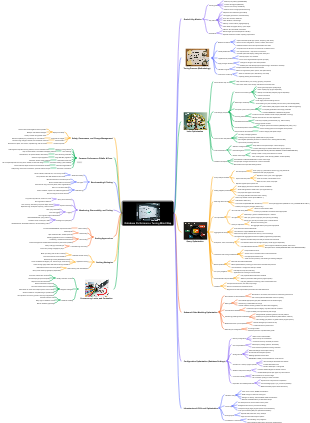
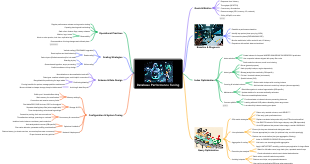
Unlock the full potential of your database with our comprehensive guide on Database Performance Tuning. This detailed framework covers essential aspects, including Goals & Metrics to measure response time and resource usage, Observability & Diagnosis techniques to isolate bottlenecks, and effective Query Optimization strategies for better performance. Explore Index Optimization for efficient data retrieval, Configuration Tuning to enhance system settings, and Schema & Data Model Improvements to streamline data structures. Additionally, learn about Transaction & Lock Tuning for minimizing contention and Caching & Read Scalability to boost application efficiency. Elevate your database performance and ensure stability with proven tuning practices.
Edited at 2026-03-25 13:45:00
- Grade 3: Appropriate Times to Applaud for Others
Join us in learning the art of applause! This engaging program for Grade 3 students focuses on the appropriate times to applaud during assemblies and performances, emphasizing respect and appreciation for performers. Students will explore the significance of applauding, from encouraging speakers to maintaining good audience manners. They will learn when to applaudsuch as after performances or when speakers are introducedand when to refrain from clapping, ensuring they don't interrupt quiet moments or ongoing performances. Through fun activities like the "Applause or Pause" game and role-playing a mini assembly, students will practice respectful applause techniques. Success will be measured by their ability to clap at the right times, demonstrate respect during quiet moments, and support their peers kindly. Let's foster a community of respectful audience members together!
- Grade 4: How to Care for a Classmate Who Feels Unwell
In our Grade 4 lesson on caring for classmates who feel unwell, we equip students with essential skills for handling such situations compassionately and effectively. The lesson unfolds in seven stages, starting with daily preparedness, where students learn to recognize signs of illness and the importance of communicating with adults. Next, they practice checking in with a classmate politely and keeping them comfortable. Students are then guided to inform the teacher promptly and offer safe help while waiting. In case of serious symptoms, they learn to seek adult assistance immediately. After the situation is handled, students reflect on their actions and continue improving their response skills for future incidents. This comprehensive approach fosters empathy and responsibility in our classroom community.
- Grade 2: Understanding When to Keep a Friend’s Secret
Join us in Grade 2 as we explore the important topic of keeping friends' secrets! In this engaging session, students will learn what a secret is, how to distinguish between safe and unsafe secrets, and identify trusted adults they can turn to for help. We’ll discuss the difference between surprises, which are short-lived and joyful, and secrets that can sometimes cause worry. Through interactive activities like sorting games and role-playing, children will practice recognizing unsafe situations and the importance of sharing concerns with adults. Remember, safety is always more important than secrecy!
Database Performance Tuning Diagram
- Grade 3: Appropriate Times to Applaud for Others
Join us in learning the art of applause! This engaging program for Grade 3 students focuses on the appropriate times to applaud during assemblies and performances, emphasizing respect and appreciation for performers. Students will explore the significance of applauding, from encouraging speakers to maintaining good audience manners. They will learn when to applaudsuch as after performances or when speakers are introducedand when to refrain from clapping, ensuring they don't interrupt quiet moments or ongoing performances. Through fun activities like the "Applause or Pause" game and role-playing a mini assembly, students will practice respectful applause techniques. Success will be measured by their ability to clap at the right times, demonstrate respect during quiet moments, and support their peers kindly. Let's foster a community of respectful audience members together!
- Grade 4: How to Care for a Classmate Who Feels Unwell
In our Grade 4 lesson on caring for classmates who feel unwell, we equip students with essential skills for handling such situations compassionately and effectively. The lesson unfolds in seven stages, starting with daily preparedness, where students learn to recognize signs of illness and the importance of communicating with adults. Next, they practice checking in with a classmate politely and keeping them comfortable. Students are then guided to inform the teacher promptly and offer safe help while waiting. In case of serious symptoms, they learn to seek adult assistance immediately. After the situation is handled, students reflect on their actions and continue improving their response skills for future incidents. This comprehensive approach fosters empathy and responsibility in our classroom community.
- Grade 2: Understanding When to Keep a Friend’s Secret
Join us in Grade 2 as we explore the important topic of keeping friends' secrets! In this engaging session, students will learn what a secret is, how to distinguish between safe and unsafe secrets, and identify trusted adults they can turn to for help. We’ll discuss the difference between surprises, which are short-lived and joyful, and secrets that can sometimes cause worry. Through interactive activities like sorting games and role-playing, children will practice recognizing unsafe situations and the importance of sharing concerns with adults. Remember, safety is always more important than secrecy!