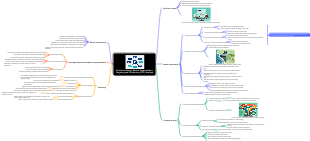
MindMap Gallery Duke Energy Market Segmentation, Targeting and Positioning Analysis
Duke Energy is committed to understanding and meeting the diverse needs of its customers through a comprehensive Market Segmentation, Targeting, and Positioning (STP) analysis. This analysis focuses on regulated electricity and natural gas distribution across state-regulated service territories in the U.S., serving various customer types, including residential, small and medium businesses, large commercial and industrial entities, public institutions, and developers. Key aspects include usage profiles, customer needs, and engagement preferences. Targeting strategies prioritize equitable access, high-value segments like large C&I and electrification adopters, and vulnerable customers. By aligning with regulatory requirements and sustainability goals, Duke Energy aims to enhance reliability, affordability, and community partnerships.
Edited at 2026-03-25 14:02:36中国のDouyin(抖音)ECサイトにおけるユーザープロファイル分析を深掘りします。本分析では、ユーザー属性を年齢層(Z世代、ミレニアル世代、中壮年層、シルバー層)や都市ランクに基づいて層別化し、消費能力と購買行動を多角的に考察します。興味タグや関心事(美容、グルメ、テクノロジー、ライフスタイル)を明らかにし、ユーザーのアクティブ時間帯や購買動機を分析します。また、コンテンツ嗜好やスタイル、コンバージョンパス、短動画の企画方向性についても詳述し、効果的なマーケティング戦略を探ります

天猫美妆の「価格が高い」という異議に対処し、商品の価値を再構築するための戦略をご紹介します。まず、顧客の心理的障壁を取り除くために、価格への共感とフレーミングを行います。次に、商品の機能的価値と情緒的価値を最大化し、具体的な効果を可視化します。プロモーションによるお得感を強調し、会員特典や期間限定の希少性も活用します。最後に、リスクを払拭し、購入の緊急性を促すことで成約を促進します。このアプローチにより、顧客は価格以上の価値を実感できるでしょう
淘宝(Taobao)の検索流量転化漏斗分析では、効果的なマーケティング戦略を探るための重要なステージを紹介します。まず、検索露出ステージでは、キーワードマッチングやユーザー属性タグの最適化が鍵となります。次に、クリックスルーステージでは、視覚的な要素や価格戦略がクリック率に影響します。続いて、検討・関心ステージでは、商品詳細ページの説得力やユーザーレビューが重要です。最終的なコンバージョンステージでは、決済プロセスの心理的障壁を取り除く工夫が求められます。また、最適化ノードとフィードバック構造により、データ分析を活用した継続的な改善が可能です
中国のDouyin(抖音)ECサイトにおけるユーザープロファイル分析を深掘りします。本分析では、ユーザー属性を年齢層(Z世代、ミレニアル世代、中壮年層、シルバー層)や都市ランクに基づいて層別化し、消費能力と購買行動を多角的に考察します。興味タグや関心事(美容、グルメ、テクノロジー、ライフスタイル)を明らかにし、ユーザーのアクティブ時間帯や購買動機を分析します。また、コンテンツ嗜好やスタイル、コンバージョンパス、短動画の企画方向性についても詳述し、効果的なマーケティング戦略を探ります
天猫美妆の「価格が高い」という異議に対処し、商品の価値を再構築するための戦略をご紹介します。まず、顧客の心理的障壁を取り除くために、価格への共感とフレーミングを行います。次に、商品の機能的価値と情緒的価値を最大化し、具体的な効果を可視化します。プロモーションによるお得感を強調し、会員特典や期間限定の希少性も活用します。最後に、リスクを払拭し、購入の緊急性を促すことで成約を促進します。このアプローチにより、顧客は価格以上の価値を実感できるでしょう
淘宝(Taobao)の検索流量転化漏斗分析では、効果的なマーケティング戦略を探るための重要なステージを紹介します。まず、検索露出ステージでは、キーワードマッチングやユーザー属性タグの最適化が鍵となります。次に、クリックスルーステージでは、視覚的な要素や価格戦略がクリック率に影響します。続いて、検討・関心ステージでは、商品詳細ページの説得力やユーザーレビューが重要です。最終的なコンバージョンステージでは、決済プロセスの心理的障壁を取り除く工夫が求められます。また、最適化ノードとフィードバック構造により、データ分析を活用した継続的な改善が可能です
Duke Energy Market Segmentation, Targeting and Positioning (STP) Analysis
Context & Scope
Focus: regulated electricity distribution
Focus: regulated natural gas distribution
Geography: state-regulated service territories (U.S.)
Customers: default utility provider within franchise areas
Market Segmentation
Customer Type (Primary)
Residential
Single-family homeowners
Multi-family/landlords
Low-to-moderate income (LMI)
Electrification adopters (EVs, heat pumps)
Small & Medium Business (SMB)
Retail/restaurant
Office/professional services
Light industrial
Large Commercial & Industrial (C&I)
Manufacturing
Logistics/warehousing
Healthcare and education
Data centers/high-load facilities
Public Sector & Institutions
Municipal and county governments
K–12 schools and universities
Federal facilities
Developers & Builders
New residential developments
Commercial real estate projects
Industrial site selectors
Segment by who buys/uses service: households, businesses (SMB to large C&I), public institutions, and project-driven developers/builders.
Usage & Load Profile
Low, stable consumption
Seasonal peaks (heating/cooling driven)
High baseload (24/7 operations)
High peak demand / demand-charge sensitive
Gas heating vs electric heating dependency
Needs-Based / Jobs-to-be-Done
Reliability and outage resilience
Affordability and bill predictability
Power quality and uptime (sensitive operations)
Speed to connect / interconnection support
Sustainability and emissions reduction
Safety (gas distribution integrity, emergency response)
Attitudinal / Behavioral
Price-sensitive rate shoppers (within regulated options)
Digitally engaged (apps, alerts, self-service)
Program participants (efficiency, demand response)
Trust and service-expectation levels
Channel / Engagement Preference
Digital-first (app/web)
Call-center assisted
Account-managed (key accounts)
Community-based outreach (LMI, local stakeholders)
Regulatory / Tariff Segments
Standard residential tariffs
Time-of-use / dynamic rate pilots
Demand-based C&I tariffs
Interruptible / curtailable programs (where available)
Economic development riders / special contracts (subject to approval)
Targeting Strategy
Core Target (Regulated Base)
All customers in franchise territories via obligation-to-serve
Priority on equitable access and service reliability
High-Value / Strategic Targets
Large C&I and data centers
Goals: retain/attract load growth; ensure power quality and capacity planning
Growing electrification segments (EV, heat pumps)
Goals: managed load growth; grid-friendly adoption via TOU and incentives
LMI and vulnerable customers
Goals: affordability programs; arrearage reduction; energy burden relief
Builders/developers and site selectors
Goals: make-ready infrastructure; faster timelines; economic development outcomes
Municipal/institutional accounts
Goals: long-term partnerships; resilience planning; public accountability support
Targeting Criteria (How priorities are set)
Load growth potential and margin stability (within regulated returns)
Cost-to-serve and operational complexity
Reliability risk and criticality (hospitals, emergency services)
Regulatory alignment and stakeholder expectations
Decarbonization policy direction in each state
Customer satisfaction impact and reputational risk
Positioning
Overall Positioning Statement (Regulated Utility)
“A safe, reliable, affordable energy provider and infrastructure partner enabling customer growth and cleaner energy—within state-regulated frameworks.”
Positioning Pillars
Reliability & Resilience
Grid modernization, storm hardening, faster restoration
Gas system safety and leak prevention
Customer Experience
Transparent billing and rate education
Digital self-service and outage communications
Proactive account support for key customers
Affordability & Equity
Assistance programs and flexible payment options
Targeted efficiency for LMI households
Clean Energy Enablement
Energy efficiency and demand-side management
EV charging support and managed charging
Support for renewable integration (where applicable)
Economic Development Partner
Site readiness, capacity studies, expedited connections
Collaboration with state/local agencies
Differentiation (Within a Regulated Context)
Execution quality: reliability metrics and restoration performance
Program design: efficiency/DR offerings and participation outcomes
Service delivery: responsiveness, transparency, trust
Stakeholder management: regulators, communities, large employers
Segment-Specific Value Propositions (Examples)
Residential
Easy-to-use digital tools, outage alerts, bill assistance, efficiency rebates
SMB
Simple savings programs, predictable rates, quick service and issue resolution
Large C&I / Data Centers
Power quality, capacity planning, dedicated account teams, tailored tariffs (approved)
Public Sector
Resilience planning, infrastructure coordination, reporting support for goals
Developers/Builders
Clear interconnection process, timeline certainty, make-ready coordination
Go-to-Market & Programs (Regulated Levers)
Rate design and pilots (TOU, demand response, managed charging)
Energy efficiency portfolios (residential and C&I)
Reliability investments (automation, vegetation management, undergrounding where justified)
Customer communications (bill education, outage transparency, safety messaging)
Key account management for strategic loads
Key Risks & Constraints
Regulatory approval requirements and cost-recovery timelines
Public scrutiny on rates and equity impacts
Reliability impacts from extreme weather and aging infrastructure
Distributed energy resource interconnection complexity
Fuel price volatility (especially for natural gas) and bill shock risk
Success Metrics (Illustrative)
Reliability: SAIDI/SAIFI, restoration time
Customer: satisfaction/NPS, complaint rates, digital adoption
Affordability: arrears, disconnections, program uptake
Load growth: interconnection pipeline, large-load retention
Clean energy: efficiency savings, DR MW, EV enrollment
Safety: gas incidents, leak rates, compliance findings