Wondershare EdrawMind
MindMap Gallery Holmen Market Segmentation, Targeting and Positioning Analysis
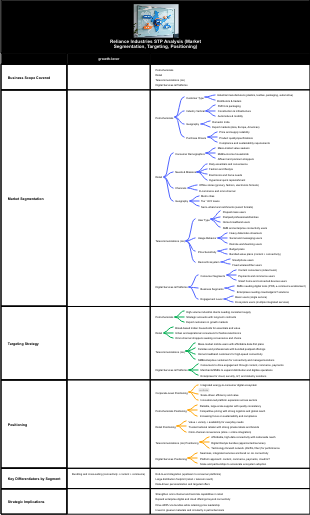
Holmen Market Segmentation, Targeting and Positioning Analysis
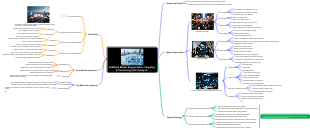
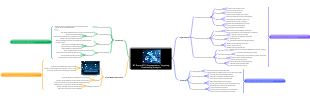
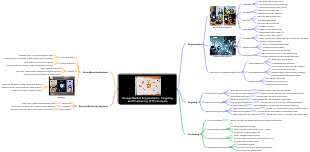
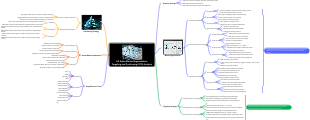
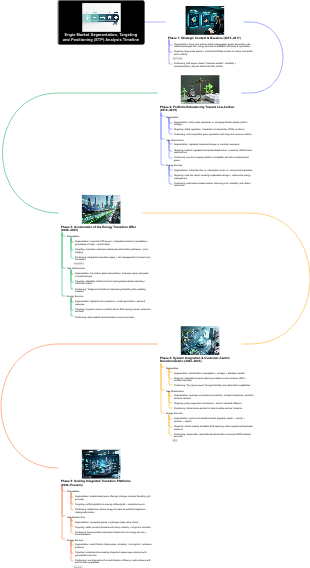
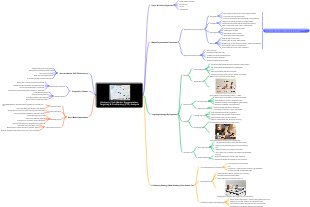
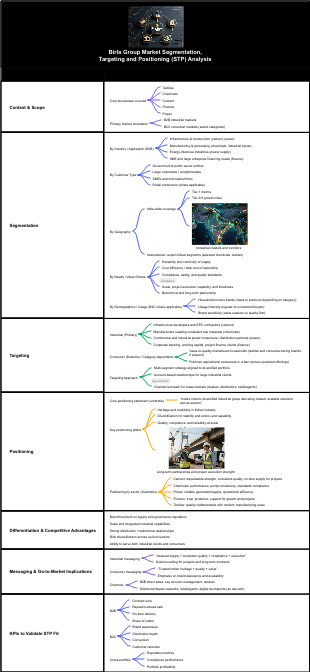
Discover Holmen's strategic approach to Market Segmentation, Targeting, and Positioning (STP) across its diverse business areas. This analysis covers four key sectors: pulp, packaging paper, renewable energy, and timber, highlighting critical decision drivers such as sustainability, cost, and supply security. The segmentation framework outlines various bases, including industry applications, customer size, and sustainability ambitions. Each sector features tailored targeting strategies, focusing on priority and selective targets, and emphasizes unique positioning attributes. From reliable, high-consistency pulp to premium packaging solutions and renewable energy partnerships, Holmen aims to meet the evolving demands of its customers while reinforcing its commitment to sustainability and innovation.
Edited at 2026-03-25 14:08:22
- ENHYPEN 혈통과 글로벌 운영
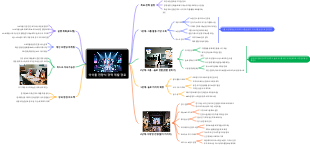
ENHYPEN은 글로벌 팬덤을 형성하며 세계 무대에서 주목받는 그룹으로, 그들의 혈통과 운영 방식은 독특한 성공 사례로 자리 잡고 있습니다. 이 그룹은 BELIFT LAB 소속으로 HYBE와 CJ ENM의 합작 레이블에서 데뷔하였으며, 서바이벌 프로그램 I-LAND를 통해 결성되었습니다. 다국적 배경을 가진 멤버들은 다양한 언어와 문화를 활용하여 글로벌 콘텐츠를 확장하고 있습니다. ENGENE 팬덤은 아시아를 중심으로 북미, 유럽 등으로 확산되고 있으며, 유튜브와 SNS를 통한 실시간 소통이 이뤄집니다. HYBE와 CJ ENM의 협력으로 제작과 유통이 결합되어 글로벌 시장에서의 성공을 이끌고 있습니다.
- (여자)아이들 전소연 프로듀서 중심제
여자)아이들 전소연의 프로듀서 중심제는 혁신적인 음악 제작 방식을 보여줍니다. 이 구조는 전소연을 중심으로 한 내부 프로듀싱 시스템을 기반으로 하며, 콘셉트 설계, 음악 제작, 프로젝트 운영까지 일관된 의사결정을 통해 이루어집니다. 멤버들은 공동 창작에 참여하며 각자의 개성을 트랙에 반영하여 팀의 통일감과 개인 캐릭터를 동시에 강화합니다. 전소연의 개인 스타일은 그룹의 음악과 결합되어 독창적인 사운드를 창출하며, 제작 프로세스는 체계적이고 효율적입니다. 이 시스템은 높은 완성도와 브랜드 강화를 가져오는 동시에 지속 가능한 발전을 위한 다양한 전략을 모색합니다.
- 동남아시아 팬 파워 분석
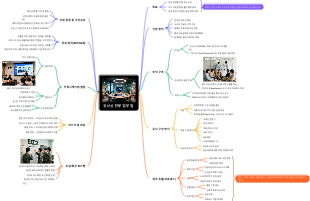
팬 그룹 소통 일기는 팬들 간의 유대감을 강화하고 소중한 추억을 남기기 위한 기록입니다. 이 일기는 날짜, 참여자, 채널 등 기본 정보와 함께 소통 주제, 새로 알게 된 친구, 재미있는 토론, 따뜻했던 순간을 포함합니다. 템플릿을 통해 간단하게 오늘의 한 줄, 베스트 대화, 웃음 포인트 등을 작성할 수 있으며, 운영 방식으로는 매일 짧은 기록과 주간 요약을 제안합니다. 마지막으로 아카이브와 회고를 통해 소통의 하이라이트와 관계 지도를 정리하고 개선 포인트를 찾아갑니다.
Holmen Market Segmentation, Targeting and Positioning Analysis
- ENHYPEN 혈통과 글로벌 운영
ENHYPEN은 글로벌 팬덤을 형성하며 세계 무대에서 주목받는 그룹으로, 그들의 혈통과 운영 방식은 독특한 성공 사례로 자리 잡고 있습니다. 이 그룹은 BELIFT LAB 소속으로 HYBE와 CJ ENM의 합작 레이블에서 데뷔하였으며, 서바이벌 프로그램 I-LAND를 통해 결성되었습니다. 다국적 배경을 가진 멤버들은 다양한 언어와 문화를 활용하여 글로벌 콘텐츠를 확장하고 있습니다. ENGENE 팬덤은 아시아를 중심으로 북미, 유럽 등으로 확산되고 있으며, 유튜브와 SNS를 통한 실시간 소통이 이뤄집니다. HYBE와 CJ ENM의 협력으로 제작과 유통이 결합되어 글로벌 시장에서의 성공을 이끌고 있습니다.
- (여자)아이들 전소연 프로듀서 중심제
여자)아이들 전소연의 프로듀서 중심제는 혁신적인 음악 제작 방식을 보여줍니다. 이 구조는 전소연을 중심으로 한 내부 프로듀싱 시스템을 기반으로 하며, 콘셉트 설계, 음악 제작, 프로젝트 운영까지 일관된 의사결정을 통해 이루어집니다. 멤버들은 공동 창작에 참여하며 각자의 개성을 트랙에 반영하여 팀의 통일감과 개인 캐릭터를 동시에 강화합니다. 전소연의 개인 스타일은 그룹의 음악과 결합되어 독창적인 사운드를 창출하며, 제작 프로세스는 체계적이고 효율적입니다. 이 시스템은 높은 완성도와 브랜드 강화를 가져오는 동시에 지속 가능한 발전을 위한 다양한 전략을 모색합니다.
- 동남아시아 팬 파워 분석
팬 그룹 소통 일기는 팬들 간의 유대감을 강화하고 소중한 추억을 남기기 위한 기록입니다. 이 일기는 날짜, 참여자, 채널 등 기본 정보와 함께 소통 주제, 새로 알게 된 친구, 재미있는 토론, 따뜻했던 순간을 포함합니다. 템플릿을 통해 간단하게 오늘의 한 줄, 베스트 대화, 웃음 포인트 등을 작성할 수 있으며, 운영 방식으로는 매일 짧은 기록과 주간 요약을 제안합니다. 마지막으로 아카이브와 회고를 통해 소통의 하이라이트와 관계 지도를 정리하고 개선 포인트를 찾아갑니다.
- Recommended to you
- Outline