MindMap Gallery Restaurant Brands International PESTLE Analysis
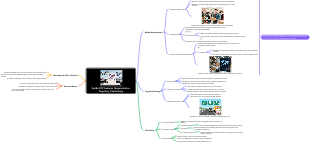
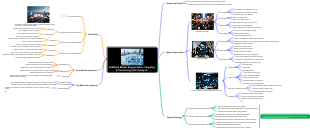
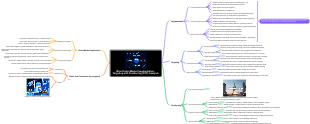
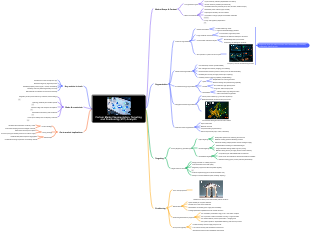
Discover the dynamic world of Adidas through our in-depth analysis of its market segmentation, targeting, and positioning strategies. This exploration delves into how Adidas differentiates between performance and lifestyle segments, focusing on their unique needs, behaviors, and preferences. We'll examine the frameworks employed for segmentation, including needs-based, behavioral, psychographic, demographic, and geographic approaches. The analysis highlights core segments, showcasing the distinct motivations behind performance-driven purchases versus lifestyle-oriented choices. Additionally, we’ll unpack sub-segments within both categories, revealing insights into elite athletes, casual consumers, and sneaker enthusiasts. Join us to understand the strategic trade-offs and growth implications shaping Adidas' brand landscape.
Edited at 2026-03-25 14:30:45ENHYPEN은 글로벌 팬덤을 형성하며 세계 무대에서 주목받는 그룹으로, 그들의 혈통과 운영 방식은 독특한 성공 사례로 자리 잡고 있습니다. 이 그룹은 BELIFT LAB 소속으로 HYBE와 CJ ENM의 합작 레이블에서 데뷔하였으며, 서바이벌 프로그램 I-LAND를 통해 결성되었습니다. 다국적 배경을 가진 멤버들은 다양한 언어와 문화를 활용하여 글로벌 콘텐츠를 확장하고 있습니다. ENGENE 팬덤은 아시아를 중심으로 북미, 유럽 등으로 확산되고 있으며, 유튜브와 SNS를 통한 실시간 소통이 이뤄집니다. HYBE와 CJ ENM의 협력으로 제작과 유통이 결합되어 글로벌 시장에서의 성공을 이끌고 있습니다.

여자)아이들 전소연의 프로듀서 중심제는 혁신적인 음악 제작 방식을 보여줍니다. 이 구조는 전소연을 중심으로 한 내부 프로듀싱 시스템을 기반으로 하며, 콘셉트 설계, 음악 제작, 프로젝트 운영까지 일관된 의사결정을 통해 이루어집니다. 멤버들은 공동 창작에 참여하며 각자의 개성을 트랙에 반영하여 팀의 통일감과 개인 캐릭터를 동시에 강화합니다. 전소연의 개인 스타일은 그룹의 음악과 결합되어 독창적인 사운드를 창출하며, 제작 프로세스는 체계적이고 효율적입니다. 이 시스템은 높은 완성도와 브랜드 강화를 가져오는 동시에 지속 가능한 발전을 위한 다양한 전략을 모색합니다.
팬 그룹 소통 일기는 팬들 간의 유대감을 강화하고 소중한 추억을 남기기 위한 기록입니다. 이 일기는 날짜, 참여자, 채널 등 기본 정보와 함께 소통 주제, 새로 알게 된 친구, 재미있는 토론, 따뜻했던 순간을 포함합니다. 템플릿을 통해 간단하게 오늘의 한 줄, 베스트 대화, 웃음 포인트 등을 작성할 수 있으며, 운영 방식으로는 매일 짧은 기록과 주간 요약을 제안합니다. 마지막으로 아카이브와 회고를 통해 소통의 하이라이트와 관계 지도를 정리하고 개선 포인트를 찾아갑니다.
ENHYPEN은 글로벌 팬덤을 형성하며 세계 무대에서 주목받는 그룹으로, 그들의 혈통과 운영 방식은 독특한 성공 사례로 자리 잡고 있습니다. 이 그룹은 BELIFT LAB 소속으로 HYBE와 CJ ENM의 합작 레이블에서 데뷔하였으며, 서바이벌 프로그램 I-LAND를 통해 결성되었습니다. 다국적 배경을 가진 멤버들은 다양한 언어와 문화를 활용하여 글로벌 콘텐츠를 확장하고 있습니다. ENGENE 팬덤은 아시아를 중심으로 북미, 유럽 등으로 확산되고 있으며, 유튜브와 SNS를 통한 실시간 소통이 이뤄집니다. HYBE와 CJ ENM의 협력으로 제작과 유통이 결합되어 글로벌 시장에서의 성공을 이끌고 있습니다.
여자)아이들 전소연의 프로듀서 중심제는 혁신적인 음악 제작 방식을 보여줍니다. 이 구조는 전소연을 중심으로 한 내부 프로듀싱 시스템을 기반으로 하며, 콘셉트 설계, 음악 제작, 프로젝트 운영까지 일관된 의사결정을 통해 이루어집니다. 멤버들은 공동 창작에 참여하며 각자의 개성을 트랙에 반영하여 팀의 통일감과 개인 캐릭터를 동시에 강화합니다. 전소연의 개인 스타일은 그룹의 음악과 결합되어 독창적인 사운드를 창출하며, 제작 프로세스는 체계적이고 효율적입니다. 이 시스템은 높은 완성도와 브랜드 강화를 가져오는 동시에 지속 가능한 발전을 위한 다양한 전략을 모색합니다.
팬 그룹 소통 일기는 팬들 간의 유대감을 강화하고 소중한 추억을 남기기 위한 기록입니다. 이 일기는 날짜, 참여자, 채널 등 기본 정보와 함께 소통 주제, 새로 알게 된 친구, 재미있는 토론, 따뜻했던 순간을 포함합니다. 템플릿을 통해 간단하게 오늘의 한 줄, 베스트 대화, 웃음 포인트 등을 작성할 수 있으며, 운영 방식으로는 매일 짧은 기록과 주간 요약을 제안합니다. 마지막으로 아카이브와 회고를 통해 소통의 하이라이트와 관계 지도를 정리하고 개선 포인트를 찾아갑니다.
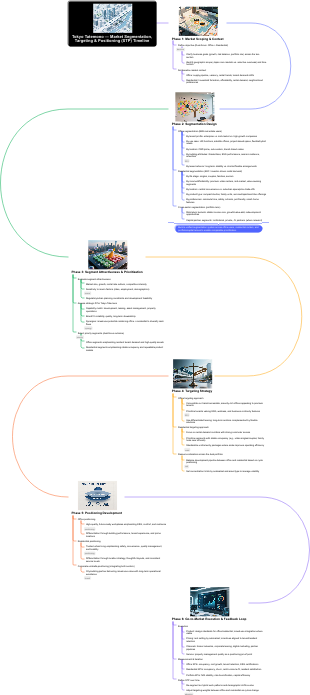
Adidas STP Analysis: Performance vs Lifestyle Strategy
Purpose & Scope
Analyze how Adidas segments the market into performance and lifestyle domains
Evaluate targeting priorities, portfolio roles, and channel focus by segment
Clarify positioning pillars and how they differ between performance and lifestyle
Identify strategic trade-offs, overlaps, and growth implications
Market Segmentation (How Adidas Splits the Market)
Segmentation Frameworks Used
Needs-based segmentation
Athletic performance outcomes (speed, support, durability, injury prevention)
Style/identity expression (fashion, trend alignment, cultural affiliation)
Comfort and everyday versatility (all-day wear, casual mobility)
Behavioral segmentation
Usage intensity (daily training vs occasional activity vs casual wear)
Occasion (training, competition, commuting, socializing, events)
Brand engagement (collectors/sneakerheads, loyal athletes, casual shoppers)
Psychographic segmentation
Achievement-driven athletes
Wellness and active lifestyle consumers
Streetwear/fashion-forward communities
Sustainability-minded consumers
Demographic segmentation
Age cohorts (teens, young adults, adults)
Gender and fit preferences
Income tiers (premium performance vs accessible lifestyle basics)
Geographic segmentation
Region-specific sport preferences (football/soccer vs basketball vs running)
Climate-based product needs (winterization, breathability)
Urban vs suburban lifestyle patterns
Adidas blends needs, behavior, mindset, demographics, and geography to separate function-led sport demand from culture-led everyday demand.
Core Segment Split: Performance vs Lifestyle
Performance (Sport-first)
Primary purchase driver: measurable athletic benefit
Product cues: technical materials, fit/lockdown, traction, stability, weight reduction
Proof points: athlete endorsements, sport science, competition usage
Key categories
Running (daily trainers, racing shoes, stability lines)
Football/soccer (boots/cleats, team kits)
Training (gym, HIIT, cross-training)
Basketball (performance models, player signature tie-ins where applicable)
Outdoor (trail running, hiking; weather-ready apparel)
Lifestyle (Style-first, sport heritage)
Primary purchase driver: aesthetics + cultural meaning + comfort
Product cues: retro silhouettes, collaborations, colorways, limited drops
Proof points: pop culture visibility, influencer adoption, fashion placement
Key categories
Originals and retro classics (heritage silhouettes)
Streetwear and collaborations (designers, artists, boutiques)
Athleisure basics (logo apparel, casual sneakers)
Sport-inspired fashion (performance look without full technical need)
Sub-Segments Within Performance
Elite/competitive athletes
High willingness to pay for marginal gains
Expect innovation cycles and authenticity
Enthusiast/amateur athletes
Seek performance features with durability and value
Influenced by reviews, community, and coaching advice
Beginners/return-to-sport
Need guidance, comfort, injury-mitigation cues
Lower technical vocabulary; simplified benefit messaging
Team sports participants
Purchases tied to seasons, leagues, and team identity
Bulk/team deals and federation partnerships
Sub-Segments Within Lifestyle
Sneaker collectors and hype consumers
Scarcity-driven demand; drop culture; resale awareness
High sensitivity to collabs and storytelling
Fashion-forward mainstream
Trend adoption; prefers recognizable silhouettes
Mix of premium and accessible lines
Comfort-first casual buyers
Seek cushioning, easy fit, versatile styling
Often cross-shops athleisure competitors
Culture/community-driven buyers
Music, skate, street communities
Preference for authenticity and brand heritage
Cross-Cutting Segment: Sustainability/Values
Motivations
Reduced environmental impact, ethical sourcing expectations
Purchase behavior
Will pay a premium when benefits are clear and credible
Implications
Needs transparent claims, lifecycle storytelling, material labeling
Targeting (Who Adidas Prioritizes and How)
Targeting Strategy Overview
Differentiated targeting
Separate product lines, messages, and channels for performance vs lifestyle
Portfolio approach
Hero products for brand heat and credibility
Volume products for scale and revenue stability
Performance Targeting
Priority audiences
Runners (mass participation + premium performance tiers)
Football/soccer players and fans (global scale, deep cultural roots)
Training/gym users (year-round demand, apparel attachment)
Key targeting mechanisms
Athlete/team/federation sponsorships for legitimacy
Performance innovation narratives (materials, lab testing, race-day validation)
Community activations (run clubs, training events, coaching content)
Channel targeting
Specialty sport retailers for technical credibility
Own retail and e-commerce for full-range availability and education
Event-based selling (marathons, tournaments) for conversion moments
Pricing and product tiering
Premium flagships (top tech, halo effect)
Mid-tier workhorses (balanced features/value)
Entry models (accessibility, onboarding)
Lifestyle Targeting
Priority audiences
Youth and young adults driving trend adoption
Urban consumers emphasizing style and everyday wear
Streetwear communities and collaboration followers
Key targeting mechanisms
Collaborations and limited editions to create cultural relevance
Storytelling rooted in heritage, music, street culture, and design
Influencer seeding and social-first campaigns
Channel targeting
Direct-to-consumer for drop control, data capture, margin
Select boutiques and fashion retailers for credibility
Online drops and app-based launches for hype management
Pricing and assortment
Premium collabs (scarcity pricing, high margins)
Core classics (steady demand, broad accessibility)
Seasonal fashion capsules (trend responsiveness)
Balancing Performance vs Lifestyle Targeting
Portfolio role differentiation
Performance builds technical trust and sport authenticity
Lifestyle drives cultural heat, frequency of purchase, and brand visibility
Managing overlap audiences
Athleisure buyers who want comfort + style + occasional training use
Consumers who move from sport participation to casual adoption of sport icons
Resource allocation considerations
Investment in R&D and athlete partnerships vs collabs and brand marketing
Risk of over-indexing on hype vs maintaining sport credibility
Positioning (How Adidas Wants to Be Perceived)
Master Brand Positioning
Core idea
A sports-rooted brand blending performance innovation with cultural style
Brand equities
Heritage in global sports and iconic silhouettes
Modern design language and collaborations
Innovation credibility (materials, cushioning systems, fit technologies)
Performance Positioning
Positioning statement (conceptual)
For athletes and serious participants, Adidas delivers proven performance innovation validated by sport and science
Differentiators
Sport-specific engineering and product testing
Athlete endorsement and competition visibility
Functional design clarity (speed, stability, traction, breathability)
Reasons to believe
Elite athlete usage
Technical specs and measurable improvements
Awards/reviews and expert recommendations
Value proposition messaging
Better performance outcomes (faster, more stable, more efficient)
Confidence and injury-risk reduction through support and fit
Lifestyle Positioning
Positioning statement (conceptual)
For style-driven consumers, Adidas offers iconic sport heritage remixed with modern culture, enabling self-expression and everyday comfort
Differentiators
Recognizable classics and brand symbols
Collaboration ecosystem spanning designers, artists, and subcultures
Versatile wearability bridging street, casual, and athleisure
Reasons to believe
Cultural adoption (music, fashion, streetwear)
Limited drops and storytelling
Visual identity consistency across products and campaigns
Value proposition messaging
Iconic style with authentic roots
Comfort and versatility for everyday life
Positioning Tensions: Performance vs Lifestyle
Authenticity risk
Too much lifestyle emphasis can dilute sport-first credibility
Innovation perception
Performance innovation must not appear like marketing without proof
Brand coherence
Need consistent design language and values across both worlds
Cannibalization and confusion
Similar silhouettes used in different contexts can blur intended use-cases
Performance vs Lifestyle Segmentation Strategy (Deep Dive)
Strategic Rationale
Capture two high-value demand pools
Performance: technical, repeat purchases tied to sport participation
Lifestyle: larger casual market, trend-led volume, higher frequency for fashion shoppers
Stabilize revenue cycles
Lifestyle can offset seasonal sport demand
Performance maintains long-term brand trust
Product Strategy Differences
Performance product architecture
Sport-specific lines, technical tiers, frequent innovation updates
Clear use-case labeling and athlete validation
Lifestyle product architecture
Classics, retro reissues, fashion capsules, collab drops
Colorways and storytelling cycles
Marketing Strategy Differences
Performance marketing
Proof-driven claims, athlete narratives, training content
Community building through sport participation
Lifestyle marketing
Culture-led storytelling, social media virality, influencer networks
Collab narratives and limited-release excitement
Channel Strategy Differences
Performance channels
Specialty retail + performance-focused e-commerce content (fit guides, tech explainers)
Lifestyle channels
DTC-first drops, curated distribution, fashion retail partnerships
Customer Experience Differences
Performance
Fit/analysis tools, expert advice, product education
Lifestyle
Styling content, lookbooks, collab storytelling, drop alerts
Success Metrics by Segment
Performance
Market share in key sports, technical product sell-through, repeat purchase among athletes
Brand credibility measures (expert reviews, athlete adoption)
Lifestyle
Cultural share of voice, collaboration sell-outs, DTC engagement, hype/traffic spikes
Classics sell-through and replenishment stability
Competitive Context (Implications for STP)
Performance competition
Competes on innovation, athlete validation, sport authority
Key battlegrounds: running and football/soccer
Lifestyle competition
Competes on cultural relevance, design, collaboration ecosystem
Key battlegrounds: retro icons, streetwear, athleisure
Differentiation levers Adidas can emphasize
Heritage authenticity (sport roots) + modern design credibility
Balance of technical performance and fashion legitimacy
Strong global football/soccer identity with lifestyle spillover
Strategic Risks & Mitigations
Over-reliance on lifestyle hype cycles
Risk
Volatile demand; trend fatigue; reduced sport credibility
Mitigation
Maintain steady performance innovation pipeline and athlete visibility
Performance claims not sufficiently differentiated
Risk
Commoditization in running/training categories
Mitigation
Clear tech storytelling, measurable benefits, sport-specific fit and geometry
Portfolio complexity
Risk
Consumer confusion; inventory inefficiency
Mitigation
Simplify line architecture, clarify naming, strengthen good-better-best tiers
Sustainability credibility gaps
Risk
Greenwashing perceptions
Mitigation
Transparent metrics, third-party validation, durable product design
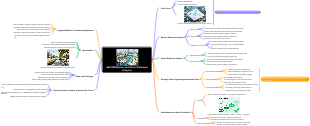
Key Takeaways (STP Summary)
Segmentation
Dual-engine segmentation: performance (function) and lifestyle (culture/identity)
Targeting
Differentiated targeting aligns product, messaging, and channels to athlete needs vs style motivations
Positioning
Performance: innovation + sport proof
Lifestyle: heritage icons + cultural relevance
Core challenge
Sustain sport credibility while leveraging lifestyle scale without diluting either identity