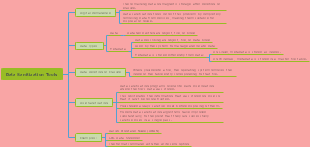
User management - Allows to add/ edit users/ create learners group; Assign / configure roles /permission
Course management - LMS has inbuilt course development /editing feature; courses can also be developed with authoring tools and uploaded to LMS
Assessment management - to develop automated exams to check learner's knowledge
Reporting - showcase data on different criteria, such as content view, learner progression, assessment results, enrollments etc.
SCORM xAPI - upload standard SCORM & XAPI course file instantly
Integration /plug-in - the ability to connect with other independent resources; with SSO (Single Sign On); API; allows extensions and offers scalability
Branding/customization and white labeling - create a unique learning platform and maintain the consistent visible identity
Gamification - create an engaging learning journey by allocating points, award, and badges that motivates and offers a sense of achievement
Certification - designate users and verify their credibility/ competency
Social learning - enable users to share learning outputs on social media
Learning path - enable to plan and build structured training programs by grouping courses
Intuitive user interface - facilitates the cohesive flow of the course
Data migration - freedom to switch other platforms by reuploading all information to the new platform
Dynamic settings - auto assign settings that manage user and curate learning
E-commerce - LMS integrated with payment gateways
Webinar functionality - for interactive/live sessions
Calendar functionality - to schedule events/modules/webinar
 Wondershare EdrawMind