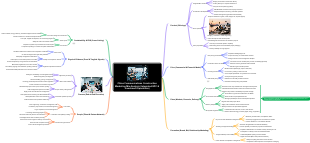
Core Statement (Given)
Delivers quality beers and beverages
Enhancing consumer experience
Promoting sustainable production
Mission Analysis (What the company does)
Primary purpose
Produce and deliver beers and beverages at high quality standards
Serve consumers through consistent product performance and taste
Target stakeholders
Retail and on-trade partners (bars, restaurants)
Distributors and supply chain partners
Employees and local communities
Key activities implied
Brewing and beverage production
Quality assurance and process control
Brand management and portfolio innovation
Responsible sourcing and operations management
Value proposition
Reliable, enjoyable beverages
Broad portfolio and availability
Trust through consistent quality
Vision Analysis (What the company aims to become/enable)
Aspirational direction
Be a leading provider of beers and beverages recognized for quality and consumer experience
Be known for sustainability in production and operations
Desired outcomes
Elevated moments and experiences around beer and beverages
Reduced environmental footprint across the value chain
Long-term business resilience through sustainable practices
Time horizon and ambition cues
Ongoing improvement rather than a fixed end-state
Scale impact through global operations and influence
Quality Focus (Meaning and execution)
What “quality” typically includes
Taste consistency and freshness
Safety and regulatory compliance
Packaging integrity and shelf stability
Product variety and innovation standards
How quality is operationalized
Standardized brewing processes and controls
Supplier qualification and ingredient specifications
Continuous improvement and performance metrics
Traceability and audits across facilities
Risks if quality is not sustained
Increased recalls and compliance issues
Customer churn and reputational damage
Consumer Experience Focus (Meaning and execution)
Experience dimensions
Product enjoyment (taste, aroma, mouthfeel)
Occasion-based relevance (sports, celebrations, dining)
Accessibility and availability (channels, formats, price tiers)
Brand connection (identity, storytelling, authenticity)
Touchpoints affecting experience
Retail presence and merchandising
On-trade serve quality (draft systems, glassware, temperature)
Packaging and design usability
Digital engagement and customer support
Measurement signals
Net promoter score / satisfaction indicators
Repeat purchase and loyalty metrics
Market share and brand equity measures
Feedback loops (reviews, social listening, customer insights)
Sustainability Focus (Meaning and execution)
Scope of “sustainable production”
Environmental stewardship
Water use efficiency and watershed stewardship
Energy efficiency and renewable energy adoption
GHG emissions reduction across scopes
Waste reduction and circular packaging
Social sustainability
Worker safety and fair labor practices
Community engagement and local economic impact
Responsible consumption initiatives
Governance and accountability
Transparent reporting and audits
Supplier standards and compliance
Risk management and ethics
Value-chain lens
Agriculture and ingredient sourcing (barley, hops, adjuncts)
Brewing operations and utilities
Packaging materials (glass, aluminum, paper)
Logistics and cold chain impacts where applicable
End-of-life recycling and consumer participation
Key trade-offs to manage
Cost vs. sustainable materials and processes
Speed to market vs. responsible sourcing constraints
Portfolio expansion vs. footprint management
Strategic Implications (What the statement drives)
Product and portfolio strategy
Balance between flagship brands and innovation
Expansion into low/no-alcohol and beyond-beer beverages
Quality-led differentiation in competitive markets
Operations strategy
Lean, standardized production for consistency
Investment in sustainable technologies (water, energy, packaging)
Supplier partnerships for traceability and sustainability
Marketing and customer strategy
Focus on moments/occasions and consumer-centric design
Strengthen on-trade experience execution
Communicate sustainability credibly to avoid skepticism
Talent and culture
Quality ownership mindset across teams
Sustainability embedded in KPIs and incentives
Training for responsible brewing and operational excellence
Strengths of the Statement
Clear emphasis on product quality
Consumer-centric orientation (experience)
Forward-looking responsibility lens (sustainable production)
Broad applicability across global markets and multiple beverage categories
Gaps and Ambiguities (What is not specified)
Lacks explicit customer segments (premium vs. value; beer vs. non-beer)
No measurable targets or timelines for sustainability and experience
Limited mention of responsible drinking commitments
Doesn’t explicitly address innovation, inclusion, or employee development
“Experience” is broad and could benefit from clearer dimensions (taste, availability, service, brand)
Recommended Enhancements (To make it more actionable)
Add measurable sustainability goals
Time-bound targets (e.g., water, energy, emissions, packaging circularity)
Supplier compliance and sourcing standards
Define consumer experience pillars
Availability, freshness, serve quality, variety, and responsible enjoyment
Clarify scope and priorities
Beer leadership plus growth in adjacent beverage categories
Geographic or channel emphasis where relevant
Include responsibility commitments
Responsible marketing and consumption initiatives
Community impact and labor standards
Provide a concise mission/vision split
Mission: what AB InBev does daily
Vision: what AB InBev aims to enable long-term
Example Refined Statements (Optional drafts)
Refined mission (draft)
Deliver high-quality beers and beverages that delight consumers, supported by disciplined brewing, consistent availability, and responsible practices.
Refined vision (draft)
Lead the global beverage industry by creating better consumer moments while advancing measurable sustainability across sourcing, brewing, packaging, and distribution.
 Wondershare EdrawMind