Wondershare EdrawMind
MindMap Gallery GE Market Segmentation, Targeting and Positioning Analysis
GE Market Segmentation, Targeting and Positioning Analysis
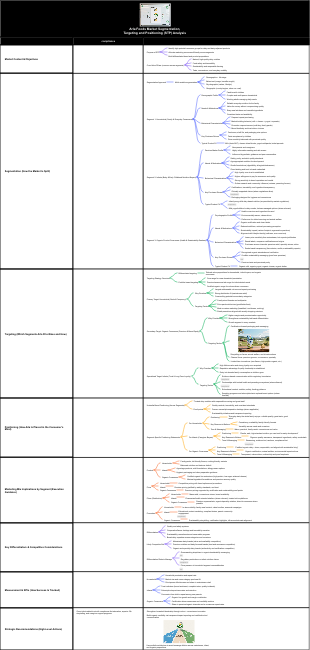
This analysis explores the strategic insights behind GE’s Market Segmentation, Targeting, and Positioning (STP) across its diverse businesses: Energy, Aviation, Healthcare, and Financial Services. Segmentation framework based on: Industry applications: power generation (utilities, industrial), aviation (commercial, cargo, military), healthcare (hospitals, imaging centers), financial (infrastructure, equipment finance). Customer types: large utilities (grid stability), renewable developers (wind, solar), global carriers (fuel efficiency, uptime), regional airlines (cost), hospitals (diagnostic accuracy), clinics (affordability). Needs: reliability (uptime), efficiency (fuel, energy), outcomes (patient health, flight completion), compliance (emissions, safety). Firmographics: company size, geography (North America, EMEA, APAC), fleet age, installed base. Procurement models: direct purchase, lease, power-by-the-hour, long-term service agreements. Technology readiness: legacy systems, digital adoption (IIoT, AI, analytics), automation maturity. Risk sensitivity: safety, regulatory, financial, operational. Key segments: Large utilities: needs – grid reliability, emissions reduction; buying criteria – TCO, uptime, compliance. Renewable developers: needs – LCOE reduction, grid integration; buying criteria – ROI, payback, incentives. Global carriers: needs – fuel efficiency, dispatch rate; buying criteria – lifecycle cost, aftermarket support. Hospitals: needs – diagnostic accuracy, patient throughput; buying criteria – image quality, uptime, training. Positioning: GE offers integrated, outcome-based solutions (hardware + software + services) tailored to segment needs. This STP framework enables effective resource allocation and market positioning.
Edited at 2026-03-25 14:36:19
- Modello completo di gestione del rischio di progetto
Questo modello, creato con EdrawMind, è un modello completo di gestione del rischio del ciclo di vita del progetto, uno strumento indispensabile per i project manager, i team di progetto e le organizzazioni che vogliono implementare un processo strutturato di identificazione, valutazione, trattamento e monitoraggio dei rischi, in linea con gli standard internazionali come il PMBOK o ISO 31000. Il modello è organizzato in sezioni chiare, che coprono ogni fase del ciclo di vita del rischio, oltre a moduli operativi come il registro dei rischi, le responsabilità e i piani di contingenza. La parte centrale del modello mostra il ciclo di vita del rischio in sei fasi, che si sviluppano in sequenza e in modo interconnesso: la prima fase è l’identificazione, dove si raccolgono informazioni per individuare tutti i possibili rischi che possono influenzare il progetto, sia positivi (opportunità) che negativi (minacce), garantendo che nessun potenziale problema o vantaggio venga trascurato. Successivamente, la fase di valutazione analizza ogni rischio per determinare la sua probabilità di accadimento e il suo impatto potenziale sul progetto, al fine di classificare i rischi come Alto, Medio o Basso, permettendo al team di concentrarsi sulle minacce più critiche. Nella fase di pianificazione, si definisce la strategia di risposta per ogni rischio, scegliendo tra le opzioni base: evitare, mitigare, trasferire o accettare, in base alla gravità e alla probabilità del rischio stesso. La fase di trattamento consiste nel mettere in atto le azioni definite nella fase di pianificazione, assegnando un proprietario del rischio e una data di scadenza per garantire accountability e tempestività. La fase di monitoraggio controlla regolarmente i rischi attivi, utilizzando trigger e metriche di allarme precoce per rilevare eventuali deviazioni e intervenire in modo proattivo, mentre la fase finale di apprendimento raccoglie le lezioni apprese per migliorare continuamente il processo di gestion
- Template di valutazione delle risorse critiche di progetto
Questo modello, creato con EdrawMind, è un strumento di valutazione della garanzia delle risorse critiche (persone e bilancio), progettato per identificare, valutare e mitigare i rischi legati alla disponibilità di risorse chiave in un progetto e è particolarmente utile per progetti complessi dove le persone specializzate e il budget sono fattori critici per il successo, poiché la carenza di tali risorse può portare a ritardi, costi aggiuntivi o anche al fallimento del progetto stesso. Il modello è strutturato in diverse sezioni interconnesse che lavorano insieme per garantire una valutazione completa e approfondita, iniziando con un’intestazione che include i dati base del progetto come nome del progetto, ID progetto e periodo di valutazione, insieme a KPI chiave che permettono di avere una visione rapida dello stato delle risorse: il tasso di copertura del ruolo chiave, il conteggio dei gap nel personale, il tasso di disponibilità di finanziamento, il gap di bilancio, l’assicurazione di fornitura chiave, il livello di rischio di dipendenza, il conteggio delle azioni di assicurazione e l’ultimo aggiornamento del template. Successivamente, la sezione di obiettivi e definizioni chiarisce lo scopo dell’analisi, ad esempio “Garantire la disponibilità di risorse critiche per evitare ritardi o fallimenti del progetto”, oltre a definire l’ambito di applicazione, la tassonomia delle risorse, le soglie di garanzia, le regole di punteggio e il percorso di escalation per le decisioni critiche, garantendo che tutte le parti coinvolte abbiano una comprensione统一e dei parametri di valutazione. Il cuore del modello è il quadro di garanzia delle risorse, una matrice a quattro quadranti che combina il livello di esposizione al rischio (Alto/Basso) con il livello di sufficienza della risorsa (Alta/Bassa), creando categorie chiare per ogni tipo di situazione: le risorse con alta esposizione e bassa sufficienza sono quelle critiche con alto rischio di carenza e bassa disponibilità, ric
- 中国抖音电商内容矩阵规划
中国抖音電商におけるコンテンツマトリクス計画は、単なる動画配信や販売促進にとどまらず、戦略的なアカウント設計と精緻なターゲット戦略を組み合わせることで、ブランドの認知拡大から顧客生涯価値(LTV)の最大化までを一貫して実現することを目的とした包括的なフレームワークである。この計画では、まず各アカウントの存在意義や役割を明確に定義し、それぞれの目的に応じた価値提案を設計することが重要となる。たとえば、認知拡大を担うアカウント、商品理解を深めるための教育型アカウント、購買転換を目的とした販売特化型アカウントなど、複数の役割を持つアカウント群を体系的に構築することで、ユーザー接点を多層的に形成する。 さらに、コンテンツピラーの設計においては、ブランドのコアメッセージを軸にしながら、エンターテインメント性、実用性、信頼性といった複数の価値要素をバランスよく配置し、ユーザーの関心を持続的に引きつける仕組みを構築する必要がある。これにより、単発的なバズに依存するのではなく、長期的なフォロワー育成と関係構築が可能となる。また、アカウント構造においては、メインアカウントとサブアカウントの役割分担を明確化し、各チャネルが相互に補完し合うことで、情報の拡散効率と転換効率を同時に高めることができる。 加えて、ターゲット層の細分化も本計画の中核を成す要素である。年齢、性別、地域といった基本属性に加え、消費意欲や興味関心、ライフスタイルなどの観点からユーザーを多次元的にセグメント化し、それぞれに最適化されたコンテンツとオファーを設計することが求められる。特に、抖音電商特有の「興味EC」の文脈においては、ユーザーの購買意欲の成熟度に応じたレベル分層が重要であり、潜在層、関心層、検討層、購買層といった段階ごとに異なるコミュニケーション戦略を展開する必要がある。 このような分層アプローチに基づき、各層に対して最適なオファー設計を行うことで、ユーザーの心理的ハードルを段階的に下げ、自然な形で購買行動へと導くことが可能となる。たとえば、潜在層には共感や興味喚起を重視したコンテンツを提供し、関心層には商品価値や使用シーンを具体的に提示し、検討層にはレビューや比較情報を通じて意思決定を支援し、最終的に購買層には限定オファーやライブコマースを活用して即時転換を促進する。 総じて、中国抖音電商コンテンツマトリクス計画は、ユーザーの興味喚起から購買、さらにはリピート購入に至るまでの一連のプロセスを体系的に設計し、各接点で最適な体験を提供することで、持続的なビジネス成長を実現するための戦略的基盤となるものである。
GE Market Segmentation, Targeting and Positioning Analysis
- Modello completo di gestione del rischio di progetto
Questo modello, creato con EdrawMind, è un modello completo di gestione del rischio del ciclo di vita del progetto, uno strumento indispensabile per i project manager, i team di progetto e le organizzazioni che vogliono implementare un processo strutturato di identificazione, valutazione, trattamento e monitoraggio dei rischi, in linea con gli standard internazionali come il PMBOK o ISO 31000. Il modello è organizzato in sezioni chiare, che coprono ogni fase del ciclo di vita del rischio, oltre a moduli operativi come il registro dei rischi, le responsabilità e i piani di contingenza. La parte centrale del modello mostra il ciclo di vita del rischio in sei fasi, che si sviluppano in sequenza e in modo interconnesso: la prima fase è l’identificazione, dove si raccolgono informazioni per individuare tutti i possibili rischi che possono influenzare il progetto, sia positivi (opportunità) che negativi (minacce), garantendo che nessun potenziale problema o vantaggio venga trascurato. Successivamente, la fase di valutazione analizza ogni rischio per determinare la sua probabilità di accadimento e il suo impatto potenziale sul progetto, al fine di classificare i rischi come Alto, Medio o Basso, permettendo al team di concentrarsi sulle minacce più critiche. Nella fase di pianificazione, si definisce la strategia di risposta per ogni rischio, scegliendo tra le opzioni base: evitare, mitigare, trasferire o accettare, in base alla gravità e alla probabilità del rischio stesso. La fase di trattamento consiste nel mettere in atto le azioni definite nella fase di pianificazione, assegnando un proprietario del rischio e una data di scadenza per garantire accountability e tempestività. La fase di monitoraggio controlla regolarmente i rischi attivi, utilizzando trigger e metriche di allarme precoce per rilevare eventuali deviazioni e intervenire in modo proattivo, mentre la fase finale di apprendimento raccoglie le lezioni apprese per migliorare continuamente il processo di gestion
- Template di valutazione delle risorse critiche di progetto
Questo modello, creato con EdrawMind, è un strumento di valutazione della garanzia delle risorse critiche (persone e bilancio), progettato per identificare, valutare e mitigare i rischi legati alla disponibilità di risorse chiave in un progetto e è particolarmente utile per progetti complessi dove le persone specializzate e il budget sono fattori critici per il successo, poiché la carenza di tali risorse può portare a ritardi, costi aggiuntivi o anche al fallimento del progetto stesso. Il modello è strutturato in diverse sezioni interconnesse che lavorano insieme per garantire una valutazione completa e approfondita, iniziando con un’intestazione che include i dati base del progetto come nome del progetto, ID progetto e periodo di valutazione, insieme a KPI chiave che permettono di avere una visione rapida dello stato delle risorse: il tasso di copertura del ruolo chiave, il conteggio dei gap nel personale, il tasso di disponibilità di finanziamento, il gap di bilancio, l’assicurazione di fornitura chiave, il livello di rischio di dipendenza, il conteggio delle azioni di assicurazione e l’ultimo aggiornamento del template. Successivamente, la sezione di obiettivi e definizioni chiarisce lo scopo dell’analisi, ad esempio “Garantire la disponibilità di risorse critiche per evitare ritardi o fallimenti del progetto”, oltre a definire l’ambito di applicazione, la tassonomia delle risorse, le soglie di garanzia, le regole di punteggio e il percorso di escalation per le decisioni critiche, garantendo che tutte le parti coinvolte abbiano una comprensione统一e dei parametri di valutazione. Il cuore del modello è il quadro di garanzia delle risorse, una matrice a quattro quadranti che combina il livello di esposizione al rischio (Alto/Basso) con il livello di sufficienza della risorsa (Alta/Bassa), creando categorie chiare per ogni tipo di situazione: le risorse con alta esposizione e bassa sufficienza sono quelle critiche con alto rischio di carenza e bassa disponibilità, ric
- 中国抖音电商内容矩阵规划
中国抖音電商におけるコンテンツマトリクス計画は、単なる動画配信や販売促進にとどまらず、戦略的なアカウント設計と精緻なターゲット戦略を組み合わせることで、ブランドの認知拡大から顧客生涯価値(LTV)の最大化までを一貫して実現することを目的とした包括的なフレームワークである。この計画では、まず各アカウントの存在意義や役割を明確に定義し、それぞれの目的に応じた価値提案を設計することが重要となる。たとえば、認知拡大を担うアカウント、商品理解を深めるための教育型アカウント、購買転換を目的とした販売特化型アカウントなど、複数の役割を持つアカウント群を体系的に構築することで、ユーザー接点を多層的に形成する。 さらに、コンテンツピラーの設計においては、ブランドのコアメッセージを軸にしながら、エンターテインメント性、実用性、信頼性といった複数の価値要素をバランスよく配置し、ユーザーの関心を持続的に引きつける仕組みを構築する必要がある。これにより、単発的なバズに依存するのではなく、長期的なフォロワー育成と関係構築が可能となる。また、アカウント構造においては、メインアカウントとサブアカウントの役割分担を明確化し、各チャネルが相互に補完し合うことで、情報の拡散効率と転換効率を同時に高めることができる。 加えて、ターゲット層の細分化も本計画の中核を成す要素である。年齢、性別、地域といった基本属性に加え、消費意欲や興味関心、ライフスタイルなどの観点からユーザーを多次元的にセグメント化し、それぞれに最適化されたコンテンツとオファーを設計することが求められる。特に、抖音電商特有の「興味EC」の文脈においては、ユーザーの購買意欲の成熟度に応じたレベル分層が重要であり、潜在層、関心層、検討層、購買層といった段階ごとに異なるコミュニケーション戦略を展開する必要がある。 このような分層アプローチに基づき、各層に対して最適なオファー設計を行うことで、ユーザーの心理的ハードルを段階的に下げ、自然な形で購買行動へと導くことが可能となる。たとえば、潜在層には共感や興味喚起を重視したコンテンツを提供し、関心層には商品価値や使用シーンを具体的に提示し、検討層にはレビューや比較情報を通じて意思決定を支援し、最終的に購買層には限定オファーやライブコマースを活用して即時転換を促進する。 総じて、中国抖音電商コンテンツマトリクス計画は、ユーザーの興味喚起から購買、さらにはリピート購入に至るまでの一連のプロセスを体系的に設計し、各接点で最適な体験を提供することで、持続的なビジネス成長を実現するための戦略的基盤となるものである。