MindMap Gallery Petrobras Organizational Chart
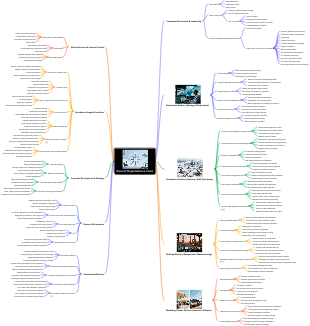
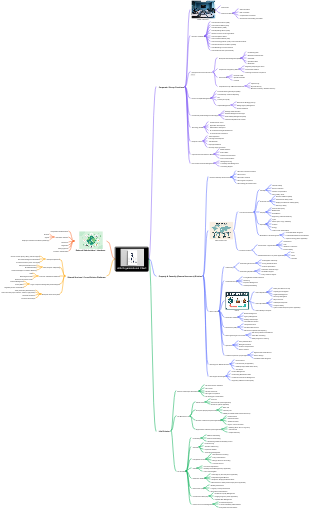
Discover the intricate structure of Petrobras, Brazil's oil giant, through its comprehensive organizational chart. This overview delves into the company's corporate governance and leadership, highlighting the role of shareholders, governance bodies, and executive management. Explore key corporate functions such as finance, strategy, procurement, and human resources, all critical to the company's operations. The upstream segment focuses on exploration and production responsibilities, detailing core activities and support units. With insights into risk management, compliance, and sustainability initiatives, this summary provides a clear picture of Petrobras’ commitment to operational excellence and corporate responsibility. Join us in understanding how Petrobras navigates the energy landscape.
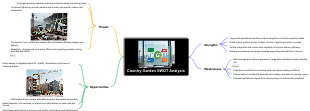
Edited at 2026-03-25 14:42:34This strategic SWOT analysis explores how Aeon can navigate the competitive online landscape, highlighting strengths, weaknesses, opportunities, and threats. Strengths include strong brand recognition (trusted Japanese heritage, quality), omnichannel capabilities (stores + online + mall integration), customer loyalty programs (Aeon Card, points, member pricing), and physical footprint (extensive store network for pickup/returns). Weaknesses encompass digital maturity gaps (e-commerce penetration, app functionality, personalization vs. Amazon, Alibaba), cost structure challenges (store-heavy, real estate, labor), and supply chain complexity (fresh food, frozen logistics for online). Opportunities include enhancing e-commerce competitiveness (faster delivery, wider assortment, lower minimum order), leveraging data-driven strategies (purchase history, personalized offers, inventory optimization), expanding omnichannel integration (buy online pick up in store, ship from store), and private label growth (Topvalu, localized brands). Threats involve online-first players (Amazon, Alibaba, Sea Limited) with lower costs, wider selection, faster delivery, market dynamics (changing consumer behavior post-COVID, discount competitors), and regulatory risks (data privacy, cross-border e-commerce rules). Aeon can strengthen market position by investing in digital capabilities, leveraging store assets for omnichannel, and using customer data for personalization, while addressing cost structure and online competition.
This analysis explores how Aeon effectively tailors offerings to meet the diverse needs of family-oriented consumers through a comprehensive Segmentation, Targeting, and Positioning (STP) framework. Demographic segmentation examines family life stages (young families with babies, school-aged children, teenagers, empty nesters), household sizes (small vs. large), income levels (mass, premium), and parent age bands (millennials, Gen X). This identifies distinct consumer groups with different spending patterns. Geographic segmentation highlights store catchment types (urban, suburban, rural), community characteristics (density, income, competition), and local preferences (fresh food, halal, Japanese products). Psychographic segmentation delves into family values (health, safety, education, convenience), lifestyle orientations (busy professionals, home-centered, eco-conscious). Behavioral segmentation focuses on shopping missions (daily grocery, weekly stock-up, seasonal shopping), price sensitivity (value seekers, premium), channel preferences (in-store, online, pickup). Needs-based segmentation reveals core family needs related to value (good-better-best pricing), budget considerations (affordability, promotions, member pricing), safety (food quality, product recall), convenience (one-stop shopping, parking, store hours). Targeting prioritizes young families with school-aged children, budget-conscious households, and convenience-seeking shoppers. Positioning emphasizes Aeon as a family-friendly, value-for-money, one-stop destination with Japanese quality and local relevance. These insights enhance family shopping experiences through tailored assortments (kids’ products, school supplies), promotions (family bundles, weekend events), and services (nursing rooms, kids’ play areas).
This Kream Sneaker Consumption Scene Analysis Template aims to visualize purchasing and consumption journeys of sneakers, identifying key demand drivers and obstacles. User behavior within Kream includes searching, bidding, buying, selling, authentication, and community engagement. External influences include brand drops (Nike, Adidas), social media (Instagram, TikTok), influencer hype, and cultural trends. Target categories: limited editions, collaborations, retro releases, performance sneakers, and general releases. Timeframes: launch day, first week, first month, long-term (seasonal, yearly). Regions: North America, Europe, Asia (Korea, China, Japan). User segments: Collectors: value rarity, condition, completeness (box, accessories). KPIs: collection size, spend, authentication rate. Resellers: value profit margin, volume, turnover. KPIs: sell-through rate, average profit, listing frequency. Sneakerheads: value hype, trends, community validation. KPIs: purchase frequency, social engagement, wishlist adds. Casual trend followers: value style, convenience, price. KPIs: conversion rate, average order value, repeat purchases. Gift purchasers: value ease, presentation, brand trust. KPIs: gift message usage, return rate. Consumption journey: Awareness: social media, email, push notifications. Search: browse, filter, search by brand, model, size. Purchase: bid, buy now, payment, shipping. Authentication: inspection, verification, certification. Resale: list, price, sell, transfer. Sharing: review, unboxing, social post, community discussion. Key performance indicators: conversion rate, sell-through rate, average order value, customer lifetime value, authentication pass rate, return rate, Net Promoter Score. This framework helps understand sneaker trading dynamics, user motivations, and touchpoints for engagement and satisfaction.
This strategic SWOT analysis explores how Aeon can navigate the competitive online landscape, highlighting strengths, weaknesses, opportunities, and threats. Strengths include strong brand recognition (trusted Japanese heritage, quality), omnichannel capabilities (stores + online + mall integration), customer loyalty programs (Aeon Card, points, member pricing), and physical footprint (extensive store network for pickup/returns). Weaknesses encompass digital maturity gaps (e-commerce penetration, app functionality, personalization vs. Amazon, Alibaba), cost structure challenges (store-heavy, real estate, labor), and supply chain complexity (fresh food, frozen logistics for online). Opportunities include enhancing e-commerce competitiveness (faster delivery, wider assortment, lower minimum order), leveraging data-driven strategies (purchase history, personalized offers, inventory optimization), expanding omnichannel integration (buy online pick up in store, ship from store), and private label growth (Topvalu, localized brands). Threats involve online-first players (Amazon, Alibaba, Sea Limited) with lower costs, wider selection, faster delivery, market dynamics (changing consumer behavior post-COVID, discount competitors), and regulatory risks (data privacy, cross-border e-commerce rules). Aeon can strengthen market position by investing in digital capabilities, leveraging store assets for omnichannel, and using customer data for personalization, while addressing cost structure and online competition.
This analysis explores how Aeon effectively tailors offerings to meet the diverse needs of family-oriented consumers through a comprehensive Segmentation, Targeting, and Positioning (STP) framework. Demographic segmentation examines family life stages (young families with babies, school-aged children, teenagers, empty nesters), household sizes (small vs. large), income levels (mass, premium), and parent age bands (millennials, Gen X). This identifies distinct consumer groups with different spending patterns. Geographic segmentation highlights store catchment types (urban, suburban, rural), community characteristics (density, income, competition), and local preferences (fresh food, halal, Japanese products). Psychographic segmentation delves into family values (health, safety, education, convenience), lifestyle orientations (busy professionals, home-centered, eco-conscious). Behavioral segmentation focuses on shopping missions (daily grocery, weekly stock-up, seasonal shopping), price sensitivity (value seekers, premium), channel preferences (in-store, online, pickup). Needs-based segmentation reveals core family needs related to value (good-better-best pricing), budget considerations (affordability, promotions, member pricing), safety (food quality, product recall), convenience (one-stop shopping, parking, store hours). Targeting prioritizes young families with school-aged children, budget-conscious households, and convenience-seeking shoppers. Positioning emphasizes Aeon as a family-friendly, value-for-money, one-stop destination with Japanese quality and local relevance. These insights enhance family shopping experiences through tailored assortments (kids’ products, school supplies), promotions (family bundles, weekend events), and services (nursing rooms, kids’ play areas).
This Kream Sneaker Consumption Scene Analysis Template aims to visualize purchasing and consumption journeys of sneakers, identifying key demand drivers and obstacles. User behavior within Kream includes searching, bidding, buying, selling, authentication, and community engagement. External influences include brand drops (Nike, Adidas), social media (Instagram, TikTok), influencer hype, and cultural trends. Target categories: limited editions, collaborations, retro releases, performance sneakers, and general releases. Timeframes: launch day, first week, first month, long-term (seasonal, yearly). Regions: North America, Europe, Asia (Korea, China, Japan). User segments: Collectors: value rarity, condition, completeness (box, accessories). KPIs: collection size, spend, authentication rate. Resellers: value profit margin, volume, turnover. KPIs: sell-through rate, average profit, listing frequency. Sneakerheads: value hype, trends, community validation. KPIs: purchase frequency, social engagement, wishlist adds. Casual trend followers: value style, convenience, price. KPIs: conversion rate, average order value, repeat purchases. Gift purchasers: value ease, presentation, brand trust. KPIs: gift message usage, return rate. Consumption journey: Awareness: social media, email, push notifications. Search: browse, filter, search by brand, model, size. Purchase: bid, buy now, payment, shipping. Authentication: inspection, verification, certification. Resale: list, price, sell, transfer. Sharing: review, unboxing, social post, community discussion. Key performance indicators: conversion rate, sell-through rate, average order value, customer lifetime value, authentication pass rate, return rate, Net Promoter Score. This framework helps understand sneaker trading dynamics, user motivations, and touchpoints for engagement and satisfaction.
Petrobras Organizational Chart
Corporate Governance & Leadership
Shareholders & Ownership Structure
Federal Government of Brazil (major shareholder)
Minority shareholders (institutional & retail)
ADR holders (international investors)
Governance Bodies
General Shareholders’ Meeting
Board of Directors
Strategy & capital allocation oversight
Risk management and compliance supervision
ESG and sustainability governance
Board Committees (typical)
Audit Committee
Finance & Investment Committee
People/Compensation Committee
Governance & Sustainability Committee
Executive Management (CEO & Executive Officers)
Corporate strategy execution
Operational performance management
Safety, integrity, and compliance accountability
Corporate Control & Assurance
Internal Audit
Compliance & Integrity (anti-corruption, investigations)
Enterprise Risk Management
Legal (litigation, contracts, regulatory)
Corporate Functions (Company-wide)
Finance (Treasury, FP&A, Accounting)
Capital structure and liquidity
Financial reporting and controls
Strategy & Portfolio Management
Portfolio optimization (E&P vs Refining vs Gas/Power)
M&A / divestments governance
Commercial & Trading (Enterprise-level)
Crude and products trading
Shipping coordination and scheduling interface
Market intelligence and pricing
Procurement & Supply Chain
Strategic sourcing and supplier management
Contracting and vendor compliance
Materials management and warehousing standards
Human Resources & People Management
Talent acquisition and development
Labor relations and workforce planning
Compensation, benefits, and performance management
HSE (Health, Safety & Environment)
Process safety and operational integrity
Environmental management and spill response readiness
Occupational health and industrial hygiene
Engineering, Technology & Innovation
R&D and technology partnerships
Digital transformation (data, AI, automation)
Standards for engineering and project design
Corporate Communications & Investor Relations
Media relations and public affairs
Investor communications and disclosures
Sustainability / ESG
Climate strategy and decarbonization roadmap
Social investment and community relations
ESG reporting and assurance coordination
Upstream (Exploration & Production)
Core Responsibilities
Exploration, appraisal, and reservoir management
Development planning and project delivery
Production operations (offshore/onshore)
Key Operating Segments
Pre-salt Offshore Assets
Deepwater/subsea production systems
FPSO operations and lifecycle management
Well construction and intervention
Post-salt / Mature Fields
Field revitalization and enhanced recovery
Brownfield optimization and integrity programs
Onshore Operations (Brazil)
Conventional production and facility operations
Water handling and emissions control
Upstream Support Units
Subsurface (Geoscience & Reservoir Engineering)
Seismic acquisition/interpretation
Reservoir simulation and reserves booking
Drilling & Wells
Rig contracting and operations planning
Well integrity and completion engineering
Production Operations
Asset operations centers and performance monitoring
Reliability/maintenance for offshore facilities
Projects & Engineering (E&P)
Concept select (FEL) to execution
Subsea, topsides, and pipeline projects
HSE & Operational Integrity (Upstream)
Major accident hazard management
Emergency response and offshore safety
International Upstream Operations
Exploration acreage and partnerships abroad
Joint ventures and operator/non-operator roles
Country risk and regulatory coordination
Downstream (Refining, Supply, Marketing & Transportation)
Refining (Manufacturing)
Refinery Operations (Brazil)
Crude intake, distillation, conversion units
Turnarounds and maintenance programs
Product quality and compliance (specifications)
Refining Optimization
Crude slate and yield optimization
Energy efficiency and emissions reduction
Refining Projects
Debottlenecking and capacity upgrades
Fuel quality upgrades (e.g., sulfur reduction)
Supply & Trading (Downstream Commercial)
Crude supply to refineries (domestic/import)
Product distribution planning and inventory management
International trading of refined products
Logistics & Transportation
Maritime Shipping
Tanker fleet management and chartering
Marine terminals coordination
Pipelines and Terminals
Product pipelines and pumping stations
Storage terminals and dispatch operations
Integrated Scheduling
Refinery-to-market scheduling and constraints management
Marketing & Sales
Domestic Fuels Marketing (Brazil)
Retail channel (service stations network)
B2B/wholesale sales (aviation, industrial, marine)
Lubricants and Specialty Products
Product development and brand management
Industrial lubricant sales and distribution
International Marketing
Export sales and customer management abroad
Regional trading hubs and partnerships
Gas & Energy / Midstream (Domestic & International)
Natural Gas Value Chain
Gas production interface with upstream
Gas processing plants (treatment and NGL recovery)
Gas transportation (pipelines, capacity contracting)
Gas marketing and sales contracts
LNG (where applicable)
LNG import/export operations
Regasification terminals and supply balancing
LNG procurement and trading
Power & Energy Solutions
Thermoelectric generation assets
Energy commercialization and hedging
Integration with gas supply and dispatch
International Gas/Energy Operations
Cross-border gas trading/partnerships
Participation in international infrastructure projects
Chemicals & Petrochemicals (Chemical Divisions)
Petrochemicals Portfolio (typical scope)
Feedstocks (naphtha, LPG, ethane/propane interfaces)
Basic chemicals (olefins/aromatics) participation or supply
Intermediates and derivatives (polymers, solvents) participation
Chemical Operations
Plant operations and reliability
Process safety management and compliance
Product quality and certification
Chemical Commercial
Domestic sales (industrial customers)
Export and international customer development
Pricing, contracts, and logistics coordination
Integration with Refining & Gas
Feedstock optimization (naphtha/LPG allocation)
Co-product management and value maximization
Domestic Operations (Brazil)
Major Domestic Footprint
Offshore basins and coastal operations (E&P)
Refineries and industrial hubs
Pipeline networks, terminals, and ports
Retail distribution and branded network
Regional Management (typical)
Operational clusters by basin/refinery region
Local stakeholder engagement (communities, regulators)
Emergency response coordination with authorities
Domestic Regulatory & Stakeholder Interfaces
National regulators and environmental agencies
Local content and supplier development
Community relations and social investment programs
International Operations (Global)
International Business Management
Country portfolio strategy and governance
International partnerships and joint ventures
Compliance with local laws and sanctions screening
International Trading & Shipping
Global crude and product trading desks
International logistics, chartering, and marine compliance
International Assets (typical categories)
Upstream blocks and producing assets abroad
Overseas commercial offices and representation
Participation in international refining/chemical ventures (as applicable)
Capital Projects & Project Delivery (Cross-division)
Project Governance
Stage-gate / FEL process
Cost and schedule controls (PMO)
Contracting strategy (EPC, EPCM, alliances)
Engineering & Construction
Offshore developments (FPSOs, subsea systems)
Refinery upgrades and new units
Gas processing, pipelines, and terminals
Quality, Assurance & Commissioning
Technical assurance and standards compliance
Pre-commissioning/commissioning and start-up support
Digital, Data & Cybersecurity (Cross-division)
Operational Digitalization
Asset performance management and predictive maintenance
Remote operations centers and automation
Data Platforms & Analytics
Enterprise data governance
Advanced analytics for exploration, refining optimization, trading
Cybersecurity
OT/ICS security for industrial sites
Incident response and resilience
Safety, Risk & Resilience (Enterprise-wide)
Process Safety & Major Hazard Management
Barrier management and critical controls
Integrity of facilities (corrosion, inspection, RBI)
Environmental Management
Emissions monitoring and reductions
Waste and water management
Biodiversity and sensitive area protections
Emergency Management
Spill response and contingency planning
Crisis management and business continuity
Reporting Lines (High-level View)
Board of Directors
CEO / Executive Management
Upstream (E&P)
Downstream (Refining, Supply, Marketing, Logistics)
Chemicals / Petrochemicals
Gas & Energy / Midstream
Domestic Operations Management
International Operations Management
Corporate Functions (Finance, HR, Legal, Compliance, HSE, Technology, Procurement, IR/Comms)
Capital Projects / PMO
Digital & Cybersecurity
Governance sets direction and oversight; the CEO executes through core value-chain divisions (Upstream, Downstream, Gas/Energy, Chemicals) supported by enterprise functions and cross-division enablers (Projects, Digital, Safety/Risk).