MindMap Gallery Phillips 66 PESTLE Analysis
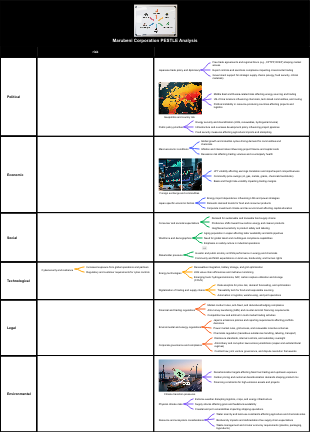
Explore the dynamic landscape influencing Phillips 66 through a comprehensive PESTLE analysis. This overview delves into the political factors shaping energy policy and community dynamics, highlighting the impact of global energy transitions, geopolitical trade challenges, and local community sentiments. Economically, we assess market cycles, feedstock pricing, and capital availability, alongside labor market conditions. Socially, we examine public attitudes towards fossil fuels, consumer mobility trends, and community health concerns. Finally, we address the evolving expectations of stakeholders, underscoring the importance of transparency and responsiveness in today's energy sector. Join us in understanding how these factors collectively shape Phillips 66's strategic decisions and future direction.
Edited at 2026-03-25 14:44:27This strategic SWOT analysis explores how Aeon can navigate the competitive online landscape, highlighting strengths, weaknesses, opportunities, and threats. Strengths include strong brand recognition (trusted Japanese heritage, quality), omnichannel capabilities (stores + online + mall integration), customer loyalty programs (Aeon Card, points, member pricing), and physical footprint (extensive store network for pickup/returns). Weaknesses encompass digital maturity gaps (e-commerce penetration, app functionality, personalization vs. Amazon, Alibaba), cost structure challenges (store-heavy, real estate, labor), and supply chain complexity (fresh food, frozen logistics for online). Opportunities include enhancing e-commerce competitiveness (faster delivery, wider assortment, lower minimum order), leveraging data-driven strategies (purchase history, personalized offers, inventory optimization), expanding omnichannel integration (buy online pick up in store, ship from store), and private label growth (Topvalu, localized brands). Threats involve online-first players (Amazon, Alibaba, Sea Limited) with lower costs, wider selection, faster delivery, market dynamics (changing consumer behavior post-COVID, discount competitors), and regulatory risks (data privacy, cross-border e-commerce rules). Aeon can strengthen market position by investing in digital capabilities, leveraging store assets for omnichannel, and using customer data for personalization, while addressing cost structure and online competition.

This analysis explores how Aeon effectively tailors offerings to meet the diverse needs of family-oriented consumers through a comprehensive Segmentation, Targeting, and Positioning (STP) framework. Demographic segmentation examines family life stages (young families with babies, school-aged children, teenagers, empty nesters), household sizes (small vs. large), income levels (mass, premium), and parent age bands (millennials, Gen X). This identifies distinct consumer groups with different spending patterns. Geographic segmentation highlights store catchment types (urban, suburban, rural), community characteristics (density, income, competition), and local preferences (fresh food, halal, Japanese products). Psychographic segmentation delves into family values (health, safety, education, convenience), lifestyle orientations (busy professionals, home-centered, eco-conscious). Behavioral segmentation focuses on shopping missions (daily grocery, weekly stock-up, seasonal shopping), price sensitivity (value seekers, premium), channel preferences (in-store, online, pickup). Needs-based segmentation reveals core family needs related to value (good-better-best pricing), budget considerations (affordability, promotions, member pricing), safety (food quality, product recall), convenience (one-stop shopping, parking, store hours). Targeting prioritizes young families with school-aged children, budget-conscious households, and convenience-seeking shoppers. Positioning emphasizes Aeon as a family-friendly, value-for-money, one-stop destination with Japanese quality and local relevance. These insights enhance family shopping experiences through tailored assortments (kids’ products, school supplies), promotions (family bundles, weekend events), and services (nursing rooms, kids’ play areas).
This Kream Sneaker Consumption Scene Analysis Template aims to visualize purchasing and consumption journeys of sneakers, identifying key demand drivers and obstacles. User behavior within Kream includes searching, bidding, buying, selling, authentication, and community engagement. External influences include brand drops (Nike, Adidas), social media (Instagram, TikTok), influencer hype, and cultural trends. Target categories: limited editions, collaborations, retro releases, performance sneakers, and general releases. Timeframes: launch day, first week, first month, long-term (seasonal, yearly). Regions: North America, Europe, Asia (Korea, China, Japan). User segments: Collectors: value rarity, condition, completeness (box, accessories). KPIs: collection size, spend, authentication rate. Resellers: value profit margin, volume, turnover. KPIs: sell-through rate, average profit, listing frequency. Sneakerheads: value hype, trends, community validation. KPIs: purchase frequency, social engagement, wishlist adds. Casual trend followers: value style, convenience, price. KPIs: conversion rate, average order value, repeat purchases. Gift purchasers: value ease, presentation, brand trust. KPIs: gift message usage, return rate. Consumption journey: Awareness: social media, email, push notifications. Search: browse, filter, search by brand, model, size. Purchase: bid, buy now, payment, shipping. Authentication: inspection, verification, certification. Resale: list, price, sell, transfer. Sharing: review, unboxing, social post, community discussion. Key performance indicators: conversion rate, sell-through rate, average order value, customer lifetime value, authentication pass rate, return rate, Net Promoter Score. This framework helps understand sneaker trading dynamics, user motivations, and touchpoints for engagement and satisfaction.
This strategic SWOT analysis explores how Aeon can navigate the competitive online landscape, highlighting strengths, weaknesses, opportunities, and threats. Strengths include strong brand recognition (trusted Japanese heritage, quality), omnichannel capabilities (stores + online + mall integration), customer loyalty programs (Aeon Card, points, member pricing), and physical footprint (extensive store network for pickup/returns). Weaknesses encompass digital maturity gaps (e-commerce penetration, app functionality, personalization vs. Amazon, Alibaba), cost structure challenges (store-heavy, real estate, labor), and supply chain complexity (fresh food, frozen logistics for online). Opportunities include enhancing e-commerce competitiveness (faster delivery, wider assortment, lower minimum order), leveraging data-driven strategies (purchase history, personalized offers, inventory optimization), expanding omnichannel integration (buy online pick up in store, ship from store), and private label growth (Topvalu, localized brands). Threats involve online-first players (Amazon, Alibaba, Sea Limited) with lower costs, wider selection, faster delivery, market dynamics (changing consumer behavior post-COVID, discount competitors), and regulatory risks (data privacy, cross-border e-commerce rules). Aeon can strengthen market position by investing in digital capabilities, leveraging store assets for omnichannel, and using customer data for personalization, while addressing cost structure and online competition.
This analysis explores how Aeon effectively tailors offerings to meet the diverse needs of family-oriented consumers through a comprehensive Segmentation, Targeting, and Positioning (STP) framework. Demographic segmentation examines family life stages (young families with babies, school-aged children, teenagers, empty nesters), household sizes (small vs. large), income levels (mass, premium), and parent age bands (millennials, Gen X). This identifies distinct consumer groups with different spending patterns. Geographic segmentation highlights store catchment types (urban, suburban, rural), community characteristics (density, income, competition), and local preferences (fresh food, halal, Japanese products). Psychographic segmentation delves into family values (health, safety, education, convenience), lifestyle orientations (busy professionals, home-centered, eco-conscious). Behavioral segmentation focuses on shopping missions (daily grocery, weekly stock-up, seasonal shopping), price sensitivity (value seekers, premium), channel preferences (in-store, online, pickup). Needs-based segmentation reveals core family needs related to value (good-better-best pricing), budget considerations (affordability, promotions, member pricing), safety (food quality, product recall), convenience (one-stop shopping, parking, store hours). Targeting prioritizes young families with school-aged children, budget-conscious households, and convenience-seeking shoppers. Positioning emphasizes Aeon as a family-friendly, value-for-money, one-stop destination with Japanese quality and local relevance. These insights enhance family shopping experiences through tailored assortments (kids’ products, school supplies), promotions (family bundles, weekend events), and services (nursing rooms, kids’ play areas).
This Kream Sneaker Consumption Scene Analysis Template aims to visualize purchasing and consumption journeys of sneakers, identifying key demand drivers and obstacles. User behavior within Kream includes searching, bidding, buying, selling, authentication, and community engagement. External influences include brand drops (Nike, Adidas), social media (Instagram, TikTok), influencer hype, and cultural trends. Target categories: limited editions, collaborations, retro releases, performance sneakers, and general releases. Timeframes: launch day, first week, first month, long-term (seasonal, yearly). Regions: North America, Europe, Asia (Korea, China, Japan). User segments: Collectors: value rarity, condition, completeness (box, accessories). KPIs: collection size, spend, authentication rate. Resellers: value profit margin, volume, turnover. KPIs: sell-through rate, average profit, listing frequency. Sneakerheads: value hype, trends, community validation. KPIs: purchase frequency, social engagement, wishlist adds. Casual trend followers: value style, convenience, price. KPIs: conversion rate, average order value, repeat purchases. Gift purchasers: value ease, presentation, brand trust. KPIs: gift message usage, return rate. Consumption journey: Awareness: social media, email, push notifications. Search: browse, filter, search by brand, model, size. Purchase: bid, buy now, payment, shipping. Authentication: inspection, verification, certification. Resale: list, price, sell, transfer. Sharing: review, unboxing, social post, community discussion. Key performance indicators: conversion rate, sell-through rate, average order value, customer lifetime value, authentication pass rate, return rate, Net Promoter Score. This framework helps understand sneaker trading dynamics, user motivations, and touchpoints for engagement and satisfaction.
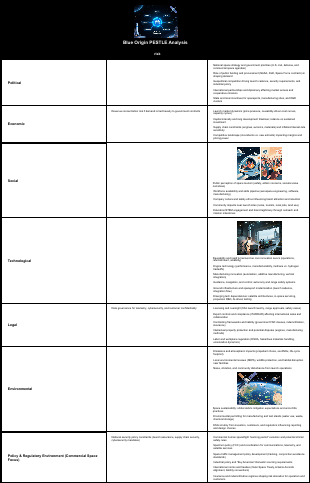
Phillips 66 PESTLE Analysis
Political
Global energy policy direction
Energy transition agendas (net-zero targets, climate pledges) shaping long-term demand for refined products
National energy security priorities influencing refinery utilization, inventories, and strategic stockpiles
Government support for domestic production and infrastructure (pipelines, LNG, ports) affecting feedstock and market access
Geopolitics and trade
Crude oil supply disruptions (sanctions, conflicts, OPEC+ policy) impacting input costs and volatility
Cross-border product flows affected by tariffs, export controls, and maritime security
Political stability in key supply regions influencing procurement and hedging strategies
U.S. federal and state policy dynamics
Differing state approaches (e.g., California policy frameworks) creating compliance complexity across asset footprint
Federal permitting reforms or delays influencing capital project timelines
Policy uncertainty around carbon pricing and clean fuel programs affecting investment decisions
Local and community politics
Community opposition/support affecting refinery expansions, renewables projects, and logistics siting
Environmental justice considerations influencing permitting conditions and operating constraints
Economic
Refining and fuels market cycles
Crack spreads and margin volatility driven by crude differentials, product demand, and inventory cycles
Recession risk reducing gasoline/jet demand; freight trends affecting diesel demand
Seasonal demand patterns and regional imbalances shaping utilization decisions
Feedstock and natural gas markets
Natural gas price levels influencing hydrogen production, refinery fuel costs, and power/steam economics
NGL and petrochemical feedstock linkages (propane/butane) affecting blending and byproduct economics
Basis differentials and pipeline constraints driving regional cost divergence
Inflation, interest rates, and capital availability
Higher rates increasing cost of capital for turnarounds, emissions controls, and low-carbon investments
Inflation in labor, catalysts, and maintenance parts affecting operating costs
Investor expectations for returns and capital discipline affecting portfolio choices
Currency and global demand
USD strength/weakness affecting export competitiveness of refined products
Emerging market demand growth vs. mature market stagnation influencing long-run utilization
Labor market conditions
Skilled trades shortages impacting turnaround schedules and safety performance
Wage pressures and union negotiations affecting cost structure
Social
Public attitudes toward fossil fuels and energy transition
Rising expectations for decarbonization, transparency, and ESG performance
Reputation sensitivity to incidents (spills, flaring, accidents) and responsiveness to community concerns
Consumer behavior and mobility trends
EV adoption reducing long-term gasoline demand; hybrid and efficiency improvements lowering per-mile fuel use
Air travel trends influencing jet fuel demand recovery and growth
Remote work and urbanization patterns affecting commuting fuel consumption
Community health and environmental justice
Focus on local air quality (NOx, SOx, PM) and cumulative impacts near refineries and terminals
Stronger demands for monitoring, disclosure, and community benefits agreements
Workforce demographics and culture
Aging technical workforce increasing need for training, succession planning, and knowledge transfer
Safety culture expectations and human performance programs to reduce incidents
Stakeholder expectations
Pressure from institutional investors, NGOs, and customers for low-carbon products and verified emissions reductions
Demand for responsible sourcing and supply-chain labor standards
Technological
Refining process and efficiency technologies
Advanced process controls, digital twins, and optimization improving yields and energy intensity
Catalyst innovations and improved hydrotreating enabling compliance with tighter fuel specs
Reliability-centered maintenance and predictive analytics reducing downtime and turnaround risk
Emissions monitoring and control
Continuous emissions monitoring systems (CEMS) and LDAR technologies for methane/VOC detection
Flare gas recovery and sulfur recovery upgrades to meet air permit limits
Carbon capture utilization and storage (CCUS) feasibility dependent on CO₂ transport/storage access
Low-carbon fuels and renewable pathways
Renewable diesel and SAF technologies (hydroprocessing, co-processing constraints) and feedstock pretreatment
Feedstock supply chain tech for traceability (used cooking oil, tallow, crop-based oils) to meet program rules
Hydrogen (blue/green) integration for refining and low-carbon fuels, dependent on cost and infrastructure
Infrastructure and logistics technology
Pipeline integrity tools, smart pigging, and leak detection improving safety and compliance
Terminal automation and blending systems for multi-spec product management
Cybersecurity and OT resilience
Increasing cyber threats to industrial control systems requiring segmentation, monitoring, and incident response drills
Legal
Refining and fuels regulations
Clean Air Act compliance: NSR/PSD permitting, MACT standards, and criteria pollutant limits
Fuel specifications and quality rules (sulfur limits, RVP, aromatics) affecting blending and unit operations
Renewable fuel obligations and credit systems (e.g., RFS RINs) impacting compliance costs and strategy
Climate and carbon regulation
State low-carbon fuel standards and credit markets influencing product slate and investments
Potential carbon pricing or emissions caps creating long-term liability and reporting needs
Mandatory climate disclosures and assurance requirements increasing governance and data controls
Environmental permitting and liabilities
Water discharge permits, stormwater rules, and wastewater treatment standards
Soil/groundwater remediation obligations at legacy sites and terminals
Hazardous waste management and chemical handling compliance (RMP/PSM, TSCA)
Natural gas and midstream legal frameworks
Pipeline tariffs, capacity contracts, and FERC/state oversight affecting transport economics
LNG/export and cross-border considerations where applicable to market access and pricing
Litigation and enforcement risk
Fines, consent decrees, and operational constraints arising from incidents or non-compliance
Product liability and commercial disputes (supply contracts, force majeure interpretations)
Labor and contracting law
Safety obligations for contractors during turnarounds and major projects
Employment law compliance across jurisdictions and union relations
Environmental
Climate change impacts and decarbonization pressure
Scope 1–3 emissions scrutiny influencing strategy, product mix, and customer engagement
Physical climate risks (storms, flooding, heat) affecting Gulf Coast and coastal infrastructure resilience
Transition risks: demand erosion, stranded asset concerns, and policy tightening
Air emissions and local air quality
NOx, SOx, VOCs, PM, and toxics management through unit upgrades and operational controls
Methane management across natural gas supply and refinery fuel systems
Odor and flare event management affecting community relations and permit compliance
Water and wastewater management
Water scarcity in some regions increasing costs and operational constraints
Cooling water and effluent limits requiring treatment upgrades and monitoring
Spill prevention and response readiness for waterways and ports
Biodiversity and land use
Impacts of expansions and logistics corridors on habitats and sensitive areas
Remediation and redevelopment opportunities for brownfield sites
Waste and circularity
Catalyst and sludge disposal regulations; opportunities for recycling and beneficial reuse
Feedstock circularity (waste oils) supporting renewable fuels but constrained by availability and certification
Natural gas market environmental considerations
Methane intensity and certification (responsibly sourced gas) affecting procurement choices
Flaring restrictions and upstream emissions influencing overall value-chain footprint