MindMap Gallery Dow Mission and Vision Statement Analysis
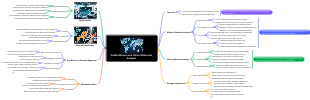
Explore Dow's Mission and Vision Statement Analysis, a comprehensive examination of how Dow articulates its core intent and future aspirations. This analysis aims to clarify Dow's strategic emphasis on material innovation and sustainability-driven growth, while identifying strengths, gaps, and opportunities for enhanced positioning and execution. The discussion covers the essential roles of mission and vision in guiding operations and inspiring stakeholders, with a focus on material innovation's strategic value and execution signals. Additionally, it highlights sustainability as a primary growth driver, addressing both strategic advantages and potential risks. Finally, we examine the interrelationship between mission and vision in Dow's narrative, emphasizing coherence in innovation and sustainability, value chain positioning, and stakeholder alignment. Join us in understanding how Dow navigates its future through these critical frameworks.
Edited at 2026-03-25 14:45:12This strategic SWOT analysis explores how Aeon can navigate the competitive online landscape, highlighting strengths, weaknesses, opportunities, and threats. Strengths include strong brand recognition (trusted Japanese heritage, quality), omnichannel capabilities (stores + online + mall integration), customer loyalty programs (Aeon Card, points, member pricing), and physical footprint (extensive store network for pickup/returns). Weaknesses encompass digital maturity gaps (e-commerce penetration, app functionality, personalization vs. Amazon, Alibaba), cost structure challenges (store-heavy, real estate, labor), and supply chain complexity (fresh food, frozen logistics for online). Opportunities include enhancing e-commerce competitiveness (faster delivery, wider assortment, lower minimum order), leveraging data-driven strategies (purchase history, personalized offers, inventory optimization), expanding omnichannel integration (buy online pick up in store, ship from store), and private label growth (Topvalu, localized brands). Threats involve online-first players (Amazon, Alibaba, Sea Limited) with lower costs, wider selection, faster delivery, market dynamics (changing consumer behavior post-COVID, discount competitors), and regulatory risks (data privacy, cross-border e-commerce rules). Aeon can strengthen market position by investing in digital capabilities, leveraging store assets for omnichannel, and using customer data for personalization, while addressing cost structure and online competition.

This analysis explores how Aeon effectively tailors offerings to meet the diverse needs of family-oriented consumers through a comprehensive Segmentation, Targeting, and Positioning (STP) framework. Demographic segmentation examines family life stages (young families with babies, school-aged children, teenagers, empty nesters), household sizes (small vs. large), income levels (mass, premium), and parent age bands (millennials, Gen X). This identifies distinct consumer groups with different spending patterns. Geographic segmentation highlights store catchment types (urban, suburban, rural), community characteristics (density, income, competition), and local preferences (fresh food, halal, Japanese products). Psychographic segmentation delves into family values (health, safety, education, convenience), lifestyle orientations (busy professionals, home-centered, eco-conscious). Behavioral segmentation focuses on shopping missions (daily grocery, weekly stock-up, seasonal shopping), price sensitivity (value seekers, premium), channel preferences (in-store, online, pickup). Needs-based segmentation reveals core family needs related to value (good-better-best pricing), budget considerations (affordability, promotions, member pricing), safety (food quality, product recall), convenience (one-stop shopping, parking, store hours). Targeting prioritizes young families with school-aged children, budget-conscious households, and convenience-seeking shoppers. Positioning emphasizes Aeon as a family-friendly, value-for-money, one-stop destination with Japanese quality and local relevance. These insights enhance family shopping experiences through tailored assortments (kids’ products, school supplies), promotions (family bundles, weekend events), and services (nursing rooms, kids’ play areas).
This Kream Sneaker Consumption Scene Analysis Template aims to visualize purchasing and consumption journeys of sneakers, identifying key demand drivers and obstacles. User behavior within Kream includes searching, bidding, buying, selling, authentication, and community engagement. External influences include brand drops (Nike, Adidas), social media (Instagram, TikTok), influencer hype, and cultural trends. Target categories: limited editions, collaborations, retro releases, performance sneakers, and general releases. Timeframes: launch day, first week, first month, long-term (seasonal, yearly). Regions: North America, Europe, Asia (Korea, China, Japan). User segments: Collectors: value rarity, condition, completeness (box, accessories). KPIs: collection size, spend, authentication rate. Resellers: value profit margin, volume, turnover. KPIs: sell-through rate, average profit, listing frequency. Sneakerheads: value hype, trends, community validation. KPIs: purchase frequency, social engagement, wishlist adds. Casual trend followers: value style, convenience, price. KPIs: conversion rate, average order value, repeat purchases. Gift purchasers: value ease, presentation, brand trust. KPIs: gift message usage, return rate. Consumption journey: Awareness: social media, email, push notifications. Search: browse, filter, search by brand, model, size. Purchase: bid, buy now, payment, shipping. Authentication: inspection, verification, certification. Resale: list, price, sell, transfer. Sharing: review, unboxing, social post, community discussion. Key performance indicators: conversion rate, sell-through rate, average order value, customer lifetime value, authentication pass rate, return rate, Net Promoter Score. This framework helps understand sneaker trading dynamics, user motivations, and touchpoints for engagement and satisfaction.
This strategic SWOT analysis explores how Aeon can navigate the competitive online landscape, highlighting strengths, weaknesses, opportunities, and threats. Strengths include strong brand recognition (trusted Japanese heritage, quality), omnichannel capabilities (stores + online + mall integration), customer loyalty programs (Aeon Card, points, member pricing), and physical footprint (extensive store network for pickup/returns). Weaknesses encompass digital maturity gaps (e-commerce penetration, app functionality, personalization vs. Amazon, Alibaba), cost structure challenges (store-heavy, real estate, labor), and supply chain complexity (fresh food, frozen logistics for online). Opportunities include enhancing e-commerce competitiveness (faster delivery, wider assortment, lower minimum order), leveraging data-driven strategies (purchase history, personalized offers, inventory optimization), expanding omnichannel integration (buy online pick up in store, ship from store), and private label growth (Topvalu, localized brands). Threats involve online-first players (Amazon, Alibaba, Sea Limited) with lower costs, wider selection, faster delivery, market dynamics (changing consumer behavior post-COVID, discount competitors), and regulatory risks (data privacy, cross-border e-commerce rules). Aeon can strengthen market position by investing in digital capabilities, leveraging store assets for omnichannel, and using customer data for personalization, while addressing cost structure and online competition.
This analysis explores how Aeon effectively tailors offerings to meet the diverse needs of family-oriented consumers through a comprehensive Segmentation, Targeting, and Positioning (STP) framework. Demographic segmentation examines family life stages (young families with babies, school-aged children, teenagers, empty nesters), household sizes (small vs. large), income levels (mass, premium), and parent age bands (millennials, Gen X). This identifies distinct consumer groups with different spending patterns. Geographic segmentation highlights store catchment types (urban, suburban, rural), community characteristics (density, income, competition), and local preferences (fresh food, halal, Japanese products). Psychographic segmentation delves into family values (health, safety, education, convenience), lifestyle orientations (busy professionals, home-centered, eco-conscious). Behavioral segmentation focuses on shopping missions (daily grocery, weekly stock-up, seasonal shopping), price sensitivity (value seekers, premium), channel preferences (in-store, online, pickup). Needs-based segmentation reveals core family needs related to value (good-better-best pricing), budget considerations (affordability, promotions, member pricing), safety (food quality, product recall), convenience (one-stop shopping, parking, store hours). Targeting prioritizes young families with school-aged children, budget-conscious households, and convenience-seeking shoppers. Positioning emphasizes Aeon as a family-friendly, value-for-money, one-stop destination with Japanese quality and local relevance. These insights enhance family shopping experiences through tailored assortments (kids’ products, school supplies), promotions (family bundles, weekend events), and services (nursing rooms, kids’ play areas).
This Kream Sneaker Consumption Scene Analysis Template aims to visualize purchasing and consumption journeys of sneakers, identifying key demand drivers and obstacles. User behavior within Kream includes searching, bidding, buying, selling, authentication, and community engagement. External influences include brand drops (Nike, Adidas), social media (Instagram, TikTok), influencer hype, and cultural trends. Target categories: limited editions, collaborations, retro releases, performance sneakers, and general releases. Timeframes: launch day, first week, first month, long-term (seasonal, yearly). Regions: North America, Europe, Asia (Korea, China, Japan). User segments: Collectors: value rarity, condition, completeness (box, accessories). KPIs: collection size, spend, authentication rate. Resellers: value profit margin, volume, turnover. KPIs: sell-through rate, average profit, listing frequency. Sneakerheads: value hype, trends, community validation. KPIs: purchase frequency, social engagement, wishlist adds. Casual trend followers: value style, convenience, price. KPIs: conversion rate, average order value, repeat purchases. Gift purchasers: value ease, presentation, brand trust. KPIs: gift message usage, return rate. Consumption journey: Awareness: social media, email, push notifications. Search: browse, filter, search by brand, model, size. Purchase: bid, buy now, payment, shipping. Authentication: inspection, verification, certification. Resale: list, price, sell, transfer. Sharing: review, unboxing, social post, community discussion. Key performance indicators: conversion rate, sell-through rate, average order value, customer lifetime value, authentication pass rate, return rate, Net Promoter Score. This framework helps understand sneaker trading dynamics, user motivations, and touchpoints for engagement and satisfaction.
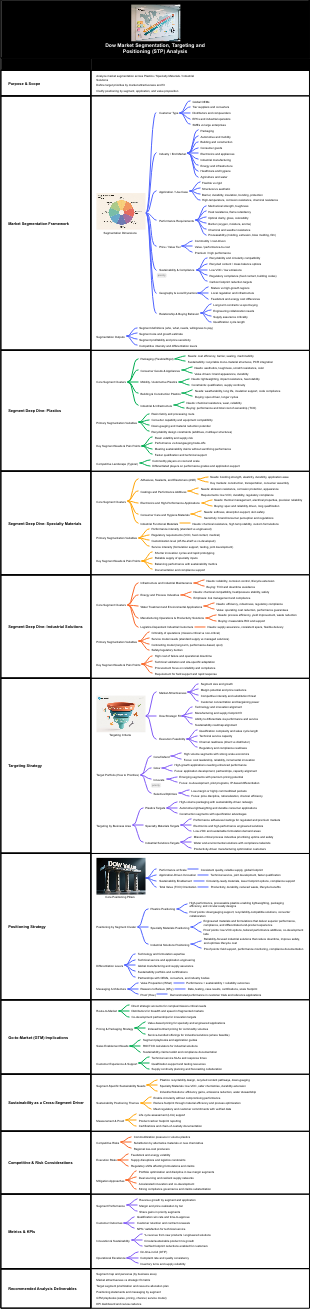
Dow Mission and Vision Statement Analysis
Purpose of the Analysis
Clarify how Dow articulates its core intent (mission) and future aspiration (vision)
Assess strategic emphasis on material innovation and sustainability-driven growth
Identify strengths, gaps, and opportunities to sharpen positioning and execution
Context: What “Mission” and “Vision” Should Do
Mission (present-focused)
Defines what the company does, for whom, and how it creates value today
Guides priorities, resource allocation, and culture
Vision (future-focused)
Describes the desired long-term impact and direction
Inspires stakeholders and frames transformation over time
Link to strategy
Mission anchors operating model and value proposition
Vision sets ambition and informs long-horizon innovation and sustainability goals
Core Theme Highlight: Material Innovation
What “material innovation” implies
Developing advanced materials, formulations, and performance solutions
Improving product performance, efficiency, and customer outcomes
Leveraging science, R&D, and application expertise to solve real-world needs
Strategic value
Differentiation in competitive markets through performance and reliability
Enabling customers’ innovation (lighter, stronger, safer, longer-lasting materials)
Supporting new markets (mobility, infrastructure, packaging, consumer care, electronics)
Execution signals to look for
Investment in R&D pipelines and technology platforms
Partnerships with customers, academia, and startups
Speed-to-market, scale-up capability, and application development
Protection and leverage of intellectual property
Risks and watchouts
Innovation without clear customer problem orientation can dilute impact
Scale-up and commercialization challenges for novel materials
Potential tension between performance features and sustainability criteria
Core Theme Highlight: Sustainability-Driven Growth
What “sustainability-driven growth” implies
Growth strategy where sustainability is a primary driver, not only compliance
Value creation through lower emissions, circularity, safer chemistry, and resource efficiency
Integrating sustainability into product design, operations, and customer solutions
Strategic value
Capturing demand for low-carbon and circular products
Reducing regulatory and reputational risk
Improving cost structure via energy efficiency and waste reduction
Strengthening customer retention through shared ESG goals
Execution signals to look for
Clear goals and KPIs (e.g., GHG reductions, circular feedstocks, waste reduction)
Product portfolio shifts toward sustainable offerings
Investments in decarbonization (renewable power, process innovation)
Transparency (reporting, third-party verification, lifecycle assessment)
Risks and watchouts
Greenwashing risk if claims exceed measurable outcomes
Trade-offs among cost, performance, and sustainability
Dependence on infrastructure (recycling systems, low-carbon energy availability)
How Mission and Vision Interrelate in Dow’s Narrative
Coherence between “innovation” and “sustainability”
Sustainability provides direction and constraints for innovation choices
Innovation provides the toolset to achieve sustainability goals at scale
Value chain positioning
Dow’s role as an enabler: materials that help customers reduce footprint and improve performance
Focus on “solutions” language indicates application-centric approach, not commodity-only framing
Stakeholder alignment
Customers: performance + sustainability outcomes
Investors: growth, resilience, and risk management
Employees: purpose and scientific challenge
Communities/regulators: responsible operations and environmental stewardship
Stakeholder Value Proposition (Implied by the Statement Themes)
Customer value
Higher-performing materials enabling customer innovation and differentiation
Sustainability attributes that help customers meet regulations and consumer expectations
Shareholder value
Growth via higher-margin, differentiated, sustainability-aligned products
Reduced long-term risk exposure (carbon, regulatory, supply chain)
Employee value
Purpose-driven science and engineering work
Clear innovation mandate tied to global challenges
Societal value
Lower environmental footprint through circularity and decarbonization
Contributions to safer, more efficient, more durable products and infrastructure
Dow’s implied value proposition spans performance-led customer outcomes, risk-adjusted shareholder returns, purpose-led talent attraction, and measurable environmental benefits.
Strategic Implications
Portfolio strategy
Prioritize business lines with strong innovation leverage and sustainability tailwinds
De-emphasize offerings with limited differentiation or high sustainability burden without pathways
Innovation strategy
Targeted platforms: circular polymers, low-carbon materials, recyclable designs, safer additives
Customer co-development to ensure market pull and adoption
Balanced portfolio: incremental improvements + breakthrough technologies
Operational strategy
Decarbonize manufacturing and logistics to reinforce sustainability credibility
Improve resource efficiency (energy, water, waste, yield)
Strengthen supply chain resilience and traceability for sustainable feedstocks
Strengths of the Mission/Vision Themes
Differentiation through science-led innovation
Positions Dow as a technology and solutions provider, not just a commodity producer
Market relevance
Aligns with major macro trends: climate action, circular economy, sustainable packaging, electrification
Strategic flexibility
“Material innovation” is broad enough to adapt to changing markets while preserving a clear capability identity
Growth framing
Sustainability as a growth engine signals proactive strategy rather than defensive compliance
Potential Gaps / Areas to Clarify
Specificity
Which customer segments or societal problems are prioritized (e.g., packaging circularity, low-carbon building)
What “growth” means (revenue, margin, value-added share, geographic expansion)
Measurability
How success is defined and tracked (quantitative targets, timelines, accountability)
Differentiated sustainability proposition
Clear articulation of how Dow’s approach is distinct from peers (technology, scale, partnerships, data)
Trade-off management
How performance, cost, and sustainability are balanced in product decisions
Indicators of Authenticity and Strategic Fit
Evidence-based claims
Use of lifecycle assessment (LCA) and product carbon footprint metrics
Independent assurance and transparent methodology
Governance and accountability
Executive ownership of sustainability targets
Integration into capital allocation and R&D prioritization
Consistency across channels
Alignment between mission/vision language and investor communications, product claims, and reporting
Recommended Enhancements (If Refining the Statement)
Make the customer and impact explicit
Specify who benefits (industries, communities) and what outcomes are targeted
Add measurable ambition
Include directional commitments (e.g., decarbonization, circularity, innovation milestones)
Show the “how”
Briefly reference key levers: science, partnerships, scale, operational excellence
Strengthen distinctiveness
Highlight signature capabilities (material science depth, global manufacturing scale, application expertise)
Summary Interpretation
Central message
Dow frames its identity around advancing material innovation while using sustainability as the primary growth driver
Strategic meaning
Innovation is positioned as the engine; sustainability is positioned as the compass for where and how to grow
What to validate
The degree to which goals, investments, and performance data consistently reinforce the mission and vision narrative