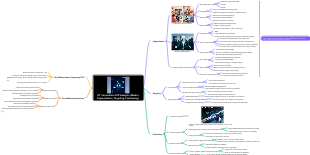
MindMap Gallery KT Corporation Market Segmentation, Targeting and Positioning Analysis
Discover KT Corporation's strategic approach to market segmentation, targeting, and positioning (STP) in the telecom and ICT sectors. Our analysis focuses on three key segments: households, enterprises, and the government/public sector. For households, we prioritize premium 5G users and bundle-oriented families, emphasizing fast connectivity and reliable service. In the enterprise sector, we target large businesses and SMEs seeking digital transformation, offering integrated solutions and managed services. For government, our focus is on smart city projects and public safety networks, ensuring compliance and resilience. KT Corporation positions itself as Korea's leading integrated telecom partner, leveraging its strengths in 5G, fiber broadband, and AI-driven solutions to deliver exceptional value to each segment. Join us in exploring how we empower connectivity and innovation across communities!
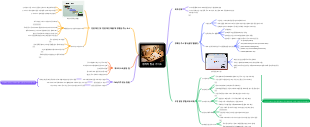
Edited at 2026-03-25 14:48:51이 마인드맵은 ENHYPEN의 그룹 정체성, HYBE·CJ ENM과의 협력 구조, 글로벌 운영 전략을 다각적으로 분석한 종합 리서치 자료입니다. 중앙에 핵심 주제인 「ENHYPEN 혈통과 글로벌 운영」을 배치하고, 그룹의 배경, 사업 구조, 글로벌 성장 전략 등을 체계적으로 구조화했습니다. 1. 그룹의 핵심 배경과 정체성 마인드맵 좌측 상단 영역은 ENHYPEN의 탄생과 정체성을 정의합니다. 오디션 프로그램 《I-LAND》를 통해 탄생한 7인조 보이그룹으로, HYBE의 프로듀싱 역량과 CJ ENM의 방송·마케팅 인프라가 결합된 하이브리드 프로젝트로, 데뷔 초부터 글로벌 팬덤을 기반으로 빠르게 성장한 K팝 차세대 대표 그룹임을 강조합니다. 또한 멤버들의 다국적 구성(한국·미국·일본 등)을 통해 글로벌 시장 공략의 유리한 조건을 갖춘 점을 분석했습니다. 2. HYBE와 CJ ENM의 협력 구조 좌측 하단 영역은 그룹의 사업적 뿌리인 HYBE×CJ ENM의 공동 투자·운영 구조를 분석합니다. HYBE가 음악 프로듀싱·아티스트 관리·글로벌 마케팅을 총괄하고, CJ ENM이 방송 콘텐츠·국내 마케팅·플랫폼 연계를 담당하는 분업 구조를 중심으로, 두 기업의 시너지를 통해 ENHYPEN의 빠른 성장을 이끈 전략을 설명했습니다. 또한 BELIFT Lab을 중심으로 한 전담 운영 체계가 그룹의 안정적인 활동을 뒷받침하는 핵심 요건임을 정리했습니다. 3. 글로벌 운영과 성장 전략 우측 하단 영역은 ENHYPEN의 글로벌 확장 전략을 정의합니다. 월드 투어·해외 차트 진입·글로벌 SNS 마케팅을 중심으로, 미국·유럽·일본 등 주요 시장에서의 입지를 강화하는 전략을 강조합니다. 또한 HYBE의 글로벌 네트워크를 활용한 현지화 전략과, 다국적 멤버들의 언어·문화 역량을 활용한 팬 소통 전략을 통해 글로벌 팬덤을 확장하는 방안을 분석했습니다. 4. 무대·콘텐츠와 브랜딩 전략 우측 상단 영역은 그룹의 핵심 경쟁력인 무대 퍼포먼스와 콘텐츠 브랜딩을 분석합니다. 강렬한 퍼포먼스·독창적인 콘셉트·고품질 뮤직비디오를 중심으로, 그룹의 시각적 아이덴티티를 구축하고 팬의 시각적 만족도를 높이는 전략을 강조합니다. 또한 다양한 예능·리얼리티 콘텐츠를 통해 멤버들의 개성을 부각하고, 장기적인 팬덤 충성도를 높이는 브랜딩 전략을 정리했습니다. 이 마인드맵은 ENHYPEN의 성장 배경과 글로벌 운영 전략을 명확히 보여줍니다. 이를 통해 K팝 보이그룹의 성공 모델을 이해하고, HYBE·CJ ENM의 협력 구조가 아티스트 성장에 미치는 영향을 분석하는 데 활용할 수 있습니다.

이 마인드맵은 K팝 걸그룹 (여자)아이들의 핵심 경쟁력인 전소연 중심의 자체 프로듀싱 시스템의 전체 구조·운영 방식·성공 전략·업계 영향을 종합 분석한 실용 가이드로, 아이돌 그룹의 인하우스 프로듀싱 모델·자급자족 성공 전략 연구에 활용할 수 있는 핵심 프레임워크입니다. 1. 시스템 개요: 전소연 중심의 자체 프로듀싱 1) 핵심 개념 (여자)아이들 시스템의 핵심은 리더 전소연을 중심으로 한 100% 자체 프로듀싱입니다. 그룹의 모든 타이틀곡·수록곡·앨범 기획을 전소연이 직접 작곡·작사·프로듀싱하며, 멤버들의 아이디어를 통합해 완성도 높은 결과물을 만드는 구조로, 외부 프로듀서에 의존하지 않고 그룹만의 독보적인 색깔을 구축하는 것이 특징입니다. 2) 그룹 배경 (여자)아이들은 2018년 큐브엔터테인먼트에서 데뷔한 5인조 걸그룹으로, 데뷔곡 「LATATA」부터 전소연의 자작곡으로 연속 히트를 기록하며 '자체 제작 걸그룹'의 대표로 성장했습니다. 2. 시스템 핵심 구성 요소 1) 제작 프로세스(흐름) 아이디어 발굴: 전소연의 중심 아이디어를 바탕으로 멤버들의 의견을 수렴·통합 곡 작업·프로듀싱: 전소연이 직접 작곡·작사·편곡을 진행하고, 멤버별 보컬 특성에 맞춘 파트 배분 녹음·최종 검수: 보컬 녹음 후 전소연과 멤버 전체가 최종 검수·수정·보완 공개·피드백 반영: 앨범 공개 후 팬 피드백을 반영해 다음 작업에 반영 2) 팀 내 분업과 협업 전소연의 총괄 프로듀싱: 앨범 전체 기획·곡 작업·무대 연출까지 총괄 멤버의 역량 극대화: 각 멤버의 강점을 살린 파트 배분·콘텐츠 기획 참여 민주적 의사결정: 멤버 모두가 의견을 내고 토론하는 방식으로 그룹 결정에 참여 3. 장점과 리스크 관리 1) 시스템의 핵심 장점 그룹만의 독보적인 색깔: 외부 의존도를 낮추고 그룹의 정체성을 일관되게 유지 지속 가능한 성장 선순환: 전소연의 프로듀싱 역량 성장에 따라 콘텐츠 완성도도 높아지는 구조 글로벌 경쟁력 강화: 독특한 음악 스타일로 빌보드 차트 진입·월드투어 성공 등 글로벌 인기 확보 2) 리스크와 관리 전략 전소연 의존도 리스크: 멤버들의 자작곡 참여·프로듀싱 역량 강화로 의존도 분산 창작 슬럼프 리스크: 전소연의 창작 활동 지원·멤버들의 아이디어 발굴로 지속적인 창작 동력 확보 일정 관리 리스크: 체계적인 제작 스케줄 관리로 안정적인 앨범 발매 4. 창작·멤버 역량 관리 1) 창작 활동 지원 자유로운 창작 환경 보장: 소속사가 전소연의 창작에 최대한 자율성을 부여 외부 전문가 협업: 필요시 외부 편곡가·엔지니어와 협업해 완성도 높임 2) 멤버 역량 강화 멤버별 프로듀싱 역량 육성: 전소연의 지도 아래 멤버들의 작곡·작사 역량 강화 다방면 역량 개발: 보컬·안무·예능 등 다방면 역량 강화로 그룹 시너지 극대화 5. 시장과 업계 영향 1) K팝 걸그룹의 새로운 성공 공식 (여자)아이들의 전소연 중심 자체 프로듀싱 시스템은 '자체 제작 걸그룹'의 성공 공식을 새로 정립한 대표 사례로, 이후 많은 걸그룹이 인하우스 프로듀싱을 추구하게 만들었습니다. 2) 업계에 미친 영향 여성 프로듀서의 위상 강화: 전소연의 성공으로 K팝 내 여성 프로듀서의 입지를 높이고, 여성 아이돌의 창작 역량을 재조명 자급자족 모델의 확산: 아이돌 그룹의 자체 제작 모델을 업계 표준으로 자리 잡게 함 6. 결론 이 마인드맵은 (여자)아이들의 전소연 중심 자체 프로듀싱 시스템을 종합 분석한 종합 가이드로, K팝 아이돌 그룹의 자체 제작 모델·성공 전략을 이해하는 데 필수적인 자료입니다. (여자)아이들의 혁신적인 시스템은 K팝 산업의 지속 가능한 성장을 위한 중요한 참고 사례로, 향후 아이돌 그룹의 운영 전략 수립에 활용할 수 있는 구체적인 인사이트를 제공합니다.
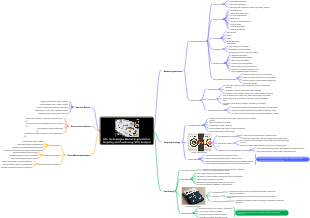
이 마인드맵은 아이돌 팬덤의 팬그룹 소통 운영을 체계적으로 정리한 종합 가이드로, 소통의 목표·전략·관리·수익화 등을 다각적으로 분석했습니다. 팬덤 운영자·기획사·아이돌 모두가 활용할 수 있는 실용 프레임워크로, 건강한 팬문화 구축과 효율적인 소통 관리에 필수적인 자료입니다. 1. 개요: 팬그룹 소통의 핵심 정의 마인드맵 중앙의 팬그룹 소통 입문은, 아이돌 팬덤 내에서 팬과 아이돌·기획사 간의 원활한 소통을 이끌고, 건강한 팬문화를 조성하며 팬덤의 결속력과 충성도를 극대화하는 것을 목표로 한 종합 가이드입니다. 주요 분석 범위로는 소통 목표·채널·전략·관리·수익화·리스크 관리 등을 포함하며, 팬덤 운영의 전 과정을 표준화하는 것을 목표로 설정합니다. 2. 핵심 분석 프레임워크 2.1 소통 목표와 원칙 핵심 목표: 팬과 아이돌 간의 신뢰 구축, 팬덤 결속력 강화, 건강한 팬문화 조성, 아이돌 활동 지원 운영 원칙: 공정성·투명성·존중을 기반으로, 차별 없는 소통, 팬의 의견 존중, 분쟁 예방과 중재 2.2 소통 채널과 운영 전략 주요 채널: 카카오톡 오픈채팅·디스코드·SNS·팬카페 등, 목적에 맞는 채널 분류와 운영 방안 소통 전략: 정기적인 공지·이벤트·투표·Q&A를 통한 팬 참여 유도, 아이돌 소식 공유, 팬 간 교류 활성화 콘텐츠 전략: 아이돌 비하인드·팬아트·이벤트 후기 등 팬 흥미 유발 콘텐츠 기획 2.3 운영 관리와 역할 분담 운영 팀 구조: 그룹장·부운영자·분야별 담당자의 역할 분담, 의사결정 프로세스 표준화 규칙 관리: 그룹 규칙 제정·공지·준수 관리, 위반 시 제재 절차 마련 분쟁 관리: 팬 간 갈등·의견 충돌 시 중재·해결 프로세스, 공정한 판단 기준 2.4 수익화와 사업화 전략 수익 모델: 굿즈 공동 구매·이벤트 대행·광고 협찬 등, 팬덤 기반 수익 창출 방안 사업화 전략: 팬덤 규모 확대·협찬 유치·브랜딩을 통한 지속 가능한 수익 구조 구축 투명 경영: 수익·지출 내역 공개, 팬 신뢰 유지 2.5 리스크 관리와 안정화 주요 리스크: 팬 간 갈등·정보 유출·규칙 위반·외부 악성 댓글 등 관리 전략: 모니터링 체계 구축·신속한 대응·예방 교육·안전한 소통 환경 조성 위기 대응: 이슈 발생 시 대응 매뉴얼, 팬과의 소통을 통한 신뢰 회복 3. 실무 적용과 전략적 인사이트 3.1 팬덤 운영자 활용 방안 초기 운영 가이드: 그룹 개설·규칙 제정·운영 팀 구성 등 입문 단계 실무 가이드 운영 효율화: 자동화 툴·템플릿 활용, 업무 분담을 통한 운영 부담 감소 팬 경험 향상: 맞춤형 소통·이벤트 기획을 통한 팬 만족도 극대화 3.2 기획사·아이돌 활용 방안 팬덤 관리: 팬 의견 수렴·소통 채널 확장을 통한 아이돌 활동 지원 브랜딩 강화: 팬덤을 통한 긍정적 이미지 구축, 아이돌 활동 홍보 리스크 관리: 팬덤 내 이슈 모니터링·사전 예방을 통한 아이돌 이미지 보호 4. 결론: 팬그룹 소통의 가치와 전망 이 마인드맵은 아이돌 팬덤의 팬그룹 소통 운영을 위한 표준화된 프레임워크로, 건강한 팬문화 조성과 효율적인 팬덤 관리에 필수적인 가이드입니다. 팬덤 운영의 전 과정을 체계적으로 정리해, 초보 운영자도 쉽게 따라할 수 있는 실용적인 내용을 담고 있으며, K팝 팬덤 문화의 건전한 발전에 기여하는 핵심 자료로 활용됩니다.1. 개요: 미국 시장 돌파의 핵심 정의 마인드맵 중앙의 미국 시장 돌파 이정표는, K팝 아이돌이 세계 최대 음악 시장인 미국에 성공적으로 진출하고 지속 가능한 성장을 이루기 위한 전 과정을 단계별로 관리하는 전략 문서입니다. 주요 분석 범위로는 진출 단계, 핵심 성과 지표, 성공 요인, 리스크 관리 등을 포함하며, 미국 시장에서의 브랜드 가치 극대화와 장기 성장을 목표로 설정합니다. 2. 진출 단계별 전략 2.1 초기 진출 단계 (BoA 마켓 진출) 시장 진입 목표: 미국 음악 시장에 첫 발을 내딛고, 기본적인 인지도를 구축하는 단계 핵심 전략: 영어 싱글 발매, 빌보드 차트 진입 목표, 미국 주요 음악 플랫폼(Spotify, Apple Music) 진출 주요 활동: 영어 앨범 발매, 미국 라디오
이 마인드맵은 ENHYPEN의 그룹 정체성, HYBE·CJ ENM과의 협력 구조, 글로벌 운영 전략을 다각적으로 분석한 종합 리서치 자료입니다. 중앙에 핵심 주제인 「ENHYPEN 혈통과 글로벌 운영」을 배치하고, 그룹의 배경, 사업 구조, 글로벌 성장 전략 등을 체계적으로 구조화했습니다. 1. 그룹의 핵심 배경과 정체성 마인드맵 좌측 상단 영역은 ENHYPEN의 탄생과 정체성을 정의합니다. 오디션 프로그램 《I-LAND》를 통해 탄생한 7인조 보이그룹으로, HYBE의 프로듀싱 역량과 CJ ENM의 방송·마케팅 인프라가 결합된 하이브리드 프로젝트로, 데뷔 초부터 글로벌 팬덤을 기반으로 빠르게 성장한 K팝 차세대 대표 그룹임을 강조합니다. 또한 멤버들의 다국적 구성(한국·미국·일본 등)을 통해 글로벌 시장 공략의 유리한 조건을 갖춘 점을 분석했습니다. 2. HYBE와 CJ ENM의 협력 구조 좌측 하단 영역은 그룹의 사업적 뿌리인 HYBE×CJ ENM의 공동 투자·운영 구조를 분석합니다. HYBE가 음악 프로듀싱·아티스트 관리·글로벌 마케팅을 총괄하고, CJ ENM이 방송 콘텐츠·국내 마케팅·플랫폼 연계를 담당하는 분업 구조를 중심으로, 두 기업의 시너지를 통해 ENHYPEN의 빠른 성장을 이끈 전략을 설명했습니다. 또한 BELIFT Lab을 중심으로 한 전담 운영 체계가 그룹의 안정적인 활동을 뒷받침하는 핵심 요건임을 정리했습니다. 3. 글로벌 운영과 성장 전략 우측 하단 영역은 ENHYPEN의 글로벌 확장 전략을 정의합니다. 월드 투어·해외 차트 진입·글로벌 SNS 마케팅을 중심으로, 미국·유럽·일본 등 주요 시장에서의 입지를 강화하는 전략을 강조합니다. 또한 HYBE의 글로벌 네트워크를 활용한 현지화 전략과, 다국적 멤버들의 언어·문화 역량을 활용한 팬 소통 전략을 통해 글로벌 팬덤을 확장하는 방안을 분석했습니다. 4. 무대·콘텐츠와 브랜딩 전략 우측 상단 영역은 그룹의 핵심 경쟁력인 무대 퍼포먼스와 콘텐츠 브랜딩을 분석합니다. 강렬한 퍼포먼스·독창적인 콘셉트·고품질 뮤직비디오를 중심으로, 그룹의 시각적 아이덴티티를 구축하고 팬의 시각적 만족도를 높이는 전략을 강조합니다. 또한 다양한 예능·리얼리티 콘텐츠를 통해 멤버들의 개성을 부각하고, 장기적인 팬덤 충성도를 높이는 브랜딩 전략을 정리했습니다. 이 마인드맵은 ENHYPEN의 성장 배경과 글로벌 운영 전략을 명확히 보여줍니다. 이를 통해 K팝 보이그룹의 성공 모델을 이해하고, HYBE·CJ ENM의 협력 구조가 아티스트 성장에 미치는 영향을 분석하는 데 활용할 수 있습니다.
이 마인드맵은 K팝 걸그룹 (여자)아이들의 핵심 경쟁력인 전소연 중심의 자체 프로듀싱 시스템의 전체 구조·운영 방식·성공 전략·업계 영향을 종합 분석한 실용 가이드로, 아이돌 그룹의 인하우스 프로듀싱 모델·자급자족 성공 전략 연구에 활용할 수 있는 핵심 프레임워크입니다. 1. 시스템 개요: 전소연 중심의 자체 프로듀싱 1) 핵심 개념 (여자)아이들 시스템의 핵심은 리더 전소연을 중심으로 한 100% 자체 프로듀싱입니다. 그룹의 모든 타이틀곡·수록곡·앨범 기획을 전소연이 직접 작곡·작사·프로듀싱하며, 멤버들의 아이디어를 통합해 완성도 높은 결과물을 만드는 구조로, 외부 프로듀서에 의존하지 않고 그룹만의 독보적인 색깔을 구축하는 것이 특징입니다. 2) 그룹 배경 (여자)아이들은 2018년 큐브엔터테인먼트에서 데뷔한 5인조 걸그룹으로, 데뷔곡 「LATATA」부터 전소연의 자작곡으로 연속 히트를 기록하며 '자체 제작 걸그룹'의 대표로 성장했습니다. 2. 시스템 핵심 구성 요소 1) 제작 프로세스(흐름) 아이디어 발굴: 전소연의 중심 아이디어를 바탕으로 멤버들의 의견을 수렴·통합 곡 작업·프로듀싱: 전소연이 직접 작곡·작사·편곡을 진행하고, 멤버별 보컬 특성에 맞춘 파트 배분 녹음·최종 검수: 보컬 녹음 후 전소연과 멤버 전체가 최종 검수·수정·보완 공개·피드백 반영: 앨범 공개 후 팬 피드백을 반영해 다음 작업에 반영 2) 팀 내 분업과 협업 전소연의 총괄 프로듀싱: 앨범 전체 기획·곡 작업·무대 연출까지 총괄 멤버의 역량 극대화: 각 멤버의 강점을 살린 파트 배분·콘텐츠 기획 참여 민주적 의사결정: 멤버 모두가 의견을 내고 토론하는 방식으로 그룹 결정에 참여 3. 장점과 리스크 관리 1) 시스템의 핵심 장점 그룹만의 독보적인 색깔: 외부 의존도를 낮추고 그룹의 정체성을 일관되게 유지 지속 가능한 성장 선순환: 전소연의 프로듀싱 역량 성장에 따라 콘텐츠 완성도도 높아지는 구조 글로벌 경쟁력 강화: 독특한 음악 스타일로 빌보드 차트 진입·월드투어 성공 등 글로벌 인기 확보 2) 리스크와 관리 전략 전소연 의존도 리스크: 멤버들의 자작곡 참여·프로듀싱 역량 강화로 의존도 분산 창작 슬럼프 리스크: 전소연의 창작 활동 지원·멤버들의 아이디어 발굴로 지속적인 창작 동력 확보 일정 관리 리스크: 체계적인 제작 스케줄 관리로 안정적인 앨범 발매 4. 창작·멤버 역량 관리 1) 창작 활동 지원 자유로운 창작 환경 보장: 소속사가 전소연의 창작에 최대한 자율성을 부여 외부 전문가 협업: 필요시 외부 편곡가·엔지니어와 협업해 완성도 높임 2) 멤버 역량 강화 멤버별 프로듀싱 역량 육성: 전소연의 지도 아래 멤버들의 작곡·작사 역량 강화 다방면 역량 개발: 보컬·안무·예능 등 다방면 역량 강화로 그룹 시너지 극대화 5. 시장과 업계 영향 1) K팝 걸그룹의 새로운 성공 공식 (여자)아이들의 전소연 중심 자체 프로듀싱 시스템은 '자체 제작 걸그룹'의 성공 공식을 새로 정립한 대표 사례로, 이후 많은 걸그룹이 인하우스 프로듀싱을 추구하게 만들었습니다. 2) 업계에 미친 영향 여성 프로듀서의 위상 강화: 전소연의 성공으로 K팝 내 여성 프로듀서의 입지를 높이고, 여성 아이돌의 창작 역량을 재조명 자급자족 모델의 확산: 아이돌 그룹의 자체 제작 모델을 업계 표준으로 자리 잡게 함 6. 결론 이 마인드맵은 (여자)아이들의 전소연 중심 자체 프로듀싱 시스템을 종합 분석한 종합 가이드로, K팝 아이돌 그룹의 자체 제작 모델·성공 전략을 이해하는 데 필수적인 자료입니다. (여자)아이들의 혁신적인 시스템은 K팝 산업의 지속 가능한 성장을 위한 중요한 참고 사례로, 향후 아이돌 그룹의 운영 전략 수립에 활용할 수 있는 구체적인 인사이트를 제공합니다.
이 마인드맵은 아이돌 팬덤의 팬그룹 소통 운영을 체계적으로 정리한 종합 가이드로, 소통의 목표·전략·관리·수익화 등을 다각적으로 분석했습니다. 팬덤 운영자·기획사·아이돌 모두가 활용할 수 있는 실용 프레임워크로, 건강한 팬문화 구축과 효율적인 소통 관리에 필수적인 자료입니다. 1. 개요: 팬그룹 소통의 핵심 정의 마인드맵 중앙의 팬그룹 소통 입문은, 아이돌 팬덤 내에서 팬과 아이돌·기획사 간의 원활한 소통을 이끌고, 건강한 팬문화를 조성하며 팬덤의 결속력과 충성도를 극대화하는 것을 목표로 한 종합 가이드입니다. 주요 분석 범위로는 소통 목표·채널·전략·관리·수익화·리스크 관리 등을 포함하며, 팬덤 운영의 전 과정을 표준화하는 것을 목표로 설정합니다. 2. 핵심 분석 프레임워크 2.1 소통 목표와 원칙 핵심 목표: 팬과 아이돌 간의 신뢰 구축, 팬덤 결속력 강화, 건강한 팬문화 조성, 아이돌 활동 지원 운영 원칙: 공정성·투명성·존중을 기반으로, 차별 없는 소통, 팬의 의견 존중, 분쟁 예방과 중재 2.2 소통 채널과 운영 전략 주요 채널: 카카오톡 오픈채팅·디스코드·SNS·팬카페 등, 목적에 맞는 채널 분류와 운영 방안 소통 전략: 정기적인 공지·이벤트·투표·Q&A를 통한 팬 참여 유도, 아이돌 소식 공유, 팬 간 교류 활성화 콘텐츠 전략: 아이돌 비하인드·팬아트·이벤트 후기 등 팬 흥미 유발 콘텐츠 기획 2.3 운영 관리와 역할 분담 운영 팀 구조: 그룹장·부운영자·분야별 담당자의 역할 분담, 의사결정 프로세스 표준화 규칙 관리: 그룹 규칙 제정·공지·준수 관리, 위반 시 제재 절차 마련 분쟁 관리: 팬 간 갈등·의견 충돌 시 중재·해결 프로세스, 공정한 판단 기준 2.4 수익화와 사업화 전략 수익 모델: 굿즈 공동 구매·이벤트 대행·광고 협찬 등, 팬덤 기반 수익 창출 방안 사업화 전략: 팬덤 규모 확대·협찬 유치·브랜딩을 통한 지속 가능한 수익 구조 구축 투명 경영: 수익·지출 내역 공개, 팬 신뢰 유지 2.5 리스크 관리와 안정화 주요 리스크: 팬 간 갈등·정보 유출·규칙 위반·외부 악성 댓글 등 관리 전략: 모니터링 체계 구축·신속한 대응·예방 교육·안전한 소통 환경 조성 위기 대응: 이슈 발생 시 대응 매뉴얼, 팬과의 소통을 통한 신뢰 회복 3. 실무 적용과 전략적 인사이트 3.1 팬덤 운영자 활용 방안 초기 운영 가이드: 그룹 개설·규칙 제정·운영 팀 구성 등 입문 단계 실무 가이드 운영 효율화: 자동화 툴·템플릿 활용, 업무 분담을 통한 운영 부담 감소 팬 경험 향상: 맞춤형 소통·이벤트 기획을 통한 팬 만족도 극대화 3.2 기획사·아이돌 활용 방안 팬덤 관리: 팬 의견 수렴·소통 채널 확장을 통한 아이돌 활동 지원 브랜딩 강화: 팬덤을 통한 긍정적 이미지 구축, 아이돌 활동 홍보 리스크 관리: 팬덤 내 이슈 모니터링·사전 예방을 통한 아이돌 이미지 보호 4. 결론: 팬그룹 소통의 가치와 전망 이 마인드맵은 아이돌 팬덤의 팬그룹 소통 운영을 위한 표준화된 프레임워크로, 건강한 팬문화 조성과 효율적인 팬덤 관리에 필수적인 가이드입니다. 팬덤 운영의 전 과정을 체계적으로 정리해, 초보 운영자도 쉽게 따라할 수 있는 실용적인 내용을 담고 있으며, K팝 팬덤 문화의 건전한 발전에 기여하는 핵심 자료로 활용됩니다.1. 개요: 미국 시장 돌파의 핵심 정의 마인드맵 중앙의 미국 시장 돌파 이정표는, K팝 아이돌이 세계 최대 음악 시장인 미국에 성공적으로 진출하고 지속 가능한 성장을 이루기 위한 전 과정을 단계별로 관리하는 전략 문서입니다. 주요 분석 범위로는 진출 단계, 핵심 성과 지표, 성공 요인, 리스크 관리 등을 포함하며, 미국 시장에서의 브랜드 가치 극대화와 장기 성장을 목표로 설정합니다. 2. 진출 단계별 전략 2.1 초기 진출 단계 (BoA 마켓 진출) 시장 진입 목표: 미국 음악 시장에 첫 발을 내딛고, 기본적인 인지도를 구축하는 단계 핵심 전략: 영어 싱글 발매, 빌보드 차트 진입 목표, 미국 주요 음악 플랫폼(Spotify, Apple Music) 진출 주요 활동: 영어 앨범 발매, 미국 라디오
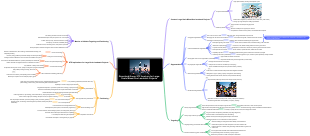
Zurich Insurance PESTLE Analysis
Political
European Union (EU) policy landscape
EU Insurance Recovery & Resolution framework (prevention, early intervention, resolution planning)
Cross-border supervisory coordination (EIOPA colleges, host/home supervision)
EU sanctions and foreign policy impacts (coverage restrictions, compliance screening)
Political stability in core European markets affecting claims patterns and investment confidence
Switzerland-specific political context
Swiss regulatory alignment vs. divergence from EU financial services rules
Bilateral agreements and market-access implications for distribution and servicing EU clients
Global geopolitical risk environment
War and conflict escalation (property, marine, aviation, political risk, business interruption)
Trade tensions and supply-chain disruptions (contingent BI, cargo, credit insurance)
Political violence and civil unrest risk (terrorism, sabotage, riots)
Government interventions after catastrophes (mandatory coverages, premium caps, claims handling directives)
Public policy priorities affecting insurance
Climate adaptation policies and infrastructure spending (risk mitigation and opportunities)
Social welfare reforms (pensions, health systems) influencing Life & health product demand
Public-private partnerships (cat pools, terrorism pools) affecting retention and pricing
Economic
Macroeconomic cycles in Europe and globally
GDP growth and recession risk influencing commercial lines premium volumes
Household income trends affecting retail demand (motor, home, life protection)
Unemployment and wage inflation impacts on lapse rates and claims frequency
Interest rate and inflation environment
Yield curve shifts affecting investment income and Life product guarantees
Inflation-driven claims severity (repair costs, medical costs, litigation)
Social inflation (jury awards, settlement sizes) increasing liability loss trends
Reserving adequacy pressure and re-pricing needs
Capital markets and asset-liability management (ALM)
Equity/credit volatility affecting solvency ratios and earnings
Credit spread widening and downgrade risk in corporate bond portfolios
Real estate market corrections impacting asset valuations
Liquidity management under stress scenarios
Currency and cross-border economics
CHF vs. EUR/USD volatility impacting reported results and capital
Hedging costs and basis risks across geographies
Reinsurance and insurance market economics
Hard/soft market cycles influencing pricing power and terms
Rising reinsurance costs and tighter capacity (cat, casualty) affecting net exposure
MGA/insurtech capacity competition and distribution economics
Cost structure and productivity
Wage inflation and talent scarcity in actuarial, cyber, and data roles
Outsourcing and vendor cost pressures
Efficiency programs and automation ROI requirements
Social
Demographic shifts
Aging populations in Europe increasing demand for retirement, annuities, health, and long-term care solutions
Lower birth rates affecting long-term Life growth and product mix
Urbanization increasing accumulation risk (flood, fire, infrastructure failures)
Consumer expectations and behavior
Demand for digital-first, seamless onboarding and claims experiences
Preference for transparent pricing, personalized products, and flexible coverage
Increased switching behavior and price sensitivity in retail segments
Trust, reputation, and corporate responsibility
Claims handling fairness and speed shaping brand perception
ESG credibility scrutiny (greenwashing risk)
Community resilience support after catastrophes
Workforce and culture
Hybrid work norms changing operational risk and productivity management
Inclusion, equity, and wellbeing expectations influencing talent retention
Skills transition toward analytics, AI, and cyber risk expertise
Societal risk awareness
Higher awareness of climate risks driving uptake of property and parametric covers
Cyber awareness among SMEs increasing demand but also raising expectations for incident support services
Mental health awareness influencing group benefits and health offerings
Litigation and claims social dynamics
Changing attitudes toward compensation and accountability increasing liability claims
Class actions and collective redress trends in parts of Europe
Technological
Digital transformation in underwriting and claims
Straight-through processing and automated decisioning
AI-assisted claims triage, fraud detection, and severity estimation
Digital FNOL (first notice of loss) and omnichannel servicing
Data, analytics, and risk modeling
Advanced catastrophe models (flood, wildfire, convective storms) and model risk governance
Scenario analysis and stress testing for climate and macro shocks
Telematics and usage-based insurance (motor) for pricing and loss control
IoT sensors (water leak, industrial monitoring) for prevention and rapid response
Cybersecurity and technology risk
Ransomware, supply-chain attacks, and systemic cyber events affecting both operations and insured losses
Operational resilience requirements (BCP/DR, incident response, testing)
Third-party/vendor risk management for cloud and SaaS providers
Cloud and infrastructure modernization
Migration to cloud platforms (security-by-design, cost optimization)
Legacy system constraints impacting agility and product launch speed
API ecosystems enabling partnerships with brokers, banks, and platforms
Insurtech ecosystem and innovation
Partnerships with startups for distribution, risk prevention, and parametric solutions
Embedded insurance opportunities in mobility, e-commerce, and SME platforms
Competitive pressure from digital-native carriers and MGAs
AI governance and compliance
Model transparency, bias mitigation, and auditability requirements
Human oversight for high-impact decisions (pricing, claims denials)
Data provenance and documentation for regulatory examinations
Legal
European insurance regulatory framework
Solvency II capital, governance, ORSA, and reporting obligations
EIOPA guidelines and supervisory convergence expectations
Fit and proper requirements for senior management and key function holders
Cross-border freedom of services and establishment rules (where applicable)
Consumer protection and conduct regulation
Insurance Distribution Directive (IDD): product governance, disclosures, inducements, suitability/appropriateness
National conduct rules (claims handling timelines, complaint processes, transparency)
Unfair contract terms and policy wording scrutiny
Data protection and privacy
GDPR compliance (lawful basis, data minimization, DSARs, breach notification)
Handling of sensitive health data and telematics data
Cross-border data transfer mechanisms and localization expectations
Anti-money laundering (AML) and sanctions
AML obligations in Life and investment-linked products
Sanctions screening for policyholders, beneficiaries, and claims payments
Know-your-customer (KYC) and beneficial ownership requirements
Competition and antitrust
Collaboration constraints in pricing, market information sharing, and co-insurance pools
Merger control considerations for acquisitions and portfolio transfers
Litigation and liability environment
Evolving duty of care standards and professional liability exposures
Mass tort and product liability developments impacting commercial casualty
Claims disputes related to BI triggers and policy exclusions
Contracting and reinsurance law
Reinsurance contract certainty, arbitration clauses, collateral requirements
Policy wordings for cyber, war, and systemic exclusions under scrutiny
Taxation and legal structuring
Insurance premium taxes (IPT) across European jurisdictions
Transfer pricing and permanent establishment risks
Withholding taxes and investment tax changes affecting net returns
Environmental
Climate change physical risks
Increased frequency/severity of floods, storms, hail, and wildfires affecting property portfolios
Secondary perils in Europe (convective storms, pluvial flooding) driving loss volatility
Heatwaves impacting health mortality/morbidity and worker safety claims
Sea-level rise affecting coastal exposures and long-term insurability
Transition risks and decarbonization
Policy-driven changes (carbon pricing, emissions regulations) impacting insured industries
Stranded asset risk in investment portfolios (fossil fuels, carbon-intensive sectors)
Shifts in energy systems (renewables, hydrogen) creating new underwriting risks and opportunities
Environmental regulation and disclosure
EU Sustainable Finance Disclosure Regulation (SFDR) and taxonomy-aligned reporting pressures
Climate-related financial disclosures (e.g., TCFD-aligned expectations in many markets)
Stress testing for climate scenarios demanded by supervisors
Natural catastrophe management
Exposure concentration controls, aggregation monitoring, and reinsurance optimization
Risk prevention services for customers (flood defenses, wildfire mitigation, building standards)
Parametric insurance solutions for rapid payout and resilience
Biodiversity and nature-related risks
Nature degradation affecting agriculture, supply chains, and property risk (landslides, flooding)
Emerging reporting and risk management expectations (nature-related frameworks)
Pollution and environmental liability
Environmental impairment liability (EIL) claims from industrial incidents
PFAS and other emerging contaminants creating long-tail liabilities
Remediation cost inflation and regulatory enforcement intensity
Operational environmental footprint
Net-zero targets for operations, travel reduction, and green buildings
Supplier sustainability requirements and procurement standards
Business continuity impacts from extreme weather events on offices and data centers
European Regulations Focus (Insurance-Specific Deep Dive)
Prudential supervision
Solvency capital adequacy under Solvency II and local equivalents
Internal model approvals/limitations and model change governance
ORSA expectations and linkage to strategic planning
Supervisory reporting (quantitative templates, narrative reports) and data quality controls
Conduct and distribution rules
Product oversight and governance (POG) requirements
Broker oversight, remuneration transparency, and conflicts management
Customer outcomes monitoring and vulnerable customer policies
Operational resilience and outsourcing
ICT risk management expectations (testing, incident reporting, resilience metrics)
Outsourcing controls for cloud and critical service providers
Concentration risk and exit planning for key vendors
Cross-border business and restructuring
Portfolio transfers, mergers, and branch/subsidiary governance
Recovery and resolution planning for systemically relevant entities
Ring-fencing risks and local capital constraints in stress events
Sustainability-related regulation
ESG integration expectations in underwriting and investments
Climate risk stress tests and supervisory reviews
Disclosure obligations and anti-greenwashing enforcement
Global Risk Environment (Implications for Zurich)
Systemic and correlated risks
Cyber catastrophe scenarios causing multi-line accumulation
Pandemic/biological events affecting Life, health, and business interruption
Global financial crisis scenarios impacting assets, lapses, and credit insurance
Supply-chain and trade risk
Contingent BI, marine cargo disruptions, and trade credit defaults
Geopolitical chokepoints (shipping lanes) increasing marine and political risk claims
Emerging risk domains
AI liability and algorithmic harms (professional liability, product liability, D&O)
Space economy risks (satellite insurance) and accumulation considerations
Critical infrastructure failures (energy grids, cloud outages) driving BI and liability
Risk governance and response
Enterprise risk management (ERM) for multi-entity, multi-line aggregation
Reinsurance strategy to manage peak risks and earnings volatility
Risk selection and exclusions balancing insurability, regulation, and reputation
Translate systemic shocks, emerging exposures, and cross-border disruptions into accumulation control, reinsurance, and underwriting governance actions.