MindMap Gallery Sinopec SWOT Analysis
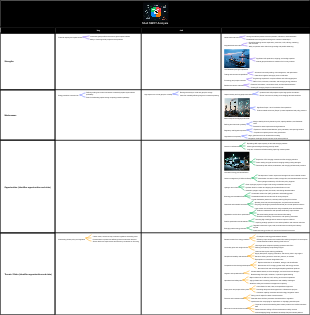
Discover the strengths and challenges of Sinopec, one of the world's largest integrated energy and chemical companies. This SWOT analysis highlights key strengths such as its extensive market presence, integrated value chain, and significant refining capabilities. However, it also addresses weaknesses like exposure to regulated pricing and high carbon intensity. The analysis explores opportunities in the energy transition and low-carbon businesses, while also considering threats from geopolitical risks and market cycles. By examining these factors, we gain insights into Sinopec's strategic positioning and future potential in the evolving energy landscape.
Edited at 2026-03-25 14:53:30Mappa mentale per il piano di inserimento dei nuovi dipendenti nella prima settimana. Strutturata per giorni: Giorno 1 – benvenuto, configurazione strumenti, presentazione team. Secondo giorno – formazione su policy aziendali e obiettivi del ruolo. Terzo giorno – affiancamento e primi task guidati. Il quarto giorno – riunioni con dipartimenti chiave e feedback intermedio. Il quinto giorno – revisione settimanale, definizione obiettivi a breve termine e integrazione culturale.

Mappa mentale per l’analisi della formazione francese ai Mondiali 2026. Punti chiave: attacco stellare guidato da Mbappé, con triplice minaccia (profondità, taglio, sponda). Criticità: centrocampo poco creativo – la costruzione offensiva dipende dagli attaccanti che arretrano. Difesa solida (Upamecano, Saliba, Koundé). Portiere Maignan. Variabili: gestione infortuni e condizione fisica dei big. Ideale per scout, giornalisti e tifosi.
Mappa mentale per il piano di inserimento dei nuovi dipendenti nella prima settimana. Strutturata per giorni: Giorno 1 – benvenuto, configurazione strumenti, presentazione team. Secondo giorno – formazione su policy aziendali e obiettivi del ruolo. Terzo giorno – affiancamento e primi task guidati. Il quarto giorno – riunioni con dipartimenti chiave e feedback intermedio. Il quinto giorno – revisione settimanale, definizione obiettivi a breve termine e integrazione culturale.
Mappa mentale per l’analisi della formazione francese ai Mondiali 2026. Punti chiave: attacco stellare guidato da Mbappé, con triplice minaccia (profondità, taglio, sponda). Criticità: centrocampo poco creativo – la costruzione offensiva dipende dagli attaccanti che arretrano. Difesa solida (Upamecano, Saliba, Koundé). Portiere Maignan. Variabili: gestione infortuni e condizione fisica dei big. Ideale per scout, giornalisti e tifosi.
Sinopec SWOT Analysis
Strengths
Scale and market position
One of the world’s largest integrated energy and chemical companies
Strong domestic market share and extensive national footprint
Ability to spread fixed costs across large production and distribution volumes
Integrated value chain
Coverage across upstream (E&P), midstream (pipeline/storage), downstream (refining/marketing), and petrochemicals
Refining–chemicals integration can improve margins via feedstock flexibility and product slate optimization
Internal supply security and logistics coordination reduce dependency on third parties
Refining and petrochemical capabilities
Large refining capacity with complex refining assets in key regions
Broad petrochemical product portfolio (olefins, aromatics, polymers, specialty chemicals)
Strong engineering and project execution experience for large-scale plants
Retail and distribution network
Extensive fuel station network and brand recognition in China
Strong last-mile access to consumers and commercial fleets
Non-fuel retail potential (convenience, services) to diversify earnings
Government support and strategic importance
Strategic role in China’s energy security can facilitate policy support, permits, and financing access
Preferential access in certain strategic projects and infrastructure development
Financial and procurement advantages
Strong bargaining power with suppliers due to purchasing scale
Potential access to lower-cost capital relative to smaller peers
Large customer base supports stable cash generation in core segments
Technology, R&D, and operational know-how
In-house research institutes and experience in refining and petrochemical process improvements
Process optimization and digitalization initiatives to improve yields and reliability
Safety and operational standards supported by established management systems
Weaknesses
Exposure to regulated and policy-influenced pricing
Fuel pricing mechanisms and policy interventions can compress margins
Mandated supply responsibilities may reduce profitability during market dislocations
High carbon intensity and transition burden
Refining and petrochemicals are emissions-intensive and harder to abate
Large asset base increases transition capex requirements (CCUS, efficiency, fuel switching)
Potential for higher compliance costs under tightening emissions regimes
Earnings sensitivity to commodity cycles
Profitability depends on crude prices, refining margins, and chemical spreads
Downcycles can rapidly reduce cash flow and impair investment capacity
Capital intensity and potential inefficiencies
Large, complex operations can have bureaucracy and slower decision-making
Risk of suboptimal capital allocation across many projects and subsidiaries
Maintenance and reliability demands elevate sustaining capex needs
Upstream resource constraints relative to pure E&P majors
Potentially lower upstream reserve base compared with global oil majors
Greater reliance on crude imports increases exposure to external supply risks
Environmental and safety incident risk
Large industrial footprint increases probability and impact of operational incidents
Cleanup, fines, and reputational damage can be significant
Geopolitical and international expansion challenges
Overseas projects face political risk, sanctions exposure, and complex stakeholder environments
Cultural and regulatory differences can reduce execution effectiveness abroad
Opportunities
Energy transition and low-carbon businesses
Expansion in hydrogen (production, storage, refueling infrastructure) where applicable
Carbon capture, utilization, and storage (CCUS) for hard-to-abate refining/chemicals emissions
Renewable energy procurement and onsite generation to decarbonize operations
Sustainable aviation fuel (SAF), renewable diesel, and bio-based feedstocks where economically viable
Petrochemical demand growth and upgrading
Increased demand for higher-value chemicals and performance materials
Shift toward specialty chemicals and differentiated polymers to improve margins
Advanced recycling (chemical recycling) and circular plastics solutions
Domestic consumption and logistics modernization
Growth in premium fuels, lubricants, and specialty products for industrial customers
Expansion of integrated energy stations (fuel + charging + services)
Digital retail, loyalty programs, and data-driven merchandising to raise non-fuel income
Natural gas and cleaner fuels development
Expanded gas marketing, LNG import/terminal capacity, and storage to support cleaner energy mix
Gas-to-chemicals and gas-based hydrogen as transition pathways
International partnerships and technology collaboration
Joint ventures to access advanced catalysts, process technologies, and specialty product know-how
Co-investment to share risk in large petrochemical complexes and overseas projects
Operational excellence through digitalization
AI/analytics for predictive maintenance and energy optimization
Refinery optimization and real-time scheduling to improve utilization and yields
Supply chain digitization to reduce inventory and improve responsiveness
Policy-driven investment programs
Participation in national initiatives for energy security, strategic reserves, and infrastructure
Incentives for low-carbon technologies and industrial upgrading
Threats
Decarbonization policies and demand erosion
Faster EV adoption reduces gasoline demand; efficiency gains reduce overall fuel consumption
Potential future restrictions on internal combustion engines and urban fuel use
Stricter emissions standards increase operating and compliance costs
Margin pressure in refining and chemicals
Overcapacity risks in regional refining and petrochemicals compress spreads
Volatile feedstock prices and product demand shifts can destabilize profitability
Increased competition from newer, more efficient mega-complexes
Geopolitical and supply chain disruptions
Crude import dependency exposes Sinopec to shipping, sanctions, and conflict-related disruptions
Trade restrictions or technology controls can limit access to advanced equipment/catalysts
Regulatory, environmental, and social license risks
Tighter environmental regulations, permitting delays, and higher penalties for incidents
Community opposition to new plants or expansions
ESG scrutiny from investors and customers affecting financing and reputation
Technological disruption
Breakthroughs in batteries, synthetic fuels, or alternative materials reduce petroleum demand
New chemical pathways (bio-based, CO2-based) displace fossil-based products over time
Financial and macroeconomic headwinds
Slower economic growth reduces fuel and chemical demand
Interest rate and currency volatility affect financing and import costs
Inflation in construction and equipment costs raises project breakevens
Climate-related physical risks
Extreme weather events disrupt operations, logistics, and coastal facilities
Water scarcity and heat stress constrain plant operations and increase costs
Threats cluster around policy-driven demand decline, margin compression, geopolitics/supply chain fragility, and escalating ESG-climate constraints.