MindMap Gallery Chevron SWOT Analysis
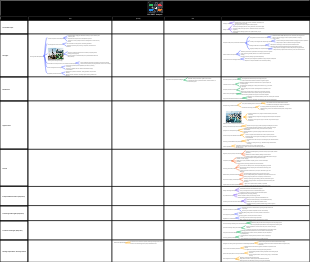
Discover the strategic insights of Chevron through a comprehensive SWOT analysis. This analysis highlights Chevron's strengths, including its integrated business model, high-quality asset base, and strong financial position, which together foster resilience and shareholder returns. However, the company faces challenges such as exposure to commodity price volatility, carbon intensity risks, and complexities in large project execution. Additionally, regulatory pressures and geopolitical dependencies add to its vulnerabilities. Finally, workforce constraints and the ongoing need for reserve replacement underscore the importance of innovation and strategic planning. Explore how Chevron navigates these dynamics to maintain its competitive edge in the energy sector.
Edited at 2026-03-25 14:56:39Mappa mentale per il piano di inserimento dei nuovi dipendenti nella prima settimana. Strutturata per giorni: Giorno 1 – benvenuto, configurazione strumenti, presentazione team. Secondo giorno – formazione su policy aziendali e obiettivi del ruolo. Terzo giorno – affiancamento e primi task guidati. Il quarto giorno – riunioni con dipartimenti chiave e feedback intermedio. Il quinto giorno – revisione settimanale, definizione obiettivi a breve termine e integrazione culturale.

Mappa mentale per l’analisi della formazione francese ai Mondiali 2026. Punti chiave: attacco stellare guidato da Mbappé, con triplice minaccia (profondità, taglio, sponda). Criticità: centrocampo poco creativo – la costruzione offensiva dipende dagli attaccanti che arretrano. Difesa solida (Upamecano, Saliba, Koundé). Portiere Maignan. Variabili: gestione infortuni e condizione fisica dei big. Ideale per scout, giornalisti e tifosi.
Mappa mentale per il piano di inserimento dei nuovi dipendenti nella prima settimana. Strutturata per giorni: Giorno 1 – benvenuto, configurazione strumenti, presentazione team. Secondo giorno – formazione su policy aziendali e obiettivi del ruolo. Terzo giorno – affiancamento e primi task guidati. Il quarto giorno – riunioni con dipartimenti chiave e feedback intermedio. Il quinto giorno – revisione settimanale, definizione obiettivi a breve termine e integrazione culturale.
Mappa mentale per l’analisi della formazione francese ai Mondiali 2026. Punti chiave: attacco stellare guidato da Mbappé, con triplice minaccia (profondità, taglio, sponda). Criticità: centrocampo poco creativo – la costruzione offensiva dipende dagli attaccanti che arretrano. Difesa solida (Upamecano, Saliba, Koundé). Portiere Maignan. Variabili: gestione infortuni e condizione fisica dei big. Ideale per scout, giornalisti e tifosi.
Chevron SWOT Analysis
Strengths
Scale and integrated business model
Balanced portfolio across upstream, midstream, downstream, chemicals, and trading
Integration supports margin capture across the value chain and helps offset segment cyclicality
High-quality asset base and resource access
Diversified upstream assets across multiple basins and geographies
Long-life, lower-decline assets that can support stable production profiles
Financial strength and capital discipline
Strong balance sheet and liquidity enabling resilience through commodity cycles
Track record of capital allocation, share repurchases, and dividend sustainability focus
Ability to fund large projects and acquisitions at scale
Operational and technical capabilities
Deep engineering, subsurface, and project management expertise
Strong safety culture and operational standards reducing downtime and incident risk
Advanced capabilities in LNG, deepwater, and complex project execution
Brand, market presence, and relationships
Globally recognized brand and established customer/supplier networks
Long-term relationships with host governments, partners, and JV operators
Strong marketing and retail footprint in key regions
Portfolio flexibility and optionality
Ability to high-grade assets via divestments and targeted investments
Optionality to shift capital between oil, gas, and low-carbon opportunities based on returns
Technology and innovation
Digitalization, automation, and analytics improving reliability and lifting costs
R&D and partnerships supporting efficiency and emissions reduction technologies
Shareholder return framework
Consistent dividend history and emphasis on returning cash to shareholders
Transparent capital return policies increasing investor confidence
Structural advantages come from integration, asset quality, disciplined capital, and execution capability that together support resilience and cash returns.
Weaknesses
Exposure to commodity price volatility
Earnings and cash flow heavily influenced by oil and gas price swings
Budgeting and long-cycle projects can be challenged in downturns
Carbon intensity and energy transition positioning risks
Core revenue base remains dominated by hydrocarbons
Perception risk among ESG-focused investors and stakeholders
Transition investments may be smaller relative to some peers, limiting re-rating potential
Large project complexity and execution risk
Cost overruns, delays, and technical issues can impair returns
LNG and deepwater projects carry high capital intensity and schedule sensitivity
Refining and chemicals cyclicality
Downstream margins sensitive to crack spreads, demand shifts, and inventories
Chemicals exposed to global petrochemical cycles and feedstock dynamics
Regulatory and litigation exposure
Environmental compliance burdens and potential penalties
Legacy liabilities, remediation obligations, and climate-related legal actions
Geopolitical and partner dependence
Some assets depend on host-country stability and fiscal terms
Joint ventures can constrain operational control and speed of decision-making
Reserve replacement and portfolio renewal pressure
Need to continually replace produced reserves through exploration, acquisitions, or developments
Exploration success rates and competitive access to resources can limit growth
Workforce and capability constraints
Competition for technical talent in engineering, subsurface, and digital roles
Aging workforce and knowledge transfer challenges in specialized domains
Key weaknesses cluster around volatility exposure, transition/ESG positioning, complex project risk, and external constraints (regulatory, geopolitical, talent, reserves).
Opportunities
Natural gas and LNG growth
Rising demand for LNG in Asia and Europe for energy security and coal-to-gas switching
Potential to expand liquefaction, trading, and gas supply portfolios
Low-carbon businesses and decarbonization services
Carbon capture, utilization, and storage (CCUS) projects and hubs
Hydrogen (blue/low-carbon) production and supply chain development
Renewable fuels and sustainable aviation fuel (SAF) opportunities where economics work
Operational efficiency and cost reduction
Digital oilfield, predictive maintenance, and automation to lower lifting/refining costs
Standardized designs and modularization to reduce project capital intensity
Portfolio optimization and strategic M&A
Acquisitions to strengthen advantaged basins or gas positions
Divestments of higher-cost or higher-carbon assets to improve portfolio quality
Electrification and power solutions
Onsite power, microgrids, and renewable PPAs to reduce operational emissions and costs
Integration of low-carbon power into upstream operations
Petrochemicals and specialty products
Growth in demand for certain chemical products tied to consumer and industrial needs
Move toward higher-margin specialty chemicals and performance materials
Emerging markets energy demand
Long-term energy consumption growth in developing economies
Opportunities for retail fuels, lubricants, and infrastructure partnerships
Policy incentives and partnerships
Government incentives for CCUS, hydrogen, methane reduction, and clean fuels
Collaboration with industrial clusters for shared infrastructure and risk sharing
Methane and emissions reduction leadership
Methane detection and elimination programs improving ESG profile
Efficiency gains that simultaneously reduce costs and emissions
Threats
Prolonged low oil and gas prices
Reduced upstream cash flow impacting dividends, buybacks, and capex
Asset impairments and reduced economic viability of higher-cost projects
Accelerating energy transition and demand destruction
Faster EV adoption and efficiency gains reducing gasoline demand
Policy-driven reductions in fossil fuel consumption and subsidies
Structural decline risk in long-term oil demand scenarios
Climate policy and regulatory tightening
Carbon pricing, methane regulations, and stricter permitting increasing costs
Restrictions on drilling, flaring, and water use affecting operations
More stringent reporting and compliance requirements
Litigation and reputational risks
Climate-related lawsuits, environmental claims, and remediation liabilities
Brand and investor perception impacts affecting cost of capital
Geopolitical instability and sanctions
Disruptions from conflicts, trade restrictions, and sanctions affecting supply chains
Expropriation, contract disputes, or changes in fiscal regimes
Operational hazards and safety incidents
Major accidents causing production losses, fines, and reputational damage
Natural disasters (hurricanes, wildfires) disrupting facilities and logistics
Cost inflation and supply chain constraints
Rising costs for rigs, steel, labor, and equipment compressing project returns
Long lead times and contractor capacity shortages delaying projects
Competition and market share pressure
NOCs and majors competing for premium acreage and LNG contracts
Refining competition and overcapacity affecting margins
Alternative fuels and renewable energy providers displacing demand
Technology disruption
Breakthroughs in batteries, storage, or green hydrogen accelerating substitution
Rapid improvements in efficiency lowering fossil fuel intensity per unit of GDP
Counterparty and credit risks
Customer defaults during downturns impacting trading and receivables
Partner financial weakness delaying JV investments and maintenance