MindMap Gallery Uber Market Segmentation, Targeting and Positioning Analysis
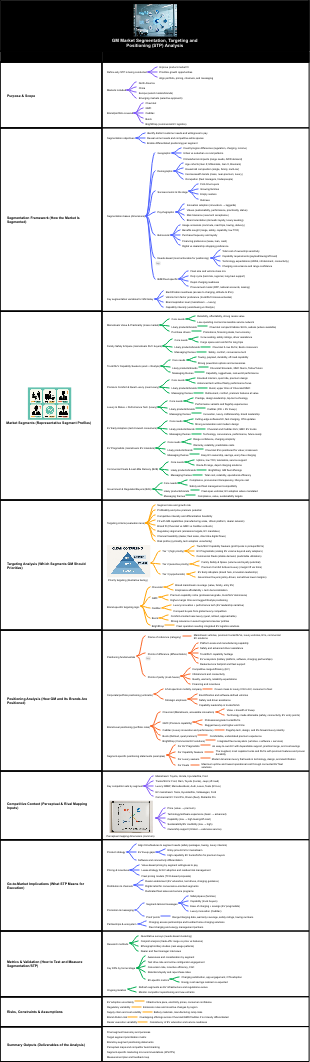
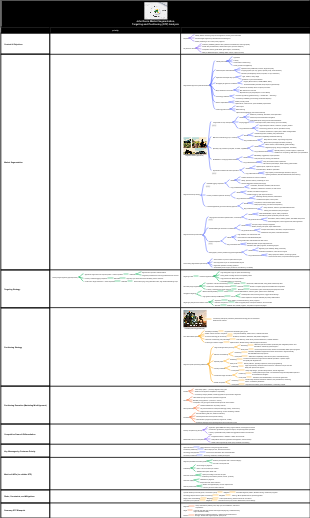
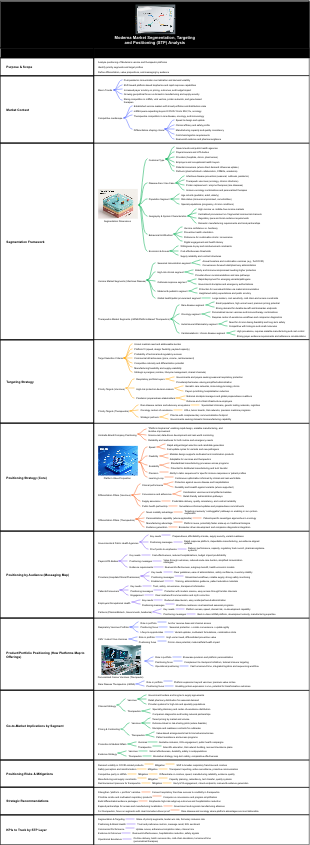
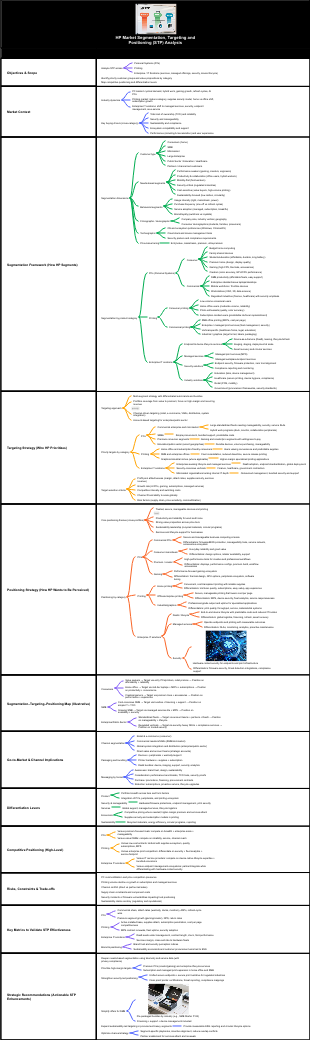
This analysis explores Uber’s comprehensive Market Segmentation, Targeting, and Positioning (STP) framework across its core services: ride-sharing, food delivery, and logistics. Market context includes demand-supply dynamics, with pricing balancing rider wait times and driver earnings; and category structure, distinguishing mobility, delivery, and freight segments. Segmentation framework spans geographic (urban vs. suburban, city density, region); demographic (age, income, occupation); behavioral (trip frequency, time of day, spending patterns); psychographic (lifestyle, convenience orientation); needs-based (affordability, speed, comfort, reliability); channel (app usage, promotions); and B2B firmographic (business travel, corporate accounts, logistics needs). Ride-sharing consumer segments include daily commuters prioritizing reliability and cost; occasional riders using for events or errands; nightlife users valuing safety and availability; airport travelers needing predictable service; value-seekers choosing lower-cost options; and premium comfort seekers selecting Uber Black or luxury vehicles. Each segment has distinct needs and behaviors, influencing service design and pricing. Targeting priorities focus on high-frequency segments like commuters and B2B clients, alongside growth opportunities in delivery and logistics. Positioning relative to competitors emphasizes reliability, safety, and platform convenience. This STP framework informs go-to-market strategies, dynamic pricing, and tailored messaging across regions and product lines, enabling Uber to serve diverse user needs effectively.
Edited at 2026-03-25 15:17:55This strategic SWOT analysis explores how Aeon can navigate the competitive online landscape, highlighting strengths, weaknesses, opportunities, and threats. Strengths include strong brand recognition (trusted Japanese heritage, quality), omnichannel capabilities (stores + online + mall integration), customer loyalty programs (Aeon Card, points, member pricing), and physical footprint (extensive store network for pickup/returns). Weaknesses encompass digital maturity gaps (e-commerce penetration, app functionality, personalization vs. Amazon, Alibaba), cost structure challenges (store-heavy, real estate, labor), and supply chain complexity (fresh food, frozen logistics for online). Opportunities include enhancing e-commerce competitiveness (faster delivery, wider assortment, lower minimum order), leveraging data-driven strategies (purchase history, personalized offers, inventory optimization), expanding omnichannel integration (buy online pick up in store, ship from store), and private label growth (Topvalu, localized brands). Threats involve online-first players (Amazon, Alibaba, Sea Limited) with lower costs, wider selection, faster delivery, market dynamics (changing consumer behavior post-COVID, discount competitors), and regulatory risks (data privacy, cross-border e-commerce rules). Aeon can strengthen market position by investing in digital capabilities, leveraging store assets for omnichannel, and using customer data for personalization, while addressing cost structure and online competition.

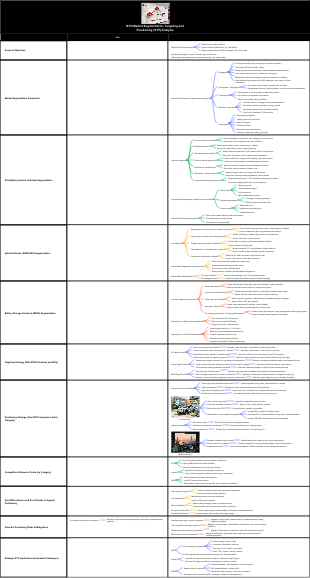
This analysis explores how Aeon effectively tailors offerings to meet the diverse needs of family-oriented consumers through a comprehensive Segmentation, Targeting, and Positioning (STP) framework. Demographic segmentation examines family life stages (young families with babies, school-aged children, teenagers, empty nesters), household sizes (small vs. large), income levels (mass, premium), and parent age bands (millennials, Gen X). This identifies distinct consumer groups with different spending patterns. Geographic segmentation highlights store catchment types (urban, suburban, rural), community characteristics (density, income, competition), and local preferences (fresh food, halal, Japanese products). Psychographic segmentation delves into family values (health, safety, education, convenience), lifestyle orientations (busy professionals, home-centered, eco-conscious). Behavioral segmentation focuses on shopping missions (daily grocery, weekly stock-up, seasonal shopping), price sensitivity (value seekers, premium), channel preferences (in-store, online, pickup). Needs-based segmentation reveals core family needs related to value (good-better-best pricing), budget considerations (affordability, promotions, member pricing), safety (food quality, product recall), convenience (one-stop shopping, parking, store hours). Targeting prioritizes young families with school-aged children, budget-conscious households, and convenience-seeking shoppers. Positioning emphasizes Aeon as a family-friendly, value-for-money, one-stop destination with Japanese quality and local relevance. These insights enhance family shopping experiences through tailored assortments (kids’ products, school supplies), promotions (family bundles, weekend events), and services (nursing rooms, kids’ play areas).
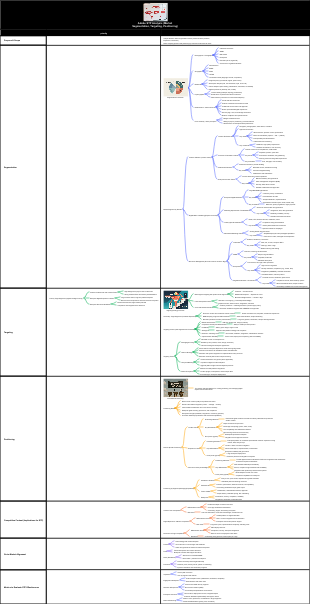
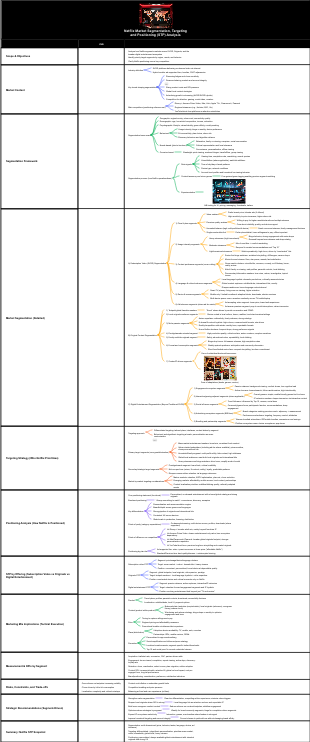
This Kream Sneaker Consumption Scene Analysis Template aims to visualize purchasing and consumption journeys of sneakers, identifying key demand drivers and obstacles. User behavior within Kream includes searching, bidding, buying, selling, authentication, and community engagement. External influences include brand drops (Nike, Adidas), social media (Instagram, TikTok), influencer hype, and cultural trends. Target categories: limited editions, collaborations, retro releases, performance sneakers, and general releases. Timeframes: launch day, first week, first month, long-term (seasonal, yearly). Regions: North America, Europe, Asia (Korea, China, Japan). User segments: Collectors: value rarity, condition, completeness (box, accessories). KPIs: collection size, spend, authentication rate. Resellers: value profit margin, volume, turnover. KPIs: sell-through rate, average profit, listing frequency. Sneakerheads: value hype, trends, community validation. KPIs: purchase frequency, social engagement, wishlist adds. Casual trend followers: value style, convenience, price. KPIs: conversion rate, average order value, repeat purchases. Gift purchasers: value ease, presentation, brand trust. KPIs: gift message usage, return rate. Consumption journey: Awareness: social media, email, push notifications. Search: browse, filter, search by brand, model, size. Purchase: bid, buy now, payment, shipping. Authentication: inspection, verification, certification. Resale: list, price, sell, transfer. Sharing: review, unboxing, social post, community discussion. Key performance indicators: conversion rate, sell-through rate, average order value, customer lifetime value, authentication pass rate, return rate, Net Promoter Score. This framework helps understand sneaker trading dynamics, user motivations, and touchpoints for engagement and satisfaction.
This strategic SWOT analysis explores how Aeon can navigate the competitive online landscape, highlighting strengths, weaknesses, opportunities, and threats. Strengths include strong brand recognition (trusted Japanese heritage, quality), omnichannel capabilities (stores + online + mall integration), customer loyalty programs (Aeon Card, points, member pricing), and physical footprint (extensive store network for pickup/returns). Weaknesses encompass digital maturity gaps (e-commerce penetration, app functionality, personalization vs. Amazon, Alibaba), cost structure challenges (store-heavy, real estate, labor), and supply chain complexity (fresh food, frozen logistics for online). Opportunities include enhancing e-commerce competitiveness (faster delivery, wider assortment, lower minimum order), leveraging data-driven strategies (purchase history, personalized offers, inventory optimization), expanding omnichannel integration (buy online pick up in store, ship from store), and private label growth (Topvalu, localized brands). Threats involve online-first players (Amazon, Alibaba, Sea Limited) with lower costs, wider selection, faster delivery, market dynamics (changing consumer behavior post-COVID, discount competitors), and regulatory risks (data privacy, cross-border e-commerce rules). Aeon can strengthen market position by investing in digital capabilities, leveraging store assets for omnichannel, and using customer data for personalization, while addressing cost structure and online competition.
This analysis explores how Aeon effectively tailors offerings to meet the diverse needs of family-oriented consumers through a comprehensive Segmentation, Targeting, and Positioning (STP) framework. Demographic segmentation examines family life stages (young families with babies, school-aged children, teenagers, empty nesters), household sizes (small vs. large), income levels (mass, premium), and parent age bands (millennials, Gen X). This identifies distinct consumer groups with different spending patterns. Geographic segmentation highlights store catchment types (urban, suburban, rural), community characteristics (density, income, competition), and local preferences (fresh food, halal, Japanese products). Psychographic segmentation delves into family values (health, safety, education, convenience), lifestyle orientations (busy professionals, home-centered, eco-conscious). Behavioral segmentation focuses on shopping missions (daily grocery, weekly stock-up, seasonal shopping), price sensitivity (value seekers, premium), channel preferences (in-store, online, pickup). Needs-based segmentation reveals core family needs related to value (good-better-best pricing), budget considerations (affordability, promotions, member pricing), safety (food quality, product recall), convenience (one-stop shopping, parking, store hours). Targeting prioritizes young families with school-aged children, budget-conscious households, and convenience-seeking shoppers. Positioning emphasizes Aeon as a family-friendly, value-for-money, one-stop destination with Japanese quality and local relevance. These insights enhance family shopping experiences through tailored assortments (kids’ products, school supplies), promotions (family bundles, weekend events), and services (nursing rooms, kids’ play areas).
This Kream Sneaker Consumption Scene Analysis Template aims to visualize purchasing and consumption journeys of sneakers, identifying key demand drivers and obstacles. User behavior within Kream includes searching, bidding, buying, selling, authentication, and community engagement. External influences include brand drops (Nike, Adidas), social media (Instagram, TikTok), influencer hype, and cultural trends. Target categories: limited editions, collaborations, retro releases, performance sneakers, and general releases. Timeframes: launch day, first week, first month, long-term (seasonal, yearly). Regions: North America, Europe, Asia (Korea, China, Japan). User segments: Collectors: value rarity, condition, completeness (box, accessories). KPIs: collection size, spend, authentication rate. Resellers: value profit margin, volume, turnover. KPIs: sell-through rate, average profit, listing frequency. Sneakerheads: value hype, trends, community validation. KPIs: purchase frequency, social engagement, wishlist adds. Casual trend followers: value style, convenience, price. KPIs: conversion rate, average order value, repeat purchases. Gift purchasers: value ease, presentation, brand trust. KPIs: gift message usage, return rate. Consumption journey: Awareness: social media, email, push notifications. Search: browse, filter, search by brand, model, size. Purchase: bid, buy now, payment, shipping. Authentication: inspection, verification, certification. Resale: list, price, sell, transfer. Sharing: review, unboxing, social post, community discussion. Key performance indicators: conversion rate, sell-through rate, average order value, customer lifetime value, authentication pass rate, return rate, Net Promoter Score. This framework helps understand sneaker trading dynamics, user motivations, and touchpoints for engagement and satisfaction.
Uber STP (Segmentation, Targeting, Positioning) Analysis
Scope & Objectives
Analyze segmentation across product lines
Ride-sharing (Mobility)
Food delivery (Uber Eats)
Logistics solutions (Delivery, Freight, last-mile)
Identify priority target segments by region/use case
Clarify positioning by product line versus key competitors
Implications for go-to-market, pricing, and messaging
Market Context & Category Structure
Mobility (Ride-sharing)
On-demand private hire (solo rides)
Shared rides (where available)
Premium rides (luxury, executive)
Specialized mobility (accessible rides, family options)
Food Delivery
Restaurant marketplace delivery
Grocery/convenience delivery
Direct-to-consumer pickup/curbside facilitation
Logistics Solutions
Local delivery for merchants (B2B last-mile)
Courier/parcel services (where offered)
Freight brokerage/platform (Uber Freight)
Delivery tech enablement (APIs, routing, dispatch, integrations)
Demand & supply dynamics
Two-sided marketplace dependencies
Rider/eater demand density
Driver/courier supply and utilization
Network effects and liquidity
Service reliability and safety expectations
Uber competes in three adjacent categories powered by a two-sided marketplace where density and reliability determine performance.
Segmentation Framework (How Uber Can Segment)
Segmentation bases
Geographic
Country/region regulatory environment
Urban, suburban, rural density
Airport corridors, downtown cores, university hubs
Demographic
Age/life stage (students, families, retirees)
Income/affordability tiers
Occupation (professionals, shift workers)
Behavioral
Frequency (heavy, medium, light users)
Occasion-based usage (commute, nightlife, travel)
Loyalty/subscription propensity
Promo sensitivity and price elasticity
Psychographic
Convenience-first vs price-first
Safety/quality expectations
Sustainability orientation
Needs-based / Jobs-to-be-done
Fast, predictable pickup and ETA
Guaranteed availability at peak times
Comfort and status
Cost minimization
Accessibility requirements
Channel/Device
App-native users
Corporate booking tools
Partner channels (travel, hospitality, events)
B2B firmographic (for logistics)
Business size (SMB, mid-market, enterprise)
Industry (retail, restaurants, grocery, healthcare)
Order profiles (basket size, perishability, time sensitivity)
Delivery footprint (local, regional, national)
Segmentation: Ride-Sharing (Mobility)
Consumer rider segments
Daily commuters
Needs
Reliable ETAs, consistent pricing, low wait times
High coverage during rush hours
Typical behaviors
High frequency, morning/evening peaks
Occasional/errand riders
Needs
Convenience, short trips, easy pickup points
Transparent upfront pricing
Nightlife/social riders
Needs
High availability late night
Safety features, group coordination, surge tolerance
Airport and travel riders
Needs
Reliability, baggage-friendly options, scheduling
Clear pickup instructions, premium service options
Value-seekers
Needs
Lowest price, promotions, shared/low-cost tiers
High sensitivity
Price and surge
Premium comfort seekers
Needs
Higher vehicle quality, professionalism, priority pickup
Business-ready experience
Safety-first segments
Needs
Enhanced safety tools, verified drivers, trip sharing
Customer support responsiveness
Accessibility-focused riders
Needs
Wheelchair-accessible vehicles, assistance features
Predictable availability
Family and group riders
Needs
Larger vehicles, car seat options (where available)
Multi-stop planning
Event-based riders
Needs
High capacity at venues, geofenced pickup zones
Clear crowd management coordination
B2B mobility segments
Corporate travel programs
Needs
Policy controls, centralized billing, reporting, duty-of-care
Small business/local teams
Needs
Simple expensing, occasional team rides
Healthcare transport (where applicable/partnered)
Needs
Reliability, compliance, scheduling, patient experience
Hospitality and travel partners
Needs
Seamless guest rides, integrations, referral economics
Mobility segments cluster by occasion (commute/nightlife/travel), willingness-to-pay (value vs premium), and risk sensitivity (safety/accessibility).
Segmentation: Food Delivery (Uber Eats)
Consumer eater segments
Convenience-first urban professionals
Needs
Fast delivery, high restaurant variety, reliable ETAs
Behaviors
High frequency, premium basket add-ons
Budget-conscious diners
Needs
Deals, low delivery fees, value bundles
Behaviors
Promo-driven ordering, switch platforms
Families and group ordering
Needs
Large baskets, customization, predictable delivery windows
Late-night and occasion-based ordering
Needs
Availability off-hours, quick fulfillment, snack options
Health-conscious consumers
Needs
Dietary filters, healthy options, transparent info
Grocery and convenience shoppers
Needs
Substitution quality, item accuracy, speed
Scheduled windows for planned shopping
Subscription/loyalty-oriented users
Needs
Fee savings, perks, consistent experience
Rural/suburban diners (where coverage exists)
Needs
Coverage expansion, longer-distance reliability
Fee transparency due to higher delivery costs
Merchant (restaurant/retail) segments
Large chains/franchises
Needs
National coverage, negotiated economics, POS integration
Brand control and marketing tools
SMB independent restaurants
Needs
Demand generation, simple onboarding, manageable commissions
Visibility and promotions
Virtual kitchens / delivery-only brands
Needs
Demand forecasting, ad tools, scalable operations
Grocery/convenience retailers
Needs
Inventory integration, picking workflows, substitution rules
Premium/fine dining
Needs
Quality preservation, careful courier handling, timing precision
Eats demand varies by frequency and price sensitivity, while merchant needs split by scale (chains vs SMB) and operational integration depth.
Segmentation: Logistics Solutions (Delivery, Freight, Last-Mile)
Local last-mile delivery (B2B)
SMB retailers needing same-day delivery
Needs
Simple dispatch, predictable pricing, local coverage
Enterprise retailers
Needs
SLAs, peak capacity, integrations, brand experience control
Omnichannel brands
Needs
Ship-from-store workflows, scheduled slots, returns handling
On-demand courier use cases
Needs
Rapid pickup and drop, chain-of-custody (for sensitive items)
Freight platform (Uber Freight) segments
Shippers
Mid-market shippers
Needs
Price transparency, capacity access, quick tendering
Enterprise shippers
Needs
Network capacity, lane optimization, analytics, compliance
Carriers
Small carriers/owner-operators
Needs
Load access, fast payments, minimized deadhead miles
Large fleets
Needs
Contract freight opportunities, operational integration
Logistics segmentation hinges on SLA/integration requirements (enterprise) versus simplicity and price transparency (SMB/mid-market).
Targeting Strategy (Who Uber Prioritizes)
Targeting principles
Focus on high-frequency, high-LTV segments
Optimize for marketplace liquidity (density-driven markets)
Balance unit economics with growth (CAC vs contribution margin)
Prioritize segments with strong cross-product overlap
Mobility targeting priorities (typical)
Urban cores with high density and repeat usage
Airport corridors with premium willingness-to-pay
Commuters and frequent travelers
Corporate programs for predictable volume and higher ARPU
Eats targeting priorities (typical)
High-density restaurant areas for fast ETAs
High-frequency convenience users and subscription adopters
Grocery/convenience categories to increase frequency
Strategic chain partnerships for scale and marketing leverage
Logistics targeting priorities (typical)
Merchants needing flexible last-mile capacity
Enterprises requiring integration and SLAs (higher switching costs)
Shippers/carriers in lanes where platform liquidity is strong
Geographic targeting
City-by-city approach emphasizing
Density, regulatory feasibility, and competitive intensity
Supply availability (drivers/couriers/carriers)
Category fit (mobility vs eats vs logistics)
Positioning (How Uber Competes and Is Perceived)
Core brand positioning themes
On-demand convenience across mobility, food, and delivery
Reliability through scale and marketplace liquidity
Broad selection (vehicles, restaurants, merchants, routes)
Technology-driven experience (ETAs, tracking, cashless, safety)
Mobility positioning
Value proposition
Fast pickup, wide availability, predictable app experience
Differentiators
Network scale, product tiers, safety features, global presence
Positioning by tier
Economy: affordability and availability
Premium: comfort, professionalism, priority
Specialized: accessibility and inclusivity
Eats positioning
Value proposition
Variety + speed + tracking + convenience
Differentiators
Merchant selection, courier network scale, cross-app synergies
Category positioning
Restaurant discovery plus delivery utility
Expansion into grocery/convenience to become daily needs app
Logistics positioning
Value proposition
Flexible capacity, visibility, and simplified matching
Differentiators
Platform data/optimization, network breadth, integration options
Competitive Positioning (Relative Landscape)
Mobility competitors
Ride-share platforms
Differentiation factors
Wait times, price, coverage, safety, driver incentives
Traditional taxis/black cars
Differentiation factors
Regulation, predictability, premium service, local density
Public transit/micromobility
Differentiation factors
Cost efficiency, sustainability, first/last mile convenience
Car ownership/car rental
Differentiation factors
Total cost, flexibility, parking, trip frequency
Food delivery competitors
Delivery marketplaces
Differentiation factors
Restaurant selection, fees, promos, delivery time, accuracy
Restaurant direct delivery
Differentiation factors
Price/fees, loyalty, quality control
Meal kits/cooking at home
Differentiation factors
Cost, health, planning vs spontaneity
Logistics competitors
Local couriers and 3PLs
Differentiation factors
SLA rigor, pricing models, coverage, service quality
Freight brokers/digital freight platforms
Differentiation factors
Rate transparency, payment terms, lane depth, tools
Value Proposition by Segment (Message-Market Fit)
Riders
Commuters: reliability, time savings, consistent experience
Nightlife: safety features, late-night availability
Airport: scheduling, clear pickup, premium options
Value seekers: low-cost tiers, upfront pricing, promotions
Premium: comfort, professional service, reduced friction
Accessibility: inclusive options, dependable availability
Eaters
Convenience-first: speed, variety, tracking
Budget: deals, bundles, subscription savings
Families: large orders, scheduling, customization
Grocery: item accuracy, substitutions, scheduling
Merchants/Shippers
SMB merchants: easy onboarding, incremental demand
Enterprise: SLAs, integrations, analytics, brand control
Carriers: load access, fast pay, utilization improvements
Product & Pricing Alignment to STP
Product levers (Mobility)
Tiered offerings (economy to premium)
Safety and trust features (verification, sharing, support)
Scheduling/reservations for travel segments
Pool/shared options where feasible for value segments
Product levers (Eats)
Restaurant discovery and personalized recommendations
Order tracking and delivery time accuracy
Quality controls (packaging guidance, courier instructions)
Grocery workflows (substitutions, picker communication)
Product levers (Logistics)
Merchant dashboards, APIs, dispatch tools
Tracking/visibility, proof of delivery
Freight matching, lane analytics, payments
Pricing & promotions
Dynamic pricing and peak management (mobility)
Fee structure and subscription bundles (Eats)
Contract vs spot pricing (Freight)
Segment-specific incentives
Acquire: first-order/first-ride offers
Retain: subscription perks, targeted discounts
Supply: driver/courier/carrier incentives by time and location
Distribution & Partnerships (Route to Market)
App ecosystem cross-sell
Mobility ↔ Eats cross-promotion
Unified wallet, rewards, subscription bundles
Strategic partnerships
Airports, event venues, hospitality
Large restaurant chains and grocery retailers
Enterprise travel platforms and expense tools
E-commerce platforms for last-mile delivery
Regional playbooks
Focus cities for liquidity
Local compliance and regulatory partnerships
Key Metrics to Validate STP
Mobility
Wait time, ETA accuracy, trip completion rate
Frequency, retention cohorts, LTV/CAC
Driver utilization, supply hours, cancellation rates
Eats
On-time delivery, order accuracy, refund rate
Basket size, frequency, subscription adoption
Merchant retention, take rate sustainability
Logistics
On-time pickup/delivery, SLA attainment
Cost per delivery/load, utilization, repeat shipper rate
Carrier satisfaction, payment speed impact
Risks, Constraints, and Segment Trade-offs
Regulatory and compliance variability by geography
Unit economics pressure
Promotions, driver incentives, fuel and labor costs
Long-tail geographies with low density
Marketplace balance challenges
Driver/courier churn, peak-time shortages
Quality variation affecting brand perception
Competitive responses
Price wars, exclusivity deals, local champion advantages
Brand trust and safety incidents impacting sensitive segments
Implications & Strategic Recommendations (Segment-Driven)
Mobility
Deepen commuter and airport propositions in dense markets
Differentiate premium tiers with consistent quality standards
Expand accessibility options with reliability guarantees where possible
Eats
Grow frequency via grocery/convenience and subscriptions
Improve unit economics by targeting high-LTV cohorts and reducing refunds
Strengthen merchant tooling for SMB retention and chain integrations
Logistics
Prioritize enterprise integrations and SLA-based offerings for stickiness
Build lane liquidity in freight before expanding breadth
Package last-mile delivery as an omnichannel enablement layer for retailers