MindMap Gallery FrieslandCampina Market Segmentation, Targeting and Positioning Analysis
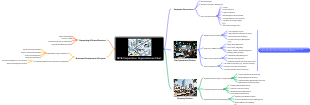
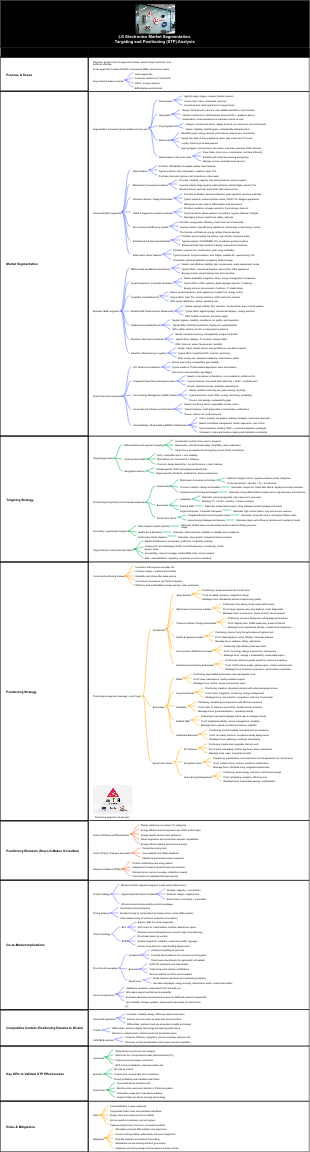
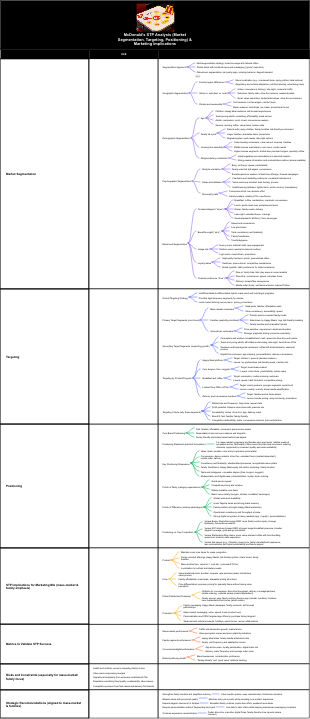
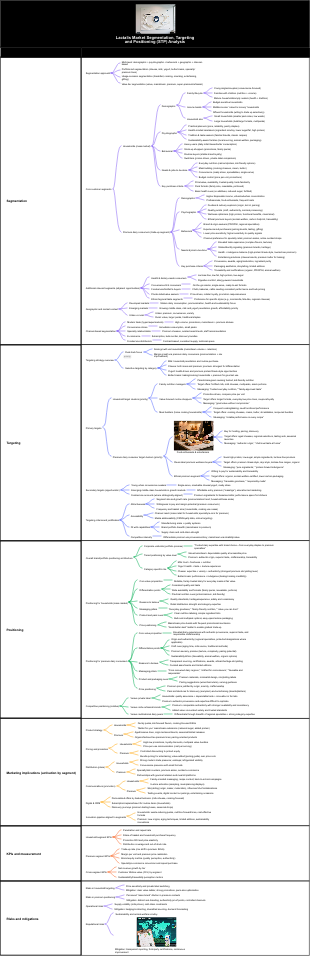
This analysis explores the strategic insights behind FrieslandCampina’s market approach, examining how the company segments markets, targets audiences, and positions brands across dairy, infant nutrition, and functional drinks. Segmentation framework: Demographic: age (infants, children, adults, seniors), income (mass, premium), life stage (families with infants, health-conscious adults). Geographic: mature markets (Europe), emerging (Asia – China, Indonesia, Vietnam, Nigeria), regional preferences. Psychographic: lifestyle (health-conscious, convenience-seeking, sustainability-driven), values (natural, organic, safety, trust). Behavioral: usage frequency (daily, weekly), purchase channel (retail, e-commerce), loyalty (brand loyal, switcher). Needs-based segmentation aligns product benefits with consumer trust and family values: Households: daily nutrition (milk, yogurt, cheese) – needs: freshness, taste, value, convenience. Purchase drivers: brand trust (Campina), price, availability. Infants (parents of 0–3): safety, organic, DHA, probiotics – purchase drivers: pediatrician recommendation, brand reputation (Friso), certifications. Health-conscious consumers: functional drinks, high-protein, lactose-free, probiotics – needs: wellness, natural ingredients. Purchase drivers: health claims, sustainability. Primary segment: family dairy consumers – main grocery decision-makers (parents). Emphasis on nutrition assurance (calcium, protein, vitamins) and ethical sourcing (organic, grass-fed, farmer welfare). Positioning: Friso (premium infant formula, safety), Campina (fresh dairy, trust), Dutch Lady (emerging markets, affordability). FrieslandCampina effectively targets health, family, and sustainability-driven consumers.
Edited at 2026-03-26 01:25:17Questo modello, creato con EdrawMind, è un modello completo di gestione del rischio del ciclo di vita del progetto, uno strumento indispensabile per i project manager, i team di progetto e le organizzazioni che vogliono implementare un processo strutturato di identificazione, valutazione, trattamento e monitoraggio dei rischi, in linea con gli standard internazionali come il PMBOK o ISO 31000. Il modello è organizzato in sezioni chiare, che coprono ogni fase del ciclo di vita del rischio, oltre a moduli operativi come il registro dei rischi, le responsabilità e i piani di contingenza. La parte centrale del modello mostra il ciclo di vita del rischio in sei fasi, che si sviluppano in sequenza e in modo interconnesso: la prima fase è l’identificazione, dove si raccolgono informazioni per individuare tutti i possibili rischi che possono influenzare il progetto, sia positivi (opportunità) che negativi (minacce), garantendo che nessun potenziale problema o vantaggio venga trascurato. Successivamente, la fase di valutazione analizza ogni rischio per determinare la sua probabilità di accadimento e il suo impatto potenziale sul progetto, al fine di classificare i rischi come Alto, Medio o Basso, permettendo al team di concentrarsi sulle minacce più critiche. Nella fase di pianificazione, si definisce la strategia di risposta per ogni rischio, scegliendo tra le opzioni base: evitare, mitigare, trasferire o accettare, in base alla gravità e alla probabilità del rischio stesso. La fase di trattamento consiste nel mettere in atto le azioni definite nella fase di pianificazione, assegnando un proprietario del rischio e una data di scadenza per garantire accountability e tempestività. La fase di monitoraggio controlla regolarmente i rischi attivi, utilizzando trigger e metriche di allarme precoce per rilevare eventuali deviazioni e intervenire in modo proattivo, mentre la fase finale di apprendimento raccoglie le lezioni apprese per migliorare continuamente il processo di gestion

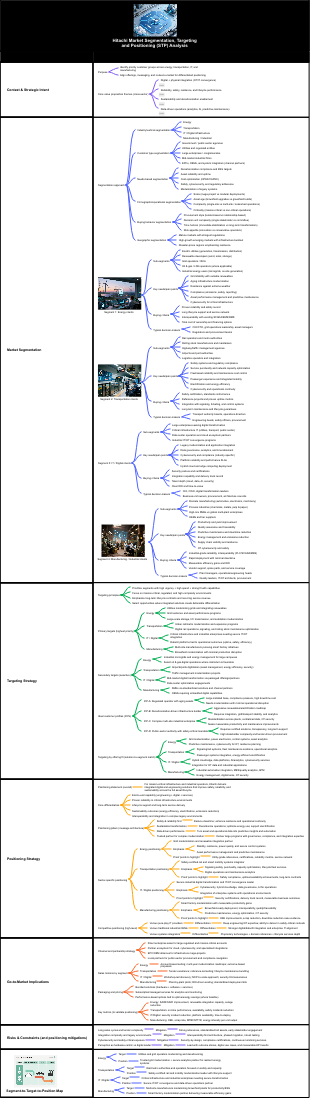
Questo modello, creato con EdrawMind, è un strumento di valutazione della garanzia delle risorse critiche (persone e bilancio), progettato per identificare, valutare e mitigare i rischi legati alla disponibilità di risorse chiave in un progetto e è particolarmente utile per progetti complessi dove le persone specializzate e il budget sono fattori critici per il successo, poiché la carenza di tali risorse può portare a ritardi, costi aggiuntivi o anche al fallimento del progetto stesso. Il modello è strutturato in diverse sezioni interconnesse che lavorano insieme per garantire una valutazione completa e approfondita, iniziando con un’intestazione che include i dati base del progetto come nome del progetto, ID progetto e periodo di valutazione, insieme a KPI chiave che permettono di avere una visione rapida dello stato delle risorse: il tasso di copertura del ruolo chiave, il conteggio dei gap nel personale, il tasso di disponibilità di finanziamento, il gap di bilancio, l’assicurazione di fornitura chiave, il livello di rischio di dipendenza, il conteggio delle azioni di assicurazione e l’ultimo aggiornamento del template. Successivamente, la sezione di obiettivi e definizioni chiarisce lo scopo dell’analisi, ad esempio “Garantire la disponibilità di risorse critiche per evitare ritardi o fallimenti del progetto”, oltre a definire l’ambito di applicazione, la tassonomia delle risorse, le soglie di garanzia, le regole di punteggio e il percorso di escalation per le decisioni critiche, garantendo che tutte le parti coinvolte abbiano una comprensione统一e dei parametri di valutazione. Il cuore del modello è il quadro di garanzia delle risorse, una matrice a quattro quadranti che combina il livello di esposizione al rischio (Alto/Basso) con il livello di sufficienza della risorsa (Alta/Bassa), creando categorie chiare per ogni tipo di situazione: le risorse con alta esposizione e bassa sufficienza sono quelle critiche con alto rischio di carenza e bassa disponibilità, ric
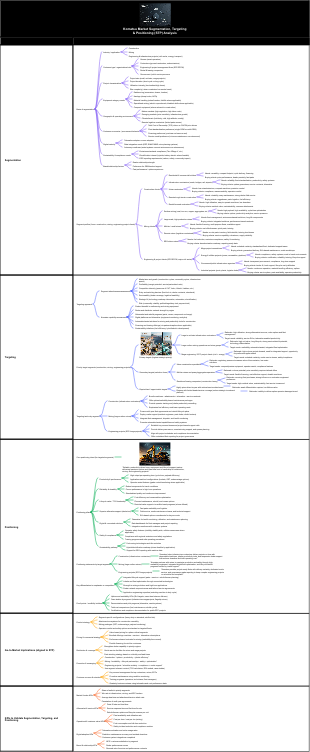
中国抖音電商におけるコンテンツマトリクス計画は、単なる動画配信や販売促進にとどまらず、戦略的なアカウント設計と精緻なターゲット戦略を組み合わせることで、ブランドの認知拡大から顧客生涯価値(LTV)の最大化までを一貫して実現することを目的とした包括的なフレームワークである。この計画では、まず各アカウントの存在意義や役割を明確に定義し、それぞれの目的に応じた価値提案を設計することが重要となる。たとえば、認知拡大を担うアカウント、商品理解を深めるための教育型アカウント、購買転換を目的とした販売特化型アカウントなど、複数の役割を持つアカウント群を体系的に構築することで、ユーザー接点を多層的に形成する。 さらに、コンテンツピラーの設計においては、ブランドのコアメッセージを軸にしながら、エンターテインメント性、実用性、信頼性といった複数の価値要素をバランスよく配置し、ユーザーの関心を持続的に引きつける仕組みを構築する必要がある。これにより、単発的なバズに依存するのではなく、長期的なフォロワー育成と関係構築が可能となる。また、アカウント構造においては、メインアカウントとサブアカウントの役割分担を明確化し、各チャネルが相互に補完し合うことで、情報の拡散効率と転換効率を同時に高めることができる。 加えて、ターゲット層の細分化も本計画の中核を成す要素である。年齢、性別、地域といった基本属性に加え、消費意欲や興味関心、ライフスタイルなどの観点からユーザーを多次元的にセグメント化し、それぞれに最適化されたコンテンツとオファーを設計することが求められる。特に、抖音電商特有の「興味EC」の文脈においては、ユーザーの購買意欲の成熟度に応じたレベル分層が重要であり、潜在層、関心層、検討層、購買層といった段階ごとに異なるコミュニケーション戦略を展開する必要がある。 このような分層アプローチに基づき、各層に対して最適なオファー設計を行うことで、ユーザーの心理的ハードルを段階的に下げ、自然な形で購買行動へと導くことが可能となる。たとえば、潜在層には共感や興味喚起を重視したコンテンツを提供し、関心層には商品価値や使用シーンを具体的に提示し、検討層にはレビューや比較情報を通じて意思決定を支援し、最終的に購買層には限定オファーやライブコマースを活用して即時転換を促進する。 総じて、中国抖音電商コンテンツマトリクス計画は、ユーザーの興味喚起から購買、さらにはリピート購入に至るまでの一連のプロセスを体系的に設計し、各接点で最適な体験を提供することで、持続的なビジネス成長を実現するための戦略的基盤となるものである。
Questo modello, creato con EdrawMind, è un modello completo di gestione del rischio del ciclo di vita del progetto, uno strumento indispensabile per i project manager, i team di progetto e le organizzazioni che vogliono implementare un processo strutturato di identificazione, valutazione, trattamento e monitoraggio dei rischi, in linea con gli standard internazionali come il PMBOK o ISO 31000. Il modello è organizzato in sezioni chiare, che coprono ogni fase del ciclo di vita del rischio, oltre a moduli operativi come il registro dei rischi, le responsabilità e i piani di contingenza. La parte centrale del modello mostra il ciclo di vita del rischio in sei fasi, che si sviluppano in sequenza e in modo interconnesso: la prima fase è l’identificazione, dove si raccolgono informazioni per individuare tutti i possibili rischi che possono influenzare il progetto, sia positivi (opportunità) che negativi (minacce), garantendo che nessun potenziale problema o vantaggio venga trascurato. Successivamente, la fase di valutazione analizza ogni rischio per determinare la sua probabilità di accadimento e il suo impatto potenziale sul progetto, al fine di classificare i rischi come Alto, Medio o Basso, permettendo al team di concentrarsi sulle minacce più critiche. Nella fase di pianificazione, si definisce la strategia di risposta per ogni rischio, scegliendo tra le opzioni base: evitare, mitigare, trasferire o accettare, in base alla gravità e alla probabilità del rischio stesso. La fase di trattamento consiste nel mettere in atto le azioni definite nella fase di pianificazione, assegnando un proprietario del rischio e una data di scadenza per garantire accountability e tempestività. La fase di monitoraggio controlla regolarmente i rischi attivi, utilizzando trigger e metriche di allarme precoce per rilevare eventuali deviazioni e intervenire in modo proattivo, mentre la fase finale di apprendimento raccoglie le lezioni apprese per migliorare continuamente il processo di gestion
Questo modello, creato con EdrawMind, è un strumento di valutazione della garanzia delle risorse critiche (persone e bilancio), progettato per identificare, valutare e mitigare i rischi legati alla disponibilità di risorse chiave in un progetto e è particolarmente utile per progetti complessi dove le persone specializzate e il budget sono fattori critici per il successo, poiché la carenza di tali risorse può portare a ritardi, costi aggiuntivi o anche al fallimento del progetto stesso. Il modello è strutturato in diverse sezioni interconnesse che lavorano insieme per garantire una valutazione completa e approfondita, iniziando con un’intestazione che include i dati base del progetto come nome del progetto, ID progetto e periodo di valutazione, insieme a KPI chiave che permettono di avere una visione rapida dello stato delle risorse: il tasso di copertura del ruolo chiave, il conteggio dei gap nel personale, il tasso di disponibilità di finanziamento, il gap di bilancio, l’assicurazione di fornitura chiave, il livello di rischio di dipendenza, il conteggio delle azioni di assicurazione e l’ultimo aggiornamento del template. Successivamente, la sezione di obiettivi e definizioni chiarisce lo scopo dell’analisi, ad esempio “Garantire la disponibilità di risorse critiche per evitare ritardi o fallimenti del progetto”, oltre a definire l’ambito di applicazione, la tassonomia delle risorse, le soglie di garanzia, le regole di punteggio e il percorso di escalation per le decisioni critiche, garantendo che tutte le parti coinvolte abbiano una comprensione统一e dei parametri di valutazione. Il cuore del modello è il quadro di garanzia delle risorse, una matrice a quattro quadranti che combina il livello di esposizione al rischio (Alto/Basso) con il livello di sufficienza della risorsa (Alta/Bassa), creando categorie chiare per ogni tipo di situazione: le risorse con alta esposizione e bassa sufficienza sono quelle critiche con alto rischio di carenza e bassa disponibilità, ric
中国抖音電商におけるコンテンツマトリクス計画は、単なる動画配信や販売促進にとどまらず、戦略的なアカウント設計と精緻なターゲット戦略を組み合わせることで、ブランドの認知拡大から顧客生涯価値(LTV)の最大化までを一貫して実現することを目的とした包括的なフレームワークである。この計画では、まず各アカウントの存在意義や役割を明確に定義し、それぞれの目的に応じた価値提案を設計することが重要となる。たとえば、認知拡大を担うアカウント、商品理解を深めるための教育型アカウント、購買転換を目的とした販売特化型アカウントなど、複数の役割を持つアカウント群を体系的に構築することで、ユーザー接点を多層的に形成する。 さらに、コンテンツピラーの設計においては、ブランドのコアメッセージを軸にしながら、エンターテインメント性、実用性、信頼性といった複数の価値要素をバランスよく配置し、ユーザーの関心を持続的に引きつける仕組みを構築する必要がある。これにより、単発的なバズに依存するのではなく、長期的なフォロワー育成と関係構築が可能となる。また、アカウント構造においては、メインアカウントとサブアカウントの役割分担を明確化し、各チャネルが相互に補完し合うことで、情報の拡散効率と転換効率を同時に高めることができる。 加えて、ターゲット層の細分化も本計画の中核を成す要素である。年齢、性別、地域といった基本属性に加え、消費意欲や興味関心、ライフスタイルなどの観点からユーザーを多次元的にセグメント化し、それぞれに最適化されたコンテンツとオファーを設計することが求められる。特に、抖音電商特有の「興味EC」の文脈においては、ユーザーの購買意欲の成熟度に応じたレベル分層が重要であり、潜在層、関心層、検討層、購買層といった段階ごとに異なるコミュニケーション戦略を展開する必要がある。 このような分層アプローチに基づき、各層に対して最適なオファー設計を行うことで、ユーザーの心理的ハードルを段階的に下げ、自然な形で購買行動へと導くことが可能となる。たとえば、潜在層には共感や興味喚起を重視したコンテンツを提供し、関心層には商品価値や使用シーンを具体的に提示し、検討層にはレビューや比較情報を通じて意思決定を支援し、最終的に購買層には限定オファーやライブコマースを活用して即時転換を促進する。 総じて、中国抖音電商コンテンツマトリクス計画は、ユーザーの興味喚起から購買、さらにはリピート購入に至るまでの一連のプロセスを体系的に設計し、各接点で最適な体験を提供することで、持続的なビジネス成長を実現するための戦略的基盤となるものである。
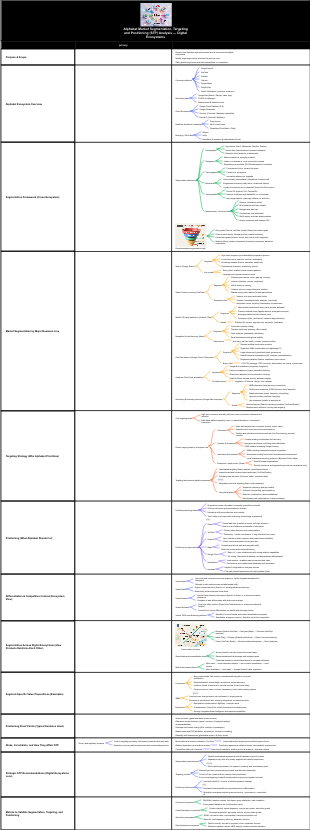
FrieslandCampina Market Segmentation, Targeting & Positioning (STP) Analysis
Purpose & Scope
Analyze how FrieslandCampina segments markets, selects target audiences, and positions brands
Focus segments: households, infants, health-conscious consumers
Applicability across categories: dairy, infant nutrition, functional/nutrition drinks, ingredients
Market Segmentation
Segmentation Framework
Demographic segmentation
Age groups
Infants and toddlers (0–3)
Children (4–12)
Teens and young adults (13–24)
Adults (25–59)
Seniors (60+)
Family life stage
New parents
Families with school-age children
Multi-generational households
Income & affordability bands
Value-seeking households
Mid-market mainstream
Premium buyers for nutrition/specialty products
Education & health literacy
Consumers influenced by scientific claims, labels, and guidance
Geographic segmentation
Region-level
Europe (mature dairy markets, strong retail/private label competition)
Asia (fast growth in infant and nutrition categories)
Middle East/Africa (mixed modern trade vs traditional trade)
Urbanization
Urban consumers (modern trade, higher health trend exposure)
Rural consumers (availability constraints, price sensitivity)
Climate/cuisine relevance
Fresh milk and chilled demand vs shelf-stable and powder preference
Psychographic segmentation
Health orientation
Preventive health and wellness lifestyle
Fitness and active lifestyle
Medical/condition-managed diets (e.g., lactose intolerance sensitivity)
Values & beliefs
Trust in “natural”/farm origin narratives
Sustainability and animal welfare concern
Preference for local sourcing and transparency
Parenting mindset
“Best start” seekers (premium, evidence-based)
Practical caretakers (trusted, affordable, convenient)
Behavioral segmentation
Occasion-based consumption
Breakfast and family meals
Snacking and on-the-go
Pre/post workout
Bedtime routines for children
Benefits sought
Taste enjoyment
Digestive comfort (lactose-free/probiotic)
Protein for satiety/muscle support
Immunity support and micronutrients
Growth and development support for infants
Usage rate
Heavy dairy households vs occasional users
Daily nutrition drink users vs occasional supplementation
Channel behavior
Supermarket main shoppers
Pharmacy/clinic influenced buyers (infant nutrition)
E-commerce subscription buyers (repeat purchase categories)
Brand loyalty & switching drivers
Price promotions
Trust/safety signals and certifications
Recommendations from healthcare professionals
Needs-based segmentation (core)
Nutrition assurance (safety, science, traceability)
Family nourishment (value, versatility, taste)
Functional performance (protein, vitamins, probiotics)
Digestive tolerance (lactose-free, gentle formulations)
Ethical reassurance (sustainability, responsible sourcing)
Uses a multi-lens framework, but prioritizes needs-based segmentation to connect product benefits to trust, family value, and functional outcomes.
Primary Segment: Households (Family Dairy Consumers)
Segment definition
Primary grocery decision makers buying for multiple family members
High frequency purchase of everyday dairy staples
Key needs
Affordable nutrition for the whole family
Taste and versatility in meals and beverages
Consistent availability and reliable quality
Convenience: pack sizes, long shelf life options
Typical purchase drivers
Price/value deals and multipacks
Familiar brands and trust cues
Kid-friendly flavors and formats
Product/category fit
Fresh milk, UHT milk, yogurt, cheese, creamers, flavored dairy drinks
Messaging themes
“Everyday goodness for the family”
“Trusted dairy quality and taste”
Primary Segment: Infants (Infant & Early Life Nutrition Buyers)
Segment definition
Parents/caregivers purchasing infant formula, follow-on, toddler nutrition
High sensitivity to safety, claims, and compliance
Key needs
Safety and quality assurance (strict standards, traceability)
Evidence-based nutrition supporting growth and development
Digestive comfort and tolerance
Guidance and reassurance for new parents
Typical purchase drivers
Healthcare professional advice and endorsements (where allowed)
Certifications, regulated claims, and brand heritage
Product stage matching (0–6, 6–12, 12+ months)
Product/category fit
Infant formula, follow-on formula, toddler milk, specialized formulas
Messaging themes
“Best start” and “trusted nutrition science”
“Carefully developed for each growth stage”
Primary Segment: Health-Conscious Consumers (Wellness & Functional Nutrition)
Segment definition
Consumers actively managing health through diet, seeking functional benefits
Includes fitness-oriented, weight management, and aging wellness groups
Key needs
High protein, lower sugar, and functional ingredients
Clear labeling, transparency, and credible claims
Taste without compromising health goals
Typical purchase drivers
Nutrition panels (protein grams, sugar content)
“Natural”/clean label perceptions
Functional claims (probiotic, calcium, vitamins) where permitted
Product/category fit
High-protein dairy drinks, Greek-style yogurt, probiotic yogurt, lactose-free, fortified beverages
Messaging themes
“Protein and performance”
“Gut health and daily balance”
“Smart nutrition made convenient”
Secondary / Adjacent Segments (supporting positioning breadth)
Kids and teens
Taste-led, fortified options, lunchbox formats
Seniors
Bone health (calcium/vitamin D), protein for strength, easy digestion
Foodservice and B2B ingredients customers
Consistency, scalability, technical support, cost-in-use
Targeting Strategy
Targeting approach
Multi-segment targeting (portfolio strategy)
Different brands/sub-brands for distinct needs and channels
Differentiated marketing
Tailored propositions by segment (family value vs infant science vs functional wellness)
Selective geographic prioritization
Infant nutrition focus in high-growth markets
Mainstream dairy strength in mature markets with brand equity
Target Segment: Households
Who to target (micro-targets)
Budget-conscious families
Convenience seekers (ready-to-drink, single-serve)
Quality-focused family shoppers
Where to target (channels)
Modern trade (supermarkets/hypermarkets)
Convenience stores (single-serve)
Online grocery platforms
How to win (key levers)
Competitive pricing architecture (good-better-best tiers)
Strong in-store visibility and promotions
Family-size packaging and multipacks
Broad availability and high distribution coverage
Success metrics
Household penetration
Repeat purchase rate
Share of basket in dairy category
Target Segment: Infants
Who to target (micro-targets)
First-time parents needing reassurance and education
Parents seeking premium science-led formulations
Parents requiring specialized digestion/tolerance options
Where to target (channels)
Pharmacies and specialty baby stores
E-commerce (official stores, subscriptions)
Clinics/hospital networks (education and informational support within regulations)
How to win (key levers)
Superior safety/quality narrative (traceability, testing, compliance)
Stage-based portfolio clarity (age-step system)
Parent support content and helplines/tools
Anti-counterfeit measures (QR verification, secure packaging)
Success metrics
Trust and brand preference indicators
Repeat purchase and subscription retention
Complaint rates and quality KPIs
Target Segment: Health-Conscious Consumers
Who to target (micro-targets)
Gym-goers and active professionals
Weight management and low-sugar seekers
Digestive wellness seekers (probiotic/lactose-free)
Where to target (channels)
Modern trade health aisles
Convenience and on-the-go outlets
E-commerce and quick commerce (immediate consumption)
Gyms/fitness partnerships (where feasible)
How to win (key levers)
Clearly differentiated nutrition superiority (protein, sugar, functional ingredients)
Great taste and texture to reduce trade-off perception
Personalization via product lines (high-protein, probiotic, lactose-free)
Credible science communication and transparent labeling
Success metrics
Trial-to-repeat conversion
Brand association with “healthy/functional”
Premium mix contribution and margin
Prioritization logic (segment attractiveness)
Market size and growth rate
Profitability and premiumization potential
Competitive intensity and white spaces
Regulatory complexity (especially infant nutrition)
Brand fit and capability match (R&D, quality systems, supply chain)
Positioning Strategy
Positioning foundation (brand-level)
Core promise
Trusted dairy nutrition combining quality, taste, and responsible sourcing
Proof points
Heritage and expertise in dairy
Quality control, safety standards, and traceability practices
Nutrition science and R&D capability
Responsible farming and sustainability initiatives
Emotional benefits
Confidence in family nourishment
Peace of mind for parents
Empowerment for healthier lifestyles
Segment-specific positioning
Positioning for Households
Value proposition
“Reliable, tasty everyday dairy that supports family nourishment at a fair price”
Reasons to believe
Consistent quality and taste
Wide availability and trusted brand heritage
Practical pack formats for families
Differentiators
Family-oriented range breadth
Strong taste equity and routine consumption fit
Positioning for Infants
Value proposition
“Safe, science-backed early life nutrition you can trust at every growth stage”
Reasons to believe
Rigorous quality and safety assurance systems
Stage-based formulations aligned to development needs
Transparent information and parent education support
Differentiators
Trust architecture: certifications, traceability cues, packaging security
Expertise narrative: “nutrition science” and “best start”
Positioning for Health-Conscious Consumers
Value proposition
“Functional dairy nutrition that fits modern health goals—high protein, smart ingredients, great taste”
Reasons to believe
Clear nutrition credentials and transparent labeling
Product innovation in functional benefits (protein, probiotics, lactose-free)
Convenient formats for busy lifestyles
Differentiators
Strong performance cues (protein count, low sugar)
Wellness lifestyle branding and modern design
Positioning statement templates (per segment)
Households
For busy families who want nutritious everyday staples, FrieslandCampina offers trusted dairy products that deliver great taste and dependable quality at accessible value.
Infants
For parents seeking safe and science-led early life nutrition, FrieslandCampina provides carefully developed stage-based products with rigorous quality assurance and trusted expertise.
Health-conscious
For health-focused consumers who want convenient functional nutrition, FrieslandCampina offers high-protein and wellness-forward dairy options with credible benefits and enjoyable taste.
Points of Difference (PoD) vs Points of Parity (PoP)
Points of Parity
Basic dairy nutrition benefits (calcium/protein)
Standard availability in key channels
Competitive taste expectations
Points of Difference
Trust and safety leadership (especially infant nutrition)
Nutrition science and functional innovation
Strong heritage + responsible sourcing narrative
Marketing Mix Implications (4Ps)
Product
Households
Broad portfolio: fresh/UHT milk, yogurt, cheese; family packs; kid-friendly variants
Infants
Stage-based formulas; specialized variants (gentle/digestive); secure packaging; preparation guidance
Health-conscious
High-protein lines, low/zero sugar options, probiotic/lactose-free, fortified offerings; RTD convenience
Price
Households
Tiered pricing; promotions and loyalty bundles; competitive entry SKUs
Infants
Premium pricing justified by safety/science; controlled discounting to protect trust
Health-conscious
Premium for functional benefits; multipacks/subscriptions to reduce per-unit cost
Place (Distribution)
Households
Maximum numeric distribution; strong cold chain for fresh; online grocery presence
Infants
Pharmacy/specialty + official e-commerce; strict channel control; anti-counterfeit focus
Health-conscious
Modern trade, convenience, e-commerce, Q-commerce; targeted availability near gyms/offices
Promotion
Households
Mass reach advertising, in-store activation, recipe ideas, family meal occasions
Infants
Educational content, parenting communities, compliant informational programs, packaging trust cues
Health-conscious
Influencer/fitness content, nutrition education, clear front-of-pack claims, sampling in active contexts
Customer Journey & Messaging by Segment
Households
Awareness: value + trust + taste
Consideration: promotions, pack size, brand familiarity
Purchase: shelf visibility and availability
Retention: consistent quality, periodic deals, new flavors
Infants
Awareness: trust, safety, expertise
Consideration: healthcare guidance, stage suitability, ingredient reassurance
Purchase: secure channels, authenticity verification
Retention: baby’s tolerance/outcomes, subscription convenience, brand support
Health-conscious
Awareness: functional benefit headline (protein/probiotic/low sugar)
Consideration: label reading, ingredient scrutiny, taste reviews
Purchase: convenience and fit with routine
Retention: perceived results, consistent macros, portfolio variety
Competitive Context (high-level)
Households
Competes with local dairy brands, private labels, and value-focused players
Key battlefields: price, availability, taste
Infants
Competes with global infant nutrition leaders and strong regional brands
Key battlefields: trust, safety, clinical credibility, supply reliability
Health-conscious
Competes with functional dairy, plant-based alternatives, protein beverages
Key battlefields: macros (protein/sugar), taste, perceived “cleanliness,” innovation pace
Risks & Constraints
Regulatory and claims restrictions (especially infant nutrition)
Reputation risk from quality incidents; need for robust crisis readiness
Supply chain volatility (milk price fluctuations, cold chain constraints)
Increasing competition from plant-based and private label
Consumer skepticism toward health claims; need for substantiation and transparency
Key Recommendations (Actionable)
Households
Strengthen good-better-best portfolio to cover value and premium family needs
Invest in pack architecture (family packs + single-serve) to capture multiple occasions
Use meal-occasion marketing to anchor daily consumption
Infants
Reinforce trust architecture (traceability storytelling + anti-counterfeit packaging)
Clarify stage system and benefits with simple, compliant communication
Build parent support ecosystem (content, tools, customer care) to drive loyalty
Health-conscious
Expand functional ranges (high-protein, probiotic, lactose-free, low sugar) with clear differentiation
Lead with measurable nutrition cues on pack and in digital content
Focus on convenience channels and subscription to lock in repeat behavior
KPIs Dashboard (by STP)
Segmentation effectiveness
Segment size accuracy, segment growth tracking, insight refresh cadence
Targeting effectiveness
Penetration per target segment, CAC, channel ROI, distribution coverage
Positioning effectiveness
Brand equity tracking (trust, healthiness, value)
NPS and sentiment, claim credibility perception
Price premium tolerance, mix and margin impact