MindMap Gallery Banking Theory and Practice Mind Map
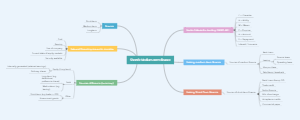
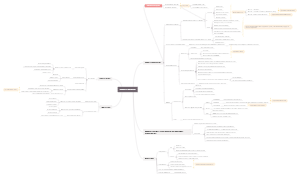
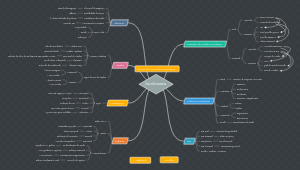
Banking Theory and Practice Mind Map Template — a professional visualization tool specially designed for banking practitioners, finance students and financial industry trainers. This mind map template helps learners systematically sort out the complete knowledge system of banking business, covering 10 core modules including banking overview, credit creation, legal norms, account opening, loan business, customer management, banking technology, etc. The template integrates key knowledge such as commercial bank business, monetary policy, credit risk, legal compliance, account operation, loan process, customer service and banking technology, forming a comprehensive banking theory and practice knowledge framework. It is suitable for banking training, student learning, financial industry research and industry report, supporting knowledge sorting, training courseware production, exam review and industry analysis. Through structured hierarchical charts, it clearly visualizes the core concepts and business processes of banking, enabling learners to achieve systematic mastery from basic theory to practical operation. Common application scenarios include banking training courseware, student review mind map, financial industry research sorting, industry analysis report and teaching result display. With EdrawMind's powerful chart drawing and visualization functions, users can quickly customize module structure, color schemes and content hierarchy, so as to generate professional-level banking knowledge mind maps, improve training efficiency and enhance learning effect.
Edited at 2026-04-05 12:46:23Topic 1 Banking Theory and Practice
Module 1: Introduction to Banking & Commercial Banks
Definition
A financial institution
Licensed and Regulated by the Country’s Central Bank.
Serves as Intermediaries Between Savers and Borrowers
Accepts Deposits from People and Businesses
Lends Money
Offers Various Financial Products and Services
Accounts
Credit Facilities
Loans
Advances
Payment Services
Foreign Exchange
Investment Services
Isloamic Banking
Plays a Crucial Role in Economic Development and Financial Stability of the UAE.
Core Functions
Accepting Deposits from Public
Using These Funds to Provide
Loans
Cresit Facilities
Definition of a Bank
Legal Structure
Public Joint Stock Company (PJSC)
Ensures
Transparency
Accountability
Regulatory Compliance
Obtain Licences from CBUAE
Comply with Strict Regulatory Requirements
Capital Adequacy
Governance
Consumer Protection
Public Trust
Central Bank
Independent Federal Public Institution
Responsibilities
Issuing and Managing
Currency
Monetory Policy
Formulates and implements the Dirham Monetary Framework
To Maintain Currency Stability
Banking Regulations
Insurance Supervision
Manage Liquidity in the Banking System
Monetary and Reserve Committee.
Banking Supervision
Licencing
Supervison
Issuance of
Regulations
Circulars
Guidelines
Consumer Protection
Establishes Comprehensive Regulations
Disclosure Requirements
Fair Treatment
Responsible Lending
Debt Counselling
Financial Inclusion
Complaint Mechanisms
Financial Infrastructure
Develops and Oversees
Overseas Payment Systems
UAE Funds Transfer Systems (UAE FTS)
Clearing Systems (ICCS)
Foreign Reserves
To Support
Monetary Stability
International Transactions
Regulatory Focus
Stability
Consumer Protection
Innovation
Customer
Definition
Individuals or Entities Who Have a Contractual Relationship with a bank.
Maintain an Account
Use Financial services
Products
Services
Types
Legal Structure
Natural Persons
Juridical Persons
Legal Entities Separate from Owners
Limited Liability Company (LLC)
Joint Liability Company
Public Joint Stock Company (PJSC)
Relationship
Depositors
Borrowers
Customer Segments
Reasons
Tailored Products and Services
Risk Management
Pricing and Profitability
Efficient Resource Allocation
Relationship Managers
Support Teams
Ensuring High-Value Clients Receive Specialised Attention
Regulatory Compliance
Marketing and Customer Experience
Retail Consumer Banking
Small and Medium Enterprises
Corporate Customers
Private Banking
Critical Role of Banking in Economy
Mobilise Savings
Channel Funds to Productive Sectors
Facilitate Pyments, Settlements and Economic Transactions
Support Economic Growth Through Credit Creation
Enhance Financial Inclusion and Access to Services
Contribute to Monetary Stability and Policy Implementation
Types of Banks & FI in UAE
Commercial Banks
Islamic Banks
Investment banks
Foreign Banks
Non-Banking Financial Institutions
Core Funcrions Commercisl Banks
Primary
Accepting Deposits
Giving Loans
Secondary
Funds Transfers
Cheque Collection
Bills Payment
Safe Deposit Lockers
Specialised
Foreign Exchange
Trade Finance
Portfolio Management & Investment Services
UAE Banking Sector Structure and Regulation
Main Regulator for Banking
UAE Central Bank
Independent Regulators for Free Zones
DIFC
ADGM
Module 2: Credit Creation and Monetary Framework
What is 'Credit Creation'?
The process by Which Commercial Banks Expand the Total Money Supply in the Economy by Providing More Loans Than the Actual Cash Reserves They Hold.
Uses
Transforms Idle money from Depositors into Active Loans
Key Mechanism to Contribute to Economic Growth and Liquidityin the Financial System
The extent of credit creation depends on the reserve ratio set by regulatory authorities
Credit Creation Process
Module 3: Legal Relationships in Banking
UAE Legal Framework for Banking
Legal framework ensures consumer protection and financial stability
Federal Laws
CB Law
Commercial Companies Law
Commercial Transactions Law
Civil Code
CB Regulations
Consumer Protection
Payment Services and Card Schemes Regulation
Operational Risk Regulation
Banks must comply with both federal and local regulations
DIFC and ADGM have separate legal systems for their zones
Natural Person and Juridical Person
Debtor-Creditor & Creditor-Lender Relationship
Principal-Agent Relationship
Bailor-Bailee and Lessor-Lessee Relationships
Rights and Duties in Banking Relationships
Dispute resolution through negotiation, mediation, or courts
Duties
Confidentiality and data protection
Banks must act with due care, skill, and diligence
Regulatory reporting and compliance duties
Customers must provide accurate information and comply with terms
Rights
Right to set-off and lien in certain circumstances
Module 4: Account Opening Procedures
Types of Accounts
Current
Savings
Term Deposit
Call Deposit
Recurring Deposit Accounts
Foreign Currency Accounts
Considerations for Opening Bank Accounts in the UAE
Legal Capacity
Not a Minor, Should be Mentally and Financially Sound
Identification and Documentation
Transparency & Disclosure
Know Your Customer (KYC) & Customer Due Diligence (CDD
Anti-Money Laundering (AML) Compliance
Must not be in any blacklist
Special Considerations
Special Accounts
Minor Accounts
Joint Accounts
Care to be taken about Mandates and Signing Instructions
Illiterate Customers
Non-Resident Accounts
Additional Documentation
Guardian's Documents for Minor Accounts
KYC Requirements and Documentation
Identity and Respectability Assessment
Corporate Accounts
Legal Documents
MOA
Trade Licence
Board Resolution
Assessmenrt of Ownweship or Control
Verification of authorized signatories
Ongoing monitoring of changes in ownership or control
Identification of Beneficial Owners
Record-keeping of all supporting documents
Compliance with anti-money laundering (AML) regulations
Account Opening Documentation and Compliance
IBAN Numbers
A 23-digit standardized code that uniquely identifies UAE bank accounts for domestic and international electronic payments, following ISO 13616 international standards
Structure
AE (country code) + 2 check digits + 3-digit bank code + 16-digit account number, totalling 23 characters starting with "AE
Benefits
Reduces transaction errors
Speeds up processing
Enables automatic payment validation
facilitates seamless transfers between
UAE banks
International IBAN-participating countries.
Module 5: Account Closure Procedures
Customer-Initiated Closure
Customer submits written request or closure
All dues, loans, and charges must be settled before closure
Withdrawal or transfer of remaining balance
Closure confirmation provided to customer
Account deactivation in bank’s system
Bank-Initiated Closure
Reasons
Regulatory
Operational
Inactivity
Non-compliance with KYC
Suspicious Activity
Central bank Approval for Closure
Notice to customer
Per bank's policy
Settlement of customer's outstanding obligations
Return of customer's funds
After bank's deductions
Document the reasons for closure
Account closure
Unsatisfactory Conduct and Legal Requirements
Reasons
Misuse
Fraud
Breach of Terms
Reporting of suspicious activity to authorities (if required)
Legal requirements for notice periods and documentation
Retention of records for minimum statutory period (5 years) after closure
Module 6: Negotiable Instruments
Definition
Written documents containing either
Unconditional order to pay
Bill of Echange/Draft
Cheque
Unconditional promise to pay
Promissory Note
Subtopic
Transferable by delivery or endorsement
Uses
Used for settlement of
Debts
Commercial transactions
Key Features and Parties
Endorsement
Transfer of ownership of a cheque by signing on back to transfer rights
Good title
Endorsee obtains legal ownership
Right to sue
Holder can enforce payment in court
Parties
Drawer
Person giving the order to Pay
Cheques
Account holder
Bill of Exchange/Draft
Seller
Lender
In international trade
Drawer
Person who will pay
Cheque
Bank
Bill of Exchange/Draft
Buyer
Borrower
Payee
The person who will receive the payment
Could be either
Drawer
Any other person
Endorser
The person changing the person who would receive payment
Payee
Previous endorsee
Endorsee
New person nominated to receive payment, by either
Payee
Previous endorsee
Types and Legal Framework
Types of cheques
Bearer Cheque
Instruments payable to whoever holds them
. Order Cheque
Subtopic
Instruments payable on proper identification to
Payee (if there is no endorsement)
Last endorsee (if there are endorsements)
Goverened by
UAE Commercial Transactions Law
CBUAE regulations
Module 7: Cheque Operations
Types of Cheques
Bearer Cheque
Order Cheque
Crossed Cheque
Open cheque
Drawee bank can pay cash against the cheque
Crossed Cheque
Cash payment prohibited
Can only be deposited in account
Crossings
Types
General Crossing
Two parallel lines across top left hand corner, no specific bank named
Special Crossing
Specific bank named between the two parallel lines
Advantages
Enhances security and traceability
Endorsement Types and Procedures
Legal Framework
UAE Commercial Transactions Law permits cheque endorsement under Article 639
Types
Special endorsement
Specifies the endorsee (legally valid)
Blank endorsement
Signature only, no endorsee named (legally valid)
Restrictive endorsement
Limits further negotiation by the word only after the name of the endorsee (legally valid)
Current Banking Practice
UAE banks generally do not allow customer endorsement despite legal validity
Endorsement is restricted to inter-bank clearing processes for risk management where special crossing of the presenting bank is put on all cheques sent in Outward Clearing
Cheque Payment - Precautionary Measures
Verify date, amount, and signature before accepting cheque
Identity Verification
Banks require valid ID (Emirates ID/Passport) and only pay to named payee, even for bearer cheques
No endorsements
Validity of date
Not
Undated
Post dated
Dated in a format not acceptable in the UAE (MM-DD-YY)
Impossible Date
Verify date, amount, and signature before accepting chequebtopic
Amount in words and figures matches
Not mutilated
No stop payment against the cheque
Account has sufficient funds
banks now provide partial payment if insufficient funds
Module 8: Cheque Dishonour
Reasons for Cheque Dishonour
Insufficient funds in account
Signature mismatch or irregularity
Undated. Stale or post-dated or wrong dated
Alteration or mutilation
Amount in words and figures differs
Stop payment instructions from drawer
Legal restrictions or court orders
Legal Implications and Remedies
Civil Execution: (Since January 2022)
Bounced cheques due to insufficient funds are treated as "executive instruments"
Allowing direct enforcement through execution courts without prior judgment
Criminal Penalties (Limited Scope)
For
Fraud
Bad faith
Forgery
Deliberate prevention of payment
Under Articles 675-676 of Federal Decree-Law No. 50/2022
Partial payment rights
Mandatory partial payment system
Allows recovery of available funds
Banks must pay partial amounts unless payee refuses.
Administrative Fines
Non-criminal violations subject to fines ranging from 10% of cheque value (minimum AED 5,000) to double the cheque value.
Limitation Periods
6 months for bounced cheque civil claims
5 years for criminal cases from date of cheque receipt
Alternative Dispute Resolution
For commercial disputes.
Arbitration through DIAC/arbitrateAD
Mediation through DIFC/Dubai Chamber available
Civil Execution Procedures for Bounced Cheques
Direct Court Access
Payee can approach execution judge directly with bounced cheque stamped by bank as "insufficient funds."
Executive Instrument Status
‘Article 635 bis’ treats bounced cheques as enforceable instruments requiring no prior court judgment
Documentation Required
Original bounced cheque
Bank return memo
Payee identification
Enforcement Measures
Freeze on Assets
Property seizure
Travel bans
Attachment of bank accounts
Payment Deadline
Execution judge typically orders payment within 15 days before enforcement actions
Streamlined Process
Eliminates need for
Police reports
Criminal complaints
Lengthy Litigation Procedures
Partial Payment Framework and Procedures
Mandatory obligation
Multiple Payment Requests
Until
Recovery of full cheque value
Cheque becomes stale
Minimum Amount:
Payment must be more than 5% of original cheque amount
Certificate and Documentation
Bank issues partial payment certificate and returns original cheque with endorsement of partial payment.
Executive Rights
Remaining unpaid amount can be pursued through execution court as executive instrument
No Fees
Partial Payment service is free
Customer Stop Payment and Bank Liability
Current rules applicable since January 2, 2022
Limited Circumstances Only
Theft
Loss
Bankruptcy declaration under UAE Commercial Transactions Law.
Documentation Required:
Police report (for theft/loss),
Bankruptcy declaration
valid identification
completed stop payment form
Full indemnification to bank
Bank Response
Banks must refuse stop payment requests for
Insufficient funds
Commercial disputes
Any reasons other than the two permitted circumstances.
Customer Liability
Customer bears full civil and criminal responsibility for consequences of stop payment order and must indemnify bank against any losses.
Processing Timeline
Banks must act promptly on valid requests
Stop payment typically valid for 6 months from cheque date
Fees and Confirmation
Banks
Charge stop payment fees (AED 25-50)
Provide written confirmation of accepted requests with clear documentation requirements
Module 9: Clearing
Introduction
Clearing is the electronic process by which
Customers who deposit cheques in their account that are drawn on other banks receive funds against those cheques from the drawer's account maintained with the drawee bank.
The bank where a cheque is deposited is called the 'Collecting Bank’
Outward Clearing
Cheques issued by own customers that are deposited in other banks are paid from drawer's accounts
The bank where the drawer's account is maintained is called the 'Paying Bank' or 'Drawee Bank’.
Inward clearing
For the Collecting Bank, the process is called 'Outward Clearing'
If any cheques presented for payment are returned unpaid, they are called 'Inward Returns’.
For the Paying/Drawee Bank, the process is called 'Inward Clearing
If any cheques received for payment are returned unpaid, they are called 'Outward Returns'.
The process takes place through the Central Bank of the UAE (CBUAE) Image Cheque Clearing System (ICCS),
Enables same-day clearing for cheques deposited before 10:00 AM.
Original instruments are not sent to the Drawee Bank
Original cheques stay in the bank where they are deposited - Cheque Truncation
Their scanned images and electronic data are used through the (ICCS)
Fully paperless process
All banks act as both Collecting Banks and Paying/Drawee Bank at the same time
Collecting bank for cheques drawn on other banks deposited by own customers
Paying/Drawee bank for cheques issued by own customers that are received in Inward Clearing
Image-Based Clearing and Cheque Truncation
Electronic clearing process using scanned images
Advantages
Faster processing and reduced risk of loss or theft
Enhanced security and audit trails
Ongoing upgrades to clearing infrastructure
Compliance with CBUAE standards and regulations
Customer education on digital clearing processes
CBUAE Clearing House
The Clearing Process
At Collecting bank
Cheque Deposit (Before 10:00 AM)
Image Capture and Scanning
Captures MICR data, creating electronic images for transmission
Transmission to CBUAE
Collecting Bank sends cheque images and data to CBUAE clearing house through secure electronic channels
Central Bank
Collates electronic cheque images received from all collecting banks according to the drawee bank
Forwards them to each Drawee/Paying Bank for verification and payment decision
At Drawee/Paying Bank
Verification
Signature verification
Checking of account balance
Decision
Decision to honour or return cheque
Approval
Funds are debited from drawer's account
Return
Settlement
Through CBUAE systems by 5:00 PM same day
Balancing of Clearing
Net Position Calculation
Each bank calculates its net clearing position by comparing total outward clearing (cheques sent) versus inward clearing (cheques received).
The formula used is: Net money coming in - Net money going out (Outward Clearing – Inward Returns) – (Inward Clearing - Outward Returns)
Multilateral Netting
CBUAE system automatically calculates net obligations between all participating banks to minimize actual fund transfers.
Clearing Session Summary
Banks receive detailed reports showing individual cheque items, totals, and net settlement amounts for each clearing session.
Internal Balancing of Clearing
Internal Reconciliation
Banks must reconcile their internal clearing accounts with CBUAE clearing summaries to ensure accuracy.
Exception Handling
Any discrepancies between bank records and CBUAE data must be investigated and resolved before settlement.
Daily Balancing
Complete reconciliation of all clearing transactions must be completed before the daily settlement cut-off time.
Paying and Collecting Bank Responsibilities
Paying bank
Responsibility: verifying cheque validity and funds
Collecting bank
Acts on behalf of payee to collect funds
Both banks must exercise due diligence and care
Liability for negligence or failure to follow procedures
Record-keeping of all transactions and communications
Cooperation with regulatory investigations
Module 10: Banking Technology and Operations
Digital Banking Platforms and Services
ATM Operations and Card Management
Electronic Payment Systems
Mobile and Online Banking Services
Cybersecurity and Customer Protection
Emerging Technologies in Banking