Wondershare EdrawMind
MindMap Gallery law student’s first year survival guide
law student’s first year survival guide
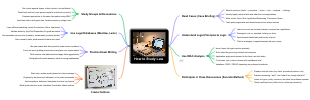
Navigating the first year of law school can be daunting, but with the right strategies, you can thrive. This survival guide covers essential core courses, including Contracts, Torts, Criminal Law, and Constitutional Law, highlighting key concepts and frameworks. It also offers tips on mastering the Socratic Method, reading efficiently, and effectively briefing cases. Learn how to create structured outlines and excel in exam writing using the IRAC method. Additionally, find strategies for time management and stress relief, and discover the benefits of study groups and office hours. Equip yourself with the tools you need for a successful law school journey!
Edited at 2026-04-23 03:29:46
- non-disclosure agreement (NDA) tips
Unlock the essentials of Non-Disclosure Agreements (NDAs) with our comprehensive tips! This guide covers critical aspects to ensure your confidential information remains protected. Start by defining what constitutes confidential information, including categories and exclusions. Understand the roles of the disclosing and receiving parties, alongside their obligations, such as use and access limitations. Learn about the NDA's term, permitted disclosures, and what to do with materials upon termination. Explore ownership rights and remedies for breaches, and decide between mutual and one-way agreements. Finally, grasp the importance of governing law and jurisdiction. Safeguard your sensitive information effectively!
- how to become a lawyer
Are you aspiring to become a lawyer? The journey begins with understanding the educational requirements, starting with earning a bachelor's degree while building essential skills like writing and critical thinking. Prepare for the LSAT with a solid study plan and utilize various prep resources. When applying to law schools, research programs thoroughly and prepare strong application materials. Once in law school, focus on core courses and practical experiences through internships and clinics. Afterward, navigate the character and fitness review, followed by the bar exam to obtain your license. Finally, commit to ongoing education and choose your specialization to shape your legal career.
- how to get a law degree
Are you considering a career in law? Here's a concise guide on how to obtain a law degree. Start with a pre-law undergraduate education by choosing any major that emphasizes a strong GPA, while honing critical skills such as reading, writing, and debate. Next, explore different types of law degrees, including LLB, JD, and LLM, to find the best fit for your career goals. The law school application process involves selecting target schools, preparing standardized tests, and crafting a compelling application. Once admitted, coursework will cover foundational subjects, and practical experience through clinics and externships is essential. Finally, prepare for degree certification and navigate the licensing steps to embark on your legal career.
law student’s first year survival guide
- non-disclosure agreement (NDA) tips
Unlock the essentials of Non-Disclosure Agreements (NDAs) with our comprehensive tips! This guide covers critical aspects to ensure your confidential information remains protected. Start by defining what constitutes confidential information, including categories and exclusions. Understand the roles of the disclosing and receiving parties, alongside their obligations, such as use and access limitations. Learn about the NDA's term, permitted disclosures, and what to do with materials upon termination. Explore ownership rights and remedies for breaches, and decide between mutual and one-way agreements. Finally, grasp the importance of governing law and jurisdiction. Safeguard your sensitive information effectively!
- how to become a lawyer
Are you aspiring to become a lawyer? The journey begins with understanding the educational requirements, starting with earning a bachelor's degree while building essential skills like writing and critical thinking. Prepare for the LSAT with a solid study plan and utilize various prep resources. When applying to law schools, research programs thoroughly and prepare strong application materials. Once in law school, focus on core courses and practical experiences through internships and clinics. Afterward, navigate the character and fitness review, followed by the bar exam to obtain your license. Finally, commit to ongoing education and choose your specialization to shape your legal career.
- how to get a law degree
Are you considering a career in law? Here's a concise guide on how to obtain a law degree. Start with a pre-law undergraduate education by choosing any major that emphasizes a strong GPA, while honing critical skills such as reading, writing, and debate. Next, explore different types of law degrees, including LLB, JD, and LLM, to find the best fit for your career goals. The law school application process involves selecting target schools, preparing standardized tests, and crafting a compelling application. Once admitted, coursework will cover foundational subjects, and practical experience through clinics and externships is essential. Finally, prepare for degree certification and navigate the licensing steps to embark on your legal career.
- Recommended to you
- Outline