MindMap Gallery fixed assets
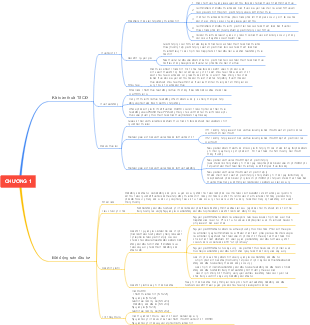
This is a mind map about fixed assets, including the confirmation of fixed assets, Initial measurement of fixed assets, Subsequent measurement of fixed assets, etc.
Edited at 2024-01-19 00:27:31This is a mind map about bacteria, and its main contents include: overview, morphology, types, structure, reproduction, distribution, application, and expansion. The summary is comprehensive and meticulous, suitable as review materials.

This is a mind map about plant asexual reproduction, and its main contents include: concept, spore reproduction, vegetative reproduction, tissue culture, and buds. The summary is comprehensive and meticulous, suitable as review materials.
This is a mind map about the reproductive development of animals, and its main contents include: insects, frogs, birds, sexual reproduction, and asexual reproduction. The summary is comprehensive and meticulous, suitable as review materials.
This is a mind map about bacteria, and its main contents include: overview, morphology, types, structure, reproduction, distribution, application, and expansion. The summary is comprehensive and meticulous, suitable as review materials.
This is a mind map about plant asexual reproduction, and its main contents include: concept, spore reproduction, vegetative reproduction, tissue culture, and buds. The summary is comprehensive and meticulous, suitable as review materials.
This is a mind map about the reproductive development of animals, and its main contents include: insects, frogs, birds, sexual reproduction, and asexual reproduction. The summary is comprehensive and meticulous, suitable as review materials.
fixed assets
Confirmation of fixed assets
definition
1. Held for the purpose of producing goods, providing services, leasing or operating and managing
2. Useful life exceeds one fiscal year
Confirm conditions
1. Meet the definition of fixed assets
2. The economic benefits related to the fixed asset are likely to flow into the enterprise
3. The cost of the fixed asset can be measured reliably
Initial measurement of fixed assets
Purchased fixed assets
No installation required
Requires installation
Self-constructed fixed assets
Self-operated
outsourcing
Fixed assets acquired by other means
Investor input
Non-monetary asset exchange
debt reorganization
Fixed assets with disposal costs
Subsequent measurement of fixed assets
depreciation
Influencing factors
1. Original price of fixed assets, 2. Service life of fixed assets, 3. Estimated net residual value, 4. Provision for impairment of fixed assets
scope
Fixed assets without depreciation
1. Fixed assets that continue to be used after full depreciation.
2. Land that is valued and recorded separately.
3. Fixed assets that are out of use during the renovation process.
4. Fixed assets that are scrapped in advance.
Special circumstances for depreciation calculation
1. Unused and unused fixed assets are depreciated as usual.
2. Fixed assets that are out of service seasonally or for major repairs will continue to be depreciated.
Depreciation time
If there is an increase in the current month, it will be accrued in the next month; if there is a decrease in the current month, it will be accrued in the current month.
method
Year average method (straight line method)
Annual depreciation = (original price - estimated net residual value) ÷ estimated useful life Monthly depreciation rate = annual depreciation rate ÷12 Monthly depreciation amount = original price of fixed assets × monthly depreciation rate
workload method
Depreciation amount per unit workload = [Original price of fixed assets × (1-Estimated net residual value rate)] ÷ Estimated total workload The monthly depreciation amount of a certain fixed asset = the monthly workload of the fixed asset × the depreciation amount per unit workload
double declining balance method
Annual depreciation rate = 2/estimated useful life × 100% Annual depreciation = net book value of fixed assets × annual depreciation rate [Tip: The last two years need to be changed to the average annual method]
sum of years digits method
Annual depreciation rate = remaining useful years/sum of expected useful life years Depreciation amount = (original value - estimated net residual value) × annual depreciation rate
Accounting
Follow-up expenses
capitalized expenditure
Finally included in the asset cost
Expenditure
Final expenses included
Disposal of fixed assets