MindMap Gallery Drugs
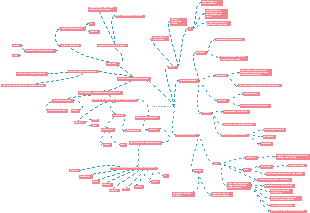
This is a picture about drugs, encompassing a broad spectrum of substances used for medicinal, recreational, and illicit purposes. This mind map categorizes drugs into various classes, such as stimulants, depressants, hallucinogens, and narcotics, highlighting their effects, uses, and potential risks.
Edited at 2024-09-26 14:57:33Central Topic
Main Topic 1
Main Topic 2
Subtopic 1
Autonomic Nervous System (ANS)
Definition: it is the part of the peripheral nervous system (PNS) that controls the involuntary functions of the body e.g. cardiac contractility.
General features of ANS:
The autonomic nervous system includes two types of fibers:
Afferent fibers: which carry sensations from viscera to the C.N.S. This system is widely distributed.
Efferent fibers: which emerges from the C.N.S. to reach visceral organs and the smooth muscle.
It is a double efferent neuron system
i.e. - The A.N.S reaches its target organs via two autonomic neurons.
Preganglionic neuron: arises from CNS and terminates on autonomic ganglia. (See practical part).
Postganglionic neuron: starts from autonomic ganglia and terminates on the effector organ.
It controls the involuntary
activities inside the body e.g. heart, smooth muscles and some glandular secretion.
It is divided into two big systems:
Sympathetic nervous system (thoraco-lumber outflow):
arises from:
the lateral horn cells of all thoracic segments of the spinal cord.
the lateral horn cells of upper 3 lumber segments of the spinal cord.
Functions of Sympathetic Nervous System
To structures of the head and neck:
Eyes
Mydriases: dilatation of the pupil due to contraction of the dilator pupillae muscle.
Exophthalmos:forward protrusion of the eye ball due to contraction of Muller's muscle.
Widening of the palpebral fissure due to contraction of tarsal muscles.
Relaxation of ciliary muscle →make the lens flat to accommodation for vision.
Glands
Lacrimal gland: releasing little or no secretion.
Salivary glands:
Release of trophic salivary secretions i.e. little, viscid and concentrated.
Vasoconstriction (VC) of their blood vessels.
Skin
Increasing sweat secretion.
Erection of hair.
VC of its blood vessels.
Cerebral blood vessels: VC of cerebral blood vessels.
However, blood flow is not decreasing due to rise in arterial blood pressure
To thoracic organs (heart and lungs):
Heart
Stimulates all properties of the cardiac muscles (excitability, rhythmicity, conductivity and contractility).
Vasodilatation of coronary blood vessels (indirect dominant effect).
Lungs
it causes widening of the air passages and better ventilation through:
Bronchodilatation
Inhibition of bronchial secretion.
Vasoconstriction of bronchial blood vessels.
To abdominal viscera:
Sympathetic stimulation leads to relaxation of the gastrointestinal tract (GIT) wall and contraction of its sphincters with subsequent delayed food evacuation.
It inhibits gastrointestinal digestive secretions.
Sympathetic effects on GIT blood vessels are determined by the type of the blood vessels but generally, it has vasoconstrictor effects.
It leads to evacuation of the spleen stored blood by contraction of its capsule.
On liver: sympathetic stimulates both glycogenolysis and lipolysis. So, it increases blood glucose and fatty acid levels. Also, it stimulates fibrinogen formation from the liver.
It inhibits insulin secretion from pancreas.
Sympathetic innervation to suprarenal medulla stimulates its secretions from adrenaline and noradrenaline that potentiates sympathetic systemic effects.
It has vasoconstrictor effect on renal blood vessels with decreasing urine output.
To pelvic organs
Relaxation of urinary bladder and rectal walls with contraction of the internal urethral and anal sphincters leading to retention of urine and stool, respectively.
Vasoconstriction of pelvic blood vessels
Contraction of smooth muscles of epididymis, vas and prostate leading to ejaculation in male.
Vasoconstriction of the external genital blood vessels (penis in male and clitoris in female) leading to their shrinkage. 31
Skin
Vasoconstriction of the skin blood vessels.
Increasing sweat secretions.
Erection of hair.
Vasodilation of skeletal muscle blood vessels
leads to Orbelli’s phenomenon i.e. better contraction, delayed onset of fatigue and early recovery after fatigue
Massive sympathetic stimulation (alarm response) prepares the body to face emergency with better performance.
Parasympathetic nervous system (cranio-sacral outflow):
Arises from
Motor nuclei of some cranial nerves (Ш, VII, IX and X)
lateral horn cells of second, third and fourth sacral segments of the spinal cord
Functions of Parasympathetic Nervous System
Function of cranial parts:
Oculomotor nerve (III):
constriction of the pupil (miosis)
contraction in the ciliary muscle → make lens more convex to accommodate near vision.
Facial nerve (VII):
Vasodilation of blood vessels of salivary gland, lacrimal gland and tongue.
Release of true salivary secretion i.e. large in volume and diluted from submaxillary and sublingual glands.
Glossopharyngeal nerve (IX):
vasodilation of the parotid blood vessels with releasing true salivary secretion.
Vagus nerve (X):
To the heart:
Parasympathetic inhibits all properties of cardiac muscles. So, it decreases heart rate and force of cardiac contractility.
It has vasoconstrictor effect on the coronary blood vessels (indirect dominant effect).
To the lung:
contraction of bronchial smooth muscle
increasing mucous bronchial secretions
vasodilation of the bronchial blood vessels.
These effects collectively lead to narrowing of the bronchial lumen.
To the GIT
Contraction of wall and relaxation of sphincters of esophagus, stomach, small intestine and proximal part of large intestine.
Stimulates gastric, liver and pancreatic secretion.
Evacuates gallbladder by contraction of its wall and relaxation of its sphincter
Function of sacral division:
Defecation due to contraction of the wall of the rectum and relaxation of the internal anal sphincter.
Micturition due to contraction of the wall of the urinary bladder and relaxation of the internal urethral sphincter
Erection by vasodilatation of blood vessel of the erectile tissue of the penis in male and clitoris in female.
Chemical Transmitters of Autonomic Nervous System
There are many types of chemical transmitters such as acetylcholine, adrenaline, and noradrenaline.
Acetylcholine (ACh)
Synthesis and storage of ACh:
Acetylcholine is synthesized in the cytoplasm of the cholinergic nerve fibers.
It is stored in small membrane-bound vesicles inside the synaptic terminal.
Release of ACh:
Arrival of the nerve impulse to the nerve terminal which stores ACh leads to opening of Ca2+ channels and Ca2+ influx occurs which destabilizes the stored vesicles causing them to fuse with the membrane and then released by exocytosis.
Ach crosses the synaptic cleft to bind with its specific receptors on the postsynaptic membrane producing its action.
Sites at which Ach is released:
CNS
All the autonomic ganglia i.e. all the preganglionic nerve endings.
Suprarenal medulla i.e. a modified sympathetic ganglion.
Motor end plate i.e. junction between somatic nerve and muscle fibers.
Postganglionic parasympathetic nerve fibers.
Some sympathetic postganglionic nerve endings to eccrine sweat glands and blood vessels of skeletal muscle.
Cholinergic receptors:
Nicotinic receptors:
It is called nicotinic because small dose of nicotine can produce the same effects of acetylcholine at certain sites which include:
CNS
All the autonomic ganglia.
The motor end plates.
The suprarenal medulla.
The nicotinic actions of Ach at these sites are blocked by large doses of nicotine.
Nicotinic actions are generally quick but of short duration. Either (nerve to nerve, Nn) at nerve endings or (nerve to muscle, Nm) at motor end plate, both are activated by Ach leading to Na+ influx.
Muscarinic receptors:
It is called muscarinic because the drug muscarine can produce all the actions of ACh at certain site which include:
All the postganglionic parasympathetic nerve fibers
At some postganglionic sympathetic cholinergic nerve fibers to sweat glands and skeletal muscles.
Atropine blocks muscarinic actions of acetylcholine.
Muscarinic actions are slow but of long duration
Inactivation of ACh:
ACh is rapidly hydrolyzed within few seconds into choline base and acetate by the help of cholinesterase enzyme
Diffusion from site of release to the blood or to another site.
Re-uptake by the synaptic vesicles.
Catecholamines
Synthesis: it starts at the cytoplasm of the terminal part of the nerve fiber from the amino acid tyrosine and phenylalanine and is completed inside the synaptic vesicles.
Sites of release of catecholamines:
At all adrenergic nerve fibers (noradrenaline 80%, adrenaline 20%).
At the chromaffin cells of the suprarenal medulla (adrenaline 80%, noradrenaline 20%).
Release of catecholamines:
By exocytosis i.e. fusion of granules with the membrane by the help of Ca2+
In the suprarenal medulla release of catecholamine is mediated by the action of Ach which is released due to stimulation of the preganglionic sympathetic fibers of the splanchnic nerve.
Inactivation of catecholamines:
Active re-uptake (about 85%): this uptake may be :
neural into neural cytoplasm
Or granular into storage vesicles
Or non-neural into glial cells and muscles
Methylation by catechol ortho-methyl transferase (COMT) which is found in liver and kidney (not in the nerve endings).
Oxidation by mono-aminooxidase enzyme (MAO) that is mitochondrial enzyme widely distributed in liver, kidney, gut and in the noradrenergic neurons.
Small amounts are excreted in urine.
Adrenergic receptors:
Alpha-1:
Site: in the postsynaptic membrane.
Response
VC of blood vessels.
Contraction of the plain muscles of the sphincters of the GIT.
Cardiac acceleration.
Contraction of the smooth muscles of the vas deference and seminal vesicles.
Mydriasis
Alpha-2:
Sites and response:
In the presynaptic membrane: causes inhibition of further release of the chemical transmitter (negative feedback control).
In the postsynaptic membrane:
Platelets aggregation.
Inhibition of both lipolysis and insulin secretion.
In the brain, it has sympatholytic effects and decrease in the blood pressure.
Beta-1:
Sites: in the heart, adipose tissue and juxtaglomerular cells in kidney.
Response
Increase all the cardiac properties.
Increase in renin release.
Beta-2:
Sites: in the myocardium, uterus, lung and other sites.
Response
Increase cardiac contractility.
Coronary dilatation.
Relaxation of the bronchial, uterine and bladder smooth muscles.
Inhibition of platelets aggregation.
Stimulation of insulin secretion.
Stimulation of glycogenolysis in the liver.
Beta-3:
Sites: in adipose tissue and urinary bladder.
Response: lipolysis, thermogenesis, relaxation of the urinary bladder and prevention of urination.
The nerve that secretes acetylcholine is called a cholinergic nerve and the other that secretes adrenaline and noradrenaline is called an adrenergic nerve.
Likewise, the receptors, which are activated by acetylcholine are called cholinergic receptors and those activated by adrenaline and noradrenaline is called adrenergic receptors.
Autonomic drugs:
Cardiac properties
Excitability
Rhysmisity
Condutablity
Contactility
Classification According to action
منشطات للثيمبساوي
Sympathomimetics
Classification
According to the mechanism of action:
Direct-acting agonists:
e.g. norepinephrine (NE) and epinephrine.
Indirect-acting either by:
Release of stored catecholamines from the adrenergic nerve endings e.g. amphetamine.
Inhibit reuptake of catecholamines already released e.g. cocaine and tricyclic antidepressants "TCAs".
Both direct and indirect actions e.g. ephedrine.
According to their chemical structure:
Catecholamines
Non-catecholamines:
According to selectivity
Selective
Non selective
According to Synthesability
Endogenous
Endogenous Catecholamines
Epinephrine (Adrenaline)
Pharmacokinetics
Direct agonist acts on α1, α2, β1, β2, β3 adrenoceptors.
Epinephrine has a rapid onset but a brief duration of action (due to rapid degradation by MAO and COMT).
The preferred route is intramuscular route.
It may be given
subcutaneously
by inhalation
endotracheal tube
Pharmacological actions:
Local actions
Decongestion and hemostasis because of its intensive VC of skin and mucous membrane blood vessels. Delay absorption of local anesthetics and prolong their duration.
By inhalation → Bronchodilatation, so can be used in bronchial asthma.
Eye: decongestion [VC of conjunctival blood vessels], but no effect on pupil size, because it is destroyed by alkalinity of tears.
Note: In cases of supersensitive a-adrenoceptors [e.g. in thyrotoxicosis, diabetic ketoacidosis, and acute hemorrhagic pancreatitis], epinephrine causes mydriasis.
Since epinephrine causes VC of ciliary blood vessels with associated decrease in aqueous humor formation, thus can be used in treatment of open angle glaucoma.
Systemic actions:
Cardiovascular system (CVS) {β1 receptors}:
Heart: epinephrine increases all cardiac properties.
o Increases force of cardiac contraction (positive inotropic effect) & heart rate (positive chronotropic effect). Therefore, cardiac output (COP) increases. These effects increase oxygen demands of the myocardium. o Increases conduction velocity of the heart (positive dromotropic). o Increases automaticity.
Blood vessels
VC of skin and mucous membrane blood vessels and splanchnic area.
VD of skeletal muscle, and coronary blood vessels.
In the kidney, it stimulates renin release (an enzyme involved in the production of angiotensin II, a potent vasoconstrictor) through β1 stimulation.
Blood pressure:
↑ Systolic انقباضي blood pressure as a result of COP.
↓ Diastolic BP in therapeutic doses (β2 stimulation) and increases it in large doses (α1-receptor stimulation).
α1-adrenoceptor blockers reverse the hypertensive effect of epinephrine.
Respiration: bronchodilatation (β2) and decongestion (α1).
GIT: inhibits tone and motility (β2) and contracts sphincters (α1).
Urinary bladder: relaxes wall (β2) and contracts sphincter (α1)
Uterus: variable with species. It causes relaxation of the pregnant uterus.
Sweat glands: sweat secretion from apocrine sweat glands of the palm of the hand (non-thermoregulatory sweat).
Metabolic actions:
Hyperglycemia: due to enhanced liver glycogenolysis (β2)
Increased fatty acids concentration (β3).
Hypokalemia: potassium uptake by skeletal muscle cells.
Anti-allergic action: it is a physiologic antidote to histamine.
Other actions: anxiety, tremors and facilitates neuromuscular transmission.
Pharmacodynamics
Adrenergic receptors:
Norepinephrine (Noradrenaline)
Dopamine
Synthetic
Synthetic مصنعة Sympathomimetics
Direct-acting synthetic Sympathomimetics
Alpha1-selective agonists
Phenylephrine
Non-catecholamine (not inactivated by COMT →→ long duration)
Uses
Mydriatic
Decongestant
Treatment of hypotension
Methoxamine
like phenylephrine.
Midodrine
used in treatment of orthostatic hypotension.
Xylometazoline and oxymetazoline:
used as topical decongestants.
Beta agonists
Selective beta agonists
β1-Selective agonists Dobutamine
dobutamine
Catecholamine, directly acting sympathomimetic.
Has a major advantage over other sympathomimetic drugs (??)
Increasing contractility with minimal increase in hear rate.
Increases cardiac output and does not significantly elevates oxygen demands of the heart.
Dobutamine is given by IV infusion 2.5-10 ug/kg min.
Used in:
Acute heart failure
Cardiogenic shock
Adverse effects:
Tachycardia, palpitation, angina and arrhythmia
Hypertension
Nausea
Headache
Prenalterol
Like dobutamine but non-catecholamine and can be used orally.
Beta 2 selective agonists
Catecholamines beta 2 selective agonists
Isoetharine
Non-Catecholamines beta 2 selective agonists
Short acting nonCatecholamines beta 2 selective agonists
Sulbutamol and terbutaline
Ritodrine
Long acting nonCatecholamines beta 2 selective agonists
Formeterol
Salmeterol
Non-elective beta agonists
Non- selective β-agonists Isoproterenol (Isoprenaline)
Examples
Isoproterenol (Isoprenaline)
Characteristics
A catecholamine in its chemical structure.
Pharmacological actions:
CVS
Heart: stimulates β1→ increase all cardiac properties.
Blood vessels: VD of skeletal muscle and coronary BV (β2) → ↓↓ diastolic BP → reflex tachycardia.
BP: diastolic BP is decreased but the systolic BP may increase slightly.
Bronchi: bronchodilatation (β2).
Uterus: relaxation (β2).
Metabolic: hyperglycemia.
Therapeutic uses:
Bronchial asthma
Heart block.
Adverse effects:
Tachycardia, palpitation, and arrhythmia.
Angina and myocardial infarction.
Tremors
D1-selective agonists Fenoldopam
Adverse effects:
Headache and flushing.
Tachycardia
General characteristics
D1-receptor agonist causes VD of arterioles → ↓↓ TPR→ ↓↓ BP.
Its t1/2 is 5 min.
Used by IV infusion in hypertensive emergencies.
Mixed-acting sympathomimetics
Ephedrine
Pharmacokinetics
Absorption
It is absorbed orally and can be given parenterally.
Distribution
Distributed all over the body and passes BBB.
Metapolism
It is poor substrate to MAO and COMT, so it has long duration of action.
Excretion
Excreted in urine. Acidification of urine by ammonium chloride increases its excretion.
Pharmacological actions:
Ephedrine activates α1, β1 and β2-adrenoceptors.
Systemic actions
CNS
Stimulates cerebral cortex → insomnia, anxiety, tremors and convulsions.
In contrast, it causes sedation in attention deficit hyperkinetic children.
It stimulates medullary centers and vasomotor center and chemoreceptor trigger zone.
It stimulates spinal reflexes.
CVS
Heart: Stimulates all cardiac properties.
Blood vessels: ▪ VC of skin and mucous membrane Bl.Vs. → increases systolic & diastolic BP [α- blockers can abolish the hypertensive effect of ephedrine].
Bronchi: Bronchodilatation (β2), and VC of mucous membrane Bl.Vs.
GIT & urinary bladder: contraction of sphincters (α1) and relaxation of walls (β2).
Skeletal muscles: Stimulant more than epinephrine.
Local actions
Produces VC of blood vessels.
In the eye, it produces active mydriasis.
It is decongestant to nasal mucosa; however, it causes rebound congestion.
Therapeutic uses:
Analepticمنشط in toxicity with CNS depressants.
. Attention-Deficit Hyperkinetic Disorder (ADHD).
Attention-Deficit Hyperkinetic Disorder (ADHD).
For reversal of hypotension from spinal or epidural anaesthesia (by I.V ephedrine
Nocturnal enuresis
Myasthenia gravis (adjuvant with neostigmine).
Adverse effects:
CNS stimulation: insomnia, tremors, anxiety, convulsions and vomiting (CTZ).
CVS: tachycardia, palpitation, angina, arrhythmia, hypertension.
Urine retention (in old age with senile enlargement of prostate).
Tolerance and tachyphylaxis.
Indirect-acting Sympathomimetics
Drugs that release the stored catecholamine transmitters:
Amphetamine
Pharmacokinetics: Absorbed and excreted as ephedrine.
It stimulates cerebral cortex, reticular activating system, midbrain and spinal cord. – These effects are manifested as euphoria, increased mental activity, alertness and wakefulness.
Also it has analeptic and anti-fatigue actions.
It decreases appetite (anorexiogenic).
It produces sympathomimetic action like ephedrine with little effect on bronchi.
Tolerance: occurs to anorexiogenic and psychic effects.
Addiction (dependence): on prolonged use.
Therapeutic uses:
Narcolepsy
Obesity
Attention-deficit hyperkinetic disorder (ADHD)
Adverse effects:
CVS: Palpitations, hypertension, arrhythmias.
CNS
Anxiety, anorexia, insomnia, hallucination and convulsions.
Dependence
Psychosis and coma.
Contraindications
As epinephrine plus:
Insomnia
Prostatic enlargement.
With MAOIs.
Amphetamine derivatives
Methamphetamine
Phenmetrazine and diphenmetrazine
Methylphenidate
Modafinil
Fenfluramine and dexfenfluramine:
Anorexiogenic drugs acts on 5-HT receptors centrally.
In large doses can cause arrhythmia.
Tyramine
Endogenous
It is a normal byproduct of tyrosine metabolism in the body and is also found in high concentrations in some fermented foods (such as cheese), chicken liver, chocolate, and smoked fish.
It is inactivated by MAO in the liver and intestine when taken orally. If administered parenterally, it produces an indirect sympathomimetic action.
In patients treated with non-selective MAO inhibitors, effect of tyramine is exaggerated, leading to severe hypertension (cheese reaction).
Catecholamine reuptake inhibitors:
Atomoxetine
It is a selective inhibitor of the norepinephrine reuptake transporter.
It is used in the treatment of ADHD.
Cocaine
It is a local anesthetic with a peripheral sympathomimetic action due to inhibition of both neuronal uptake (uptake-1) of catecholamines and monoamineoxidase (MAO).
It penetrates CNS and produces amphetamine-like psychological effects.
According to action period
Long acting
Short acting
مثبطات للثيمبساوي
Sympatholytics
Sympathetic) (Depressants
/Sympathoplegic
Sympathetic depressants are drugs which decrease the activity of the sympathetic nervous system through one or more of the following mechanisms:
Centrally-acting sympathoplegic drugs:
These agents reduce sympathetic outflow from vasomotor center (VMC) in the brain stem.
Examples
α-Methyldopa
Mechanism of action:
Stimulation of central α2-adrenoceptors with subsequentتالى inhibition of sympathetic outflow.
Pharmacological action:
CNS
Marked sedation, which may progress to psychogenic depression.
Deficiency of dopamine →→ extrapyramidal symptoms.
CVS cardiovascular system
↓↓ sympathetic outflow →→ drop in the blood pressure and the heart rate.
GIT
Stimulation of presynaptic alpha2 on the cholinergic nerve terminals →→ inhibits acetylcholine (ACh) release →→ decreases GIT secretion & motility.
Therapeutic uses:
Adverse effects:
Adverse effects:
Type A adverse reactions:
Sedation & depression
Extrapyramidal symptoms
Hypotension, bradycardia & salt and water retention
Dry mouth & nasal stuffiness
Type B adverse reactions:
Interaction of the drug with the patient’s immune system with the formation of auto-antibodies which may cause hemolytic anemia, aplastic anemia, leucopenia, thrombocytopenic purpura, hepatitis, lupus-like syndrome.. etc.
Contraindicated in patients with:
Active liver disease.
Depression
Pheochromocytoma
ورم الغدة الكظرية (can precipitate يسببa hypertensive crisis)
Clonidine
Site and mechanism of action:
Central α2-adrenoceptor stimulation causes a decrease in sympathetic outflow.
Peripheral α2-adrenoceptors stimulation causes a reduction in release of NE from the adrenergic neurons.
Summation of both effects results in fall in blood pressure and heart rate.
Therapeutic uses:
Treatment of hypertension, especially if rapid effect is needed (hypertensive urgency).
Prophylaxis of migraine headache and postmenopausal flushing.
In alleviating opiate and alcohol withdrawal symptoms.
Adverse effects:
Sedation, dry mouth and constipation occur frequently.
Sudden withdrawal of clonidine is associated with rebound hypertensive overshoot due to sympathetic overactivity, thus, the drug should be stopped gradually.
Adrenergic neuron blocking agents:
These drugs prevent normal physiologic synthesis, storage or release of norepinephrine (NE) from postganglionic sympathetic neurons.
Adrenergic receptor blocking agents: α- and β-blockers.
Examples
Alpha-methyltyrosine (metyrosine)
Mechanism of action:
Metyrosine is a competitive inhibitor of tyrosine hydroxylase; the enzyme responsible for conversion of tyrosine into DOPA (the rate limiting step in biosynthesis of catecholamines).
The site of action of metyrosine includes; CNS, adrenal medulla and the peripheral adrenergic neurons.
Reserpine
Guanethidine
Alpha Adrenoceptor Antagonists
منشطات للباراثيمبساوي
Sympatholytics
مثبطات للباراثيمبساوي
Parasympatholytics
Subtopic 2