MindMap Gallery Plant Polyphenols
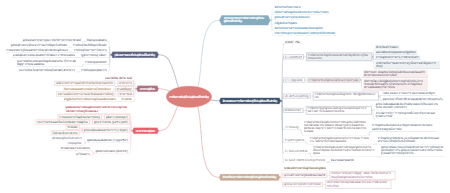
Polyphenols are secondary metabolites of plants and are generally involved in defense against ultraviolet radiation or aggression by pathogens. Pleiotropic health beneficial effects of dietary plant polyphenols: Polyphenols are naturally occurring compounds found largely in the fruits, vegetables, cereals and beverages.
Edited at 2021-05-12 23:11:24Plant polyphenols
Overview
Fundamental chemical properties
Precipitate with proteins
Easy to be oxidized: Give out the H atom to the oxidant
Chelate with metal
Weak acid: pka ~ 9
Physical properties
Absorb light at 280 nm wavelength
Solubility decreases with the length of the chain
Bioactivity & Bioavailability
Classification
High molecular weight
Lignin
Very big, complex structure; the number and arrangement of subunits depends on the plant genome, very disorgnized biosynthesis; Phenyl propanol derived; Methoxylation
Tannin
Hydrolyzable
Usually have glucose center with hydroxyl groups are partially or totally esterified with phenolic groups such as gallic acid, gallotannins or ellagic acid
Condensed
Flavanoid derived; Can polymerize into large molecule; Ex. Procyanidin B2 dimer found in Apples/ Procyanidin A2 dimer in cranberry
Galloylated catechins
Flavanoid ester with gallic acid; Rich in tea
Phlorotannin
Found in brown algea
Low molecular weight
Flavonoid
General structure: 2 phenyl rings + 1 heterocyclic ring with O embeded
Phenolic acid
Phenylpropanoid
Lignan
furan ring
Glucoside
Stillbene
Ex. Resveratrol in grape
C6-C1 acid
Gallic acid
Bioactivity assay & differentiate molecular, cellular, and organism-level models
examine the response of a whole animal, an isolated tissue / cell line or an organism, to a given extract (or drug, chemical or pollutant) in order to evaluate the bioactivity
Differentiate: molecular models - activity but not physiology; organism models- have physiological and biochemical differences while there are bioethical issues with human; cellular models - limit to HeLa cells
Describe activity-guided purification
2 main problems: Synergy and antagonism
Usually inspired by folk medicine
Stability, bioavailability, biotransformation, and pharmacokinetics
Stability
Chemical stability important for drug dev
Bioavailability
Is the compound absorbed ?
Bioavailability of tannin is poor
Biotransformation: Bioactivation and biodegradation
Pharmacokinetics
How fast the active compound can reach the target ?
Quality control & standardization
Research and industry have different analytical demands. We need to understand the mechanism and possible interferences/ limitations of each analytical methods to choose the suitable one.
Methods : 1. Functional groups - use selective reactivity - spectrophotometric like acid butanol assay. 2. Activity based - antioxidant bioassay
Plants have nonphenolic interferences: fiber, protein, polysaccharide - inhibit extraction and adsorp analytes; chlorophyll interferes with color and fluorescence, other oxidizable species interfere with the antioxidant qualitative methods
Some discussed papers
Developement of a cranberry standard for quantification of insoluable proanthocyanidins. The standard was made through 5 steps including breaking up the particles, get rid of polyphenols, separate off small polyphenols, find concentration by DMAC, and characterize the std with MADLDI - MS. The mass spec reflected the structural heterogeneity of PACS in cranberry fruits and agreed with the previous literature. The standard was then used to quantify soluable and insoluble proanthocyanidins.
Portable NIR can be used in placed of benchtop NIR for the analysis of catechins in green tea using GA-PLS variable selection method.
Metabolomic & Big Data
Get insights from a large amount of data with multi-parameter
Mostly discovery based; Can be targeted or non-targeted
Where the data coming from?
GC-MS, LC-MS, MS, NMR, etc
How to draw out the insights ?
Cleaning:Minimize noises
Fingerprint: Quantitative comparisons based on retention time/peak area
PCA is a common used technique: Form clusters based on principle components
Some discussed studies
phloretin glucuronide and phloretin sulfate are potential biomarker for apple intake as these 2 compounds present in higher intensities with apple consumption compared to control beverage. However, the results show unknown reliability and stability for both, which makes them less than a perfect bio food marker
Research question: What kind of polyphenols/stillbenoids are found in the stems of grapevines ? How much variation occurs in these compound amounts between different grape species.Experiment: They used 8 species of grape controlled for soil type, distance between crops, age, and microenvironment. The grapevine were pruned, left to develop stillbenoids, ground, and then extracted. Qualitative analysis were done by UPLC-MS. Data were analyzed by PCA and PLS-DA. Results: Data analysis showed low variance between same species of grapes. PLS-DA showed a separation of metabolites found in red and white graphes. The clusters and network correlated well with the species correlation

Biosynthesis
Tannins: from gallic acid and flavanoids; Starts with D-Erythrose - 4 - phosphate -> Shikimic acid -> Chorismic acid
Biomaterials
The concept of valorize, which means to enhance the price/value of a material. Besides, the concept of green chemistry, which means that we have to think about the whole life cycle of a compound
Have limitations: regulations about using waste, seasonality of production, cost of transportation or storage throughout the year, etc
Phenols, produced from petrochemicals by the cumene process, are used in many plastics and polymers. Polyphenols might have the potential to replace phenols in these products
Biogenesis/biosynthesis of polyphenols