MindMap Gallery C language data types and statement data types
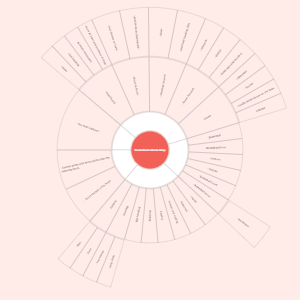
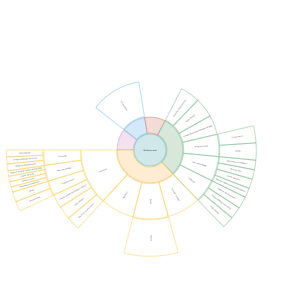
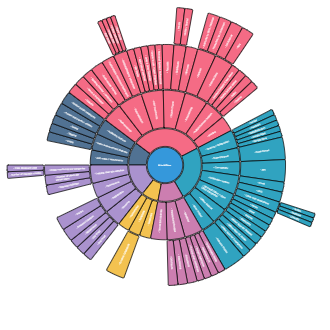
This is a mind map about C language data types and statement data types. These types define the types of data that variables or functions can store and the operations that can be performed on these data.
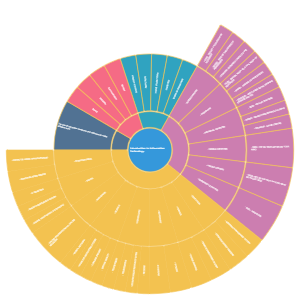
Edited at 2024-02-07 15:45:09Avatar 3 centers on the Sully family, showcasing the internal rift caused by the sacrifice of their eldest son, and their alliance with other tribes on Pandora against the external conflict of the Ashbringers, who adhere to the philosophy of fire and are allied with humans. It explores the grand themes of family, faith, and survival.
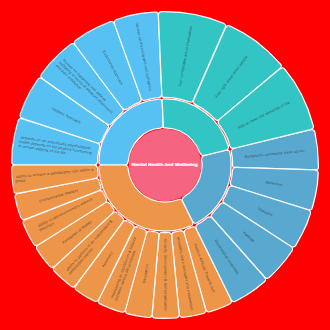
This article discusses the Easter eggs and homages in Zootopia 2 that you may have discovered. The main content includes: character and archetype Easter eggs, cinematic universe crossover Easter eggs, animal ecology and behavior references, symbol and metaphor Easter eggs, social satire and brand allusions, and emotional storylines and sequel foreshadowing.
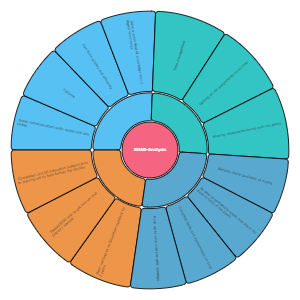
[Zootopia Character Relationship Chart] The idealistic rabbit police officer Judy and the cynical fox conman Nick form a charmingly contrasting duo, rising from street hustlers to become Zootopia police officers!
Avatar 3 centers on the Sully family, showcasing the internal rift caused by the sacrifice of their eldest son, and their alliance with other tribes on Pandora against the external conflict of the Ashbringers, who adhere to the philosophy of fire and are allied with humans. It explores the grand themes of family, faith, and survival.
This article discusses the Easter eggs and homages in Zootopia 2 that you may have discovered. The main content includes: character and archetype Easter eggs, cinematic universe crossover Easter eggs, animal ecology and behavior references, symbol and metaphor Easter eggs, social satire and brand allusions, and emotional storylines and sequel foreshadowing.
[Zootopia Character Relationship Chart] The idealistic rabbit police officer Judy and the cynical fox conman Nick form a charmingly contrasting duo, rising from street hustlers to become Zootopia police officers!
type of data
basic type
expand
constant
A quantity that cannot be changed while the program is running
variable
The amount by which its value can change
character data
Character constant
direct constant
Surrounded by single quotes, eg: 'a', '0', etc.
escape character
Begins with a backslash "\" followed by one or more characters
eg:'\\',' ','\t', etc.
character variable
Defined with char, a character variable is allocated one byte of memory
Character values are stored in variable memory units in the form of ASCII codes.
eg:char a; a='x'; Under the premise of defining variables here, a='x' and a=120 are essentially the same
String constant
A sequence of characters enclosed in double quotes. eg "Hahaha"
Note: 'a' is different from "a", "a" includes 'a' and '\0'. At the end of each string, the compiler will automatically add an end flag '\0'
Integer data
Integer constant (according to base)
decimal
Starting with 1-9
Octal
Starts with 0, eg:0123
hexadecimal
Starts with 0x or 0X
integer variable
Signed/unsigned short integer 2 bytes
There are unsigned basic integer types 4 bytes
Signed/unsigned long integer 4 bytes
Real data (floating point)
Real constant (real number or floating point number)
Decimal form
Numbers and decimal points
exponential form
eg:123e3 means 123×10 cubed
Constants that do not end with f are of type double
On the contrary, it is float type
real variable
float type
Occupies 4 bytes, 7 significant digits, exponent -37~38
double type
Occupies 8 bytes, 16 significant digits, index -307~308
Construction type
concept
A collection consisting of several data of the same or different types
Involved (discussed in detail later)
array structure union enumeration
type conversion
Conversion method
automatic conversion (Follow certain rules and the compiler system automatically completes it)
in principle
Convert a type that occupies a small number of memory bytes to a type that occupies a large amount of memory.
Change direction
from low to high
cast
(type specifier) (expression) Type specifiers must be bracketed
eg: 1. (float) a; //Convert the value of a into a real type 2. (int) (x y);//Convert the result of x y into an integer
illustrate
Both conversions are only for the needs of this operation, temporarily converting the variable data length without changing the data definition type and value.
Pointers (discussed in detail later)