MindMap Gallery Journey of Belief: Exploring the Essence of Faith
Embark on a profound exploration of the spiritual realm as we unravel the intricate layers of 'Faith.' Understand the essence of 'What is Faith,' delving into its significance in belief systems worldwide. Contemplate the question of 'Who is God,' examining the diverse perceptions across religious spectrums. Explore the intersection of 'Faith and the Catholic Church,' where doctrines and beliefs converge in a shared spiritual community. Finally, reflect on 'The Characteristics of Faith,' discovering the traits that define and shape this profound journey of belief. Whether you are a devout follower or a seeker on a spiritual quest, this guide invites you to contemplate the foundations of faith, the nature of divinity, and the unique characteristics that guide believers on their spiritual odyssey.
Edited at 2021-09-27 14:39:30Faith
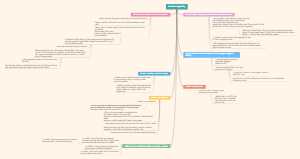
What is Faith?
- Faith means complete trust or belief in something or someone. It also means to have faith in God is to make a practical commitment—the kind involved in trusting God, or, trusting in God.
There are some examples of Faith in the bible:
- Genesis 32:22-32: Abraham wrestles with God - Mark 4:35-41: Calming the storm - 1 Samuel 17: David and Goliath - Jonah 1 - Mark 5:21-43: Jesus raises a dead girl and Heals a Sick Woman - Daniel 6: Daniel in the Den of Lions
Faith is our response to God's love
-It all comes down to this: "We love because [God] first loved us" (I John 4:19). The Bible teaches us that God formed the universe as a joyful, free, creative expression of his love. As, the crowning act of Creation, God made human beings, creatures that are more like him than is any other created thing. Because of this, we have greater free will than any other part of creation. We can consciously choose good or evil; we can even choose to believe in God or not to believe in God. He did not create us as robots who have to be good or who even have to believe in him. So when we struggle to believe in God, or struggle in making a moral choice, we are being exactly what God created us to be creatures who must make choices. -In giving us freedom, God also gave us the ability to give and receive love. Any being that cannot make its own decisions about what to believe in or how to act is not capable of self-giving love. Unfortunately, the effects of Original Sin confuse our ability to make totally free choices. We are too easily fooled into believing sinful choices are good choices. This limits our ability to love.
What is faith and who is God?
What is Faith?
Faith is the Latin for Fides, meaning trust, or complete belief.
Faith in the Bible
- As used in the Bible, however, “faith” basically means total trust, complete, unshakable confidence in God and his promises. - In other words, "Faith" as used in the Bible, means to believe in God without proof.In order to fully understand the concept of faith, we must accept the notion that God is Mystery. A mystery is something that can be experienced and lived, but which cannot really be explained or proven.- God is simply beyond our human abilities and understanding to be able to prove His existence. We are finite and mortal; we are bound by time and space while God is infinite and immortal; God exists outside of time and space.
Faith in our own lives
- As used in our own lives, “faith” also means: living and acting according to the teachings of the Word of God. - Faith isn’t worth much if we don’t show it in our words and actions.- Living a life of faith always involves three things:
1. We believe in God and His Word, 2. We say what we really believe 3. We act according to what we really believe.
Faith is not...
...Religion.
Faith is the personal relationship that each person has with God.•Religion is the outward expression of that faith through rituals - going to church, prayer, baptism, marriage, etc.•Faith and religion are not the same, but they are interdependent of one another.
...A way to Manipulate God.
It is not a power by which we make God do what we want – we pray for things and God grants our wishes.•It is not a kind of magic through which we make God into our servant!
Faith and the Catholic Church
-Faith is a personal act. Each person is free to believe or not to believe in what God has revealed. But belief is not an isolated act. No one can believe alone. For one thing, other people pass on God's Revelation to us. Parents, teachers, and clergy teach us about Scripture and Tradition, They witness to us how their faith in God has made a difference in their lives. Through their words and actions, they support and nourish our faith. This is the way the Catholic faith has spread for two thousand years. These faithful believers have passed the faith on from generation to generation by their word and example. -But having true faith means believing everything that God reveals; it doesn't mean picking and choosing the things we want to believe. And Scripture and Tradition teach that God wants us to be part of a church, a community of believers. Here are some reasons why:
- Christ promised that the Holy Spirit would guide the Church ·in a special way, revealing the full truth of the Gospel message.- The Church provides the human mechanism through which God's Revelation - Scripture and Tradition - is passed on and safeguarded.- The Sacraments that Jesus instituted are celebrated in the community so that the people receiving the Sacraments are more closely united with the community.- We need the support and encouragement of other believers to live the Gospel message even when it is difficult and challenging. - Throughout the New Testament, the followers of Christ are commanded to "love one another" as an example to the rest of the world. Only as part of a Christian community can we give effective witness to the love of God.
- The Catholic Church has a special unity with other Christian churches. All Christians share "one Lord, one faith, one baptism" (Ephesians 4:5). All Christians are brothers and sisters to one another. By our Baptism, we all share a sacramental bond of unity and a common life in Christ, even though significant differences exist among different Christian churches or denominations. Catholics are encouraged to practice ecumenism, that is, to work toward overcoming those differences and to build unity with other Christians. We do this by praying together, serving the community together, and honestly searching for God's truth together.
The Characteristics of Faith
- Faith is the human person's response to God's loving invitation to believe in him. Faith means giving yourself completely heart, mind, and will to a loving relationship with God. Faith also means believing in and being part of the Church, which is the Body of Christ here on earth. · The Church also teaches some other things about faith, which are summarized as follows:
Faith is a grace, a supernatural gift of God. - This is a fancy way of saying that we don't initiate our relationship with God but that he is the one who initiates it. In fact, without the Holy Spirit's help, we wouldn't be able to recognize God's invitation or respond to it. Faith is certain. - God is trustworthy; and everything he reveals is trustworthy, even when it does not make complete sense to our human reason. The teachings of our faith are more trustworthy than any human knowledge. Faith seeks understanding. - True faith means having a passion for always wanting a deeper and dearer understanding of God. It is an ongoing process: the more we understand God, the deeper our faith will be. And as our faith deepens, we become more committed followers of Jesus Christ. Faith is not opposed to science. - God created both physical reality and spiritual reality, and the two can never truly conflict. The humble and honest seeker will see the hand of God in both the world of science and the world of religion. We will look at this notion in more detail later in the course.Faith is necessary for salvation. - By definition, salvation means having our relationship with God restored to what he intended it to be from the beginning: But as was said earlier, faith in God is a necessary part of having a truly loving relationship with him. Thus without faith, we have cut ourselves off from God, and that means no salvation. Without faith in God, even if a person had all the exterior signs of a good and upright life, she or he will not be saved. (Just remember though that God is always there to start or renew a relationship with Him) Grace enables faith. - We are able to have faith because God first gives us the grace to believe. The Holy Spirit makes this grace available to all people.Faith is the beginning of eternal life. - Through faith, we deepen our relationship with God. Through faith, we experience the joy and love that come with being part of a community of believers. Through faith, we get a preview of what Heaven is like.