MindMap Gallery Schistosomiasis: Epidemiology and Management
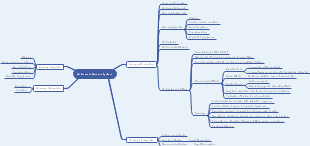
Dive into the epidemiology and control strategies of Schistosomiasis, a disease caused by parasitic worms transmitted through freshwater snails. This guide explores diagnostic exams, preventive measures, treatment options, and the disease's prevalence, mode of transmission, and impact on public health. It serves as a valuable resource for healthcare professionals, public health educators, and researchers in the field of infectious diseases.
Edited at 2021-12-19 15:34:50This guide delves into the pharmacological treatments of gastrointestinal issues using antidiarrheals and antiemetics. It outlines the use of medications like Metoclopramide and Loperamide, their side effects, and the educational points for patients. This resource is designed for healthcare professionals, including pharmacists and nurses, to provide comprehensive care instructions for medications treating nausea, vomiting, and diarrhea.
Dive into the epidemiology and control strategies of Schistosomiasis, a disease caused by parasitic worms transmitted through freshwater snails. This guide explores diagnostic exams, preventive measures, treatment options, and the disease's prevalence, mode of transmission, and impact on public health. It serves as a valuable resource for healthcare professionals, public health educators, and researchers in the field of infectious diseases.
This is a mind map about rabies in the Philippine. Rabies is a deadly virus spread to people from the saliva of infected animals. The rabies virus is usually transmitted through a bite. Animals most likely to transmit rabies include bats, coyotes, foxes, raccoons and skunks. In developing countries, stray dogs are the most likely to spread rabies to people. Once a person begins showing signs and symptoms of rabies, the disease nearly always causes death. For this reason, anyone who may have a risk of contracting rabies should receive rabies vaccinations for protection.
This guide delves into the pharmacological treatments of gastrointestinal issues using antidiarrheals and antiemetics. It outlines the use of medications like Metoclopramide and Loperamide, their side effects, and the educational points for patients. This resource is designed for healthcare professionals, including pharmacists and nurses, to provide comprehensive care instructions for medications treating nausea, vomiting, and diarrhea.
Dive into the epidemiology and control strategies of Schistosomiasis, a disease caused by parasitic worms transmitted through freshwater snails. This guide explores diagnostic exams, preventive measures, treatment options, and the disease's prevalence, mode of transmission, and impact on public health. It serves as a valuable resource for healthcare professionals, public health educators, and researchers in the field of infectious diseases.
This is a mind map about rabies in the Philippine. Rabies is a deadly virus spread to people from the saliva of infected animals. The rabies virus is usually transmitted through a bite. Animals most likely to transmit rabies include bats, coyotes, foxes, raccoons and skunks. In developing countries, stray dogs are the most likely to spread rabies to people. Once a person begins showing signs and symptoms of rabies, the disease nearly always causes death. For this reason, anyone who may have a risk of contracting rabies should receive rabies vaccinations for protection.
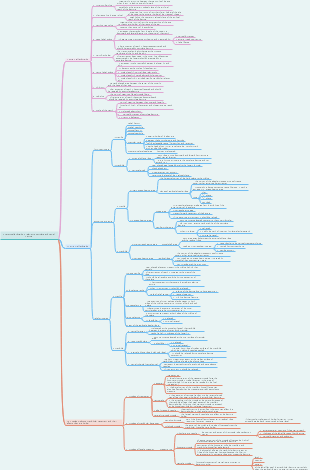
Schistosomiasis (Bilhiariasis/Snail Fever)
Diagnostic Exams
Focused on emamination of stool and urine to identify for eggs of schistosoma through various means
1.) Use of chemical reagent strips
-Particularly used on neurogenital schistosomiasis
2.) Using Kato-Katz technique
Used to detect schistosoma in stools by counting the number and types of eggs present in stool
Uses methylene blue celophane (made up of soap and glycerin placed on the glass slides
Epidemic Measures
a. Examine for schistosomiasis and treat all who are infected, but especially those with moderate to heavy intensities of egg passage; pay particular attention to children
b. Motivate people in these areas to have annual stool examination
c. Public health nurse in endemic areas participate actively and the preventive and control measures mentioned below
Snail Control
a. Snails are your arm mollusks
b. Uing of molluscides may be expensive if done over a large area
c. Filling snail areas with land and other suitable materials is a more convenient option than using molluscides
d. A bridge over snail infested area may also be made
e. Clear vegetation over the area
f. Snails are also commonly eaten thus, education is essential to prevent schistosomiasis
Treatment
Specific Treatment
Praziquantel (Biltricide) is the drug of choice against ALL SPECIES; 40 mg/kg 2x a day for S. haematobium, S. mansoni and S. intercalatum; 3x a day for S. japonicum and S. mekongi
Alternative Drugs
Oxamniquine for S. manosoni and metrifonate for haematobium
Preventive Measures
a. Educate the public in endemic areas regarding mode of transmission and methods of protection
b. Dispose of feces and urine so that viable eggs will not reach bodies of fresh water containing intermediate snail hosts (Control of animals infected with S. japonicum is desirable but usually not practiced for many reasons such as cost and effective use of time)
c. Improve irrigation and agricultural practicesl reduces snail habitats by removing vegetation or by draining and filling
d. Treat snail-breeding sites with molluscicides (cost may limit use of these agents)
e. Prevent exposure to contaminated water (e.g use of rubber boots)
f. to minimize cercarial penetration after brief or accidental water expsure towel dry vigorously and completely. Skin surfaces that are wet with suspected water
g. Apply 70% alcohol immediately to the skin to kill surface cercariae
h. Provide water for drinking , bathing and washing clothes from sources free of cercariea or with treatment to kill them
i. Effective measures for inactivating cercariae include water treatment with iodine or chlorine, or the use of paper filters
j. Allow water to satand for 48-72 hours
k. Treat patients in endemic areas to prevent disease progression reduce transmission by reducing egg passage
l. Travelers visiting endemic areas should be advised of the risks and informed about preventive measures
m. Control of patients, contacts and immediate environment
i. Report to local health authority in selected endemic areas
ii. Isolation: None or not needed
iii. Concurrent Disinfection: Sanitary disposal of feces and urine
iv. Quarantine: None
v. Immunization of Contacts: None
n. Investigation of contacts and source of infection. Examine contacts for infection from a common source (The search for a cure is a community effort)
o. Prevent water contamination (from contaminated stool and urine)
p. Use of water-sealed toilets
q. Use of latrine (digging a hole in the land for defecation)
r. Barangays aiding people to have the sanitary toilet, these people are not frequently assisted in terms of materials used for constructing the sanitary toilets but they have their countrerpart like the labor, the digging, they have their counterpart but they are assisted and sanitary toilets are NEEDED FOR EVERY FAMILY for sanitation and to prevent disease condition
s. Presence of sanitary toilets are important so that people will no longer defecate or throw wastes in rivers like the Banica River and other bodies of water
Note
We have a long way to go in educating the public but baby steps are important so that we can also have/cover a wider population in terms of health education
The Department of Health (DOH) Program is very comprehensive and has good outcomes in relation to the statistics
Recipients of chemotheraphy through mass drug administration involve people in endemic areas (It is important to know the endemic areas in order to know if your places of origin are among the endemic areas so you and your families can prepare and perform proper preventive measures)
Complications
Not usually fatal but complications from symptoms may cause serious damage in the liver, bladder, etc.
1.) Liver Failure-very late sign
2.) Seizures
Seizures and Paralysis may result from when schistosoma eggs get lodged in the spinal cord/brain (CNS Reach)
3.) Paralysis
Signs and Symptoms
1. Diarrhea
2. Bloody Stools
3. Enlargement of Abdomen
4. Splenomegaly
5. Weakness
6. Anemia
7. Inflamed Liver (Hepatomegaly)
Pathogenicity
1. Infected people urinate or defecate in water
2. Fresh water becomes contaminated by schistosoma eggs
3. Eggs hatch
4. Parasites grow and develop inside the snails
5. Parasite leaves the snails
6. Parasite enters the water where it can survive for 48 hours or 2 days
7. Schistosoma parasites penetrate skin of persons who are wading, swimming, bathing or washing in contaminated water
8. Worms grow inside the blood vessels of the body and produce eggs within several weeks
Causes: enlargement of abdomen, splenomegaly, hepatomegaly (inflamed liver), weakness and anemia
9. Some eggs travel to the bladder or intestines and are passed into the urine or stool
Causes: diarrhea and bloody stools
Incubation Period
Schistosoma japonicum live in the blood vessels of the intestine and the liver
The eggs of the parasite are laid in the terminal capillary vessels in the submucosa of the intestines and through ulcerations reach the lumen of the intestines and pass out with the feces and upon contact with fresh water hatches into a larva (miracidium). The free-swimming larva seeks and penetrates the soft part of the intermediate host-a tiny snail called oncomelania quadrasi, multiplies and within 2 eeks becomes the infective stage called cercaria (this fork-tailed larva emerges from the snail into the water and enters the skin of men and other warm-blooded animals as cows, dogs, carabaos, cats, rats, horse and goats come in contact with infected water)
Through the lymphatic and then the veins it eventually goes to the heart, systemic circulation and the intrahepatic portal circulation where they mature, copulate and start laying eggs in about 1 month time
Prevalence
Disease is endemic in 10 regions, 24 provinces, 183 municipalities and 1, 212 barangays with an estimated exposed population of 67 million. In these areas, there are about 3, 391 snail colonies with an approximate area of 11, 250 hectares
High prevalence of schistosomiasis in Region 5 (Bicol Region), Region 1 (Samar & Leyte) and Region 11 (Davao)
Agent
Schistosoma japonicum
Blood fluke
Transmitted by a tiny snail called "oncomelania quadrasi"
Schistosoma mansoni
Schistosoma haematobium
Target
Mostly farmers and their families in the rural areas
From here, due to the chronicity of the disease, it results in manpower losses and lessened agricultural productivity
Hence, schistosomiasis is not only a public health problem but also a socioeconomic problem
Mode of Transmission
Skin comes in contact with contaminated fresh water in which certain types of snails that carry schistosomes are living (It is the free swimming larval forms, called cercariae, of the parasite that penetrate the skin
Description
long been one of the most important tropical diseases in our country